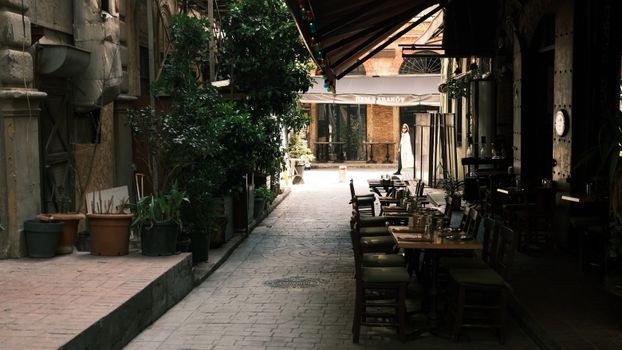
The aroma of freshly baked bread, the murmur of excited chatter, the clinking of glasses – these are the familiar sounds of a great meal. But what if that meal was served not in a bustling city bistro or a chic coastal eatery, but inside a centuries-old cave, suspended over a raging waterfall, or even beneath the shimmering surface of the ocean?
My quest for the extraordinary began years ago, on a solo trip through the rugged interior of Portugal. I was deep in the Serra da Estrela mountains, far from any major city, when a local told me about a tiny, family-run tasca carved into the side of a granite rock face. It wasn't listed on any travel site, had no online presence, and required a steep, winding hike to reach. When I finally arrived, breathless and a little muddy, the sight that greeted me was pure magic: a small, rustic dining room, cool and dim, with a panoramic window overlooking a valley that stretched to infinity. The owner, a stoic old woman named Maria, served me the most incredible Chanfana (slow-cooked goat stew) I’d ever tasted, accompanied by homemade wine. It was simple, authentic, and utterly unforgettable. That meal wasn't just about the food; it was about the journey, the discovery, and the profound sense of having stumbled upon a secret world.
That day ignited a passion within me: to seek out these culinary anomalies, these gastronomic marvels hidden in plain sight or tucked away in the most improbable corners of our planet. Not the Michelin-starred establishments everyone raves about, but the truly unusual ones – the places you visit not just for the food, but for the story, the adventure, and the bragging rights of having experienced them before they become mainstream.
Join me, fellow explorers and food fanatics, as we dive into seven categories of restaurants in the most unusual locations, complete with tips on how to find your own hidden gems and make these once-in-a-lifetime experiences a reality.
1. The Subterranean Wonders: Dining Deep Within the Earth
There’s something inherently mysterious and primal about dining underground. Whether it's a natural cave, an ancient cellar, or a repurposed mine, these locations offer a unique blend of coolness, quietude, and a sense of stepping back in time. The acoustics are different, the light is often dramatic, and the feeling of being cocooned away from the world outside is incredibly calming.
The Experience:
Imagine the cool, damp air on your skin as you descend into a cavern, the flickering candlelight casting dancing shadows on ancient rock formations, and the muted clinking of cutlery echoing softly. It’s an immersive experience that engages all your senses even before the first dish arrives.
A Hidden Gem Example: La Gruta, Teotihuacan, Mexico
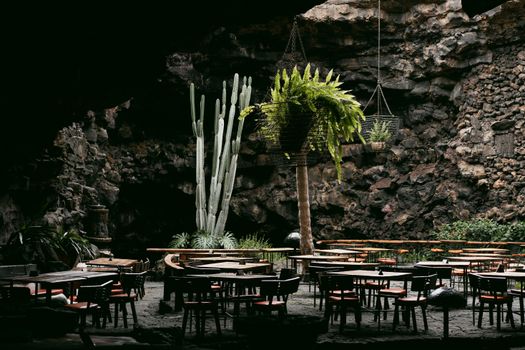
While La Gruta isn't entirely unknown, it’s certainly not on every tourist's radar in the same way Mexico City’s culinary scene is. Located just steps from the magnificent Pyramids of Teotihuacan, this restaurant is housed inside a natural volcanic cave. The vibrant colors of traditional Mexican textiles and decor pop against the raw rock walls, illuminated by lanterns and natural light filtering from above. They serve authentic pre-Hispanic and traditional Mexican cuisine – think escamoles (ant larvae, a pre-Hispanic delicacy), cochinita pibil, and rich mole dishes. The atmosphere is genuinely magical, especially when musicians play traditional tunes. It’s a perfect capstone to a day exploring ancient wonders.
- Estimated Price Range: $25-$50 per person for a full meal with drinks.
- Best Time to Visit: After exploring the pyramids, for a late lunch or early dinner. Reservations are highly recommended, especially on weekends.
Your Actionable Tip:
When looking for subterranean dining, check areas near ancient ruins, wine regions (for cellar restaurants), or regions known for karst topography (limestone caves). Local tour guides or even hotel staff in smaller towns are often the best sources for these less-publicized spots.
2. High Altitude Havens: Gastronomy Above the Clouds
There's a special kind of exhilaration that comes with dining high above the world, where the air is crisp, and the views stretch for miles. These restaurants, often perched on mountain peaks or cliff edges, offer a perspective that makes your meal feel truly elevated.
The Experience:
Picture this: you've just completed a challenging hike or taken a breathtaking cable car ride. Now, you’re seated at a rustic wooden table, sipping local wine, with the majestic panorama of snow-capped peaks or an endless ocean spread before you. The food, often hearty and regional, tastes even better after the journey.
A Hidden Gem Example: Rifugio Locatelli, Dolomites, Italy
Forget the famous resort restaurants; for a truly authentic high-altitude experience, seek out a rifugio in the Italian Dolomites. While many are well-known among hikers, they remain largely off the radar for mainstream foodies. Rifugio Locatelli (Dreizinnenhütte) is one such gem. Perched at 2,405 meters (7,890 ft) with unparalleled views of the iconic Tre Cime di Lavaredo, this rifugio offers simple but incredibly satisfying South Tyrolean cuisine. Think generous portions of Knödel (dumplings), Schlutzkrapfen (spinach and ricotta ravioli), and apple strudel, all made with fresh, local ingredients. Reaching it requires a scenic, moderate hike, making the meal an earned reward.
- Estimated Price Range: €15-€30 per person for a main course and drink.
- Best Time to Visit: Summer and early autumn for hiking; check opening dates as many close in winter. Go at sunset for truly spectacular views.
Your Actionable Tip:
Look for mountain refugios or huts in hiking regions. These are primarily for trekkers but often welcome day visitors for meals. Research hiking forums and local outdoor recreation websites, not just typical restaurant guides. Always check accessibility and weather conditions before you go!
3. Floating Feasts: Dining on the Water's Edge (or On It!)
From tranquil lakes to bustling harbors, dining on or near water adds a serene or lively dimension to any meal. But we're not talking about your average waterfront restaurant; we're talking about places that are truly part of the aquatic environment.
The Experience:
Imagine a gentle rocking sensation as you savor fresh seafood, the sound of lapping waves, and the reflection of the sky dancing on the water around you. Whether it’s a restaurant built on stilts, a repurposed boat, or a unique floating structure, the connection to the water is palpable.
A Hidden Gem Example: The Floating Restaurant, Inle Lake, Myanmar
While Myanmar is gaining popularity, Inle Lake's unique culture and dining experiences are still far from mainstream. Imagine a restaurant built entirely on stilts, floating amidst the serene waters of Inle Lake, accessible only by a long-tail boat. Many guesthouses and local communities have small, family-run floating kitchens. These aren't fancy, but they offer an incredibly authentic experience. You’ll be served freshly caught fish (often Inle carp or nga-phe), local Shan noodles, and vibrant vegetable curries, all while watching the famous Intha leg-rowing fishermen glide by. The simplicity and the direct connection to the source of your food are what make this so special.
- Estimated Price Range: $5-$15 per person for a generous meal.
- Best Time to Visit: During the dry season (October to March). Combine it with a boat tour of the lake.
Your Actionable Tip:
Explore less-traveled deltas, archipelagos, and large inland lakes in developing countries. Look for local homestays or eco-lodges that offer unique dining experiences tied to their aquatic environment. Ask your boat driver or guide for recommendations for family-run places, not the tourist traps.
4. Remote Outposts: Culinary Journeys to the Edge of Civilization
Some restaurants demand a true pilgrimage, located in places so remote they feel like they exist outside of time. These aren't just meals; they're destinations, often requiring considerable effort to reach, making the eventual dining experience all the more rewarding.
The Experience:
The journey itself becomes part of the adventure. Perhaps a dusty jeep ride across a desert, a long boat trip to a secluded island, or a trek through a dense jungle. Arriving at your destination, you're greeted by an oasis of hospitality, a sense of profound peace, and a meal that tastes like victory.
A Hidden Gem Example: The "Lost Valley" Restaurant, Wadi Rum, Jordan (Fictionalized but Plausible)
While many desert camps in Wadi Rum offer dining, imagine a truly off-grid experience: a pop-up or semi-permanent restaurant run by a Bedouin family, deep within a "lost valley" only accessible by a specialized 4x4 and a short, guided walk. No signs, no website, just word-of-mouth. Here, you'd experience authentic Zarb, a Bedouin barbecue where meat (often lamb or chicken) and vegetables are slow-cooked for hours in an underground oven dug into the sand. The meal is served under a canopy of a million stars, with traditional music and storytelling around a crackling fire. It's not just food; it's a cultural immersion.
- Estimated Price Range: $40-$70 per person, often bundled with a desert tour or overnight stay.
- Best Time to Visit: Spring or Autumn for milder temperatures. Arrange through a reputable local Bedouin guide.
Your Actionable Tip:
For remote dining, engage with local guides or specialized adventure tour operators. They often have connections to unique, family-run establishments that aren't advertised. Be prepared for rustic conditions and focus on the authenticity of the experience rather than luxury.
5. Repurposed Heritage: Feasting in History's Footsteps
Sometimes, the most unusual locations are those with a rich past, given a new lease on life as culinary spaces. Dining in a former prison, an ancient monastery, or a forgotten train station adds layers of narrative and atmosphere to your meal.
The Experience:
You're surrounded by history, by the echoes of lives lived long ago. The architecture tells a story, the walls have seen centuries pass, and your meal becomes a contemporary act within a timeless setting. It’s a powerful blend of past and present.
A Hidden Gem Example: The Old Prison Restaurant, Långholmen, Stockholm, Sweden
Långholmen Island in Stockholm is home to a former prison that has been ingeniously converted into a hotel and conference center. While the hotel is known, its restaurant, often simply called "Långholmen Wärdshus," isn't as globally famous as other Stockholm eateries. Dining here means eating within the thick, historic walls of what was once a correctional facility. The ambiance is unique – a blend of modern comfort and austere history. They serve classic Swedish dishes with a contemporary twist, focusing on seasonal ingredients. It’s a fascinating place to reflect on history while enjoying excellent food, far from the tourist throngs of Gamla Stan.
- Estimated Price Range: $40-$70 per person for a two-course meal and drink.
- Best Time to Visit: Year-round. Make a reservation, especially for dinner.
Your Actionable Tip:
Look for hotels or cultural centers that have repurposed historic buildings in less-touristed parts of cities or smaller towns. Check local heritage sites' websites – they often list dining options. Don't just search for "restaurants"; try "dining in [historic building type]" or "restaurant [former purpose]".
6. Nature's Embrace: Immersive Outdoor Dining
Beyond just a patio, these restaurants are truly integrated into their natural surroundings, offering an open-air experience that makes you feel part of the landscape, not just observing it.
The Experience:
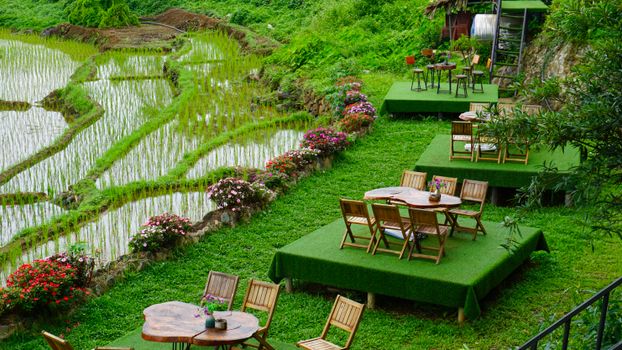
The rustling of leaves, the chirping of cicadas, the scent of pine or sea air – these are your accompaniments. Dining under a canopy of ancient trees, by a roaring river, or directly on a pristine beach (not a resort one) connects you deeply with the environment.
A Hidden Gem Example: The Jungle Kitchen, Chiang Rai, Thailand (Fictionalized but Plausible)
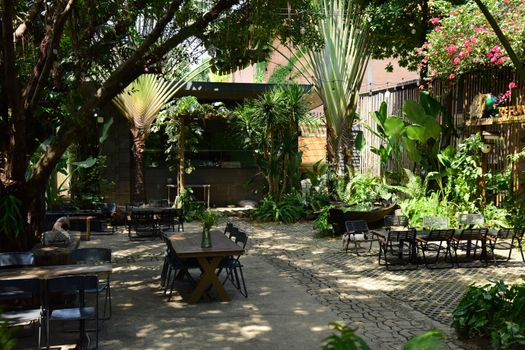
While Thai street food is legendary, imagine a small, almost hidden "jungle kitchen" nestled deep within the lush forests outside Chiang Rai, far from the main tourist routes. This isn't a fancy resort, but a simple, open-air pavilion built from local materials, perhaps run by a local hill tribe community. They specialize in traditional Northern Thai dishes, prepared with herbs and vegetables foraged directly from the surrounding jungle, and fish from a nearby stream. The sound of the jungle is your soundtrack, the flickering fireflies your ambient lighting. It’s an authentic, earthy experience that puts you in touch with both nature and local culinary traditions.
- Estimated Price Range: $10-$20 per person.
- Best Time to Visit: During the dry season (November to February). Often accessible via local guides or as part of a trekking tour.
Your Actionable Tip:
When exploring natural parks or rural areas, ask local guides about small, family-run eateries that are truly integrated into the landscape. Look for places that emphasize "farm-to-table" or "foraged ingredients" in remote settings. Be open to rustic charm over polished service.
7. Pop-Ups & Ephemeral Experiences: Catch Them While You Can!
The ultimate "before they become mainstream" experience lies in the world of pop-up restaurants and temporary dining events. These fleeting culinary moments often appear in the most unexpected locations – abandoned warehouses, secluded beaches, rooftops, or even moving vehicles – and then vanish, leaving only memories.
The Experience:
There’s an electric buzz of anticipation, a sense of exclusivity, and the thrill of being part of something truly unique and transient. The location itself is often part of the art, transforming an ordinary space into an extraordinary dining room for one night only.
A Hidden Gem Example: "The Nomad's Table," Atacama Desert, Chile (Concept-based)
Imagine a high-end pop-up dining experience called "The Nomad's Table," which appears only a few times a year in the stark, beautiful landscapes of the Atacama Desert. One night, it might be set up amidst ancient geoglyphs, another time under the clearest skies for stargazing. Renowned chefs from Santiago or even internationally are invited to create multi-course meals using locally sourced ingredients, paired with Chilean wines. Guests are transported to the secret location, creating an unforgettable, almost surreal dining event that emphasizes connection to the vast, empty beauty of the desert.
- Estimated Price Range: $150-$300+ per person (for high-end pop-ups).
- Best Time to Visit: Check specific event dates, often announced only a few months in advance.
Your Actionable Tip:
Follow niche food blogs, local culinary event calendars, and even specific chefs or catering companies on social media, especially Instagram, for announcements about pop-up events. These experiences often sell out quickly due to limited capacity, so be ready to book as soon as tickets are released.
Practical Tips for Your Culinary Quest: How to Find Your Own Hidden Gems
Finding these elusive culinary treasures requires a bit more effort than just opening Google Maps, but that's part of the adventure!
- Go Local: Your best resources are local people. Ask hotel staff, taxi drivers, shopkeepers, and especially local guides. They know the true hidden spots. Learn a few phrases in the local language – it goes a long way.
- Dive Deep into Social Media: Beyond mainstream travel accounts, follow local food bloggers, niche travel photographers, and even local hashtags on Instagram and TikTok. Look for geotags in less-frequented areas.
- Explore Off-Season or Shoulder Season: Less crowded times often mean more authentic local experiences and easier access to unique spots that might be overrun during peak season.
- Embrace the Journey: Getting to these places might involve long drives, boat rides, or hikes. Factor this into your planning and enjoy the process. The "difficulty" often preserves their hidden status.
- Be Flexible and Open-Minded: Service might be slower, menus might be limited, and amenities might be rustic. The focus here is on the unique experience and authentic flavors, not five-star luxury.
- Budget Wisely: While some remote or pop-up experiences can be pricey due to logistics, many local hidden gems are surprisingly affordable. Always carry some local currency, as many don't accept cards.
- Respect Local Culture: You're a guest in their space. Be mindful of local customs, dress codes, and photography etiquette.
- Leave No Trace: Especially in natural or remote locations, ensure you leave the area as pristine as you found it.
The Thrill of the Undiscovered
The world is full of incredible flavors, but the truly unforgettable meals are often those served in the most unexpected settings. There’s a profound satisfaction in uncovering a place before the masses descend, in experiencing a moment of pure, unadulterated culinary magic that feels like it was meant just for you.
These aren't just restaurants; they are portals to unique cultures, breathtaking landscapes, and personal adventures. They are the stories you'll tell for years to come, the photos that will make your friends gasp, and the memories that will fuel your wanderlust. So, pack your bags, sharpen your senses, and embark on your own quest for the world's most unusual dining experiences.
Have you discovered a hidden culinary gem in an unbelievable location? Share your stories and tips in the comments below! Let's inspire each other to explore beyond the beaten path. And don't forget to share this post with your fellow adventurers – let's uncover these wonders before they're just another trending hashtag!
---