Why Day-Tripping Ruins the Alpine Experience
I stepped off the rattled wooden bed of a 4x4 transport into the crisp dusk air of the Accursed Mountains, and the first thing that hit me wasn't the cold—it was the smell. It was an unmistakable blend of burning wild pine, sweet woodsmoke, drying mountain thyme, and raw sheep's milk cheese roasting over an open fire.
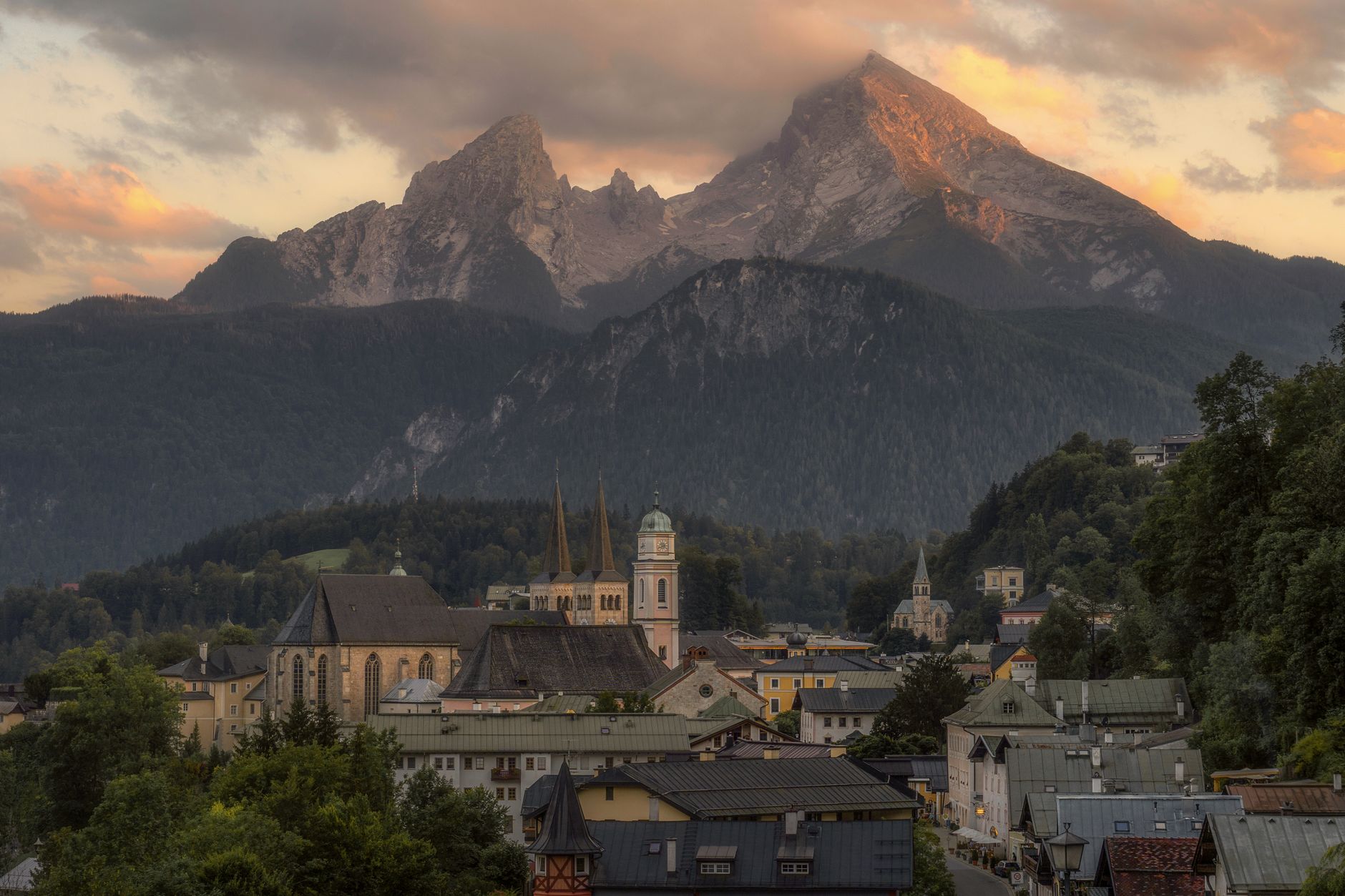
By 5:30 PM, the last day-tripping passenger van had kicked up its final cloud of gravel dust on the pass back to Shkodër. Silence descended over the valley floor with the speed of a dropped curtain. The peaks above turned a bruised indigo, and windows across the hamlet began to glow with buttery yellow light.
That is the exact moment I realized a fundamental travel truth: day-tripping kills mountain culture, and it robs you of its soul.
When you visit a mountain village between 11:00 AM and 3:00 PM, you experience a performative museum. You fight for parking, dodge selfie sticks along medieval causeways, and sit at overpriced cafés where the waitstaff is exhausted. But when you stay overnight, the dynamic flips entirely. You become a guest of the village. You hear cowbells echoed across limestone gorges at dawn; you eat dishes that require eight hours of slow embers; you speak with elders who only come out when the heat and the crowds dissipate.
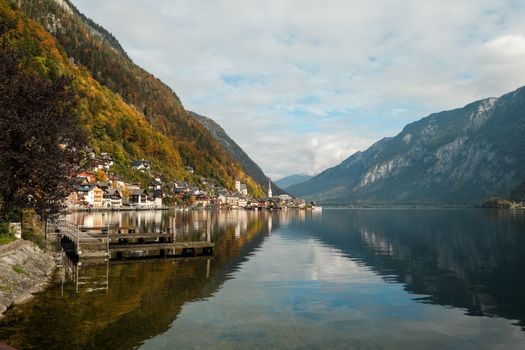
As travel trends shift away from over-touristed hubs like Zermatt, Grindelwald, and Hallstatt, a new cohort of remote, high-altitude hamlets is emerging. These five mountain villages offer raw beauty, deep culinary roots, and unmatched serenity—if you commit to staying the night.
---
1. Theth, Accursed Mountains (Albania)
```
▲
/ \ THE ACCURSED MOUNTAINS (2,694m)
/ \
/ ▲ \ [Theth Valley Floor - 850m Altitude]
/ / \ \
/ / \ \
```
For decades, the Northern Albanian Alps were shielded from international tourism by harsh topography and political isolation. Today, Theth is slowly stepping into the global spotlight, yet it remains wonderfully untamed once the sun dips below the jagged karst spires of Mount Radohima.
The Village Atmosphere
Theth feels closer to the 19th century than the 21st. Stone houses topped with steep wooden shingles (kulla) line the riverbank. There are no streetlights here; navigation at night relies on moonlit white gravel paths and the ambient warm glow from family-run guesthouses.
Sensory Highlights & Local Flavors
Order Flija—a traditional dish made of layered batter brushed with goat cream, cooked outdoors for hours under a metal dome (sač) covered in hot embers. Pair it with Caj Mali (wild mountain tea harvested from adjacent cliffs) and homemade plum rakija that will warm your chest against the alpine chill.
Deep Cultural Footprint
Visit the Kulla e Ngujimit (the Lock-in Tower), a historical sanctuary used during centuries past for men caught in blood feuds under the ancient code of Kanun. The local caretaker speaks passionately about how peace was brokered inside these very stone walls.
> PRO-TIP: Skip the crowded Blue Eye waterfall trail at noon. Wake up at 06:15 AM and head directly behind Guesthouse Polia. Follow the unmarked dirt goat path leading toward the Peja Pass. You will have the morning mist, wild horses, and the raw valley views entirely to yourself for three solid hours.
| Logistics Category | Details |
| :--- | :--- |
| Estimated Daily Budget | $45 – $70 USD (Includes overnight stay, dinner, and breakfast) |
| Best Time to Visit | Late May to mid-October (Passes are snowbound in winter) |
| How to Get There | 2.5-hour drive from Shkodër via the paved SH21 road (no 4x4 required now, but drive carefully). |
---
2. Castelmezzano, Lucanian Dolomites (Italy)
Forget Tuscany. Deep in the southern Italian region of Basilicata, Castelmezzano is carved directly into vertical jagged sandstone peaks known as the Dolomiti Lucane.
```
/| /|
/ |___/ |_ [Castelmezzano Cliffs]
/ ___ |
| [___] | <-- Stone homes stacked vertically
| |
```
The Village Atmosphere
As night falls, Castelmezzano undergoes a dramatic visual transformation. The municipal lighting is engineered to illuminate the surrounding sandstone spires from below, making the entire village look as though it is floating inside a dark natural amphitheater.
Sensory Highlights & Local Flavors
The signature flavor here is Peperoni Cruschi—sweet red peppers dried on balcony strings in the summer sun, then flash-fried in local olive oil for 3 seconds until crisp as glass. They are sprinkled over hand-rolled strascinati pasta with aged ricotta salata.
Architectural Marvels
The architecture is entirely vertical. Narrow stone staircases called Gradinata della Normanna are cut straight into the living rock face. There are virtually no flat roads; walking through Castelmezzano is a continuous, satisfying burn in your calves.
> PRO-TIP: Walk to the upper viewing platform near the entry hut for the Volo dell'Angelo zip line at 19:30 PM. The operators leave for the day, leaving a secret wooden bench behind the hut completely vacant. It offers an unobstructed sunset view directly across the ravine to the sister village of Pietrapertosa.
| Logistics Category | Details |
| :--- | :--- |
| Estimated Daily Budget | $90 – $140 USD |
| Best Time to Visit | May, June, or September (Avoid August heat and domestic holidays) |
| How to Get There | 2-hour drive from Bari Airport or 2.5 hours from Naples via rent-a-car. |
---
3. Ainokura, Toyama Prefecture (Japan)
While tourists pile into buses to see the famous Gassho-zukuri farmhouses in Shirakawa-go, smart travelers head slightly deeper into the remote Gokayama region to sleep in Ainokura.
```
/\ /\
/ \ / \ [Gassho-zukuri Thatch Roofs]
/____\ /____\
| | | | | | [300-Year-Old Timber Beams]
```
The Village Atmosphere
Ainokura contains just 20 original gassho-zukuri (steeply slanted thatched roof) farmhouses, built to withstand immense winter snowfalls. With zero commercial neon signs and only a couple dozen local residents, staying overnight feels like stepping inside an Edo-period woodblock print.
Sensory Highlights & Local Flavors
The dinner served at local home-stays (minshuku) features Sansai (wild mountain ferns, bamboo shoots, and butterbur buds gathered from the surrounding forest slopes), crisp river trout (iwana) grilled over charcoal with salt, and locally brewed, unfiltered sake.
Cultural Craftsmanship
The roofs are built entirely without nails, tied together with sturdy hazel ropes (neso). The steep 60-degree angle allows massive amounts of heavy, wet snow to slide off effortlessly during harsh alpine winters.
> PRO-TIP: Guests at the local minshuku are granted early morning access to the village trails. At 05:45 AM, walk up the narrow gravel path behind the small village shrine. Look for a blue wooden marker that leads to an elevated overlook platform—you will witness the morning fog lifting out of the Shogawa River valley, cloaking the thatched roofs in silver light.
| Logistics Category | Details |
| :--- | :--- |
| Estimated Daily Budget | $110 – $160 USD (Includes traditional multi-course kaiseki dinner and breakfast) |
| Best Time to Visit | October–November (Autumn foliage) or February (Winter snowpack) |
| How to Get There | Take the World Heritage Bus from Johana Station or Shin-Takaoka Station directly to the Ainokura stop. |
---
4. Torla-Ordesa, Spanish Pyrenees (Spain)
Perched on the brink of the glacial Ordesa Valley in Aragon, Torla-Ordesa serves as the dramatic granite gateway to the Monte Perdido National Park.
```
____________________ [1,000m Vertical Wall of Mondarruego]
| __________________
| |
| | __/\__
| | [______] [Torla Village & Slate Roofs]
```
The Village Atmosphere
Torla is dominated by the looming, sheer 1,000-meter wall of the Mondarruego cliff, which towers directly over the village's dark slate roofs. In the evening, the stone alleys smell of oak woodsmoke, roasted meats, and damp alpine soil.
Sensory Highlights & Local Flavors
Head into an authentic Aragonese tavern for Migas Aragonesas—a rustic dish made from stale breadcrumbs sautéed in olive oil with garlic, Spanish chorizo, belly pork, and served with sweet white grapes on top to balance the savory richness.
Architectural Nuance
Pay attention to the unique chimneys called Chamineras. These large, cylindrical stone structures top nearly every medieval house in the village. Many feature chaminera witch stones (aguantabrujas)—carved stones placed on top to ward off evil spirits according to ancient Pyrenean folklore.
> PRO-TIP: Wake up early and head to Calle Francia. Behind a worn, blue-painted wooden door located at house #12, you'll find a home bakery operated by a local family. If you arrive around 07:00 AM, you can buy warm, freshly baked pastillos de calabaza (sweet pumpkin pastries) straight out of the stone oven long before the hiking shops unlock their doors.
| Logistics Category | Details |
| :--- | :--- |
| Estimated Daily Budget | $70 – $110 USD |
| Best Time to Visit | June to early October for high-mountain hiking; October for brilliant golden foliage. |
| How to Get There | 3.5-hour drive from Barcelona or 2-hour drive from Zaragoza. |
---
5. Drežnica, Soča Valley (Slovenia)
While adventure tourists flock to Bovec to go white-water rafting down the turquoise Soča River, the quiet hamlet of Drežnica sits isolated on a high green plateau directly underneath the sheer wall of Mount Krn.
```
/\ [Mount Krn - 2,244m]
/ \
______/ \______
[ Drežnica Village ] <-- High Plateau Isolation
~~~~~~~~~~~~~~~~~~~~~~~~~ [Soča River Valley Below]
```
The Village Atmosphere
Drežnica is an agricultural refuge defined by wide-open pastures, stone barns, and complete absence of commercial noise. In the late afternoon, local dairy farmers drive their small herds down from alpine pastures, their brass cowbells ringing across the mountain meadows.
Sensory Highlights & Local Flavors
Sample Frika, a dense, delicious mountain dish cooked in a cast-iron skillet made of grated potatoes, lard, and melted Sir Tolminc—a protected, raw milk cheese aged in mountain huts for at least two months.
Authentic Alpine Traditions
Drežnica is famous for its ancient pagan carnival traditions (Drežniški pust), where young men carve terrifying wooden masks out of linden wood to chase away winter spirits—a craft still passed down privately within village families.
> PRO-TIP: Don't just stay in the main square. Take a 15-minute walk south past the village church toward the Koseč Gorge (Koseška korita) trail at dusk. Just past the first wooden bridge, you'll discover a quiet natural clearing with carved wooden benches where cool thermal air naturally rises out of deep rock fissures.
| Logistics Category | Details |
| :--- | :--- |
| Estimated Daily Budget | $60 – $95 USD |
| Best Time to Visit | May through September |
| How to Get There | 1.5-hour drive from Ljubljana, or a 10-minute drive uphill from Kobarid. |
---
The Universal Overnight Blueprint: How to Master the Mountain Stay
To get the absolute most out of an overnight trip to an emerging mountain village, keep these field-tested strategies in mind:
- Arrive After 16:00, Depart After 10:00: This guarantees you experience the key transition hours—dusk and dawn—when daylight visitors are absent and local life shines through.
- Carry Physical Cash: Mountain hamlets frequently lack stable cellular data networks, and small family guesthouses often operate on a cash-only basis for local meals and taxes.
- Pack Off-Grid Navigation: Download offline maps (such as Maps.me or Gaia GPS) before leaving urban centers. Mountain topography can block cellular towers, leaving you without signal.
- Respect Private Farmland: Many of these hamlets rely on active agriculture. Stick strictly to established paths, close livestock gates behind you, and never disturb working farm animals.
```
[Day-Trippers Leave] --> 4:00 PM
[Woodsmoke & Sunset] --> 6:30 PM <-- MAGIC WINDOW
[Local Dinner Served] --> 8:00 PM STARTS HERE
[Silent Alpine Dawn] --> 6:00 AM
```
By choosing to stay overnight in these emerging mountain hamlets, you don't just secure an unforgettable travel story—you actively support sustainable eco-tourism, inject funds directly into rural mountain families, and keep authentic high-altitude traditions alive for generations to come.
---