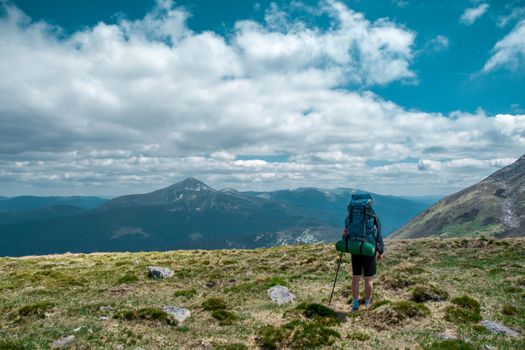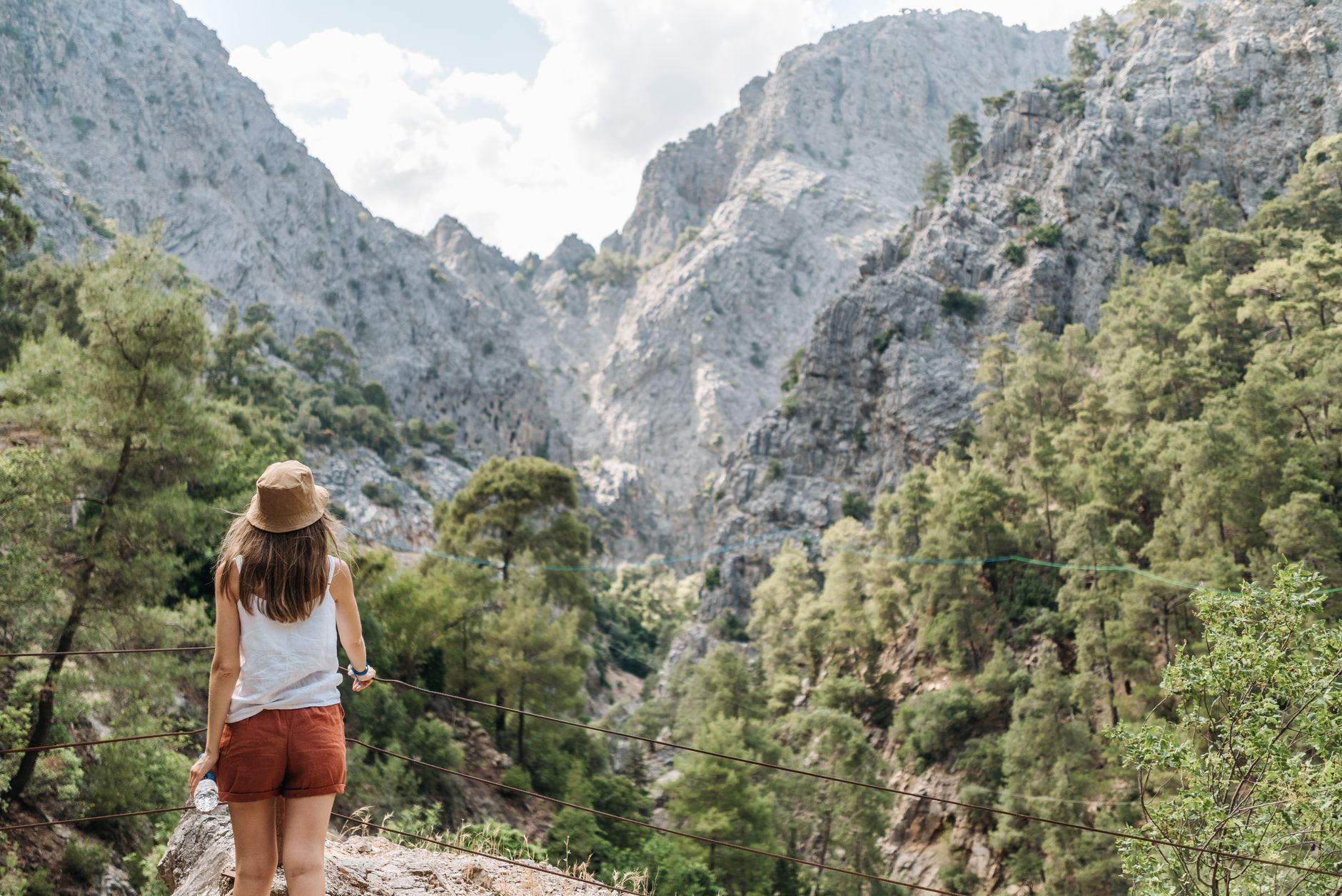
The relentless summer sun can be glorious, but let's be honest, sometimes it's just… too much. I remember one particularly sticky August in Rome, the air thick and heavy, the ancient stones radiating heat back at me. As much as I adore the Eternal City, all I could dream of was a cool breeze, the scent of pine, and a view that stretched forever. That's when it hit me: the mountains.
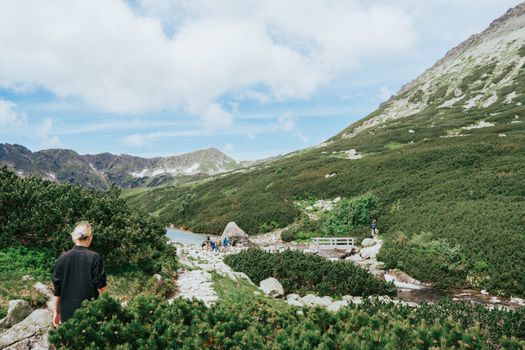
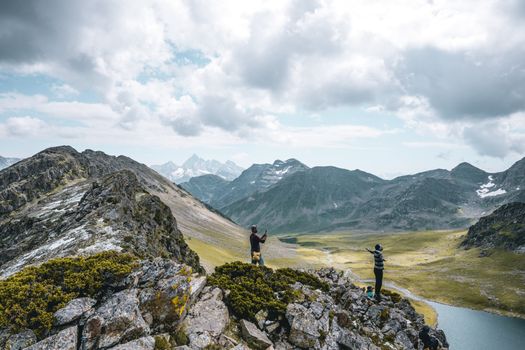
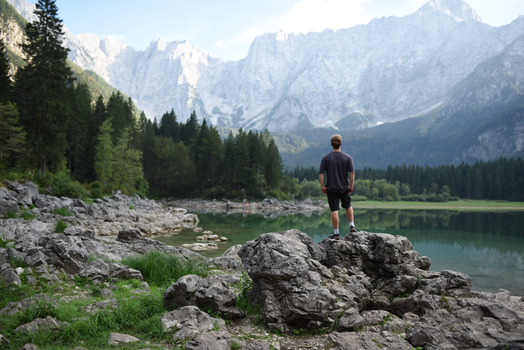
Mountains in summer are a revelation. They offer a sanctuary from the heat, a playground for adventure, and a canvas of unparalleled beauty. Far from being dormant, summer transforms these majestic giants into vibrant ecosystems teeming with wildflowers, crystal-clear lakes, and trails begging to be explored. Whether you're a seasoned trekker or simply crave a peaceful retreat with epic views, there’s a mountain escape calling your name.
I've been fortunate enough to chase that crisp mountain air across continents, and let me tell you, some places etch themselves into your soul. These aren't just trips; they're experiences that redefine awe, challenge your limits, and leave you feeling utterly alive. So, if you're ready to trade scorching sidewalks for alpine meadows and city noise for the symphony of nature, grab your virtual hiking boots. Here are 7 mountain destinations you absolutely need to experience before you die.
1. The Swiss Alps, Switzerland: Postcard Perfection & Alpine Dreams
If there's one place that epitomizes the "picture-perfect mountain escape," it's the Swiss Alps. And for good reason. My first glimpse of the Matterhorn from Zermatt was genuinely emotional – it was like stepping into a postcard, only infinitely more real and breathtaking. The air here is so pure it feels like it cleanses your lungs, and the views? They're simply unparalleled.
Why Summer in the Swiss Alps?
While famous for skiing, summer in Switzerland is magical. The snow melts to reveal emerald pastures, vibrant wildflowers bloom in profusion, and the extensive network of hiking trails opens up. Imagine riding a cogwheel train up to Gornergrat, sipping coffee while staring directly at the Matterhorn, or paragliding over Lauterbrunnen Valley, feeling like a bird soaring between giants.
My Personal Anecdote:
I remember a hike from Gimmelwald to Mürren, a relatively easy path that offered continuous, jaw-dropping views of the Eiger, Mönch, and Jungfrau. We stopped at a tiny, family-run restaurant for lunch – a hearty Rösti and local beer – and the only sound was the distant chime of cowbells. It was pure, unadulterated bliss.
Must-Do Experiences:
* Zermatt & The Matterhorn: Take the Gornergrat railway for iconic views. Hike to the Riffelsee for that classic Matterhorn reflection shot (early morning is best!).
* Jungfrau Region (Grindelwald, Lauterbrunnen, Mürren): Explore the "Top of Europe" (Jungfraujoch), hike through flower-filled valleys, or chase waterfalls. Schynige Platte offers incredible panoramic views and a beautiful botanical garden.
* Lake Geneva Region (Montreux/Vevey): Combine alpine beauty with lakeside charm. Explore vineyards and enjoy the warmer climate.
Practical Tips:
* Getting Around: Switzerland's public transport is legendary. Invest in a Swiss Travel Pass for unlimited train, bus, and boat travel, plus discounts on mountain railways.
* Accommodation: Zermatt and the Jungfrau Region offer everything from luxury hotels (e.g., The Omnia in Zermatt, Hotel Victoria Jungfrau Grand Hotel & Spa in Interlaken) to charming guesthouses and hostels. Book well in advance for summer. Expect mid-range hotels to start around $150-250/night, luxury much higher.
* Instagram Spot: The reflection of the Matterhorn in Riffelsee. Pure gold.
* Budget Hack: Stay in smaller towns like Gimmelwald or Wengen for more affordable options, and pack picnic lunches from local grocery stores.
2. The Dolomites, Italy: Rugged Beauty & Italian Charm
From the classic elegance of Switzerland, let's pivot to the dramatic, jagged spires of the Italian Dolomites. A UNESCO World Heritage site, these mountains are unlike any other, with their distinctive pale rock formations that glow a fiery orange at sunset (a phenomenon known as "Enrosadira"). This region combines incredible hiking with delicious Italian food and a unique Ladin culture.
Why Summer in the Dolomites?
Summer here is for adventurers and foodies alike. The extensive network of via ferratas (protected climbing routes) offers an exhilarating way to scale peaks, while countless hiking trails cater to all levels. After a day of exploring, you can indulge in hearty pasta, speck, and local wines in charming mountain huts (rifugi).
My Personal Anecdote:
I remember tackling a moderate hike to Lago di Braies (Pragser Wildsee), a stunning emerald lake nestled amongst towering peaks. The sheer beauty was overwhelming, but what truly stuck with me was the reward after a long day: a massive plate of casunziei (local ravioli) and a glass of crisp Pinot Grigio at a small rifugio. Hiking here feels earned, and the food tastes even better for it.
Must-Do Experiences:
* Tre Cime di Lavaredo: The iconic three peaks are a must-see. The loop hike around them is moderate and offers incredible views.
* Lago di Braies (Pragser Wildsee): Rent a rowboat on this emerald lake for an unforgettable experience and incredible photos.
* Seceda Ridgeline: Take a cable car up to this incredible ridgeline near Ortisei for arguably one of the most Instagrammable views in the world – dramatic, jagged peaks falling into green pastures.
* Via Ferratas: If you're adventurous, try a guided via ferrata. Equipment rental and guide services are widely available.
Practical Tips:
* Getting Around: A car is highly recommended for exploring the Dolomites, as public transport can be less frequent in remote areas.
* Accommodation: Base yourself in towns like Ortisei, Cortina d'Ampezzo, or Val Gardena. There are charming hotels, guesthouses, and apartments. Expect mid-range hotels to be around $120-200/night.
* Instagram Spot: Seceda Ridgeline, Lago di Braies with its boathouse, and the Tre Cime.
* Budget Hack: Stay in an agriturismo (farm stay) for an authentic and often more affordable experience. Many rifugios offer overnight stays for hikers.
3. The Canadian Rockies, Canada: Wilderness Grandeur & Turquoise Lakes
Prepare for scale. The Canadian Rockies are vast, wild, and utterly magnificent. Home to Banff, Jasper, Yoho, and Kootenay National Parks, this region in Alberta and British Columbia boasts turquoise lakes, towering glaciers, abundant wildlife, and endless adventure. It's the kind of place that makes you feel tiny in the best possible way.
Why Summer in the Canadian Rockies?
Summer is prime time. The famous glacial lakes – Lake Louise, Moraine Lake, Peyto Lake – are at their most vibrant, reflecting the surrounding peaks with an almost surreal intensity. The weather is generally warm and sunny, perfect for hiking, canoeing, wildlife viewing, and scenic drives.
My Personal Anecdote:
Canoeing on Lake Louise felt like paddling through a dream. The water was an impossible shade of blue, the Fairmont Chateau Lake Louise stood majestically on the shore, and the Victoria Glacier loomed in the distance. Later that day, driving the Icefields Parkway, we spotted a grizzly bear foraging by the roadside – a truly wild and humbling encounter.
Must-Do Experiences:
* Lake Louise & Moraine Lake: Arrive early or late to beat the crowds. Rent a canoe on Lake Louise (approx. CAD $135/hour).
* Icefields Parkway: Drive this scenic highway, stopping at viewpoints like Peyto Lake, the Athabasca Glacier, and numerous waterfalls.
* Hiking: Options range from easy strolls around lakes to multi-day backcountry treks. Consider Johnston Canyon for an accessible and beautiful walk to waterfalls.
* Wildlife Viewing: Keep an eye out for elk, deer, bighorn sheep, and bears (from a safe distance!).
Practical Tips:
* Getting Around: A car is essential for flexibility and exploring the vastness of the parks. You'll need a Parks Canada pass to enter.
* Accommodation: Banff and Jasper towns offer a range of options. Lake Louise has the iconic Fairmont Chateau (luxury, $500+/night) and a few more modest lodges. Book months in advance for summer, especially for popular spots. Mid-range hotels in Banff/Jasper start around $200-350/night.
* Instagram Spot: Moraine Lake's "Rockpile" viewpoint, the canoe dock at Lake Louise, and any vista along the Icefields Parkway.
* Budget Hack: Camp! Parks Canada campgrounds are well-maintained and offer a much more affordable way to stay. Book sites 4-6 months out.
4. Patagonia, Argentina & Chile: Wild Frontiers & Epic Treks
For the truly adventurous soul, Patagonia calls. Spanning the southern reaches of Argentina and Chile, this region is a land of untamed wilderness, dramatic granite spires, colossal glaciers, and windswept steppes. It's rugged, remote, and utterly magnificent – a place where you feel profoundly connected to the raw power of nature.
Why Summer in Patagonia?
While technically summer in the northern hemisphere, December to February is summer in Patagonia, offering the most favorable (though still unpredictable) weather for hiking and exploring. This is when the famous multi-day treks like the "W" circuit in Torres del Paine or the Fitz Roy trek in El Chaltén are at their best.
My Personal Anecdote:
Hiking to Laguna de los Tres in El Chaltén, Argentina, to see Mount Fitz Roy was one of the most challenging yet rewarding experiences of my life. The final ascent was a scramble over loose rock, the Patagonian wind threatening to rip my hat off. But standing there, watching the sunrise paint Fitz Roy's spires in hues of pink and orange, with the glacial lake below – it was a moment of pure, overwhelming triumph and beauty.
Must-Do Experiences:
* Torres del Paine National Park, Chile: Trek the "W" or "O" circuit, or take day hikes to the iconic Torres del Paine towers or French Valley.
* El Chaltén, Argentina: The "National Trekking Capital" offers world-class day hikes to Mount Fitz Roy and Cerro Torre.
* Perito Moreno Glacier, Argentina: Witness the thunderous calving of this active glacier near El Calafate. Take a boat trip or even a mini-trek on the ice.
* Wildlife: Spot guanacos, condors, and if you're lucky, pumas.
Practical Tips:
* Getting Around: Buses connect major towns. For national parks, guided tours or private transfers are common. Renting a car gives flexibility but can be expensive.
* Accommodation: El Chaltén and Puerto Natales (gateway to Torres del Paine) offer hostels, guesthouses, and some hotels. Expect hostels from $25/night, mid-range hotels from $100-200/night. Book well in advance for peak season.
* Instagram Spot: The Torres del Paine towers at sunrise, the Fitz Roy massif from Laguna de los Tres, and the vast expanse of Perito Moreno Glacier.
* Budget Hack: Camp! Designated campsites are available in national parks and near trekking hubs. Bring your own tent and cooking gear to save significantly.
5. The Julian Alps, Slovenia: Emerald Rivers & Hidden Gems
If you're looking for an incredible mountain escape that offers all the beauty of the Alps without the Swiss price tag or the Canadian crowds, look no further than Slovenia's Julian Alps. This small but mighty country is a true hidden gem, boasting pristine emerald rivers, dramatic peaks, and charming alpine villages.
Why Summer in the Julian Alps?
Summer here is simply idyllic. The weather is warm enough for swimming in glacial lakes like Bled and Bohinj, the hiking trails in Triglav National Park are open, and the Vintgar Gorge offers a refreshing walk along a turquoise river. It's a paradise for outdoor enthusiasts, offering kayaking, rafting, canyoning, and cycling.
My Personal Anecdote:
One of my favorite memories was kayaking on Lake Bohinj, a quieter, wilder alternative to Lake Bled. The water was so clear you could see the stones on the bottom, and the surrounding mountains felt like protective giants. After a morning on the water, we hiked to the Savica Waterfall, feeling completely immersed in nature's embrace. The best part? A delicious, affordable lunch of local štruklji (dumplings) at a lakeside restaurant.
Must-Do Experiences:
* Lake Bled: Row a traditional pletna boat to the island church, visit Bled Castle, and hike or bike around the lake. Don't forget to try the famous Bled Cream Cake!
* Lake Bohinj & Triglav National Park: Explore Slovenia's largest natural lake, hike to Savica Waterfall, or take the Vogel cable car for panoramic views of the Julian Alps.
* Soča Valley: Known as the "Emerald River," the Soča offers incredible opportunities for rafting, kayaking, and canyoning in unbelievably clear waters.
* Vintgar Gorge: A stunning 1.6 km walk along wooden walkways through a narrow gorge, with the Radovna River rushing below.
Practical Tips:
* Getting Around: A car offers the most flexibility, especially for exploring Triglav National Park. Buses connect major towns like Bled and Bohinj to Ljubljana.
* Accommodation: Bled and Bohinj offer a range of hotels, apartments, and campsites. Expect mid-range hotels to be around $90-180/night, making it very budget-friendly compared to other alpine destinations.
* Instagram Spot: The church on Bled Island, the views from Bled Castle, and the vibrant turquoise of the Soča River.
* Budget Hack: Stay in hostels or private apartments. Eat at local gostilnas (inns) for authentic and affordable Slovenian cuisine. Many activities like hiking are free!
6. Rocky Mountain National Park, USA: High-Altitude Majesty & Wildlife Encounters
Back to North America for another epic mountain escape: the Rocky Mountain National Park in Colorado. This park is a high-altitude wonderland, renowned for its dramatic peaks, alpine tundra, clear lakes, and abundant wildlife. It’s a quintessential American wilderness experience.
Why Summer in Rocky Mountain National Park?
Summer is the only time the iconic Trail Ridge Road (the highest continuous paved road in North America) is fully open, allowing access to the alpine tundra and breathtaking vistas. The weather is generally sunny and warm in the valleys, but expect cooler temperatures and afternoon thunderstorms at higher elevations. It’s ideal for hiking, fishing, and wildlife spotting.
My Personal Anecdote:
Driving Trail Ridge Road was an experience in itself. As we ascended, the trees thinned, giving way to an otherworldly landscape of stunted plants and panoramic views. We stopped at a pull-off, and within minutes, a herd of majestic elk ambled across the tundra, completely unfazed by our presence. It felt like stepping into a nature documentary, a vivid reminder of the wild heart of America.
Must-Do Experiences:
* Trail Ridge Road: Drive the entire length, stopping at numerous overlooks. It’s an engineering marvel and offers incredible scenery.
* Hiking: Explore trails around Bear Lake, Emerald Lake, or challenging climbs like Longs Peak (for experienced mountaineers).
* Wildlife Viewing: Keep an eye out for elk (especially in Moraine Park and Horseshoe Park), bighorn sheep, moose, and marmots.
* Estes Park: The charming gateway town offers shops, restaurants, and a historic ambiance.
Practical Tips:
* Getting Around: A car is essential. During peak summer, the park implements a timed entry permit system, so book your slot well in advance (often months ahead).
* Accommodation: Estes Park is the main base, offering hotels, cabins, and vacation rentals. Expect mid-range hotels to start around $180-300/night. Inside the park, camping is an option but also requires early reservations.
* Instagram Spot: The views from the Alpine Visitor Center on Trail Ridge Road, Bear Lake, and Sprague Lake.
* Budget Hack: Pack your own food and water. Many hikes are free, and a national park pass covers entry for a year.
7. Bhutan, Himalayas: Spiritual Peaks & Cultural Immersion
For an experience that transcends mere travel, head to the Kingdom of Bhutan. Nestled in the Himalayas, this tiny nation prioritizes Gross National Happiness and offers an unparalleled blend of stunning mountain scenery, rich Buddhist culture, and a profound sense of peace. It's not just a mountain escape; it's a spiritual journey.
Why Summer in Bhutan?
While the monsoon season can bring rain, early summer (June) or late summer (September) can offer lush green landscapes, fewer crowds, and clearer views of the majestic Himalayan peaks. The lower valleys are vibrant, and the cultural festivals (Tshechus) held during these months are truly spectacular. The cool mountain air is a welcome respite from the heat of other regions.
My Personal Anecdote:
Hiking up to Paro Taktsang, the "Tiger's Nest" monastery, clinging precariously to a cliff face, was both physically demanding and incredibly spiritual. Each step felt like a pilgrimage. Reaching the monastery, enveloped by clouds and silence, staring at the intricate frescoes, I felt a sense of calm and wonder I've rarely experienced. It was a moment of profound connection between nature and spirituality.
Must-Do Experiences:
* Tiger's Nest Monastery (Paro Taktsang): The iconic hike and visit to this sacred site is non-negotiable.
* Punakha Dzong: Explore this magnificent fortress, often considered the most beautiful in Bhutan, situated at the confluence of two rivers.
* Thimphu: Discover the capital city, visit the Buddha Dordenma statue for panoramic views, and explore local markets.
* Trekking: Opportunities range from gentle day hikes to multi-day treks like the Druk Path Trek, offering incredible views of the Himalayas.
Practical Tips:
* Getting Around: All travel to Bhutan must be arranged through a licensed tour operator. The "Sustainable Development Fee" (SDF) of USD $100 per person per night (as of 2023) covers various costs and contributes to the country's development. This makes Bhutan a luxury destination, but it ensures high-quality experiences and sustainable tourism.
* Accommodation: Your tour operator will arrange accommodation, typically in charming hotels and guesthouses that reflect Bhutanese architecture and hospitality.
* Instagram Spot: Tiger's Nest Monastery, Punakha Dzong, and any viewpoint showcasing the terraced fields and Himalayan backdrop.
* Budget Hack: While the SDF is fixed, travel during the shoulder seasons (early June, late September) can sometimes offer slightly better package deals from tour operators, and you avoid the busiest crowds.
General Tips for Your Summer Mountain Escape:
- Layer Up: Mountain weather is notoriously fickle. Even on a sunny summer day, temperatures can drop rapidly, especially at higher elevations or when clouds roll in. Pack layers: base layer, fleece, and a waterproof/windproof outer shell.
- Sturdy Footwear: Comfortable, broken-in hiking boots are non-negotiable for trails.
- Sun Protection: Sunscreen, sunglasses, and a wide-brimmed hat are essential, as UV radiation is stronger at altitude.
- Hydrate: Carry plenty of water, even on short hikes.
- Tell Someone: Always inform someone of your hiking plans and expected return time.
- Leave No Trace: Pack out everything you pack in. Stay on marked trails. Respect wildlife.
- Book Ahead: Especially for popular destinations and during peak summer, accommodations, tours, and even national park entry permits can sell out months in advance.
Ready to Chase the Cool Breeze?
From the iconic peaks of the Swiss Alps to the spiritual serenity of the Himalayas, and the wild grandeur of Patagonia, these mountain destinations offer more than just a break from the heat – they offer a profound connection to nature, thrilling adventures, and views that will truly take your breath away. Each one is a unique chapter in the grand book of travel, waiting for you to write your story.
So, stop dreaming about escaping the summer swelter and start planning your next epic adventure. Which mountain destination will you conquer first? Share your dreams in the comments below, and don't forget to tag #TripsoraMountains in your future adventures!