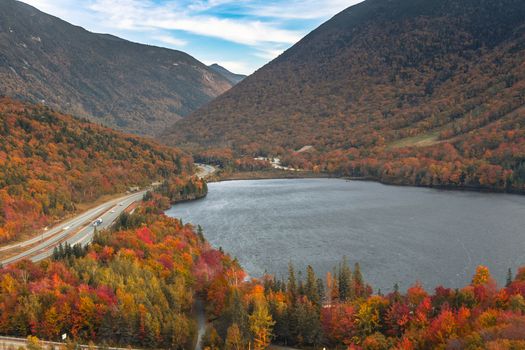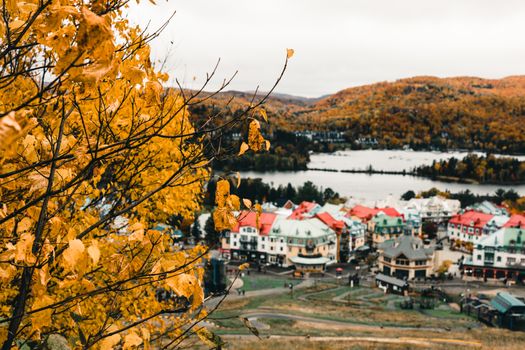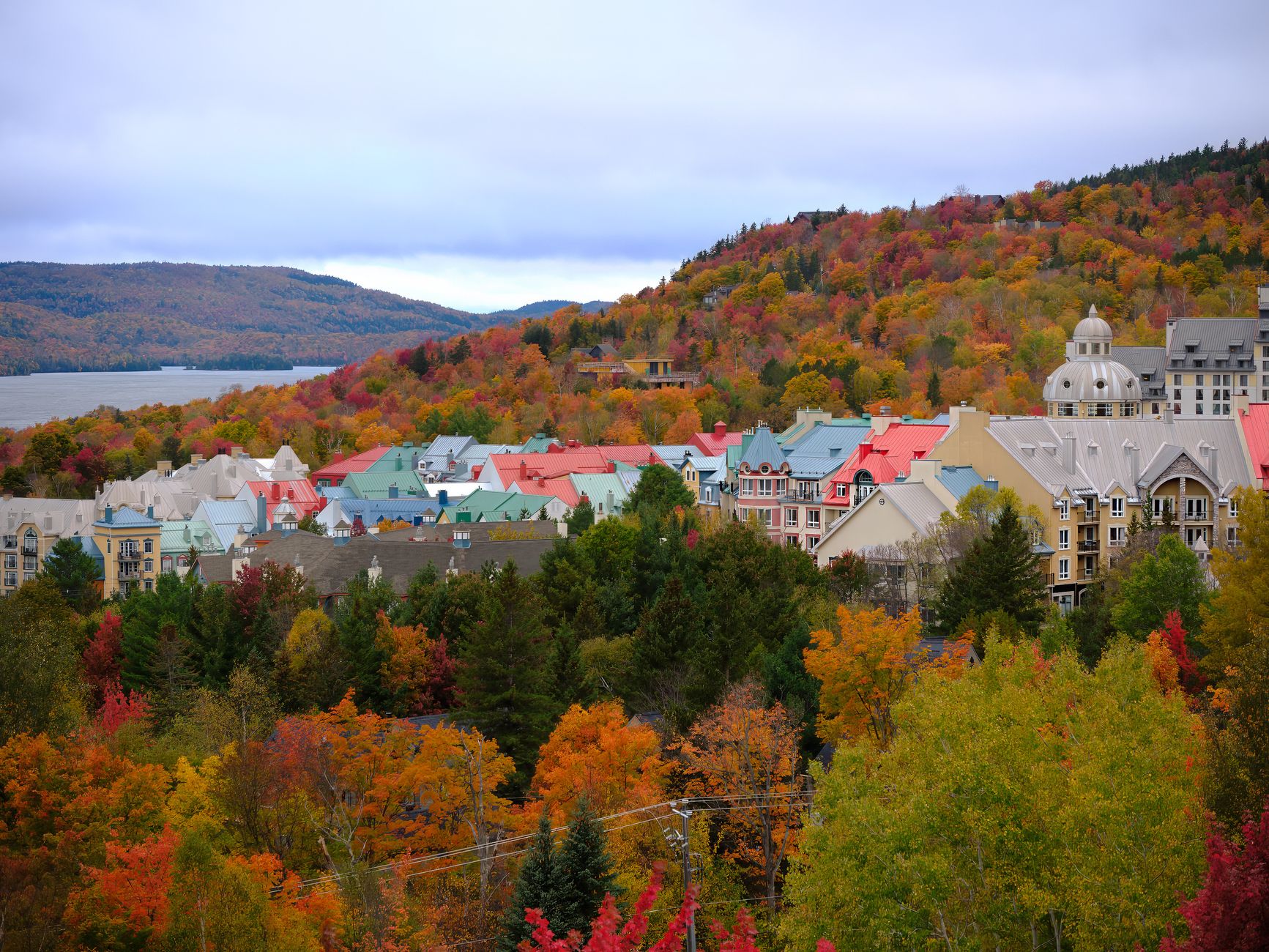
For many travelers, September and the weeks around it mark a transition in the mountains. Summer crowds thin, nights become cooler, and in some regions the first colors appear on larch, birch, beech and maple. The conditions can be appealing for walkers, photographers and anyone who prefers quieter trails. At the same time, early autumn brings its own uncertainties, including sudden weather changes and the closure of some high-altitude facilities. A well-planned trip takes both the benefits and the limits into account.
This guide outlines the types of mountain regions that suit an early autumn trip and the practical points to consider before booking. Specific conditions change from year to year, so details such as trail status and lodging openings should always be checked close to the travel date.
Why Early Autumn Works for Mountains
Shoulder seasons, the periods between peak summer and deep winter, often give travelers a more relaxed experience. Accommodation may be easier to find, and some popular viewpoints feel less busy. Many hiking routes remain fully accessible well into autumn, particularly at lower and middle elevations. Days are shorter than in midsummer, so it is important to plan walks with daylight in mind, but the cooler air can make long climbs more comfortable.
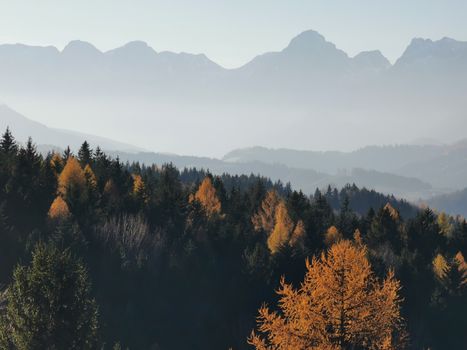
Early autumn is also a good time for landscape photography in many areas. Low-angle light, morning mist in valleys and changing vegetation can create strong images. Because conditions shift quickly, flexible itineraries that allow a day to be rearranged around the weather usually work best.
Regions Often Recommended
Mountain regions frequently suggested for autumn include the Dolomites in northern Italy, the Swiss Alps, the Austrian Tyrol, the Pyrenees, the Scottish Highlands and the Rocky Mountains in North America. Each offers a different character. The Dolomites are known for their dramatic rock formations and well-marked trail networks. The Swiss Alps combine high passes, lakes and villages with a strong public transport system. The Scottish Highlands offer rugged scenery and a slower pace, with weather that can change within a single day.
Smaller ranges and national parks can also be rewarding. Many regions have local tourism offices that publish seasonal guidance on which trails and huts are open and which are closing for the season, and these resources are often more reliable than general travel articles.
Hiking Routes and Trail Conditions
Choosing a route depends on fitness, experience and the time available. Lower valley walks are generally more forgiving, while high routes may involve exposed sections, snow patches or steep scree even in early autumn. Check whether mountain huts or refuges are still operating, as many close for the season at varying dates. Trail markings and signage can also change after storms, so reviewing recent updates from park authorities is sensible.
Carrying a map or offline navigation tool is wise, and it helps to share your plans with someone who is not on the trip. Start walks early in the day to allow time for weather changes and to make the most of cooler morning air.
Lodging and Getting Around
Accommodation options in early autumn range from traditional guesthouses and farm stays to hotels in larger villages. Some properties close for a few weeks between seasons, so confirm opening dates before booking. Booking directly with the property can clarify whether meals, heating and luggage transfers are included. Public transport in alpine regions is often good in the main valleys but may run less frequently in the shoulder season, so check timetables for any buses or trains you intend to use. A car provides flexibility, though some mountain roads have narrow sections and weather restrictions.
Practical Tips
Pack for a range of temperatures, including a warm mid-layer, a waterproof shell and gloves for early mornings or high viewpoints. Choose footwear with good grip, as leaves, wet rock and mud can be slippery. Check the local weather forecast each day, and pay attention to official warnings about storms or snow at altitude. Carry enough food and water for the day, since some huts and kiosks may be closed. Keep a note of emergency numbers and the location of the nearest medical facility.
Common mistakes to avoid
Planning long days based on summer daylight is an easy error, since sunset can arrive much earlier in autumn than many travelers expect. Choosing a route by its name or photographs, rather than its current status, can lead to disappointment when a section is closed. Some visitors pack only for mild afternoons and then face a cold, windy morning at altitude. Relying on a single bus connection in a small valley can leave you stranded if timings have changed. Others assume that a cable car or lift listed on a website will be running on the day, without checking. People also sometimes underestimate how quickly a valley trail becomes a rough ascent, and set out with too little water and no backup plan. A realistic turnaround time, a flexible schedule and a lower-altitude alternative walk help avoid these problems.
Who this suits and who it doesn't
Early autumn in the mountains suits walkers, photographers and people who enjoy quieter routes and cooler air. It can suit couples, solo hikers with some experience and small groups who are comfortable adapting plans. It is less suitable for people who need guaranteed transport and full services at every stop, for those new to altitude and exposed terrain without a guide, and for anyone who needs fully accessible routes. Families with young children may prefer lower valleys, where paths are wider and shelter is easier to reach. Those who enjoy lively nightlife and busy summer festivals may find the season quieter than they expect.
Frequently asked questions
Is early autumn always better than summer in the mountains?
Not always. It can be quieter and cooler, but some services close and the weather can be less settled, so the trade-off depends on your priorities.
Do I need a guide?
Not for every route. A guide is useful on unfamiliar terrain, exposed sections or routes where snow may appear, and many operators offer half-day sessions.
Is a car essential?
It can make trailheads easier to reach, but mountain roads may be narrow or restricted in bad weather, so check whether a bus or taxi option exists as well.
Early autumn can be one of the most rewarding times to visit mountain regions, offering quieter paths, changing scenery and comfortable temperatures for walking. Careful planning around weather, trail status and lodging openings allows you to enjoy the season with confidence and flexibility.