Beyond the Postcard: 5 Shocking Local Customs That Changed My Life Forever
I remember my first "aha!" moment in travel like it was yesterday. I was a fresh-faced backpacker in Southeast Asia, convinced I knew it all because I’d read a few guidebooks. Then, in a tiny village in Laos, I accidentally committed a major faux pas by pointing with my foot – a gesture considered incredibly rude. The silence that followed, the subtle shift in the villagers’ expressions, hit me harder than any lecture. It was a profound, humbling realization: travel isn't just about seeing sights; it's about connecting with people, and to do that, you need to understand their world, not just observe it.
That moment sparked a lifelong obsession. I started seeking out not just destinations, but experiences – the kind that push you out of your comfort zone and force you to see things differently. Over the years, I’ve stumbled upon countless local customs that initially surprised me, sometimes even shocked me. But in every instance, they offered a window into a different way of living, a different way of thinking, and ultimately, a different way of being. These aren't just quaint traditions; they're profound life lessons wrapped in everyday rituals.
Today, I want to share five of these unforgettable customs that didn't just surprise me, they truly changed my life forever. Prepare to have your mind opened, your heart touched, and perhaps, your next travel itinerary inspired.
1. The Profound Power of Silence: Mindful Meals in Okinawa, Japan
My journey to Okinawa, Japan, was initially driven by a desire for pristine beaches and unique island culture. What I didn’t expect was to find one of the most transformative dining experiences of my life, centered not around exotic flavors (though there were plenty!) but around the profound power of silence.
I was staying at a traditional ryokan (Japanese inn) in a small village, and part of the experience included a multi-course kaiseki dinner. As the first delicate dishes were served – slivers of fresh sashimi, perfectly grilled fish, and vibrant pickled vegetables – I noticed something unusual. There was very little conversation. People ate slowly, deliberately, almost reverently. My initial instinct, as a Westerner accustomed to lively dinner chatter, was to fill the void. I started to lean over to my partner to whisper a comment about the deliciousness of the goya champuru (Okinawan stir-fry). But before I could, I caught the eye of our hostess, who offered a gentle, almost imperceptible nod towards the other diners, then a soft smile. It was a silent invitation to observe, to participate.
I took a deep breath and tried it. I focused on the intricate presentation of each dish, the subtle textures, the nuanced flavors. I noticed the quiet clinking of chopsticks, the rustle of kimonos, the gentle sounds of the garden outside. The silence wasn't awkward; it was full. It was a silence of gratitude, of presence, of respect for the food, the preparers, and the shared moment.
This custom taught me the immense value of mindfulness, not just in eating, but in all aspects of life. Back home, meals often become background noise to conversations, screens, or worries. In Okinawa, I learned to truly experience my food, to appreciate the nourishment, and to connect with the present moment in a way I hadn't before. It wasn't about being quiet; it was about being fully there.
Practical Tip:
When dining in Japan, especially in traditional settings or smaller local eateries, observe the locals. If they’re eating quietly, embrace the moment. Focus on your food, its flavors, and the experience. It’s a wonderful way to practice mindfulness. Consider taking an Okinawan cooking class (often around ¥5,000-8,000, or $35-55 USD) to learn the art of preparation, which further enhances appreciation for the meal.
2. The Art of Reciprocal Hospitality: The Endless Tea in Marrakech, Morocco
Stepping into the labyrinthine souks of Marrakech was like entering another dimension – a symphony of vibrant colors, exotic scents, and the rhythmic calls of vendors. But it was the ubiquitous offer of mint tea that truly shifted my perspective on generosity and connection.
I was attempting to navigate a particularly bustling section of the souk, feeling overwhelmed and slightly lost, when a rug merchant called out to me. "My friend! Come, come, no pressure, just tea!" My cynical Western brain immediately thought, "Here we go, the hard sell." But I was also parched, so I hesitantly accepted.
He led me into his small, dimly lit shop, cleared a space among piles of exquisite carpets, and gestured for me to sit on a cushioned bench. Almost immediately, a young boy appeared with a tray bearing a silver teapot and three ornate glasses. The merchant poured the tea from a height, creating a beautiful foam, and offered me the first glass. It was sweet, refreshing, and utterly delicious.
We talked for nearly an hour. About his family, about my travels, about life. We didn't talk about rugs until I asked about them. He insisted on refilling my glass, again and again, each time with a warm smile. I kept trying to pay, to offer something in return, but he would simply wave his hand, "No, no, this is hospitality. You are our guest."
This wasn't just a sales tactic; it was a deeply ingrained cultural custom of reciprocal hospitality. The act of offering tea, of sharing time, was a gift in itself, a way of building connection and trust. I ended up buying a small, intricately woven rug from him, not because I felt pressured, but because I genuinely wanted to support someone who had shown me such warmth and kindness. The price, after some good-natured haggling (which is also part of the dance, a way of showing respect for the item's value), felt fair and earned.
The experience taught me to embrace generosity without immediate expectation of return, to truly receive a gift, and to understand that sometimes, the greatest transactions are not monetary but relational. It also taught me that haggling in places like the souks isn't about being cheap; it's about engaging in a cultural dance, a friendly negotiation that builds rapport.
Practical Tip:
When offered tea in Morocco (or many other Middle Eastern/North African countries), always accept. It's a sign of respect. Don't feel obligated to buy, but engage in genuine conversation. If you do decide to buy, enjoy the process of friendly negotiation; it’s part of the experience and a way to connect with the vendor. A good starting point for haggling is usually around 50% of the initial asking price, aiming to settle around 60-70%.
3. The Art of Slow Living and Community: The Passeggiata in Southern Italy
My trip through Puglia, Italy, was a revelation in many ways, but nothing quite prepared me for the profound impact of the passeggiata – the evening stroll. In my fast-paced Western world, walking is often a means to an end, a way to get from point A to point B efficiently. In Southern Italy, it is an art form, a social ritual, and a celebration of life itself.
I was staying in Ostuni, the "White City," a stunning hilltop town with narrow, winding streets. Around 6 PM, as the golden hour light began to bathe the white-washed buildings, something magical happened. Families emerged from their homes, dressed in their finest, and began to walk. Not power-walking, not rushing, but strolling. Arm in arm, hand in hand, often in multi-generational groups. Grandparents pushed strollers, teenagers flirted, and children chased pigeons in the piazza. Everyone greeted everyone else – "Ciao! Come stai?" – with genuine smiles and brief exchanges.
Initially, I found myself trying to "do" the passeggiata. I’d walk with a purpose, checking my phone, feeling a slight impatience. But after a few evenings of observing, I let go. I started to simply be. I’d buy a gelato (a scoop usually costs €2-3) and join the flow, allowing myself to be swept up in the gentle rhythm. I watched, I smiled, I absorbed. I saw elderly couples holding hands, young lovers stealing glances, and neighbors stopping for animated conversations that lasted for what seemed like hours.
This custom taught me the profound beauty of slowing down, of prioritizing human connection and simple pleasures over productivity and endless tasks. It showed me that community isn't built through scheduled events, but through shared moments, spontaneous interactions, and the simple act of being present with one another. It shifted my understanding of time from a linear, scarce resource to a fluid, abundant gift. Back home, I now consciously carve out time for my own "passeggiata" – a technology-free walk with loved ones, simply to connect and enjoy the moment.
Practical Tip:
Embrace the passeggiata culture in Italy. Dress nicely (even for a stroll!), buy a gelato or an aperitivo, and simply walk. Observe, greet people, and allow yourself to be part of the flow. Don't rush. This is also a fantastic way to experience local life and feel like a true part of the community, especially in smaller towns like Matera or Lecce.
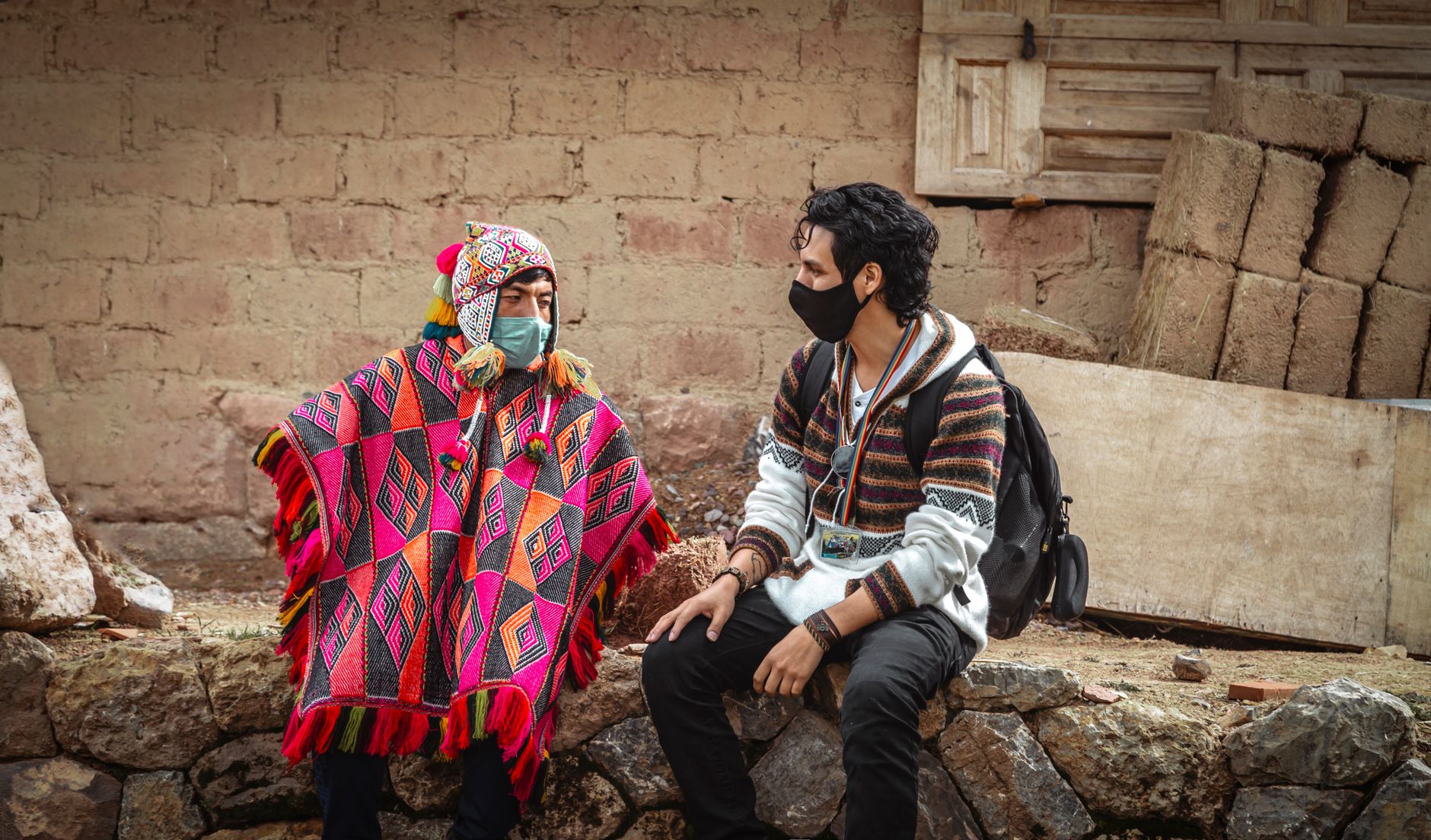
4. The Sacredness of Nature & Reciprocity: Pachamama in the Peruvian Andes
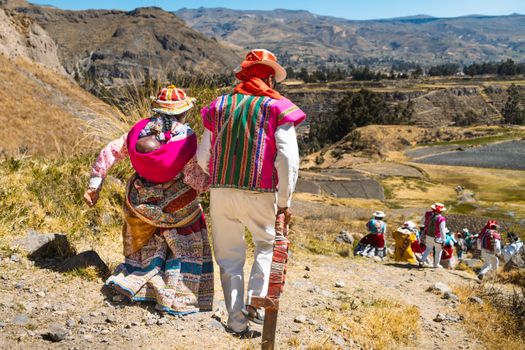
My trek through the Sacred Valley of Peru, leading up to Machu Picchu, was already an awe-inspiring journey through breathtaking landscapes. But it was the deep-seated reverence for Pachamama (Mother Earth) and the concept of Ayni (reciprocity) that truly transformed my relationship with the natural world.
Our local Quechua guide, a wise and gentle man named Mateo, would often pause during our hikes, not just for a rest, but for a ritual. Before we ate, before we drank, and especially before ascending a particularly challenging pass, he would take a few coca leaves from his pouch. He would hold them carefully, whisper a prayer in Quechua, and then place them gently on the ground, sometimes burying them slightly. "For Pachamama," he would explain. "For her strength, her generosity. We ask for her blessing, and we give thanks."
I’d seen people chew coca leaves before (they help with altitude sickness and provide a mild energy boost), but I hadn't understood the spiritual significance. Mateo patiently explained Ayni – the fundamental Andean principle of reciprocity. If you receive, you must give back. If you take from the earth, you must offer gratitude and respect. It wasn't just a belief; it was a way of living, woven into every interaction with the land, with each other, and with the spirits.
Participating in these small, heartfelt ceremonies, offering my own handful of coca leaves (purchased cheaply in local markets, often just a few soles), I felt an incredible connection to the earth beneath my feet. It wasn't just a trail; it was a living entity, a source of life and wisdom. This custom shattered my Western, often consumerist, view of nature as something to be used or conquered. Instead, I learned to see it as a sacred partner, deserving of profound respect and gratitude. It shifted my perspective from "taking" from nature to "being in reciprocal relationship" with it.
Practical Tip:
When traveling in the Andes, particularly in indigenous communities, show respect for Pachamama. If you're offered coca leaves, accept them respectfully. Consider carrying a small bag of your own to offer at significant points during your trek – it's a powerful gesture of connection. Hiring a local guide (a day trek or cultural tour can range from $50-150 USD) is invaluable for understanding these deep-rooted traditions. Always ask permission before taking photos of people or sacred sites.
5. The Uninhibited Joy of Spontaneous Celebration: Dancing in Salvador, Brazil
Brazil is known for its vibrant culture, its music, and its infectious joy. But it was in Salvador, Bahia, a city steeped in Afro-Brazilian heritage, that I encountered a custom of spontaneous, uninhibited celebration that profoundly changed my relationship with joy and self-expression.
I arrived in Salvador during a seemingly "off-season" week, not during Carnival. Yet, one evening, as I was walking through the historic Pelourinho district, the air suddenly vibrated with the sound of drums. Not distant music from a club, but live, raw, powerful percussion spilling out from a narrow alleyway. My curiosity piqued, I followed the sound.
I found myself in a small, cobblestone square, where dozens of people – young, old, families, friends – were dancing. Not choreographed, professional dancing, but free, joyful, passionate movement. A group of drummers, sweat glistening on their skin, played with incredible energy, and people simply moved. Some were incredible dancers, others less so, but everyone was smiling, laughing, and completely absorbed in the moment. I felt like an awkward outsider, clutching my caipirinha (around R$15-30, or $3-6 USD), unsure how to join.
Then, a woman with a magnificent smile, her vibrant dress swirling around her, simply grabbed my hand and pulled me into the circle. She didn't speak much English, and my Portuguese was rudimentary, but her message was clear: "Dance!" For a moment, my self-consciousness flared. I'm not a dancer. I'm usually reserved. But looking at her infectious joy, I decided to let go. I stumbled, I laughed, I tried to mimic her movements, and slowly, something shifted. The music seeped into my bones, the collective energy lifted me, and I felt an unadulterated, pure joy I hadn't experienced in years.
This custom taught me that joy isn't something to be reserved for special occasions or to be expressed perfectly. It's a fundamental human right, a spontaneous overflow of life that can erupt anywhere, anytime. It taught me to shed my inhibitions, to embrace imperfection, and to connect with others through the universal language of rhythm and movement. It was a powerful lesson in letting go and fully immersing myself in the present moment, something I now consciously strive for in my daily life.
Practical Tip:
In Brazil, particularly in culturally rich cities like Salvador or Rio, be open to spontaneous moments of music and dance. Don't be afraid to join in! Even if you feel awkward, your willingness to participate will be appreciated. Learn a few basic samba steps beforehand if you like, but mostly, just let the music move you. Look for local drumming groups or rodas de samba (samba circles) that often pop up in neighborhoods.
The Unseen Gifts of Travel: My Transformation
These five customs, from the quiet reverence of an Okinawan meal to the joyous chaos of a Brazilian street party, are just a handful of the countless moments that have shaped me as a traveler and as a person. They taught me that true travel isn't about ticking off landmarks; it's about opening your heart and mind to the myriad ways humanity experiences life. It's about letting unfamiliar customs challenge your preconceived notions and, in doing so, expand your own capacity for understanding, empathy, and joy.
I've learned to be more present, more generous, more patient, more respectful of nature, and more willing to embrace uninhibited joy. These aren't just travel stories; they're blueprints for a more fulfilling life.
So, the next time you plan a trip, look beyond the obvious. Dig a little deeper. Research the local customs, not just the tourist traps. Be open to surprise, to discomfort, to moments that might make you feel awkward but ultimately lead to profound understanding. Because it’s in those unexpected encounters, those moments of genuine cultural immersion, that travel truly changes your life forever.
What local customs have surprised you and left a lasting impact? Share your stories in the comments below! And if these insights inspired you, don't forget to share this post with your fellow wanderlusters!