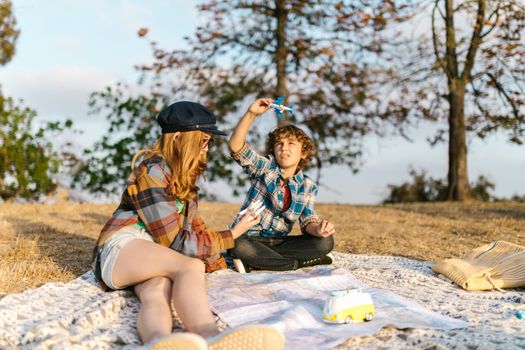
Teen Travel Takedown: Taming Teens Who Hate Everything Trending!
Oh, the dreaded family vacation. For years, it was a highlight: excited kids, shared wonder, and memories forged in sun-drenched moments. Then, they became teenagers. Suddenly, every suggestion is met with a sigh, every popular landmark is "so basic," and every attempt at family bonding feels like pulling teeth from a very stubborn dragon.
Sound familiar?
I remember our first attempt at a "teen-friendly" trip to Paris. I pictured us strolling hand-in-hand along the Seine, them marveling at the Eiffel Tower, perhaps even a shared croissant moment. What I got instead was a continuous stream of complaints about the crowds, the "touristy" vibe, and how "everyone takes that picture, Mom." My carefully curated itinerary, designed around all the trending spots I saw on Instagram, was a spectacular flop. My daughter, Maya, then 15, found solace only in the obscure back alleys, complaining loudly about the "influencer vibe" of the Louvre. My son, Leo, 17, spent most of his time trying to find reliable Wi-Fi for his gaming group, occasionally grunting approval for a particularly good baguette.
I was heartbroken, frustrated, and ready to throw in the towel. But then, it hit me: I was doing it all wrong. I was planning for my idea of a perfect trip, or worse, for what I thought they should like, based on what was popular. I wasn't planning for them – the wonderfully complex, often contradictory, and fiercely independent creatures who had suddenly decided that anything trending was inherently uncool.
And that, my friends, is the secret weapon for traveling with teenagers who hate everything that's trending right now: stop trying to be trendy.
It’s time to ditch the Instagram-perfect itinerary and embrace the wonderfully weird, authentic, and sometimes gloriously un-photogenic side of travel. Here’s how we turned our family travel woes into genuine wins, and how you can too.
1. The "Why" Behind the Eye-Roll: Understanding the Teen Brain
Before you can tackle the logistics, you need to understand the psychology. Why do teenagers seem to actively reject anything popular or "cool"?
It’s often a cocktail of factors:
- Identity Formation: Teens are desperately trying to figure out who they are, and often, that means differentiating themselves from their parents, their peers, and popular culture. If something is trending, it feels less unique, less "theirs."
- Need for Authenticity: They have an incredibly finely tuned BS detector. They can spot a manufactured experience a mile away. Overly curated, "for-the-gram" moments often feel inauthentic to them.
- Desire for Control: Their lives are largely controlled by adults – school, rules, schedules. Travel offers a chance to exert some autonomy. When you dictate every step, you trigger resistance.
- Peer Influence (or lack thereof): While some teens follow trends, others define themselves by not following them. For the "anti-trend" teen, being seen at a viral spot might feel embarrassing or unoriginal.
- Sensory Overload: Crowds, noise, constant stimulation – what might be exciting for you can be overwhelming for a developing brain.
Actionable Tip:
Instead of taking it personally, reframe their resistance as a sign of their developing independence and desire for genuine experiences. Acknowledge their feelings, even if you don't fully understand them. "I get that this might feel a bit crowded/touristy, but let's see if we can find something cool within it, or something totally different later."
2. The Co-Creation Crucible: Involving Them From the Start
This is perhaps the most crucial step. If they feel like passive participants in your vacation, they'll act like it. Give them agency.
For our last trip to Lisbon, I sat Maya and Leo down with a blank map and a few broad suggestions. "Okay, we're going to Lisbon. Here are some flight dates. What do you want to do, see, or eat?"
The initial response was, of course, silence, followed by "I don't care." But I persisted. I showed them a few photos, not of the main tourist attractions, but of street art, quirky cafes, and local markets. I then gave them specific "jobs."
- Maya's Mission: Find one non-touristy food experience and one unique art/culture activity.
- Leo's Quest: Research the best way to get around (public transport, walking, scooters) and find one adventurous activity (like surfing or kayaking).
I also gave them a "veto card." Each teen got one "NO!" for any activity I suggested. This small piece of control was transformative. Maya used hers on a Fado show ("too sad, Mom"), and Leo used his on a walking tour of historic churches ("I'd rather walk into the ocean"). And you know what? It was fine. We found other things.
Specifics & Prices:
* Collaborative Planning: Give them a budget slice. "You have €50 to plan one afternoon's activity for the family." This empowers them.
* Accommodation Choice: Let them weigh in on where you stay. A cool Airbnb in a vibrant, less-touristy neighborhood (like Graca or Alcântara in Lisbon, or Kreuzberg in Berlin) might resonate more than a sterile hotel. We found an amazing Airbnb in Lisbon's Alfama district for around €120/night that had a rooftop terrace and felt incredibly authentic.
Anecdote:
Maya, armed with her "food mission," discovered a small, family-run Tasca (traditional Portuguese eatery) tucked away on a side street. It was tiny, bustling, and served the most incredible grilled sardines I've ever tasted. Not a single tourist in sight. She was beaming with pride, and we had an unforgettable meal for about €15-20 per person.
3. Beyond the Insta-Grid: Seeking Authentic, Non-Trendy Experiences
This is where you truly win over the anti-trend teen. Forget the lines, forget the influencers, forget what everyone else is doing. Dive into the local, the unique, the slightly off-kilter.
- Street Art & Graffiti Tours: Many cities have incredible street art scenes that are constantly evolving. These tours are often led by local artists or enthusiasts, providing a genuine, gritty perspective. In Berlin, a street art tour in the East Side Gallery area can be fascinating (around €25-€30 per person). In Valparaiso, Chile, the entire city is a canvas.
- Local Markets: Skip the souvenir shops. Head to local food markets. Try strange fruits, watch artisans, soak in the real rhythm of daily life. The Mercado de San Miguel in Madrid is beautiful but touristy; try Mercado de la Cebada for a more local vibe. The Borough Market in London is iconic, but also consider Exmouth Market for a more local feel. Budget: You can graze for under €10-15.
- Cooking Classes: This is a fantastic way to engage all senses and learn a new skill. Look for classes that focus on local, traditional cuisine, perhaps even starting with a market visit. We did a pasta-making class in Rome for about €60 per person, and both kids loved getting their hands dirty (and eating the results!).
- Adventure (their way): If they're into the outdoors, find activities that feel more exploratory than structured. Kayaking through sea caves in Portugal's Algarve (around €40-€50 per person), hiking lesser-known trails, or even urban bouldering walls.
- Volunteer Opportunities: A half-day volunteering at an animal shelter, a community garden, or helping with a local environmental project can be incredibly grounding and rewarding, offering a perspective far beyond typical tourism.
- Live Local Music/Underground Arts: Research local bands, open mic nights, or independent art galleries. These are often free or very low cost and offer a genuine slice of local culture.
Anecdote:
In Rome, after Maya declared the Colosseum "too many tourists, Mom," I pivoted. We found a small, family-run gelato shop a few blocks away that had been around for generations. The owner told us stories of his grandparents making gelato. It wasn't famous, it wasn't "trending," but it was authentic, delicious, and led to a genuine connection. Later, Leo surprised us by actually enjoying a scavenger hunt I'd designed around the lesser-known statues and fountains of Villa Borghese – a challenge he could "win."
4. The Art of the Unscheduled: Embracing Flexibility & Downtime
Teens need space. They're not mini-adults who can power through 12 hours of sightseeing. Overscheduling is a recipe for disaster.
- Build in Downtime: Every day, schedule at least 2-3 hours of "free time." This could be for chilling at the accommodation, reading, listening to music, or yes, even screen time.
- Allow for Solo Exploration (Safely): If your teens are mature enough and you're in a safe area, let them explore independently for an hour or two. Maybe one wants to browse a specific type of shop, while the other wants to find a quiet park. Provide them with a local SIM card or ensure their phones work for emergencies.
- Flexibility is Key: If an activity isn't working, be prepared to pivot. Don't cling to the itinerary if it's causing misery. Sometimes, the best memories are made when you ditch the plan and stumble upon something unexpected.
Anecdote:
We were in London, and after a particularly intense morning at the British Museum (which Leo actually found mildly interesting, to my shock!), Maya hit a wall. Instead of pushing for our afternoon plan, I suggested we split up. I went to a small exhibition I wanted to see, and Maya found a cozy bookstore with a cafe. We met up later, both refreshed and with new stories to tell. That quiet break made the rest of the day enjoyable.
5. Feed the Beast (and Their Phones): Tech, Food & Comfort
Don't underestimate the power of basic needs. A hungry, disconnected, or uncomfortable teenager is a ticking time bomb.
- Food, Glorious Food: Let them choose some meals. Even if it's just a night of pizza, or a stop at a familiar fast-food chain for comfort food (gasp!), it can make a huge difference. Explore local street food together – it's often delicious, cheap, and adventurous without being "basic."
- Budget Tip: Look for local bakeries (like a boulangerie in France or a panaderia in Spain) for cheap, delicious breakfast and lunch options. We often grabbed pastries and coffee for less than €5 per person.
- The Wi-Fi Whisperer: Reliable Wi-Fi is non-negotiable. Ensure your accommodation has it. Consider purchasing a local SIM card with data or renting a portable Wi-Fi hotspot. Allowing them to connect with friends or pursue their online interests (within reasonable limits) can prevent meltdowns.
- Portable Chargers are Your Best Friend: Their phones will die. Have multiple power banks.
- Comfort is King: Ensure they have comfortable shoes (walking miles in trendy but impractical footwear is a recipe for grumpiness). Make sure accommodation has enough personal space for everyone to decompress. A private room in a hostel with good communal areas can sometimes be better than a cramped hotel room.
Anecdote:
During a particularly long travel day in Italy, Leo was getting hangry and frustrated with slow Wi-Fi. I spotted a small grocery store, bought some local cheeses, prosciutto, fresh bread, and a few bottles of sparkling water. We found a park bench and had an impromptu picnic. The simple act of good food and a brief connection to home via my hotspot (yes, I shared!) completely turned his mood around. Cost: €15 for a feast.
6. The "Challenge" & Reward System: Gamify the Trip
Teens, especially those who "hate everything," often thrive on challenges and a sense of accomplishment. Turn parts of your trip into a game.
- Photo Scavenger Hunt: Instead of "take a picture of the famous fountain," try "find the most obscure gargoyle," "capture a candid moment of local life," or "photograph something that makes you laugh." Offer a small reward for the best photo or the most completed items.
- Local Language Challenge: Give them a few key phrases to learn and use each day. "Order our coffee," "ask for directions." Reward successful interactions.
- "Find the Weirdest Thing" Competition: Whether it's a souvenir, a street performer, or a piece of art, this encourages observation and a sense of humor.
- Budget Boss: Give them a small daily budget for snacks/souvenirs and challenge them to make it last or find the best value.
Anecdote:
In Amsterdam, I created a "Bike Path Bingo" game. They had to spot specific things while we cycled through Vondelpark (a dog wearing a sweater, a red bicycle, someone eating a stroopwafel, etc.). Leo, initially resistant to cycling, became surprisingly competitive. It turned a potentially "boring" activity into an interactive adventure, and he actually took some cool, non-basic photos of the park.
7. The Long Game: Building Memories, Not Just Checklists
Finally, adjust your expectations. Travel with teenagers isn't always about ticking off every bucket list item or getting that perfect family photo for social media. It's about connection, shared experiences, and fostering a love for discovery – even if that discovery is just a really good local bakery.
- Be Present: Put down your phone. Engage in conversations. Listen to their observations, even if they're critical. Sometimes, their unique perspective can open your eyes to something you missed.
- Embrace the Imperfect: Not every moment will be magical. There will be arguments, exhaustion, and moments of sheer boredom. That's real life, and it's part of the travel experience. These imperfect moments often become the funniest stories later.
- Focus on Shared Stories: Years from now, they might not remember the exact historical significance of a landmark, but they'll remember the time you all got gloriously lost in a foreign city and ended up having the best street food of your lives.
Our trip to Lisbon, despite its rocky start, ended up being one of our favorites. Maya found her unique art spots and local eateries, Leo discovered a passion for surfing lessons outside the city, and we all bonded over late-night debates about which pastel de nata was truly superior (Manteigaria, for the record). It wasn't the "trending" Lisbon, but it was our Lisbon, and that made all the difference.
Conclusion: Your Teen, Your Adventure
Traveling with teenagers who hate everything that's trending right now isn't about giving up your travel dreams; it's about evolving them. It's about letting go of perfection, embracing authenticity, and giving your teens the space and agency to discover the world on their terms. It’s hard work, it requires patience, and sometimes, it feels like you're negotiating a peace treaty. But when you see that flicker of genuine interest, that unexpected smile, or hear them recount a story from the trip with enthusiasm, you’ll know it’s all worth it.
So, ditch the pressure to be picture-perfect. Embrace the eye-rolls, listen to their grunts, and dive into the wonderfully un-curated. You might just find that your anti-trend teen is the best travel guide you never knew you needed.
What are your go-to strategies for winning over a reluctant teen traveler? Share your tips and triumphs in the comments below! And tell us, where are you brave enough to take your trend-averse teen next?
---