Remember that scene in every family sitcom where the parents drag their sullen teenager through a historical landmark, met with a chorus of groans and the incessant tapping of a smartphone? Yeah, that was us. Picture this: Florence, Italy. The Uffizi Gallery. My then-15-year-old, Leo, stood before Botticelli’s Birth of Venus, earbuds firmly in place, scrolling through TikTok. "It's… fine, I guess," he mumbled, barely glancing up. My heart, a carefully curated blend of parental hope and art history enthusiasm, sank faster than the Titanic.
For years, I’d dreamed of sharing the magic of travel with my kids. But somewhere between childhood wonder and adolescent angst, my dreams collided with the harsh reality of traveling with a teenager who, bless his cynical heart, found most "mainstream" tourist attractions utterly cringe-worthy. He wasn't alone; his older sister, Chloe, was equally adept at sniffing out anything remotely popular and declaring it "basic."
I was at a crossroads. Give up on family travel until they were adults? Or find a new way to explore? I chose the latter, and what followed was a complete overhaul of our travel philosophy. It wasn't easy, but through trial and error (and a lot of strategic bribery, I won't lie), I discovered the secret sauce: You don't just travel with them; you travel for them – specifically, for the version of them that despises everything before it becomes mainstream.
This isn't about giving up your own travel dreams entirely. It's about a strategic pivot, a re-framing of what "cool" means, and a deep dive into the kind of experiences that resonate with the Gen Z psyche. If you're ready to trade those eye-rolls for actual smiles (or at least a grudging "this is alright"), then buckle up. This is your definitive guide to traveling with teenagers who hate everything before it becomes mainstream.
*
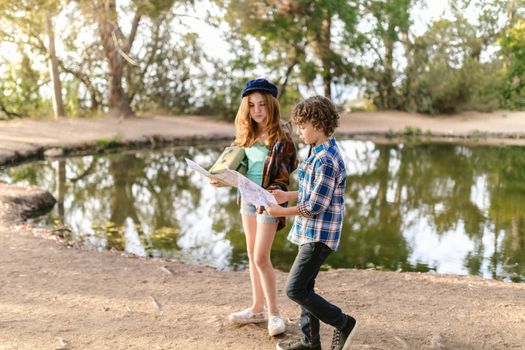
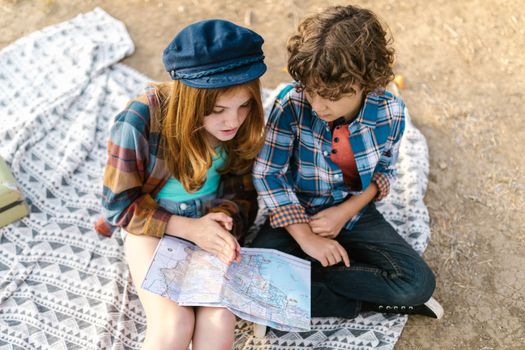
1. The Co-Pilot Strategy: Handing Over the Map (Literally)
The fastest way to get a teen on board is to give them ownership. They're at an age where autonomy is paramount, and being dragged along on someone else's itinerary is the ultimate insult. My biggest breakthrough came when I stopped presenting a fully formed itinerary and started presenting a blank canvas.
Actionable Advice:
* The "Choose Your Own Adventure" Model: Instead of planning everything, give them choices. "We're going to Berlin. Here are three neighborhoods known for cool street art, independent shops, or unique food. Which one sparks your interest for an afternoon?" Or, "We have a free day in Kyoto. Would you rather explore the traditional temples of Higashiyama or dive into the quirky, pop-culture vibe of Harajuku (a 3-hour bullet train ride away, but a viable option!)?"
* Budgeting for Freedom: Give them a small daily budget for their own "finds." This empowers them to seek out that specific obscure manga shop, a vintage record store, or a local artisan's stall. Chloe once found the most incredible handmade jewelry in a tiny alley shop in Rome with her budget – a memory she still talks about.
* Leverage Their Skills: Teens are digital natives. Task them with finding the "most Instagrammable" café, the best local street food, or the coolest hidden gem using TikTok, Instagram geo-tags, or local blogs. Leo, who previously scoffed at my guidebooks, became a master of unearthing underground music venues in Nashville. We ended up at a fantastic, intimate bluegrass show he found, far from the tourist traps, for about $15 a ticket.
*
2. Beyond the Brochure: Hunting for the "Undiscovered" Cool
Forget the Eiffel Tower (unless it's from a secret rooftop bar). Ditch the Colosseum (unless you're exploring its underground tunnels). For the "hates mainstream" teen, the allure lies in the obscure, the authentic, the slightly edgy, and definitely the Instagram-worthy-without-being-obvious.
Actionable Advice:
* Street Art & Graffiti Tours: These are gold. Cities like Berlin (Kreuzberg, Friedrichshain), London (Shoreditch), Melbourne (Hosier Lane), and even lesser-known parts of Los Angeles or São Paulo offer incredible, ever-changing open-air galleries. Many are free to explore, or you can find guided tours for around $20-40 per person that offer historical context and hidden gems. Leo was genuinely captivated by the East Side Gallery in Berlin, spending an hour just taking photos and reading the stories behind the murals.
* Vintage & Thrift Shopping: This is a treasure hunt. Teens love unique fashion finds and the thrill of discovery. Seek out neighborhoods known for their independent boutiques and thrift stores. Think Brooklyn's Bushwick, Tokyo's Shimokitazawa, or Lisbon's Principe Real. Chloe once found a designer jacket for €30 in a small vintage shop in Paris that she still wears.
* Local Markets & Food Halls: Not the touristy ones, but the ones where locals actually shop and eat. In Barcelona, instead of La Boqueria, try Mercat de Sant Antoni. In London, Borough Market is great, but also check out Maltby Street Market for a more local, vibey experience. These offer sensory overload, great photo ops, and delicious, affordable eats (often under $10-15 per person for a full meal).
* Independent Cinemas, Bookstores & Cafes: Look for places with character. A tiny, independent cinema showing obscure foreign films, a quirky bookstore with resident cats, or a café that roasts its own beans and has a unique aesthetic – these are the places teens will feel "seen" and comfortable. In Portland, Oregon, we stumbled upon a café that doubled as an art gallery and record store, and Leo spent hours there, completely content.
*
3. The Social Media Safari: Turning Phones into Travel Tools
Instead of battling the phone, embrace it. For Gen Z, their phone isn't just a communication device; it's a creative tool, a research assistant, and a memory keeper.
Actionable Advice:
* Content Creation Challenges: Challenge them to create a TikTok travel montage, a Reels series of "hidden gems," or a photo essay for Instagram. Give them themes: "Find the five most colorful walls," "Capture the essence of local life," or "Document our food journey." This turns their screen time into a productive, engaging activity. My daughter, Chloe, now has a fantastic travel highlight reel on her Instagram, full of moments she initially scoffed at but later found "aesthetic."
* Geotagging & Exploration: Encourage them to use geotags on Instagram or explore local hashtags to find cool spots in real-time. This often leads to unexpected discoveries. "Hey, there's a pop-up art installation just two blocks from here, according to this tag!"
* The "Digital Detox" Reframe: Instead of a blanket ban, make a "digital detox" a specific activity. "For the next two hours, we're putting phones away and focusing on sketching what we see in this park/market/museum." Or, "Let's spend the evening playing board games or talking, phone-free." It feels less like a punishment and more like a chosen experience.
*
4. Fueling the Adventure: Food, Glorious (Non-Mainstream) Food
Food is a universal language, and for teens, it's often the most accessible way to engage with a new culture. Forget the chain restaurants they have at home; this is about culinary exploration.
Actionable Advice:
* Street Food Crawls: This is a winner. It's affordable, authentic, and offers incredible variety. From tacos in Mexico City (around $1-2 per taco) to pad Thai in Bangkok (under $5) or falafel in Paris (around €6), street food is an adventure in itself. Let them pick what looks interesting, even if it's something you wouldn't normally try.
* Cooking Classes (with a Twist): Instead of a generic Italian pasta class, look for something unique. A sushi-making class in Tokyo, a dim sum workshop in Hong Kong, or even a local dessert-making lesson. These are hands-on, memorable, and teach them a skill. Expect to pay $50-100+ per person, but it's an investment in an experience.
* "Eat Like a Local" Challenge: Task them with finding a restaurant that has no English menu, or a place recommended by a local, not a guidebook. This pushes them out of their comfort zone and often leads to incredible, authentic meals. In Rome, Leo found a tiny trattoria tucked away from the main streets, where we had the best cacio e pepe of our lives for about €12 a plate.
* Unique Food Trends: Keep an eye on local food trends. Is there a specific fusion cuisine gaining popularity? A quirky dessert shop? A "secret" ramen spot? These are the things teens will be genuinely excited to seek out and share.
*
5. The Art of the 'Chill Day': When Doing Nothing is Everything
One of my biggest mistakes early on was over-scheduling. Teens need downtime. They need to decompress, process, and sometimes, just be bored in a new place. Trying to cram every sight into every day is a recipe for meltdowns.
Actionable Advice:
* Build in Downtime: Schedule at least one "free" half-day or full day every few days. Let them sleep in, hang out at the hotel, read, or explore a neighborhood on their own (if age and safety permit).
* Prioritize a Cool Base: A hotel with a great pool, a comfortable common area, fast Wi-Fi, or even a unique aesthetic can make a huge difference. Sometimes, the "cool" hotel itself becomes part of the experience. We stayed at a boutique hotel in Lisbon with an incredible rooftop terrace and a small pool, and those afternoon dips and evening chill sessions became highlights.
* Parks & Green Spaces: Sometimes, all they need is a change of scenery and a place to relax. A beautiful park offers space to walk, read, listen to music, or just people-watch. Jardin du Luxembourg in Paris, Central Park in NYC, or Ueno Park in Tokyo offer great escapes from urban intensity. Pack a picnic from a local market (around $15-20 for a family of four) and enjoy.
* Museums with a Twist: If a museum is a must-do for you, choose one with interactive exhibits, pop culture relevance, or a unique vibe. The Van Gogh Museum in Amsterdam (book tickets well in advance, around €20 per adult, teens often cheaper) can be engaging, especially if they're into art or visual culture. Or try a quirky, niche museum like the Museum of Broken Relationships in Zagreb (€6) or the Museum of Illusions (various cities, around €15-20).
*
6. Money Talks (But Make It Cool): Budgeting for the Unconventional
"Non-mainstream" doesn't have to mean "expensive." In fact, often the most authentic experiences are the most affordable. It's about smart spending and prioritizing what truly matters.
Actionable Advice:
* Public Transport Adventures: Ditch the expensive taxis and embrace local buses, subways, and trams. It's an experience in itself, offers great people-watching, and is incredibly budget-friendly (e.g., a daily pass in London for zones 1-2 is around £14, but a weekly pass is much cheaper). Challenge them to navigate the system.
* Free Walking Tours (Tip Generously!): Many cities offer excellent free walking tours led by locals. These are fantastic for getting an overview, hearing local stories, and finding hidden spots. Remember to tip your guide well (e.g., €10-20 per person).
* Student Discounts (Always Ask!): Many attractions, museums, and even some shops offer student discounts. Make sure your teen has a student ID or an international student identity card (ISIC).
* Picnics & Local Supermarkets: Eating out for every meal adds up. Hit up local supermarkets and markets for fresh bread, cheeses, fruits, and local delicacies. A gourmet picnic in a beautiful park can be far more memorable and affordable than a sit-down restaurant meal.
* Focus on Experiences, Not Souvenirs: Encourage them to invest their own money (or your agreed-upon budget) in experiences rather than cheap trinkets. That vintage jacket from a Parisian flea market or the unique piece of art from a local artisan will be cherished far more than a mass-produced keychain.
*
Conclusion: The Secret to Unforgettable Teen Travels
Traveling with teenagers who "hate everything before it becomes mainstream" isn't about giving up your love for travel; it's about shifting your perspective. It's about understanding their need for authenticity, independence, and experiences that feel unique to them. It's about embracing their tech-savviness, their discerning tastes, and even their occasional moodiness.
By involving them in the planning, seeking out the less-trodden paths, leveraging their digital skills, fueling them with amazing local food, building in crucial downtime, and budgeting smartly, you’re not just planning a trip – you’re fostering independence, cultural appreciation, and creating memories that will genuinely stick. These aren't just vacations; they're lessons in adaptability, discovery, and the art of finding beauty in the unexpected.
My kids, Leo and Chloe, are now young adults. They still roll their eyes occasionally, but they also fondly recall those quirky street art tours, the obscure ramen shops, and the afternoons spent people-watching in a non-touristy park. These experiences, the ones they helped shape, are the ones they remember most vividly. And that, dear travelers, is the ultimate reward.
So, what are your favorite non-mainstream spots that your teens have actually loved? Share your hacks and hidden gems in the comments below! Let's inspire each other to make family travel epic, one "too cool for school" teen at a time.
---