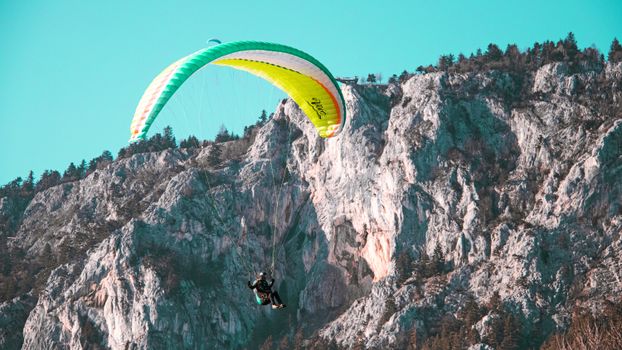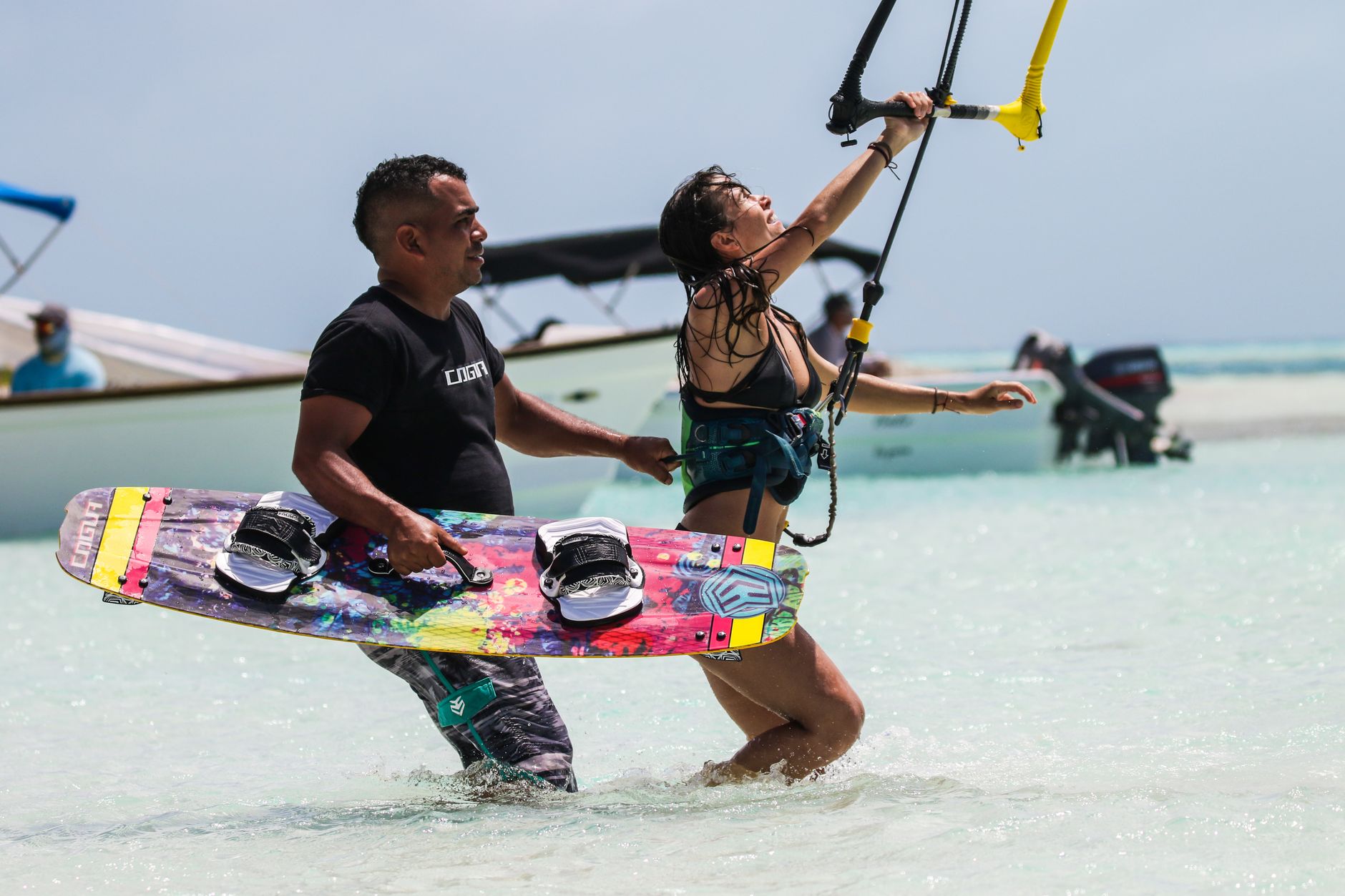
Remember that feeling when you first discovered a secret swimming hole, a secluded beach, or a hiking trail that wasn't plastered all over Instagram? That rush of being "in the know," experiencing something truly special before the masses descended? Well, I live for that feeling. And as a travel blogger for Tripsora, it's my mission to share those moments with you.
For years, I’d watch those incredible extreme sports documentaries, jaws agape, thinking, "Wow, I wish I could do that, but I'm just... me." I’m not a professional athlete, I don’t have a death wish, and my idea of "extreme" used to be ordering the spiciest curry on the menu. But then something shifted. I realized that the gap between "regular traveler" and "adventure seeker" wasn't as wide as I'd imagined. There's a whole world of "extreme" out there that's surprisingly accessible for beginners – sports that offer an incredible adrenaline rush, push your boundaries, and connect you with nature in ways you never thought possible, all before they become the next viral trend.
So, if you're like me – craving adventure, eager to step outside your comfort zone, but not quite ready to base jump off a skyscraper – then buckle up. I've scoured the globe, tried (and sometimes awkwardly failed) these incredible activities, and compiled this guide just for you. Get ready to discover your next epic adventure, complete with personal anecdotes, practical tips, and all the details you need to make it happen.
1. Canyoning: Plunge into Nature's Waterpark
What it is:
Imagine a natural waterpark designed by Mother Earth herself. Canyoning involves navigating down a canyon, often through a river, using a variety of techniques: walking, scrambling over rocks, jumping into crystal-clear pools, sliding down natural rock slides, and rappelling down waterfalls. It’s an immersive, multi-sensory experience that puts you right in the heart of some of the most beautiful, untouched landscapes.
Why it's perfect for beginners:
Don't let the rappelling scare you! Many canyoning routes are specifically designed for first-timers. You’ll always go with certified guides who provide all the necessary safety gear (wetsuit, helmet, harness) and thorough instruction. The jumps are often optional or can be lowered by rope, and the slides are pure fun. It’s more about embracing the environment and a sense of playful adventure than technical skill.
My Story:
My first canyoning experience was in the emerald green Soča Valley in Slovenia. I remember standing at the top of a waterfall, looking down at the impossibly clear, icy water, my heart doing a nervous samba. The guide, a jovial Slovenian named Marko, just grinned, "You jump, you feel alive!" And he was right. That first plunge, the shock of the cold water, and the triumphant splash at the bottom was pure exhilaration. We spent hours navigating the canyon, laughing, scrambling, and feeling like intrepid explorers. It was the most fun I’d had getting soaked, ever.
Practical Tips & Details:
- Go Guided: This is non-negotiable. A certified guide knows the canyon, the water levels, and how to keep you safe.
- Gear Up: Wetsuits are essential for warmth, helmets for safety, and harnesses for rappelling. Reputable tour operators provide all of this.
- Listen & Learn: Pay close attention to your guide’s instructions, especially for rappelling techniques and safe jumping.
- Locations & Prices:
- Bovec, Slovenia (Soča Valley): A world-renowned canyoning hub. Expect to pay €100-150 for a half-day guided tour, including all gear and transport. The Fratarica and Sušec canyons are popular beginner choices.
- La Fortuna, Costa Rica: Offers a tropical twist with lush rainforest backdrops. Prices range from €70-100 for a half-day tour.
- Interlaken, Switzerland: Known for its stunning scenery and a variety of canyoning experiences. Expect to pay €120-180.
- Instagram-Worthy: Think epic waterfall rappels, mid-air jump shots into turquoise pools, and lush, moss-covered canyon walls. Pure magic.
2. Via Ferrata: Scale Mountains with Confidence
What it is:
Italian for "iron path," a Via Ferrata is a protected climbing route found predominantly in the Alps, but increasingly worldwide. It involves a steel cable fixed to the rock, which you clip into with a special harness, along with fixed ladders, rungs, and bridges. It allows non-technical climbers to safely ascend otherwise inaccessible mountain faces and enjoy breathtaking views.
Why it's perfect for beginners:
This is where the magic happens for those who dream of climbing mountains but lack the technical skills or years of training. With a Via Ferrata, you're always clipped into the safety cable, significantly reducing risk. It’s more about having a head for heights, good balance, and basic fitness than advanced climbing prowess. Many routes are graded for beginners, offering a thrilling taste of mountaineering.
My Story:
The Dolomites in Italy have always called to me, but I never imagined I'd be climbing them. My first Via Ferrata was the "Via Ferrata Ivano Dibona" near Cortina d'Ampezzo. It started with a nerve-wracking cable bridge spanning a dizzying chasm. My hands were sweating, my knees felt a bit wobbly, but the views! Oh, the views! As I clipped my carabiners, one after the other, along the steel cable, I felt an incredible sense of accomplishment. Reaching the summit, gazing out at the jagged peaks, I felt like a true mountaineer, all thanks to some well-placed iron.
Practical Tips & Details:
- Rent the Right Gear: You'll need a specific Via Ferrata kit (harness, two lanyards with carabiners, and a helmet). Don't try to improvise. Rental shops at popular locations will have these.
- Start Simple: Choose a beginner-rated route (often graded A or B). Don't bite off more than you can chew on your first go.
- Go with a Guide or Experienced Friend: For your first time, having someone knowledgeable is invaluable for showing you the ropes (pun intended!).
- Check Weather: Mountains are unpredictable. High winds, rain, or thunderstorms can make a Via Ferrata extremely dangerous.
- Locations & Prices:
- Dolomites, Italy: The birthplace of Via Ferratas. Cortina d'Ampezzo is a great base. Routes like "Via Ferrata Averau" or "Via Ferrata Ivano Dibona" offer stunning views and beginner-friendly sections. Gear rental is around €30-50 per day; a guided tour can be €100-200.
- Mürren, Switzerland: The "Via Ferrata Mürren-Gimmelwald" is famous for its exhilarating ladders, bridges, and incredible views of the Lauterbrunnen Valley. Gear rental is similar to Italy.
- Lake District, UK: Honister Slate Mine offers guided Via Ferrata experiences, a great option if you're in the UK. Prices around £45-60.
- Instagram-Worthy: Dramatic cliffside selfies, panoramic mountain vistas, and action shots of you confidently traversing a sheer rock face.
3. Sandboarding: Surf the Dunes, Not the Waves
What it is:
Think snowboarding, but instead of snow, you're carving down massive sand dunes! Whether standing up or lying down on your belly (my preferred beginner method!), sandboarding is a unique and exhilarating way to experience desert landscapes.
Why it's perfect for beginners:
Unlike snowboarding or skiing, the "slopes" are soft, forgiving sand. Falls are usually just a dusty tumble rather than a painful impact. Many tour operators offer beginner-friendly dunes and teach you the basics. You can start small, sitting down, and gradually work your way up to standing.
My Story:
Huacachina, Peru – an oasis town surrounded by towering, golden dunes. I was skeptical. How hard could it be? I strapped on the board, took a deep breath, and pushed off. My first attempt was a spectacular face-plant, filling my mouth with sand and my lungs with laughter. But after a few more tries, belly-down, I was flying down the dunes, whooping with glee. The buggy rides between dunes were an adventure in themselves, feeling like a rollercoaster across the desert. It was messy, exhilarating, and ridiculously fun.
Practical Tips & Details:
- Wax is Your Friend: Sandboards need to be waxed frequently to glide smoothly. Your guide will usually handle this.
- Protect Your Eyes: Sunglasses are a must to keep sand out of your eyes.
- Hydrate: Deserts are hot! Bring plenty of water.
- Start Lying Down: For your first few runs, try going headfirst on your belly. It’s faster, easier, and a total blast.
- Locations & Prices:
- Huacachina, Peru: The most famous sandboarding spot. A dune buggy and sandboarding tour (2-3 hours) typically costs €10-20 and includes board rental.
- Swakopmund, Namibia: Offers some of the world's highest dunes. Half-day tours range from €50-70.
- Dubai, UAE: Many desert safari tours include sandboarding as an activity. Prices vary widely depending on the package, but expect to pay €50-100+.
- Instagram-Worthy: Endless golden dunes, action shots of you flying down a slope, and incredible sunset silhouettes over the desert.
4. Coasteering: Explore the Coastline, Up Close and Personal
What it is:
Coasteering is the ultimate coastal adventure. It involves traversing a section of coastline at sea level, combining elements of scrambling, rock climbing, cliff jumping into the sea, and swimming through natural gullies and caves. It’s about experiencing the raw power and beauty of the ocean and the rugged coast in a unique, exhilarating way.
Why it's perfect for beginners:
Just like canyoning, coasteering is almost always done with certified guides who provide all the necessary safety gear (wetsuit, helmet, buoyancy aid). They know the tides, the currents, and the best (and safest) jump spots. There are usually multiple options for jumps, so you can start small and work your way up, or simply bypass the bigger ones if you prefer. It's a fantastic way to build confidence in and around the water.
My Story:
The rugged coast of Pembrokeshire, Wales, is where I first dipped my toe (and then my entire body) into coasteering. The Atlantic waves crashed against the cliffs, and the air was crisp and salty. Our guide, a weathered local named Rhys, led us through sea caves and over slippery rocks, eventually bringing us to a series of natural jump platforms. My heart pounded as I looked down at the swirling turquoise water. "Just trust your gut and jump!" Rhys encouraged. The sensation of free-falling, followed by the icy embrace of the ocean, was an incredible rush. It was wild, beautiful, and utterly unforgettable.
Practical Tips & Details:
- Certified Guides Only: Never attempt coasteering without an experienced, certified guide. They are crucial for safety and knowing the local conditions.
- Wetsuit is a Must: Even in warmer climates, a wetsuit provides warmth and protection from scrapes.
- Buoyancy Aid & Helmet: These are standard safety gear provided by operators.
- Check Tides & Conditions: Guides will handle this, but be aware that conditions can change rapidly.
- Locations & Prices:
- Pembrokeshire, Wales, UK: The birthplace of coasteering! Numerous operators offer half-day sessions. Expect to pay £40-60.
- Algarve, Portugal: Offers stunning sea caves and warmer waters. Prices around €50-80.
- Cornwall, UK: Another fantastic coastal region for coasteering. Similar pricing to Pembrokeshire.
- Instagram-Worthy: Dramatic cliff jumps, swimming through sea caves, rugged coastal landscapes, and action shots of you conquering the waves.
5. Packrafting: Paddle into the Wild, Unseen
What it is:
Packrafting combines hiking with lightweight, inflatable rafts, allowing you to access remote rivers, lakes, and coastal areas that are otherwise unreachable. You pack your raft and gear into a backpack, hike to a water source, inflate your boat, and paddle through pristine wilderness.
Why it's perfect for beginners:
Unlike traditional whitewater rafting or kayaking, packrafts are incredibly stable and easy to maneuver, especially on calm to moderate waters. You can start on serene lakes or gentle rivers, building your confidence before tackling anything more challenging. It's less about extreme rapids and more about the journey, the solitude, and the unique perspective of exploring from the water.
My Story:
I’d seen photos of these tiny boats in vast landscapes and was immediately intrigued. My first packrafting adventure was in a remote corner of Olympic National Park in Washington state. After a few hours of hiking with my deflated raft, I reached a glassy, emerald green lake. Inflating the raft was surprisingly quick, and soon I was paddling silently across the water, the only sound the dip of my paddle and the chirping of birds. It felt like I was discovering a hidden world. The sheer tranquility and the freedom to explore at my own pace were intoxicating. I even spotted an elk drinking at the water's edge – a moment I’ll never forget.
Practical Tips & Details:
- Start Calm: Begin on flat, still water (lakes, slow-moving rivers) to get a feel for paddling and maneuvering.
- Learn Basic Strokes: A quick lesson on forward, reverse, and sweep strokes will make a huge difference.
- Dry Bags are Essential: Everything you don't want wet will get wet. Invest in good dry bags for your phone, camera, and extra clothes.
- Check Weather & Water Conditions: Always be aware of potential changes in weather, wind, and river levels.
- Locations & Prices:
- Pacific Northwest, USA (e.g., Olympic National Park, Boundary Waters Canoe Area Wilderness): Incredible wilderness areas perfect for multi-day packrafting trips. Gear rental for a packraft, paddle, and PFD can be €50-100 per day. Guided tours or introductory courses might be €150-300+ for a day.
- Iceland: Many rivers and lakes offer stunning packrafting opportunities, from glacial lagoons to gentle rivers.
- Scottish Highlands, UK: Remote lochs and rivers provide excellent packrafting adventures.
- Instagram-Worthy: Serene reflections on glassy water, your tiny raft dwarfed by massive landscapes, wildlife encounters, and the pure solitude of nature.
6. Ice Climbing (Introductory): Ascend Frozen Waterfalls
What it is:
Ice climbing involves ascending vertical ice formations, typically frozen waterfalls, using specialized equipment like ice axes and crampons. It looks incredibly intimidating, but introductory courses make it surprisingly accessible.
Why it's perfect for beginners:
For first-timers, you'll typically be on "top rope," meaning a rope is already set up from above, and you're securely tied in. If you slip, you don't fall far. Guides teach you the fundamental techniques of placing your ice axes and kicking in your crampons. It's a fantastic mental and physical challenge that feels truly epic.
My Story:
My trip to the Canadian Rockies in winter was already magical, but then I signed up for an introductory ice climbing course near Canmore. Standing at the base of a frozen waterfall, axes in hand, I felt like a character from an adventure movie. The first swing of the axe, the crunch of the ice, the satisfying "thwack" as my crampons bit in – it was a unique sensation. My arms burned, and my calves screamed, but slowly, deliberately, I ascended. Reaching the top, looking down at the frozen valley, I felt an immense sense of power and accomplishment. It’s cold, it’s demanding, but it’s an experience that truly redefines "extreme."
Practical Tips & Details:
- Always Go Guided: This is paramount. Ice climbing is inherently dangerous without proper training and safety protocols.
- Dress Warmly, Layer Up: You'll be in cold environments. Think waterproof, insulated layers.
- Trust Your Gear: The axes and crampons are designed for this; trust them to hold you.
- Listen to Your Body: It's physically demanding. Don't be afraid to take breaks.
- Locations & Prices:
- Canmore/Banff, Canadian Rockies, Canada: A premier destination for ice climbing. Introductory half-day or full-day courses range from €150-300, including all gear and guide.
- Ouray, Colorado, USA (Ouray Ice Park): A famous ice park with accessible routes. Guided sessions are similar in price to Canada.
- Chamonix, French Alps: Offers stunning ice climbing opportunities. Guided days can be €200-400+.
- Instagram-Worthy: Dramatic shots against a backdrop of frozen waterfalls, close-ups of ice axes biting into ice, and panoramic views from a unique, icy vantage point.
General Tips for Embracing Your Inner Adventurer
Ready to take the plunge? Here are a few universal tips to make your extreme beginner sports experience safe, fun, and truly unforgettable:
- Safety First, Always: I cannot stress this enough. For any of these activities, especially the more physically demanding ones, always go with a certified, reputable guide or tour operator. They provide essential gear, expertise, and local knowledge that you simply can't replicate.
- Start Small, Build Confidence: Don't feel pressured to tackle the most challenging route on your first try. Most activities have beginner-friendly options. Embrace the learning curve and enjoy the process.
- Research & Read Reviews: Before booking, check out reviews from other travelers. Look for companies with excellent safety records and experienced, friendly guides.
- Gear Up (or Rent Up!): You don't need to buy all the expensive gear upfront. Most tour operators provide everything you need. If you find you love a sport, then consider investing in your own equipment.
- Travel Insurance is Your Best Friend: Make sure your travel insurance explicitly covers adventure sports. It's a small investment for peace of mind.
- Listen to Your Body: These activities can be physically demanding. Don't push yourself beyond your limits. Hydrate, fuel up, and take breaks when needed.
- Embrace the Fear (and the Laughter!): There will be moments of nervousness, maybe even outright fear. That's part of the adventure! Push through it, trust your guides, and be prepared to laugh at yourself when things get a little messy.
- Leave No Trace: Always respect the beautiful environments you're exploring. Pack out everything you pack in, and leave nature as pristine as you found it.
Ready to Go Beyond the Brochure?
The world is full of incredible experiences waiting to be discovered, and many of them are far more accessible than you might think. Stepping outside your comfort zone isn't just about adrenaline; it's about growth, building confidence, and creating stories you'll tell for a lifetime. These aren't just "extreme sports"; they're gateways to unique perspectives, unparalleled natural beauty, and a deeper connection with yourself and the planet.
So, ditch the predictable, embrace the unknown, and get ready to experience a side of travel that few ever do. Which one of these will you try first?
Share your thoughts in the comments below! Have you tried any of these? Or do you have another beginner-friendly extreme sport to recommend before it hits the mainstream? Let's inspire each other!
---