The Ultimate Guide: How to Travel Europe Entirely by Train (From the Experts)
I stepped off the train in Florence, the scent of espresso and ancient stone thick in the air. The rumble of the tracks was still a pleasant hum in my ears, a stark contrast to the frantic rush of airport security. My luggage, a manageable carry-on, was easily wheeled through the grand station, and within minutes, I was gazing up at Brunelleschi's Dome, the Tuscan sun warming my face. This, I thought, is how travel should feel: effortless, immersive, and utterly magical. And the secret? Traveling Europe entirely by train.
Forget cramped airplane seats and tedious airport transfers. European rail travel is a sophisticated, sustainable, and surprisingly accessible way to explore a continent brimming with history, culture, and breathtaking landscapes. As a travel journalist who has crisscrossed Europe by rail more times than I can count, and with insights gleaned from countless conversations with seasoned travel advisors, I’m here to reveal the secrets to a seamless and unforgettable train journey.
1. Why the Train? The Undeniable Allure of Rail Travel
The romance of train travel is more than just nostalgia. It's about the journey itself becoming as enriching as the destination.
- Unmatched Scenery: From the dramatic fjords of Norway to the sun-drenched coastlines of Italy, train windows offer unparalleled panoramic views that planes simply can't compete with. You see the real Europe unfold, not just clouds.
- City Center to City Center: Arrive directly in the heart of your destination. No more costly and time-consuming transfers from distant airports. Your hotel is often a short walk or a quick tram ride away.
- Stress-Free & Sustainable: Skip the security lines, the baggage restrictions, and the environmental guilt. Trains are a far more eco-friendly way to travel, and the onboard experience is inherently more relaxed.
- Comfort & Space: Stretch out, walk around, enjoy a meal in a dining car, or simply gaze out the window. Train cabins offer a sense of freedom and comfort that flying rarely provides.
- Cultural Immersion: Observe local life, practice your language skills, and strike up conversations with fellow travelers and locals. The train is a melting pot of experiences.
Pro-Tip:
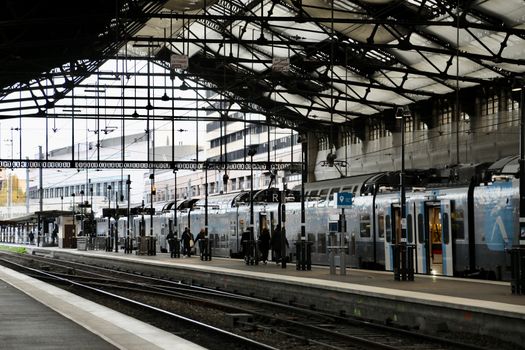
Many European train stations have charming cafes and small shops. Arrive a little early to soak in the atmosphere – the smell of freshly baked pastries and the murmur of different languages is intoxicating.
2. Navigating the Network: Understanding Your Options
Europe's train network is extensive, efficient, and can seem daunting at first. But with a little knowledge, it's incredibly manageable.
- National Rail Companies: Most countries have their own national rail operators (e.g., SNCF in France, Deutsche Bahn in Germany, Trenitalia in Italy). Booking directly can sometimes be the cheapest option for specific routes.
- Pan-European Passes (Eurail & Interrail): These passes are fantastic for flexible travel across multiple countries.
- Eurail Pass: For non-European residents. Offers a set number of travel days within a specific period (e.g., 7 days in 1 month, 15 days in 2 months).
- Interrail Pass: For European residents. Similar structure to Eurail.
- Advisor Insight: "For the best value with a pass, plan your major journeys first and then use your pass days strategically. Don't waste a travel day on a short hop if you can avoid it."
- Point-to-Point Tickets: If you have a fixed itinerary and know exactly which trains you'll be taking, booking individual tickets in advance can often be more economical than a pass, especially on high-speed routes.
- Rail Booking Platforms: Websites like Trainline, Omio, and Rail Europe aggregate tickets from various operators, making it easier to compare prices and routes in one place.
Pro-Tip:
Always check if your pass requires a reservation for a specific train. High-speed and overnight trains often do, and these can book up, especially during peak season. These reservations are usually an additional fee.
3. Crafting Your Itinerary: The Art of the Rail Journey
The beauty of train travel is its flexibility, but a well-planned itinerary is key to maximizing your experience.
The Classic Grand Tour (Advisor Approved)
This route is a perennial favorite, hitting iconic cities with excellent rail connections.
- Start: Paris, France (SNCF)
- Highlight: The Eiffel Tower at sunset, a croissant from a local boulangerie.
- Pro-Tip: Book tickets for the Louvre at 9 AM to avoid the largest crowds and enjoy the Mona Lisa with a little more breathing room.
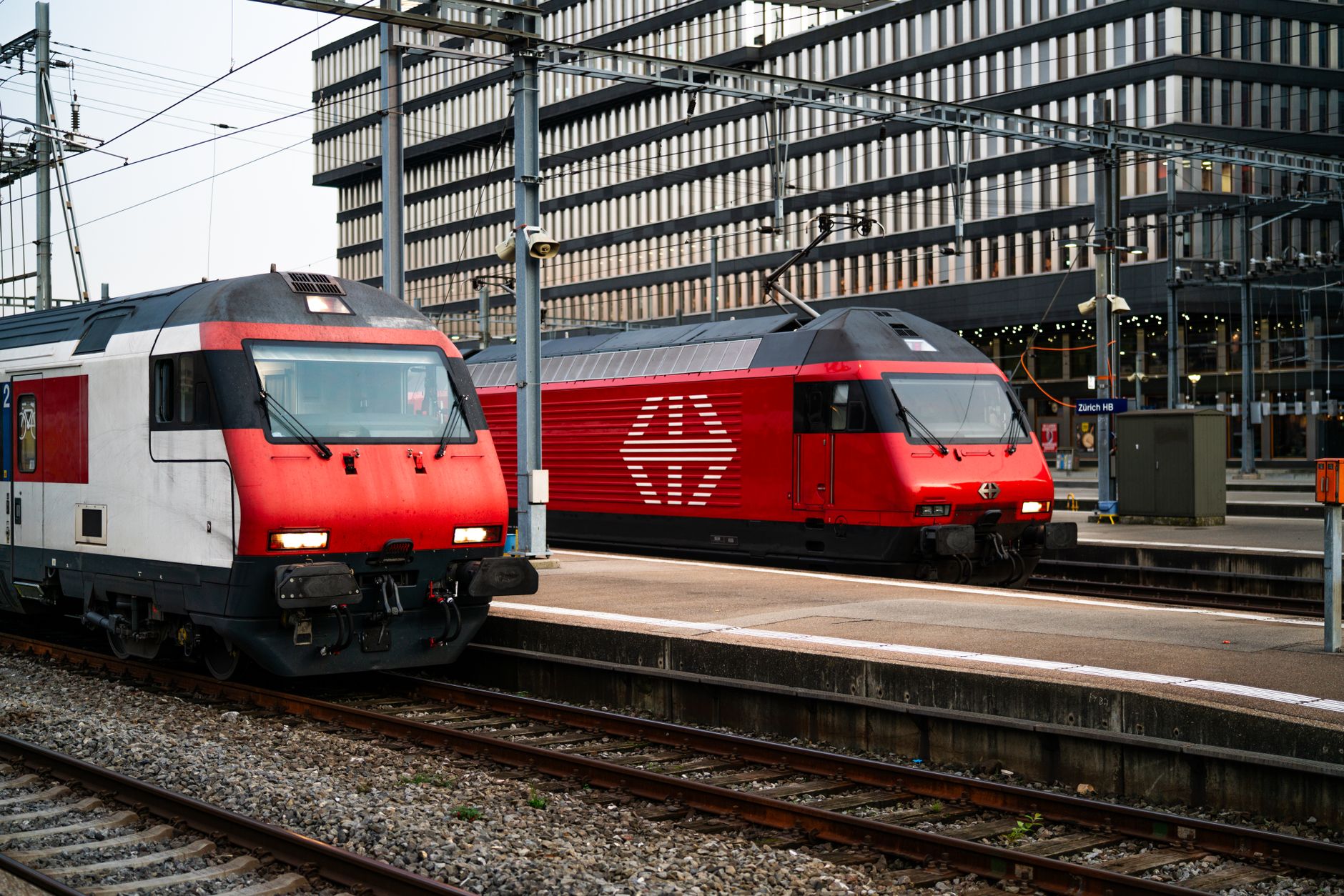
- Next: Zurich, Switzerland (SBB)
- Highlight: A boat trip on Lake Zurich, the crisp mountain air.
- Insider Language: "The Bahnhofstrasse is more than just a shopping street; it's a testament to Swiss precision and elegance."
- Then: Munich, Germany (Deutsche Bahn)
- Highlight: A Maß of beer in the Hofbräuhaus, exploring the Viktualienmarkt's vibrant stalls.
- Pro-Tip: Visit the English Garden early in the morning to see the surfers on the Eisbach wave before the crowds gather.
- Continue to: Vienna, Austria (ÖBB)
- Highlight: Sachertorte at a traditional Kaffeehaus, the grandeur of Schönbrunn Palace.
- Advisor Insight: "For an authentic Viennese coffee house experience, seek out the smaller, less touristy establishments off the main squares. The Melange is divine."
- Finally: Rome, Italy (Trenitalia)
- Highlight: The Colosseum at dawn, a gelato near the Trevi Fountain.
- Pro-Tip: The hidden entrance to the Borghese Gallery is behind a small, unassuming blue door on the left side of the main building. Book tickets months in advance.
The Scenic Explorer
For those who crave breathtaking landscapes.
- Norway: Oslo to Bergen via the Bergen Railway (one of Europe's most scenic).
- Switzerland: The Glacier Express or Bernina Express for unparalleled alpine vistas.
- Scotland: The West Highland Line from Glasgow to Mallaig (famous for the Glenfinnan Viaduct).
- Slovenia: The Julian Alps Railway for charming mountain towns.
The Iberian Adventure
- Spain & Portugal: High-speed trains connect Madrid, Barcelona, Seville, and Lisbon with ease.
Pro-Tip:
Don't underestimate overnight sleeper trains! They save on accommodation costs and allow you to wake up refreshed in a new city. Book a private compartment for ultimate comfort.
4. The Nitty-Gritty: Budget & Logistics
Traveling Europe by train can be surprisingly affordable, especially when planned intelligently.
Quick Facts:
- Estimated Cost (per person, per day): $70 - $150 (this varies greatly based on pass vs. point-to-point, accommodation choices, and dining habits. A Eurail/Interrail pass can range from $300-$1000+ depending on duration and flexibility).
- Best Time to Visit: Spring (April-May) and Autumn (September-October) offer pleasant weather, fewer crowds, and often lower prices. Summer (June-August) is peak season – book well in advance!
- How to Get There: Fly into major European hubs like Paris (CDG), Amsterdam (AMS), Frankfurt (FRA), or London (LHR) and begin your rail journey from there.
Budgeting Tips from Advisors:
- Book in Advance: Especially for high-speed and long-distance trains, prices increase significantly closer to the travel date.
- Consider Passes Wisely: If you're moving frequently, a rail pass can be excellent value. If you have a more static itinerary, point-to-point tickets might be cheaper. Do the math!
- Picnic Power: Stock up on delicious local bread, cheese, cured meats, and wine from supermarkets or local markets for incredibly affordable and enjoyable onboard meals.
- Accommodation Hacks: Look for hostels with private rooms, budget hotels slightly outside the city center (but near a train station!), or Airbnb.
- Free Walking Tours: A fantastic way to get acquainted with a new city without spending a euro.
Pro-Tip:
Many European cities have excellent public transport integrated with their train stations. Purchase day passes or multi-day tickets for easy travel within cities.
5. Packing Smart for the Rails
Less is more when it comes to train travel.
- Luggage: Aim for a carry-on size suitcase or a comfortable backpack. You'll be lifting it on and off trains and navigating stations independently.
- Comfortable Shoes: You'll be doing a lot of walking!
- Layers: European weather can be unpredictable.
- Portable Charger: Essential for keeping your devices powered on long journeys.
- Entertainment: Books, downloaded podcasts, or a journal for capturing memories.
- Reusable Water Bottle: Many stations have refill points.
- Snacks: Even if you plan to buy onboard, having a few favorites is always a good idea.
Pro-Tip:
Pack a small travel towel and earplugs if you opt for hostels or shared sleeper compartments.
6. The Insider Experience: Beyond the Tourist Trail
To truly travel like a local, embrace the authentic.
- Embrace Regional Trains: While high-speed trains are efficient, regional trains offer a slower pace and a glimpse into everyday life. You'll often find more authentic dining options and fewer tourists.
- Station Bistros: Skip the chain restaurants. Many European train stations have small, independent bistros or bakeries serving delicious local fare at reasonable prices. The smell of freshly baked bread and strong coffee is a universal welcome.
- Local Markets: Arrive in a new city and head straight to the local market. The vibrant colors, the symphony of vendors calling out their wares, and the aroma of fresh produce, cheeses, and regional spices offer an immediate sensory immersion.
- Learn a Few Phrases: A simple "Bonjour," "Danke," or "Grazie" goes a long way in fostering goodwill and enhancing your interactions.
- Observe the Architecture: Notice the intricate carvings on Parisian buildings, the ornate facades of Viennese palaces, or the weathered charm of Italian trattorias. The details tell stories.
Advisor Insight:
"Don't be afraid to get off at a smaller, unscheduled stop if a particular town catches your eye. Sometimes the most magical discoveries happen when you deviate from the plan."
7. The Joy of Arrival
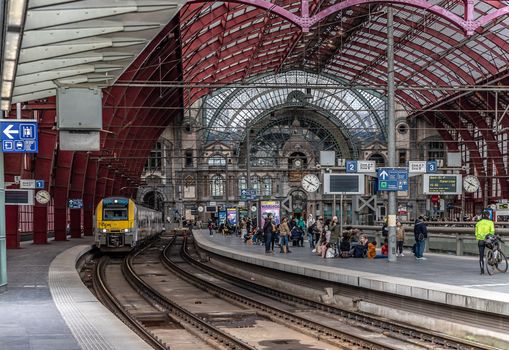
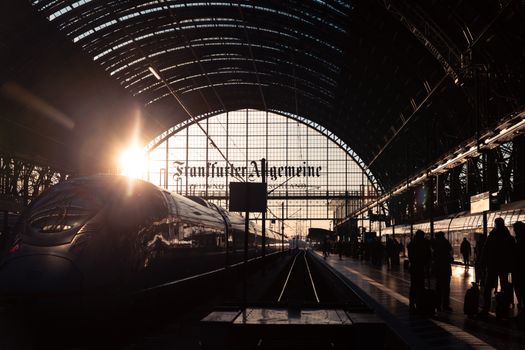
There’s a unique satisfaction in arriving at your destination by train. You’re not just at the place; you’ve traveled to it, experiencing the transition, the changing landscapes, and the anticipation. The rhythm of the rails becomes a part of your travel story. From the bustling Grand Central Terminal in New York to the elegant Gare du Nord in Paris, train stations are often architectural marvels in themselves, hinting at the grandeur of the city that awaits.
So, pack your bags, embrace the journey, and let the adventure of European train travel sweep you away. It’s an experience that nourishes the soul, broadens the mind, and leaves you with memories as rich and enduring as the continent itself.