What makes long flights with kids hard
Long-haul flights are hard for most adults. For children, the challenges multiply: they have to sit still for hours, deal with changes in pressure, eat unfamiliar food and sleep in a strange place. Parents have to manage all of that while keeping everyone calm, comfortable and entertained.
The good news is that children can be remarkably adaptable, and preparation can turn a stressful journey into a manageable one. This guide covers the whole process, from choosing flights to getting through the first day after landing. It is based on widely shared advice from parents, airlines and paediatric sources. Always follow your own child's needs and consult a doctor if you have health concerns.
Choosing the right flight
Think about timing.
Overnight flights can work well for children who sleep easily, because they spend much of the journey asleep. Daytime flights can suit children who are active and need to move around, but may mean tired, grumpy children at the end of a long day.
Consider direct flights
to avoid extra take-offs, landings and tight connections. If you must change planes, allow plenty of time, especially in big airports.
Compare airlines,
looking at seat pitch, children's meals, entertainment and baby facilities. Some airlines offer bassinets, children's activity packs and priority boarding for families.
Check baggage rules
for strollers, car seats and baby equipment. Many airlines allow you to check strollers and car seats free of charge.
Choosing seats
- Bassinet seats: For babies up to a certain age or weight, bulkhead seats may have a bassinet. Request it as early as possible.
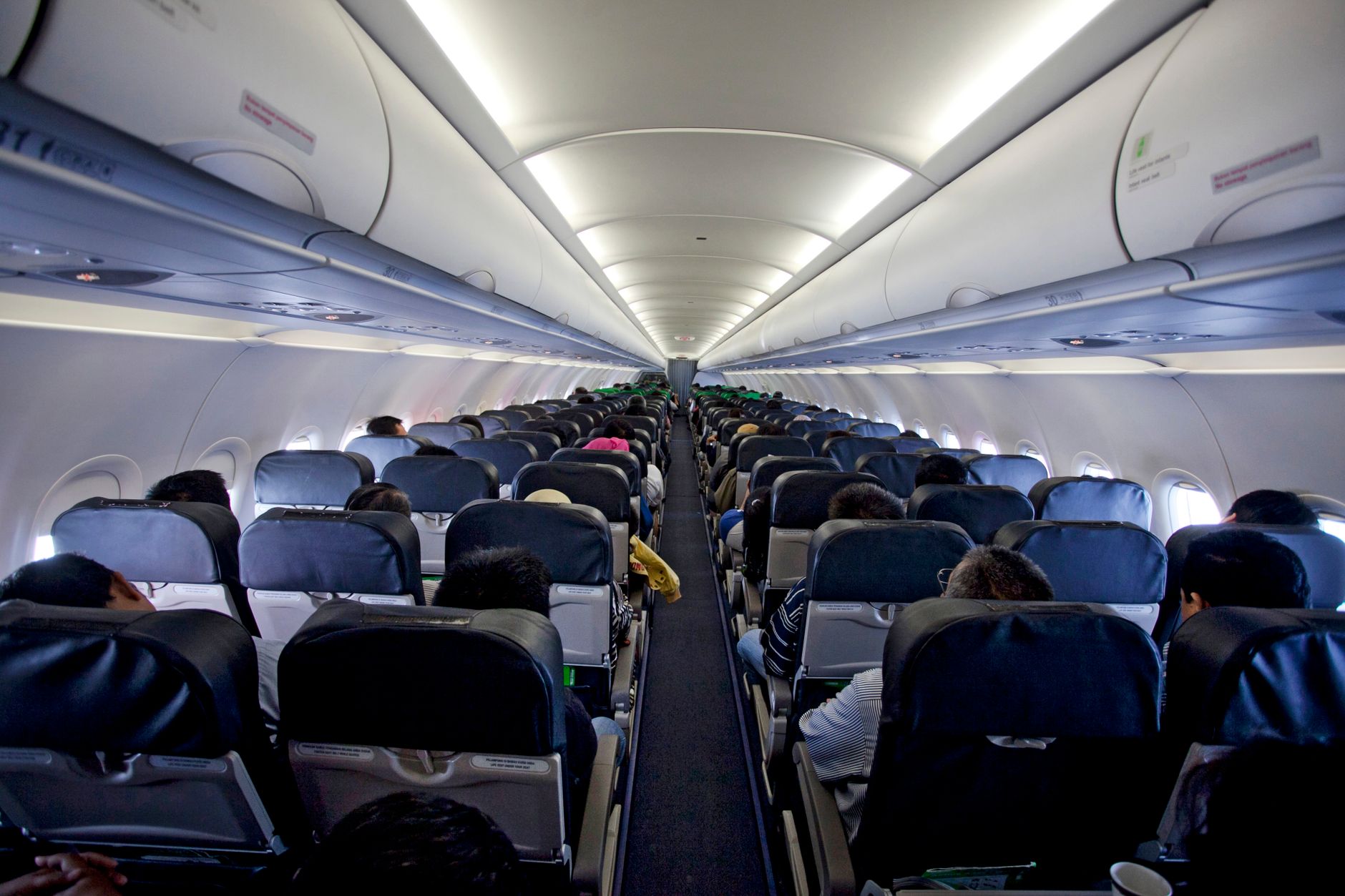
- Seats together: Try to book seats in advance so that your family can sit together. If you cannot, ask at check-in or the gate.
- Aisle or window: An aisle seat makes it easier to get up and down. A window seat gives a view and a surface to lean on.
- Avoid exit rows, which are not permitted for young children.
- Consider the middle of the plane, where turbulence may be less noticeable and the toilets are accessible.
Packing the hand luggage
Your hand luggage is your survival kit. Pack it so that you can reach everything you need without digging.
Essentials:
- Passports, tickets and any required documents.
- A change of clothes for each child and a spare top for you.
- Nappies, wipes and bags for babies and toddlers.
- Snacks and a refillable water bottle.
- Medications and a small first-aid kit.
- Tissues and hand sanitiser.
- A light blanket or jumper.
Entertainment:
- Tablets or phones with downloaded shows, games and audiobooks. Bring child-friendly headphones with volume limits.
- Small toys, colouring books, stickers and activity books.
- New or rarely used items that feel special.
- A favourite soft toy or comfort object.
Tip:
Wrap small items, such as a new sticker book or toy, and offer one every hour or so as a surprise.
At the airport
Arrive early, but not so early that children are exhausted before boarding.
- Use family security lanes where available.
- Let children run around before boarding. Many airports have play areas.
- Check liquid rules. Baby food, milk and medication are often exempt from the usual limits, but you may need to show them.
- Board when it suits you. Some parents prefer to board early to settle in, while others wait to minimise time on the plane.
On the plane
Take-off and landing
Changes in cabin pressure can cause ear pain, especially for babies and young children. Help them by:
- Feeding babies during take-off and landing, or giving them a dummy.
- Encouraging older children to swallow, drink or chew gum (if appropriate for their age).
- Avoiding sleeping children during landing if you can, since they may not swallow as often, though many sleep through it.
If a child has a cold or ear infection, check with a doctor before flying.
Keeping children entertained
- Plan activities in rounds. Start with the most exciting items and save the best for later.
- Mix quiet and active time. Let children walk up and down the aisle when the seat belt sign is off.
- Play simple games, such as I Spy, drawing games or storytelling.
- Allow screen time. It is fine to be generous on a long flight.
- Include meal breaks, which can help children feel the time pass.
Sleep
Help children sleep by following their usual bedtime routine as closely as possible.
- Dress them in comfortable clothes or pyjamas.
- Bring a familiar blanket or toy.
- Use a travel pillow or inflatable footrest to make a bed, if allowed by the airline.
- Dim the lights and screens where you can.
- Be patient. Sleep on planes is often broken.
Feeding children
Pack more snacks than you think you need. Delays happen, and airline meals may not suit picky eaters.
- Bring familiar, non-messy snacks such as fruit, crackers and sandwiches.
- For babies, pack formula, bottles or breastfeeding supplies. Airlines usually allow reasonable amounts of milk or formula.
- Keep children hydrated with water.
- Be careful with allergies. Inform the airline in advance if a child has serious allergies, and carry any prescribed medication.
Managing toilet needs
For toilet-trained children, encourage them to use the toilet before boarding and at regular intervals. For toddlers who are learning, pack a few extra changes of clothes and consider using nappies or pull-ups for the journey if that is easier.
Staying calm
Children pick up on adult stress. If you can stay calm, they are more likely to cope.
- Lower your expectations. The journey does not have to be perfect.
- Accept that people may be annoyed. Most passengers are understanding, and many have been in your position.
- Take breaks. If you travel with another adult, take turns.
- Ask for help. Flight attendants can often help with warming bottles, finding a quiet spot or offering a distraction.
Dealing with problems
- A crying baby: Try feeding, changing, holding or walking up and down. Sometimes babies simply need to cry.
- A meltdown: Stay calm, speak softly, and move to a quieter area if possible.
- Motion sickness: Keep sick bags handy, and ask your doctor about remedies.
- Illness: Tell the cabin crew if a child becomes unwell. They can seek medical help on board.
- Delays: Keep snacks and entertainment in reserve.
After landing
Jet lag
can affect children as well as adults. Help them adjust by:
- Getting daylight as soon as possible after arrival.
- Adjusting bedtime gradually.
- Keeping the first day relaxed.
- Offering plenty of water and healthy food.
Expect disrupted sleep for a few days. Be patient and flexible.
Checklist
- Book seats together and request a bassinet if needed.
- Pack hand luggage with essentials and entertainment.
- Arrive early and let children burn energy.
- Prepare for pressure changes.
- Bring snacks and water.
- Follow familiar routines for sleep.
- Stay calm and flexible.
- Plan for jet lag.
Frequently asked questions
At what age can babies fly?
Airlines have their own rules, often allowing babies from a few days or weeks old. Check with your airline, and ask your doctor if you have concerns.
Do children need their own seat?
Children under two can often travel on a parent's lap, but safety experts and some airlines recommend a separate seat with an approved child restraint. Check the rules.
Can I bring a car seat?
Many airlines allow approved car seats on board, provided they fit the seat. Check requirements in advance.
What if my child has special needs?
Contact the airline ahead of time to arrange assistance and discuss your needs. Many airlines offer special services.
Summary
Long flights with children are never easy, but with planning, snacks, entertainment and flexibility, they are manageable. Choose the right seats, pack a well-organised bag, keep routines where possible, and give yourself permission to relax your usual rules. This article provides general advice, not medical guidance, and airline rules vary, so check with your carrier before you fly.