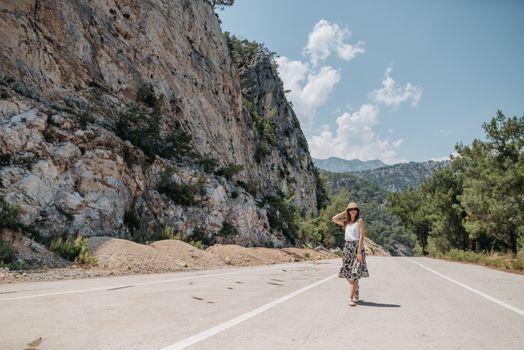
Awkward No More: My Life-Changing Photo Posing Secrets That Changed My Life Forever
There’s a photo of me from my first solo trip to Paris. I’m standing in front of the Eiffel Tower, arms plastered to my sides, a forced, slightly pained smile on my face, looking less like a wide-eyed traveler and more like a cardboard cutout that’s about to topple over. My eyes are squinted against the bright Parisian sun, and my posture screams, “Please, just make it stop!”
That photo, and countless others like it, haunted my travel albums. For years, I was the queen of awkward travel photos. My hands never knew what to do. My smile was always a grimace. I’d either look like a deer caught in headlights or someone trying desperately to blend into the background, even when I was the main subject. I loved traveling, loved seeing the world, but the thought of capturing those moments on camera filled me with dread. It was a vicious cycle: I felt awkward, so I looked awkward, which made me feel even more awkward.
I’d scroll through Instagram, mesmerized by travelers effortlessly leaping through rice paddies, sipping coffee with a perfectly pensive gaze, or gracefully twirling in front of ancient ruins. “How do they do it?” I’d wonder, convinced they were born with some innate photogenic gene I completely missed. I felt like I was missing out on truly documenting my adventures, on sharing the joy and wonder I felt, all because I couldn't for the life of me figure out how to stand without looking like a human plank.
But then, something shifted. It wasn't overnight, and it wasn’t a magic wand. It was a gradual transformation, sparked by a simple observation in a bustling Moroccan souk, nurtured by trial and error, and ultimately, a complete mindset overhaul. This isn't about becoming a supermodel; it's about learning to be comfortable, confident, and authentically you in front of the lens. And let me tell you, it didn't just change my travel photos; it changed how I saw myself and how I experienced my journeys. It truly changed my life forever.
Ready to ditch the awkwardness and embrace your inner travel photography star? Let’s dive in.
The Awkward Truth: My Photo Fails & Why They Happened
Let me paint you a picture. Or rather, several pictures.
There’s "The Leaning Tower of Pisa Disaster" where I'm trying to "push" the tower, but my arm is at an unnatural angle, my face is contorted in concentration, and I look like I’m having a wrestling match with an invisible opponent. Then there’s "The Great Wall of China Slump," where I’m standing on the magnificent wall, but my shoulders are hunched, my head is down, and I appear to be auditioning for a role as a very tired extra. Oh, and who could forget "The Santorini Sunset Stiffie," where I’m supposed to be gazing romantically at the breathtaking view, but instead, I’m rigidly facing the camera, hands clasped in front of me like I’m about to recite the Pledge of Allegiance.
Why did these happen? It boiled down to a few core issues:
- Self-consciousness: I was acutely aware of the camera and whoever was holding it, leading to stiff movements and forced expressions.
- Lack of direction: I literally didn’t know what to do with my body. Where do my hands go? How do I stand? What do I do with my face?
- Fear of judgment: I worried about looking silly, especially in public places. This made me want to get the photo over with as quickly as possible, resulting in rushed, unnatural shots.
- Misunderstanding the goal: I thought the goal was to stand perfectly still and smile directly at the camera, like a school portrait.
These fundamental misunderstandings were sabotaging my travel memories. I was collecting snapshots, but not stories.
The Turning Point: A Marrakech Revelation (and a Kind Stranger)
The shift began not on a grand mountain peak or a pristine beach, but in the chaotic, vibrant heart of Marrakech’s Jemaa el-Fnaa square. I was on a solo trip through Morocco, trying to soak in every sensory detail – the aroma of spices, the calls of storytellers, the hypnotic music. Of course, I wanted photos. But as usual, I was struggling. I’d asked a friendly local vendor to snap a pic of me amidst the snake charmers and bustling food stalls. My default pose was the stiff, arms-at-sides stance.
He took the photo, then, with a warm smile and a gesture, he said something in broken English that stuck with me: "No, no. Move. Look there." He pointed towards the bustling square, then gestured for me to put one hand on my hip and turn my body slightly. He didn't speak much English, but his gestures were clear. He wanted me to interact with the scene, not just stand in front of it.
I tried it. It felt awkward, theatrical even, but I trusted him. He snapped another photo. When I saw it, I was genuinely surprised. I wasn't staring at the camera. My body had a subtle curve. My hand looked natural. I looked engaged with my surroundings, not just present. It wasn't perfect, but it was a revelation. It was the first time I saw a glimmer of the confident traveler I wanted to be in my photos.
That small interaction became my guiding principle: Don't just stand; interact.
The Fundamentals: It's All About the Angles (and the Attitude)
After Marrakech, I started observing. I watched models, influencers, and even just naturally photogenic people. I realized it wasn't about being stunningly beautiful, but about understanding basic body mechanics and angles.
Here are the first hacks that transformed my photos:
- The "S-Curve" & Weight Shift (The Anti-Stiff Pose):
- How: Never stand with your weight evenly distributed on both feet. Shift your weight to one leg, allowing the other knee to bend slightly. This creates a subtle S-curve in your body, instantly making you look more relaxed and dynamic. Your hips will naturally tilt, and your shoulders will follow, creating a more flattering line.
- Why it works: It breaks up the rigid straight line of your body, making you appear more natural and less like a military recruit.
- My experience: I practiced this everywhere – waiting for coffee in Rome, admiring street art in Berlin. It felt forced at first, but soon became second nature. My photo in front of the Colosseum, with one hip slightly out, a hand casually on the railing, was a triumph compared to my Eiffel Tower disaster.
- Hands On Hips/Hair/Props (No More T-Rex Arms!):
- How: Your hands are your biggest secret weapon against awkwardness. Avoid letting them hang limply by your sides (the dreaded "T-Rex arms"). Instead, try:
- One hand on your hip (classic, always works).
- One hand lightly touching your hair, sunglasses, or hat.
- Holding a prop: a coffee cup, a local snack (like a churro in Spain or a fresh coconut in Thailand), a book, a map, your camera.
- Tucking one hand into a pocket.
- Lightly touching your face or chin in a thoughtful pose.
- Why it works: It gives your hands purpose, makes you look more engaged, and creates interesting lines in the photo.
- My experience: Clutching a takeaway coffee cup from a charming Parisian cafe became my go-to. It gave me something to do with my hands and added a touch of local flavor to the shot.
- The "Look Away" & Candid Feel:
- How: You don't always need to stare directly at the camera. Look slightly past the lens, gaze at a landmark, look down at something interesting on the ground, or off into the distance.
- Why it works: Creates a more candid, natural, and thoughtful vibe. It makes the viewer feel like they’re catching you in a moment, rather than posing.
- My experience: My favorite photos from Kyoto often feature me looking up at the intricate temple roofs or down at the koi ponds. They feel more authentic, like I’m truly experiencing the place.
- The Power of the "Walking Shot":
- How: Get your photographer (or tripod) to take multiple shots while you’re walking towards, away from, or across the frame. Take small, natural steps.
- Why it works: Movement adds dynamism and life to a photo. It’s hard to look stiff when you’re in motion.
- My experience: Strolling through the vibrant streets of Hanoi, pretending to be utterly absorbed in the sights, produced some of my most cherished, lively shots. It felt less like a photoshoot and more like a captured moment.
Advanced Awkward-Busting: Mastering Expressions & Environment
Once I had the basics down, I started refining my approach, focusing on expressions and how I interacted with the broader environment.
- The "Squinch" & Micro-Expressions (Bye-Bye Blank Stare!):
- How: This is a game-changer for avoiding a blank, wide-eyed stare. Instead of opening your eyes fully, slightly squint them, especially the lower eyelid. It makes you look more confident, engaging, and less surprised. Practice in the mirror!
- Why it works: It conveys warmth, confidence, and genuine emotion.
- My experience: This was a revelation. My photos went from looking startled to looking genuinely happy and present. It took some practice, but now it's automatic.
- Interact with Your Environment:
- How: Don't just stand in front of a landmark; become part of the scene.
- Lean casually against a wall, railing, or tree.
- Sit on a bench, a curb, or a low wall.
- Look up at a grand ceiling in a cathedral.
- Reach out to touch a textured wall.
- Peer around a corner.
- Why it works: It adds context, depth, and makes the photo feel more immersive.
- My experience: Sitting on the ancient steps of the Acropolis, looking out at Athens, felt so much more profound than just standing in front of it. It told a story.
- The Power of Laughter (Genuine or Faked):
- How: A genuine laugh is gold. If you can’t get a real laugh, try a soft, natural smile. Think of something genuinely funny or ask your photographer to tell a bad joke. Even a slight upward curve of the lips makes a huge difference.
- Why it works: Laughter is infectious and instantly makes you appear approachable, joyful, and relaxed.
- My experience: My best photos from a boat trip in Ha Long Bay were when I was genuinely laughing at a playful comment from a fellow traveler. Those photos radiate pure joy.
- The Rule of Thirds (for You & the Photographer):
- How: Imagine your photo frame divided into nine equal sections by two horizontal and two vertical lines. Position yourself along these lines or at their intersections, rather than dead center.
- Why it works: It creates a more balanced, aesthetically pleasing, and dynamic composition. It also gives the environment space to breathe.
- My experience: I started communicating this to whoever was taking my photo. "Can you put me a little to the left, and make sure the ocean fills the rest of the frame?" It made a huge difference in the overall impact.
- Confidence is Key (Fake it 'til you make it):
- How: Stand tall, shoulders back, chin slightly up. Even if you feel awkward, project confidence. The camera will pick up on it. Take a deep breath before the shot.
- Why it works: Your posture profoundly affects how you’re perceived. Confident posture makes you look, well, confident!
- My experience: This was the biggest mindset shift. I stopped seeing the camera as a judge and started seeing it as a tool to capture my incredible experiences.
Solo Traveler's Secret Weapon: Tripods & Timers (and Asking for Help)
As a frequent solo traveler, I quickly realized I couldn't always rely on the kindness of strangers. So, I invested in some gear and mastered the art of polite requests.
- My Trusty Gear:
- Joby Gorillapod (or similar flexible tripod): This tiny, versatile tripod (I use the Gorillapod 3K Pro, around $70-90 USD) can wrap around railings, sit on uneven surfaces, and is lightweight enough to throw in any bag.
- Bluetooth Remote Shutter: A small clicker (usually $10-20 USD) that connects to your phone. Game-changer for self-portraits. No more running back and forth to hit the timer!
- Phone Clamp: To attach your phone securely to the tripod.
- How to Master Self-Portraits:
- Scout your spot: Find a beautiful background with good lighting.
- Set up: Position your tripod, attach your phone, and frame your shot.
- Focus & Exposure: Tap on yourself on the screen to set focus and exposure, then lock it if your phone allows.
- Burst Mode: Use your phone's burst mode (hold down the shutter button on your remote) and try different poses. This gives you many options to choose from.
- Practice: Experiment with angles, distances, and poses. It takes time, but the control is liberating.
- The Art of Asking for Help:
- Choose wisely: Look for someone who looks patient and capable (often another traveler with a nice camera).
- Be polite and specific: "Excuse me, would you mind taking a quick photo for me?"
- Show them the shot: Frame the shot on your phone first. "Can you stand here? And just tap the big button to take a few photos, please?"
- Guide them with poses: "Could you take one while I'm looking out at the view, and then one while I'm walking?"
- Offer to return the favor: "Can I take one for you too?"
- Always say thank you!
My Favorite Poses (Tried & Tested on Tripsora-Worthy Destinations)
These are my go-to poses that consistently work for awkward people, tested and perfected across countless destinations.
- The "Looking Out" Pose (Santorini Sunset Perfection):
- How: Stand with your back mostly to the camera, looking out at a stunning view (ocean, mountains, city skyline). One hand can be on a railing or casually resting. Shift weight to one leg.
- Why it works: It emphasizes the destination, captures a sense of wonder, and avoids direct eye contact with the camera. It’s perfect for dramatic landscapes.
- Where I used it: Countless times in Oia, Santorini, watching the sunset paint the caldera. Also overlooking the Grand Canyon.
- The "Walking Away" Pose (Bustling Vietnam Streets):
- How: Walk slowly away from the camera, or slightly diagonally. Look back over your shoulder if you want to add a touch of engagement.
- Why it works: Creates dynamism, mystery, and captures you in the environment rather than just at it.
- Where I used it: Navigating the scooter-filled streets of Hoi An, Vietnam, and wandering through the ancient ruins of Angkor Wat, Cambodia.
- The "Sitting & Reflecting" Pose (Parisian Cafe Vibes):
- How: Sit on a bench, a cafe chair, or a curb. Lean forward slightly, perhaps with a hand supporting your chin or holding a cup. Look off into the distance or down at your lap.
- Why it works: Conveys thoughtfulness, relaxation, and allows you to interact with your immediate surroundings naturally.
- Where I used it: Sipping coffee outside a charming cafe in Le Marais, Paris, or perched on a stone bench overlooking Lake Bled in Slovenia.
- The "Action Shot" Pose (Beach Fun in Thailand):
- How: This requires a bit more courage! Jump, twirl, skip, or splash water. The key is to commit to the movement. Use burst mode.
- Why it works: Pure joy and energy! These photos are vibrant, memorable, and instantly shareable.
- Where I used it: Splashing in the turquoise waters of Maya Bay, Thailand, or twirling in a field of lavender in Provence, France.
- The "Over-the-Shoulder" Glance (Vibrant Markets):
- How: Stand with your back mostly to the camera, then turn your head and torso slightly to look over one shoulder at the lens. A soft smile or a slight "squinch" works wonders.
- Why it works: It’s engaging, a little playful, and flattering, as it highlights your profile and can make your waist appear smaller.
- Where I used it: Browsing the vibrant stalls of La Boqueria market in Barcelona or exploring the spice souks of Dubai.
My Life, Transformed, One Photo at a Time
Learning these posing techniques didn't just give me better photos; it gave me confidence. I stopped dreading the camera and started seeing it as an extension of my travel experience. I became more present, more aware of my surroundings, and more willing to try new things. My travel albums are now filled with authentic, joyful memories, not just awkward snapshots. I’ve gone from deleting 90% of my photos to proudly sharing them, knowing they truly reflect the magic of my journeys.
This isn't about vanity; it's about empowerment. It's about capturing your unique story, confidently and beautifully. So, on your next adventure, remember these tips. Experiment. Play. And most importantly, have fun! Your future self, scrolling through those incredible memories, will thank you for it.
What's your biggest photo struggle, and which of these tips are you most excited to try? Share your thoughts and transformed photos with #TripsoraPosingHacks!
---