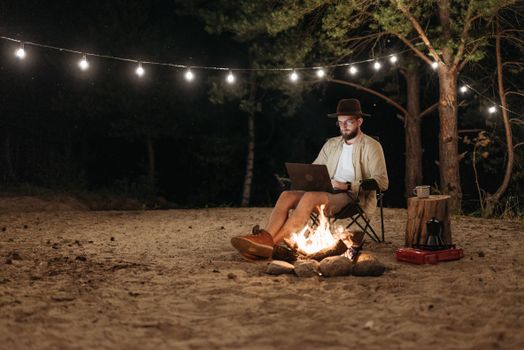
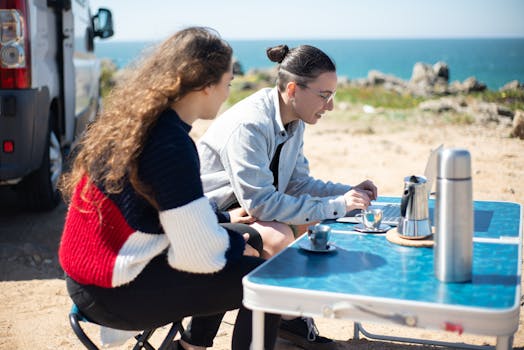
The sun was setting over the Pirin mountains, painting the sky in fiery oranges and purples as I sipped a local craft beer on the balcony of my cozy Airbnb. Below, the quiet streets of Bansko, Bulgaria, were bustling not with tourists, but with a vibrant mix of remote workers heading to dinner or a late-night co-working session. It was my third month there, and I felt a sense of belonging I hadn't experienced in years of chasing the "perfect" Instagrammable nomad life.
I’d just left a stint in Canggu, Bali, feeling utterly drained. Every cafe was a photoshoot, every sunset a performance. The "community" felt superficial, driven by who could get the most likes on their smoothie bowl. I craved something real: genuine connections, deep work, and a sense of shared purpose beyond viral content.
That's when a seasoned nomad I met at a small guesthouse in Laos whispered a few names, places off the main grid, where the digital nomad spirit truly thrived. Communities built on collaboration, local immersion, and a shared desire for a balanced, fulfilling life, not just a highlight reel. And let me tell you, these places are gold. They're where you find your people, where your budget stretches further, and where the local culture isn't just a backdrop for your next selfie.
So, if you’re ready to ditch the influencer rat race and discover where the real magic happens, grab a coffee (or a local brew), and let's dive into the digital nomad communities worth joining that Instagram influencers are desperately trying to keep a secret.
---
1. Bansko, Bulgaria: The Mountain Mecca of Affordability & Brotherhood
My journey to Bansko felt like stumbling upon a secret society. Nestled in the Pirin mountains, this former ski resort town has quietly transformed into one of Europe's most robust and welcoming digital nomad hubs. And for good reason: it’s incredibly affordable, boasts high-speed internet, and has a community spirit that’s genuinely infectious.
Why it's a hidden gem:
Forget the glitz of Western European cities. Bansko offers a grounded, no-frills experience. The community here isn't about showing off; it's about supporting each other. I remember struggling with a particularly complex coding issue one evening at the Coworking Bansko space. Within minutes, two fellow nomads, an Estonian developer and a German UX designer, were brainstorming solutions with me. That collaborative spirit is everywhere.
What to expect:
* Cost of Living: This is where Bansko truly shines. I rented a modern, fully furnished one-bedroom apartment for €250 a month, bills included. Groceries are incredibly cheap, and you can enjoy a hearty traditional Bulgarian meal for €5-€10. My total monthly expenses rarely topped €700-€800, including co-working membership (€159/month for unlimited access).
* Community: The heart of Bansko's nomad scene is Coworking Bansko. It's more than just desks; it's a social hub with daily events – from language exchanges and board game nights to hiking trips and entrepreneurial workshops. They even have a dedicated Slack channel and Facebook group where members organize everything from ski trips in winter to mountain biking in summer.
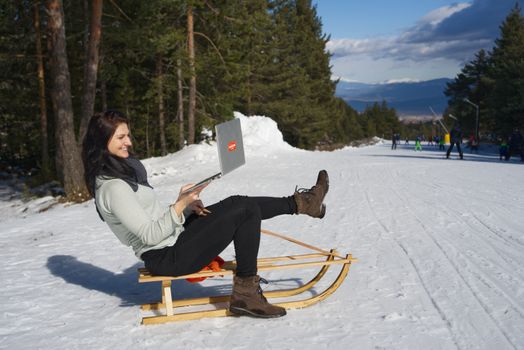
* Lifestyle: Winters are for skiing and cozy fireside chats. Summers are for hiking, mountain biking, and exploring the stunning national park. It’s a place that encourages an active lifestyle and deep connections, rather than endless screen time. The slower pace allows for true focus during work hours and genuine relaxation afterwards.
* Visa: Bulgaria is part of the EU, but not the Schengen Area, meaning you can often stay longer than the typical 90/180 days if you're not an EU citizen, depending on your nationality. Many non-EU citizens can enjoy a 90-day stay and then potentially re-enter for another 90 days, but always check current regulations.
My insider tip:
Don't just stick to the co-working space. Explore the local mehanas (traditional taverns) in the Old Town. My favorite, "Bansko Tavern," served the most incredible kapama (a slow-cooked meat and sauerkraut dish) and had live folk music that made me feel truly immersed in Bulgarian culture.
---
2. Da Lat, Vietnam: The Creative Oasis in the Highlands
When most people think of Vietnam for remote work, their minds jump to the bustling streets of Ho Chi Minh City or the ancient charm of Hoi An. But tucked away in the Central Highlands is Da Lat, a city often overlooked by the mainstream travel crowd, yet brimming with a unique, creative energy that makes it perfect for digital nomads seeking inspiration and a cooler climate.
Why it's a hidden gem:
Da Lat feels like a perpetual spring. Its French colonial architecture, pine forests, and misty lakes give it a completely different vibe from the rest of Vietnam. It’s a city of artists, poets, and coffee connoisseurs. The nomad community here is smaller, more intimate, and attracts those looking for a quieter, more reflective environment.
What to expect:
* Cost of Living: Extremely budget-friendly. I found a charming Airbnb with a balcony overlooking a small lake for around €300 a month. Delicious street food and local restaurants offer meals for €1-€3. A good cup of Vietnamese coffee (and Da Lat is famous for its coffee culture!) costs less than a euro. Expect monthly expenses around €600-€900.
* Community: While not as structured as Bansko, Da Lat's nomad community coalesces around its numerous unique cafes and co-working spaces like La Viet Coffee or the more casual The Muse Coffee & Bar. Facebook groups for expats in Da Lat are active, organizing meetups, language exchanges, and weekend trips to nearby waterfalls or strawberry farms.
* Lifestyle: Da Lat encourages a slower pace. Spend your mornings working in a cozy cafe, afternoons exploring Xuan Huong Lake by paddle boat, or trekking through the surrounding pine forests. The evenings are for enjoying the vibrant night market, trying local delicacies, or listening to live music. It’s a city that inspires creativity and calm.
* Visa: Vietnam offers various visa options, including e-visas for 30 or 90 days. For longer stays, you might need to do visa runs or apply for a business visa if applicable. Always check the latest Vietnamese immigration policies.
My insider tip:
Rent a scooter (be careful!) and explore the "secret" coffee plantations and flower gardens outside the city center. I stumbled upon a tiny, family-run coffee farm where they hand-roasted their beans, and the aroma alone was worth the adventure. Their iced coffee was divine, and I spent an entire afternoon there, notebook in hand, feeling completely at peace.
---
3. Oaxaca, Mexico: A Cultural Kaleidoscope for the Conscious Nomad
Mexico often conjures images of Tulum’s beaches or Mexico City’s urban sprawl. But journey south to Oaxaca City, and you'll discover a soul-stirring destination that offers an unparalleled blend of vibrant culture, world-class cuisine, and a burgeoning, thoughtful digital nomad scene. This isn't a party town; it's a place for deep dives into art, history, and flavor.
Why it's a hidden gem:
Oaxaca is a UNESCO World Heritage site, celebrated for its indigenous cultures, pre-Hispanic ruins, and a culinary scene that’s arguably the best in Mexico. The nomad community here is less about transient party-goers and more about individuals seeking cultural immersion, sustainable living, and a slower pace.
What to expect:
* Cost of Living: Highly affordable, especially compared to coastal Mexican hotspots. I found a beautiful, brightly colored apartment in the historic center for about €450 a month. Meals at local comedores (eateries) are a few euros, and a sit-down dinner at a nice restaurant with mezcal will set you back €15-€25. My monthly budget hovered around €900-€1200.
* Community: The nomad community in Oaxaca is growing organically. Co-working spaces like Centrico or Impact Hub Oaxaca serve as meeting points. There are active WhatsApp groups and Facebook pages for expats and nomads where people organize cooking classes, mezcal tastings, Spanish lessons, and trips to nearby artisan villages. The emphasis is on connecting with locals and experiencing authentic Oaxacan life.
* Lifestyle: Days in Oaxaca are a sensory feast. Mornings can be spent working in a cafe, followed by afternoons exploring ancient ruins like Monte Albán, visiting artisan workshops in Teotitlán del Valle (famous for weaving), or getting lost in the labyrinthine Benito Juárez market. Evenings are for savoring mole, sipping mezcal, and enjoying live music in the zócalo (main square).
* Visa: Most nationalities can enter Mexico as tourists for up to 180 days without a visa. For longer stays, you'll need to explore temporary residency options.
My insider tip:
Take a traditional Oaxacan cooking class! I spent a day with a local chef learning to make several types of mole, and it was one of the most enriching experiences. It’s not just about the food; it’s about understanding the history, ingredients, and the cultural significance of each dish. Plus, you get to share a delicious meal with new friends afterwards.
---
4. Dahab, Egypt: The Bedouin-Chic Diver's Paradise
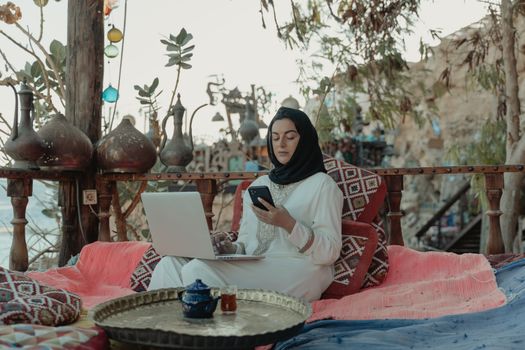
Forget the bustling resorts of Sharm El Sheikh or the historical grandeur of Cairo. For a truly unique and incredibly chill digital nomad experience, head to Dahab on Egypt's Sinai Peninsula. This former Bedouin fishing village has transformed into a laid-back hub for divers, yogis, and remote workers seeking sun, sea, and an incredibly strong sense of community.
Why it's a hidden gem:
Dahab is unlike anywhere else. It’s a place where the desert meets the Red Sea, offering world-class diving and snorkeling just steps from your guesthouse. The vibe is incredibly relaxed, almost bohemian. There are no high-rise hotels, just charming beachfront camps, guesthouses, and a pedestrian promenade lined with cafes and dive shops.
What to expect:
* Cost of Living: Unbeatable. I rented a simple but comfortable studio apartment with a sea view for €200 a month. Meals at local restaurants (think fresh fish, falafel, koshary) are typically €3-€7. A dive trip can be as low as €25-€35. My monthly expenses rarely exceeded €600.
* Community: Dahab has a long history of attracting long-term travelers and expats, so the community is well-established and incredibly welcoming. You'll find people connecting through dive centers, yoga studios, and the many beachfront cafes. There are active Facebook groups (like "Dahab Expats" or "Dahab Digital Nomads") for organizing meetups, sharing tips, and planning desert safaris or snorkeling trips.
* Lifestyle: Life in Dahab revolves around the sea and the desert. Mornings are often for diving or snorkeling in famous spots like the Blue Hole or Canyon. Afternoons are for work at a beachfront cafe with strong Wi-Fi, followed by sunset yoga or a stroll along the promenade. Evenings are for sharing shisha and stories under the stars. It’s a place that forces you to slow down and appreciate the simple beauty of nature.
* Visa: Many nationalities can obtain a visa on arrival for 30 days. For longer stays, you'll need to apply for an extension or a specific visa type. Always check the latest Egyptian visa regulations.
My insider tip:
Learn to dive! Dahab is one of the most affordable and incredible places in the world to get your PADI certification. My first dive at the Lighthouse reef, surrounded by vibrant coral and schools of colorful fish, was a truly transformative experience. It instantly connected me with the local diving community and opened up a whole new world.
---
5. Tbilisi, Georgia: The Caucasian Crossroads of Culture & Connectivity
Georgia, the country, not the US state, has been making waves in the digital nomad scene, largely thanks to its incredibly generous visa policy and its vibrant capital, Tbilisi. This ancient city, with its blend of old-world charm and modern flair, offers a unique European-meets-Asian experience that’s still refreshingly authentic and budget-friendly.
Why it's a hidden gem:
While it's gaining popularity, Tbilisi still flies under the radar compared to Lisbon or Berlin. Its 365-day visa-free policy for over 90 nationalities is a game-changer, allowing nomads to truly settle in and become part of the local fabric. The city is a fascinating mix of crumbling balconies, modern glass architecture, sulfur baths, and a thriving wine culture.
What to expect:
* Cost of Living: Very reasonable for a European capital. I found a stylish, centrally located apartment for €500-€600 a month. Delicious Georgian food (think khachapuri, khinkali, and incredible wine) is incredibly affordable, with a full meal often costing €10-€15. My monthly expenses typically ranged from €1000-€1300, including co-working.
* Community: Tbilisi has a rapidly growing and incredibly welcoming nomad community. Co-working spaces like Terminal or Impact Hub are bustling with entrepreneurs and creatives. There are numerous active Facebook groups ("Digital Nomads Georgia," "Expats in Tbilisi") that organize weekly meetups, hikes in the Caucasus mountains, wine tours, and cultural events. The community is diverse, with people from all over the world.
* Lifestyle: Tbilisi offers a dynamic lifestyle. Work mornings in a cool cafe or co-working space, then spend your afternoons exploring the winding streets of the Old Town, relaxing in the famous sulfur baths, or taking a cable car up to Narikala Fortress for panoramic views. Evenings are for indulging in Georgian feasts (supras) with endless toasts and incredible wine. The city is alive with art, music, and history.
* Visa: This is the big one! Georgia offers a 365-day visa-free stay for citizens of over 90 countries. This means you can live and work remotely in Georgia for an entire year without needing to apply for a visa. It's truly a nomad's dream. They also have a "Remotely from Georgia" program for long-term remote workers.
My insider tip:
Don't leave Tbilisi without experiencing a traditional Georgian supra (feast). I was invited to one by a local friend, and it was an unforgettable evening of delicious food, copious amounts of wine, and heartfelt toasts led by a tamada (toastmaster). It’s an incredible way to experience Georgian hospitality and culture firsthand.
---
6. Porto, Portugal: Europe's Authentic Charm, Minus the Lisbon Crowds
Lisbon gets all the hype, and for good reason, it's a fantastic city. But if you’re looking for Portugal’s charm, delicious food, and friendly locals without the relentless tourist hordes and escalating prices, then Porto is your answer. It offers a more authentic, grounded European experience with a rapidly growing, yet still intimate, digital nomad community.
Why it's a hidden gem:
Porto feels like a city with a soul. Its historic Ribeira district, colorful tiled buildings, and the majestic Douro River create a picturesque backdrop without feeling overly curated. The pace is slower than Lisbon, the people are incredibly warm, and the cost of living is noticeably lower. It's a place where you can truly embed yourself.
What to expect:
* Cost of Living: More affordable than Lisbon, but still a Western European city. I found a lovely one-bedroom apartment near the city center for €700-€900 a month. Eating out can be very reasonable, especially if you opt for local tascas (traditional restaurants) where a hearty meal might cost €8-€12. My monthly expenses were typically €1200-€1600.
* Community: Porto’s nomad community is robust but friendly. Co-working spaces like Porto i/o or Selina Porto are popular hubs. Active Facebook groups (e.g., "Digital Nomads Porto," "Expats & Locals in Porto") organize weekly coffee meetups, surf trips to nearby beaches, language exchanges, and cultural events. It's a great blend of international and local connections.
* Lifestyle: Porto offers a rich cultural and culinary lifestyle. Work mornings in a charming cafe, then spend your afternoons exploring the historic center, visiting port wine cellars in Vila Nova de Gaia, or taking a scenic tram ride to the coast. Evenings are for enjoying Fado music, savoring a francesinha (Porto's iconic sandwich), or simply watching the sunset over the Douro River.
* Visa: As part of the Schengen Area, most non-EU citizens can stay for 90 days within a 180-day period. Portugal has a popular D7 passive income visa and a new Digital Nomad Visa, making it an excellent option for long-term stays if you meet the requirements.
My insider tip:
Don't just stick to the main tourist areas. Explore the Foz do Douro neighborhood, where the river meets the ocean. It has beautiful beaches, a lovely promenade, and fantastic seafood restaurants that are popular with locals. I spent many an afternoon walking along the coast, enjoying the fresh sea air, and feeling truly at home.
---
Beyond the Hype: Practical Tips for Finding Your Tribe
These communities aren't just about the location; they're about the people and the shared experience. Here's how to make the most of them and find your own hidden gems:
- Do Your Research (Beyond Instagram): Look for Facebook groups with "Digital Nomads [City Name]" or "Expats in [City Name]". Check out co-working space websites; they often list community events. Read blog posts from less mainstream travel sites.
- Embrace Co-working Spaces: These are often the nerve centers of nomad communities. Invest in a membership, even for a week, and actively participate in their events. It's the easiest way to meet like-minded individuals.
- Join Local Meetups: Use apps like Meetup.com or check local event listings for language exchanges, hiking groups, or skill-sharing workshops. This helps you connect with both nomads and locals.
- Stay Longer, Go Deeper: The magic of these communities isn't found in a week-long visit. Plan for at least a month, ideally two or three. This allows you to move beyond superficial interactions and build genuine friendships.
- Learn a Few Local Phrases: A little effort goes a long way. Even a few basic greetings and thank yous in the local language will open doors and show respect, leading to richer interactions.
- Volunteer or Engage Locally: Find opportunities to contribute to the local community. This is a fantastic way to meet locals, understand the culture, and give back to the place that's hosting you.
- Be Open and Approachable: Strike up conversations at cafes, markets, or parks. Don't wait for people to come to you. The digital nomad community is generally very welcoming.
- Prioritize Connection Over Content: Remind yourself why you're there. Is it to get the perfect shot, or to have a meaningful experience? Focus on the latter, and the former will naturally follow (if that’s still your goal!).
---
Ready to Ditch the Filters and Find Your Authentic Nomad Life?
The digital nomad lifestyle isn't about chasing likes or mimicking a perfectly curated feed. It's about freedom, discovery, and finding a community that truly supports your journey. The places I've shared are more than just pin-drops on a map; they are vibrant ecosystems where you can thrive, connect, and truly belong.
So, are you ready to pack your bags, leave the influencer hotspots behind, and embark on an adventure that's rich in authentic experiences and genuine connections? The world is full of incredible, untapped communities waiting for you to discover them. Your next great chapter isn't on Instagram; it's out there, waiting to be lived.
Which secret digital nomad community are you exploring first? Share your thoughts and any hidden gems you've found in the comments below! And if you found this guide helpful, spread the word – let's build a community of authentic travelers!
---