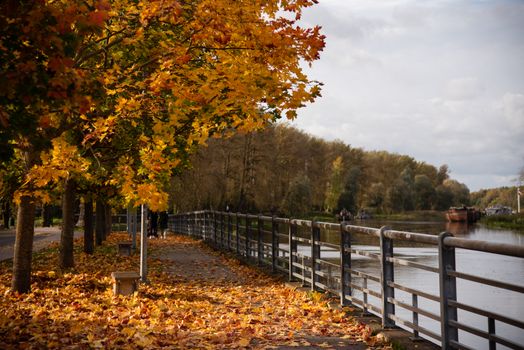
November sits in an interesting spot on the travel calendar. In the northern hemisphere, summer crowds have gone, autumn colour is fading, and holiday markets are only beginning to open. In the southern hemisphere, spring is bringing warmth and long days. Prices for flights and rooms are often lower than at peak times, and popular sights can feel calmer. But November has its own set of traps, from seasonal closures to inflated early-holiday prices. This guide helps you plan a smart November trip, whichever hemisphere you head to. Details change from year to year, so check official sources for dates and opening hours.
Why November can be a smart month
There are real advantages to traveling in November:
- Fewer visitors. Many cities and national sights see lower numbers than in summer, which means shorter queues and easier bookings.
- Better value. Accommodation in many destinations is cheaper than in peak season, though this varies, especially around big events or holidays.
- Mild weather in the right places. Warm regions such as parts of Southeast Asia, the Middle East and Central America are entering their drier, more comfortable periods.
- A more local feel. With fewer groups around, cafes and neighbourhoods return to their daily rhythm.
The trap is assuming this is true everywhere. Some places hit their busiest weeks in November, and others close down nearly completely.
Trap one: the closed-for-the-season surprise
In many coastal and mountain destinations, November is a "between seasons" month. Beach clubs close, ferries run on reduced timetables, ski lifts have not yet opened, and some hotels and restaurants take their annual break.
How to avoid disappointment:
- Check ferry, bus and train timetables for the month you are going. Winter schedules often start in autumn.
- Look at the websites of specific attractions to confirm opening days and hours.
- Email or message small hotels and restaurants to confirm they are open.
- Choose destinations that are year-round, such as larger cities, or places where November is in season.
- Have a backup plan, such as a museum or spa day, in case outdoor activities are not available.
Trap two: early holiday markets and inflated prices
From mid to late November, many European cities start their Christmas markets, and other regions begin their holiday seasons. Markets are charming, but they attract large crowds and the stalls closest to the main square can be expensive.
Smart habits:
- Visit on weekday afternoons, when it is quieter, and on weekends earlier in the day.
- Look at smaller neighbourhood markets as well as the famous ones. Many towns have local versions with more crafts and fewer souvenirs.
- Compare food stall prices before choosing, and look for places with queues of locals.
- Be aware that mugs, ornaments and food at central stalls often cost more than in surrounding streets.
- Check opening dates for each market. Many open in the last week of November.
- Keep an eye on your belongings in crowds.
If you are wondering whether to go for the first week of markets or wait, early visits can mean thinner crowds, though not every stall will be ready.
Trap three: weather-blind itineraries
November weather can range from lovely to harsh. In northern Europe and North America, days are short and cold. In parts of South and Southeast Asia, the rainy season may linger, while other regions are dry. In the Caribbean, the hurricane season formally runs into late November.
Plan realistically:
- Check typical conditions for your destination and month, not just today's forecast.
- Pack layers, a waterproof jacket and comfortable shoes.
- Build shorter days around daylight hours in northern regions. Sunset can arrive in the late afternoon.
- Book flexible or refundable options if the weather could disrupt plans.
- Consider travel insurance that covers delays and cancellations, and read the terms carefully, because coverage varies.
Trap four: tours that pad the schedule
Fewer visitors in the off-season means some tour operators cancel departures or combine groups. Others pad their tours with shopping stops to boost income. Read itineraries closely and confirm:
- Minimum group size and what happens if a tour is canceled.
- Whether the sights on the tour are open in November.
- How much time is spent at each place.
- Whether you can get a refund or reschedule.
For small towns, a locally run walking tour or a private guide can be better value in the quiet season.
Trap five: holiday and event dates you did not know about
Many holidays fall in or near November, and they can change prices and availability. Depending on where you go, you might find:
- Public holidays and long weekends. Several countries have holidays or school breaks in autumn that fill trains and hotels.
- Festivals. Some of the world's major festivals happen around this time. Dates for lunar-calendar celebrations shift each year, so check the current calendar.
- Thanksgiving week in the United States. One of the busiest travel periods for domestic trips, with high airfare and crowded airports.
- Big events. Sporting fixtures, trade fairs and conferences can drive hotel prices up overnight.
A quick search for "events in [city] in November" before you book prevents unpleasant surprises.
Eating well in the quiet season
Restaurants near major sights may have shorter hours or reduced menus. In popular spots, the tourist menu stays the same year-round. Use the usual tricks, such as walking a few blocks away, checking menus and following local diners, and add a few seasonal ideas:
- Seek out seasonal dishes. November often brings stews, roasted vegetables, mushrooms, chestnuts, game and new wine in some regions.
- Try bakeries and cafes that serve warming drinks.
- Look for set lunch menus, which can be good value.
- Reserve for dinner on weekends, especially in smaller towns where only a few restaurants stay open.
Sample ideas for different types of November trips
A city break
Choose a city with plenty of indoor attractions, such as museums, galleries, covered markets and historic cafes. Visit major sights at opening time, and use late afternoons for markets and walks as the lights come on.
A warm-weather escape
Look for destinations entering their dry season, then check that the specific island or coast you want is operating normally. Smaller boat operators and diving businesses sometimes begin their season later.
A nature trip
Autumn can be spectacular for walking and wildlife, such as migrating birds. Check trail conditions, daylight hours and mountain weather. Higher routes may already be affected by snow.
A cultural trip
Festivals and harvest celebrations offer an insight into local life. Learn about etiquette and, where appropriate, ask before taking photos.
Booking advice
- Book flights and key accommodation early if your dates fall on a holiday week.
- Be cautious about last-minute "deals" that look unusually cheap. Compare the total cost, including fees and cancellation terms.
- Use official ticket sellers for major attractions.
- Keep digital and paper copies of reservations.
- Check entry requirements for your destination and passport validity well before travel, using the official government source.
A short November checklist
- Confirm opening days for attractions, restaurants and transport.
- Check holidays, festivals and events.
- Pack for the actual climate, with layers.
- Plan around daylight.
- Book key items early and keep flexibility elsewhere.
- Choose local over tourist-oriented food and activities.
- Allow a buffer for travel delays.
Packing and logistics for the in-between month
November packing can be tricky because conditions swing. A few practical thoughts:
- Layers beat single heavy coats. A thin base layer, a warm mid-layer and a waterproof shell adapt to changing days and to heated indoor spaces.
- Footwear matters. Wet cobblestones, leaf-covered paths and muddy trails are common in autumn. Shoes with a good grip are worth the space.
- Bring a small power bank. Cold weather drains phone batteries faster, and you will rely on your phone for maps and tickets.
- Carry a compact umbrella or hat. Rain and wind are possible almost anywhere.
- Keep documents handy. Airports and stations can be busy around holidays, so organize tickets and passports in one place.
Getting around when timetables shift
Public transport in November can differ from summer in several ways. Regional trains may run less often, mountain cable cars may be closed for maintenance, and some ferries pause altogether. Check the operator's own website rather than a third-party aggregator, which may show outdated information. If you plan to drive, learn about local rules for winter tyres or snow equipment, which can be mandatory in some regions from autumn. Rental companies can advise on what is included.
Using the quiet season to your advantage
Because there are fewer visitors, you can often do things that are impossible in summer. You might book a table at a famous restaurant on short notice, take a leisurely visit to a popular museum, or stay in a boutique hotel at a reasonable rate. Locals also tend to have more time to chat. If a small business is open in the off-season, a visit supports people who rely on year-round custom, and that kind of spending tends to be welcomed.
It is also a good time for activities that suit cooler weather: thermal baths, wine cellar visits, cooking classes, craft workshops, indoor markets and long lunches. In warm regions, it is a comfortable time for hiking, cycling and exploring ruins without extreme heat.
Money-saving notes that avoid false economies
Lower prices are tempting, but a few cautions help:
- A very cheap hotel may be in a place that is closed or distant from services in the off-season.
- Discount tours may be canceled if not enough people sign up.
- Flight deals can come with strict baggage and change rules.
- Currency and ATM fees can erode savings, so check your bank's policies.
Look at the full cost, not just the headline price.
Frequently asked questions
Is November a good month for budget travel?
Often yes, especially in destinations outside their peak season. However, holiday weeks and major events can raise prices, so compare dates.
Will everything be closed in the off-season?
Not everywhere. Large cities stay active, while small resort towns may be quiet. Always verify before you book.
Are Christmas markets worth visiting in November?
They can be, particularly on weekdays when crowds are lighter. Check each market's opening date, as many begin in the last week of the month.
How do I avoid scams in quieter months?
The same rules apply: use licensed transport, check prices, ignore pushy touts and buy tickets from official sellers. Fewer people around may make you more of a target for hawkers, so stay confident and polite.
Summary
November rewards travelers who plan for the season. Check closures and timetables, understand holiday dates, dress for the real weather and choose local, seasonal food over tourist menus. Prices and schedules change from year to year, so confirm everything with official sources before you go. Done well, a November trip can be quieter, cheaper and more rewarding than a peak-season visit.