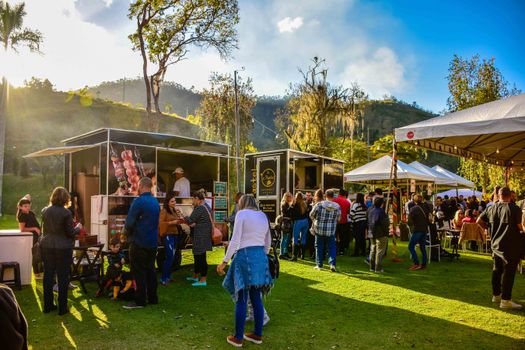
The Secret Ingredient: Unearthing the World's Best "Locals Only" Food Festivals
There’s a specific kind of thrill that comes with travel, isn’t there? It’s not just about seeing famous landmarks; it’s about that moment when you stumble upon something truly authentic, something off-the-beaten-path, something that feels like a whispered secret shared just with you. For me, that thrill often comes wrapped in a delicious aroma, served on a chipped plate, and enjoyed amidst the joyous cacophony of a local food festival.
I remember my first taste of this magic. I was a fresh-faced backpacker in Italy, trying to "do as the Romans do," which mostly involved eating a lot of pasta and getting lost in charming alleyways. One sweltering August afternoon, I overheard two nonnas passionately arguing about the best way to prepare porchetta for "the festival." My ears perked up. "What festival?" I dared to ask, my rudimentary Italian barely holding up. They looked at me, then at each other, then back at me, as if I’d just asked for the recipe for eternal youth. After some charming persistence (and probably a very confused look on my face), they relented, pointing me towards a tiny village nestled in the hills of Lazio.
What I found there wasn't on any tourist brochure. It was the annual Sagra della Porchetta – a celebration of roasted pork so succulent, so perfectly seasoned, it made every other porchetta I'd ever tasted pale in comparison. The air buzzed with laughter, wine flowed freely, and the entire village danced to folk music. There wasn't a single tour bus in sight, just families, friends, and me, an accidental guest, feeling like I’d just won the culinary lottery.
That experience ignited a passion. Since then, my mission has been to sniff out these hidden gastronomic treasures – the food festivals locals adore, protect, and yes, sometimes actively try to keep from the tourist hordes. Why? Because these aren't commercialized events designed for your Instagram feed (though they are highly Instagrammable!). They're celebrations of heritage, community, and the purest joy of food.
I've crisscrossed continents, followed whispers, and made friends with countless grandmothers to bring you this exclusive guide. These aren't just festivals; they're invitations to truly live and eat like a local. So, pack your bags, loosen your belt, and get ready to discover six food festivals worth planning an entire trip around – before the secret gets out.
1. The Rustic Charm of Italy’s Autumn: Sagra della Castagna e del Marrone (Chestnut & Marron Festival), Soriano nel Cimino, Lazio, Italy
Why it's a local secret:
While Italy is famous for its food, most tourists flock to the big cities or coastal regions. The Sagra della Castagna, deep in the Viterbese Tuscia region, is a deeply rooted autumnal tradition, celebrating the area’s prized chestnuts and marrons. It’s a community affair, with medieval parades and historical reenactments, all centered around the harvest. Locals cherish its authenticity and the way it brings generations together.
My personal taste adventure:
I arrived in Soriano nel Cimino in late October, the air crisp with the scent of woodsmoke and damp earth. The village, normally sleepy, was transformed. Flags bearing medieval crests adorned ancient stone buildings, and locals dressed in period costumes paraded through the narrow streets. But the real spectacle was the food. Roasting chestnuts popped and hissed over open fires, their sweet, smoky aroma intoxicating. I devoured gnocchi di castagne (chestnut gnocchi) with a rich wild boar ragu, followed by castagnaccio (a dense chestnut cake) and marrons glacés (candied chestnuts) that melted in my mouth. Everything was paired with local red wine, of course. I spent an evening dancing in the piazza, feeling more Italian than I ever have, sharing laughter and stories (mostly in gestures) with the kindest locals. It felt like stepping back in time, a truly uncommercialized joy.
What to expect & how to blend in:
* When: Mid to late October, usually over two weekends.
* Cost: Entry is free; food items range from €3-€15. Wine is plentiful and affordable.
* What to eat: Roasted chestnuts (caldarroste), chestnut gnocchi, chestnut soup, chestnut desserts, local porchetta, and regional wines.
* Practical tips: Book accommodation in advance in Soriano or a nearby town like Viterbo. Learn a few basic Italian phrases – it goes a long way. Dress warmly for autumn evenings. Don’t expect English menus; embrace the adventure and point!
* Instagram-worthy moments: The medieval parade, piles of roasted chestnuts, ancient village backdrop, smiling locals.
2. Vietnam's Mekong Delta Delight: Lễ Hội Bánh Xèo (Crispy Pancake Festival), Cần Thơ, Vietnam
Why it's a local secret:
Everyone knows about pho and spring rolls, but the Bánh Xèo festival is a hyper-local celebration of a specific, beloved dish in the Mekong Delta. While tourists might visit Cần Thơ for its floating markets, this festival is a deeper dive into regional culinary pride, often held in smaller, less-trafficked areas or dedicated community spaces. It’s a family affair, with secret recipes and friendly competition.
My personal taste adventure:
Following a tip from a local guide in Ho Chi Minh City, I ventured to Cần Thơ. The festival wasn't prominently advertised, but the buzz was undeniable. I found it in a bustling community park, filled with dozens of sizzling woks and the sweet-savory scent of coconut milk and turmeric. Bánh Xèo are crispy, savory pancakes made from rice flour, coconut milk, and turmeric, filled with shrimp, pork, and bean sprouts, then folded and served with fresh herbs and a dipping sauce. Each stall had its own secret recipe, a unique twist on the dipping sauce or the crispiness of the batter. I spent hours sampling, my taste buds alive with the explosion of textures and flavors. My favorite was a tiny stall run by an elderly woman whose pancakes were impossibly thin and crisp, served with a fiery fish sauce. She taught me how to properly wrap a piece of the pancake in lettuce with herbs before dipping – a true masterclass.
What to expect & how to blend in:
* When: Varies, often in late spring or early summer, but check local tourism boards (or ask locals!) for exact dates in Cần Thơ or surrounding Mekong Delta towns.
* Cost: Very affordable. Each bánh xèo costs around 20,000-40,000 VND (€0.75-€1.50).
* What to eat: Endless varieties of bánh xèo, fresh spring rolls, local Mekong Delta specialties, and refreshing sugarcane juice.
* Practical tips: Stay in Cần Thơ, use a motorbike taxi or Grab to get around. Be prepared for heat and humidity. Embrace squatting on tiny plastic stools. Don't be afraid to try different stalls – each offers a unique take. Learn "Cảm ơn" (thank you).
* Instagram-worthy moments: Sizzling woks, vibrant fresh herbs, beautifully folded pancakes, bustling street scenes.
3. Mexico's Patriotic Plate: Feria del Chile en Nogada (Chile en Nogada Fair), Calpan, Puebla, Mexico
Why it's a local secret:
While Chile en Nogada is a famous dish from Puebla, the Feria in Calpan is a hyper-local celebration focused on the specific, seasonal ingredients from this very region. It's a deep dive into the dish's history and the community that produces its key components – the poblano peppers, walnuts, and pomegranates. It’s a very proud, very Mexican event, less about tourism and more about celebrating heritage.
My personal taste adventure:
I arrived in Calpan, a small town outside Puebla city, in late August, just as the pomegranates were ripening. The air was thick with anticipation. The Feria del Chile en Nogada is a vibrant spectacle, a culinary masterpiece on display. Chile en Nogada is a poblano pepper stuffed with picadillo (a mixture of ground meat, fruits, and spices), topped with a creamy walnut sauce (nogada), and garnished with fresh pomegranate seeds and parsley – mirroring the colors of the Mexican flag. Each family, each restaurant, has its fiercely guarded recipe. I spent an afternoon sampling different versions, amazed by the subtle variations in spice, sweetness, and the richness of the nogada. I even got to witness a live cooking demonstration, learning about the painstaking process of peeling walnuts by hand to ensure the sauce stays perfectly white. It was a delicious lesson in Mexican history and pride.
What to expect & how to blend in:
* When: Typically late July to early September, coinciding with the harvest of walnuts and pomegranates.
* Cost: Chile en Nogada dishes range from 150-300 MXN (€7-€14). Other local foods are very affordable.
* What to eat: Chile en Nogada (of course!), other regional Pueblan dishes, fresh fruit aguas frescas, and local sweets.
* Practical tips: Stay in Puebla city and take a bus or taxi to Calpan (about an hour). Knowing some Spanish is beneficial. The festival is usually quite family-oriented, so be respectful. Try to engage with the vendors; they love to talk about their food!
* Instagram-worthy moments: The stunning tri-color dish itself, colorful market stalls, traditional Mexican attire, the vibrant atmosphere.
4. Japan's Winter Seafood Treasure: Himi Buri Matsuri (Himi Yellowtail Festival), Himi, Toyama Prefecture, Japan
Why it's a local secret:
While Tsukiji Market in Tokyo is world-famous, the Himi Buri Matsuri is a regional celebration focused on a specific, seasonal delicacy: buri (Japanese amberjack or yellowtail) caught off the coast of Himi during winter. This festival is deeply ingrained in the local fishing community's calendar, a celebration of a bountiful catch that sustains their livelihoods. It's less about tourism and more about sharing the season's finest with neighbors.
My personal taste adventure:
My journey to Himi in January was a cold, but incredibly rewarding one. Located on the Sea of Japan coast, Himi is renowned for its buri. The festival is a lively affair, despite the biting winter air. Fishermen proudly display their massive catches, and the air is filled with the aroma of grilling fish. I tried buri sashimi so fresh it practically melted on my tongue, followed by buri shabu-shabu (thinly sliced buri briefly cooked in hot broth), and buri daikon (buri simmered with daikon radish). The highlight was watching skilled chefs expertly fillet the fish, then sampling the buri meshi (rice mixed with buri). The sheer quality and freshness of the seafood were unparalleled. It felt like being welcomed into a fishing family's most cherished tradition.
What to expect & how to blend in:
* When: Usually late January to early February, when buri is at its prime. Dates can vary based on catch.
* Cost: Entry is free. Dishes range from 500-2000 JPY (€3-€13).
* What to eat: Buri in every conceivable preparation: sashimi, shabu-shabu, grilled, stewed, fried. Also local sake and other Toyama seafood.
* Practical tips: Himi is accessible by train from Toyama City. Dress very warmly; it's winter on the coast. Embrace the bustling market atmosphere. Be prepared for raw fish if you're adventurous! Learning a few Japanese phrases will be appreciated.
* Instagram-worthy moments: Massive buri on display, steaming shabu-shabu pots, colorful seafood stalls, the scenic coastal backdrop.
5. The Unconventional Delicacy: Festival do Caracol (Snail Festival), Castro Marim, Algarve, Portugal
Why it's a local secret:
Portugal's Algarve region is famous for its stunning beaches and fresh seafood. But away from the crowded tourist resorts, in charming inland towns like Castro Marim, locals gather to celebrate a more unusual, yet deeply traditional, delicacy: snails. The Festival do Caracol is a low-key, community-focused event that highlights a beloved summer snack, often enjoyed with beer or wine among friends. It's not advertised to draw international crowds, but rather to bring the community together.
My personal taste adventure:
I stumbled upon the Festival do Caracol in Castro Marim during a scorching July evening. The main square was transformed into a lively open-air restaurant, buzzing with chatter and the clinking of glasses. Tables were laden with steaming bowls of snails, prepared in a myriad of ways: simply boiled with garlic, oregano, and piri-piri; stewed in a rich tomato sauce; or even served in a delicate garlic butter. My initial hesitation quickly dissolved as I watched locals expertly extracting the snails from their shells with tiny picks. I ordered a plate of the classic garlic and herb snails, paired with a chilled local beer. The texture was surprisingly tender, and the garlicky broth was addictive. It was an incredibly social event, with families and friends sharing plates, laughing, and enjoying the warm evening air. It felt like I'd been invited to a giant, delicious backyard barbecue.
What to expect & how to blend in:
* When: Typically held over a few days in July or August.
* Cost: Very affordable. A plate of snails costs around €5-€10, beers are €1-€2.
* What to eat: Snails prepared in various styles, local bread, cheese, and plenty of beer or vinho verde.
* Practical tips: Castro Marim is easily reached by car or bus from Faro or Tavira. Don't be squeamish – just try them! It’s a very relaxed, casual atmosphere. Embrace the communal dining experience.
* Instagram-worthy moments: Piles of snails, people enjoying themselves, the historic castle backdrop of Castro Marim, vibrant evening atmosphere.
6. The Forager's Feast: Wild Mushroom Foraging Festival, Willamette Valley, Oregon, USA
Why it's a local secret:
While Oregon is known for its craft beer and wine, its dense forests are also a paradise for foragers. This "festival" (sometimes more of a series of workshops and gatherings) isn't a single, massive event but a collection of smaller, highly specialized celebrations centered around the autumn mushroom harvest. It's a niche community of mycophiles (mushroom enthusiasts) and chefs who value sustainable foraging and the incredible flavors of the Pacific Northwest. You won't find billboards for this one; it's passed by word-of-mouth and through specific communities.
My personal taste adventure:
My introduction to Oregon's wild mushroom scene came through a chance encounter with a local chef at a farmers' market. He spoke passionately about the "fall bounty" and pointed me towards a small, almost clandestine gathering in the Willamette Valley. This wasn't a typical festival with stalls; it was an immersive experience. I joined a guided foraging walk through ancient forests, learning to identify chanterelles, porcini, morels, and even the elusive matsutake. Later, at a pop-up dinner in a rustic barn, these freshly foraged treasures were transformed into exquisite dishes: wild mushroom risotto, pan-seared chanterelles with herbs, and a surprisingly delicious mushroom pâté. The air was filled with the earthy aroma of the forest and the rich scent of cooking. It was a true farm-to-table (or forest-to-table!) experience, connecting me deeply with the land and its culinary gifts.
What to expect & how to blend in:
* When: Mid-September to November, coinciding with the peak mushroom season. Specific dates vary by organizer.
* Cost: Foraging tours can range from $50-$150. Pop-up dinners vary, often $75-$200 for a multi-course meal.
* What to eat: Whatever is in season! Expect chanterelles, porcini, matsutake, morels, and other gourmet wild mushrooms prepared by local chefs.
* Practical tips: Research local foraging groups, culinary schools, or high-end restaurants in the Willamette Valley (e.g., McMinnville, Newberg) that might host events. Book well in advance as spots are limited. Wear sturdy hiking shoes and dress in layers. Never eat a wild mushroom unless you are 100% certain of its identification by an expert.
* Instagram-worthy moments: Baskets brimming with freshly picked mushrooms, misty forest scenes, beautifully plated gourmet mushroom dishes, cozy rustic settings.
Your Passport to Authentic Flavors: How to Find Your Own Secret Festival
Now that I've let you in on some of my favorite secrets, you might be wondering: how do I find these gems? It's not always easy, but here are my top tips for uncovering your own "locals only" food festivals:
- Go Local, Ask Local: This is paramount. Engage with locals – hotel staff, shopkeepers, café owners, even taxi drivers. Ask about sagre (Italian for local festivals), ferias (Spanish/Portuguese for fairs), or matsuri (Japanese for festivals). Be specific: "Are there any food festivals happening soon, particularly for [local ingredient]?"
- Timing is Everything: Many of these festivals are tied to harvests or specific seasons. Research what ingredients are seasonal in a region you plan to visit. For example, olives in autumn, strawberries in spring, specific fish in winter.
- Dive into Local Tourism Sites (Carefully!): Check the "events" or "cultural calendar" sections of smaller, regional tourism websites, not just the big national ones. Sometimes they'll list hyper-local events. Google Translate is your friend!
- Embrace the Off-Season/Shoulder Season: Traveling during peak tourist season means you're more likely to encounter tourist-focused events. Shoulder seasons (spring/autumn) or even off-season travel can lead to more authentic local experiences.
- Follow Local Food Bloggers & Forums: Seek out local food enthusiasts or ex-pats living in the region you're visiting. Their blogs or forum posts might reveal hidden gems.
- Be Flexible & Adventurous: Sometimes, the best festivals are discovered by pure serendipity. Be open to changing your plans, taking a detour, or following a local's recommendation, even if it seems a bit out of the way.
The Ultimate Takeaway: Travel Beyond the Brochure
These aren't just food festivals; they're windows into the soul of a place. They offer a chance to connect with people, understand traditions, and taste flavors that have been perfected over generations. When you attend one of these "locals only" events, you're not just a tourist; you're an honored guest, sharing in a community's deepest culinary joys.
So, what are you waiting for? Stop dreaming about those bucket-list destinations and start planning a trip around one of these incredible, authentic food experiences. Trust me, your taste buds (and your travel memories) will thank you.
Which of these secret festivals sparks your wanderlust the most? Or perhaps you know of a hidden gem I missed? Share your thoughts in the comments below! And don't forget to share this post with your fellow food-loving adventurers – let's uncover more of these incredible culinary secrets together!
---