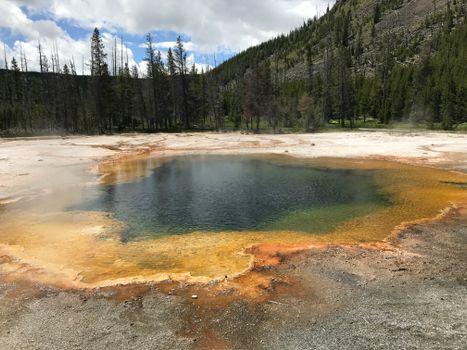
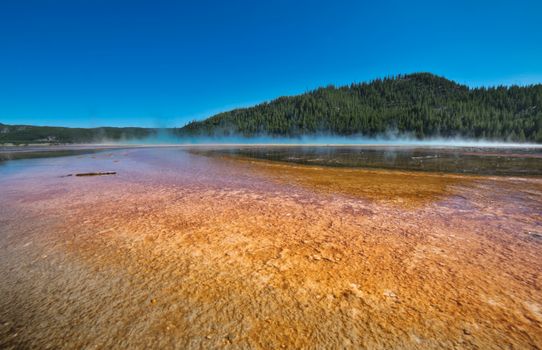
The steam rose like a whispered secret, curling around ancient pines as the crisp mountain air bit at my cheeks. Below, a pool of water, impossibly clear and steaming, beckoned. There were no signs, no paved paths, just a faint, muddy trail leading to this secluded oasis. My boots were caked in mud, my hair was a wild mess from the hike, and my phone had long since lost signal. But as I slipped into the mineral-rich warmth, feeling the day’s journey melt away, I knew I’d found it – one of those mythical hidden hot springs that locals guard with a knowing smile and a cryptic nod.
It wasn't a fancy resort with swim-up bars or a well-documented tourist attraction. This was raw, untamed nature, a gift from the earth, and an experience so profoundly peaceful it felt almost sacred. For years, I’ve chased these whispers of geothermal magic, trading well-trodden paths for overgrown trails, and popular guidebooks for hushed conversations with seasoned travelers and curious locals. And let me tell you, the payoff is always worth it. If you’re yearning for a truly authentic, mind-blowing soak that connects you with nature on a deeper level, then ditch the crowds and join me. We’re going off the grid to uncover the world’s best-kept hot spring secrets.
The Allure of the Undiscovered: Why Go Wild?
Why bother with a strenuous hike, navigating obscure maps, and risking a dead-end, when you could just book a spa day? The answer, my friends, lies in the experience. Commercial hot springs, while often luxurious, can feel… sterile. They lack the wild heart, the sense of discovery, and the profound quiet that comes from being truly immersed in nature.
Hidden hot springs offer:
- Unparalleled Serenity: Imagine soaking under a canopy of stars, with only the sounds of a distant river or rustling leaves for company. No screaming kids, no bustling crowds, just pure, unadulterated peace.
- Authentic Connection: These spots often remain pristine because they're respected by those who find them. You connect with the land, its history, and the subtle energy of the earth.
- The Thrill of Discovery: There’s something deeply satisfying about earning your soak. The journey becomes part of the reward, making the first dip all the more glorious.
- Budget-Friendly Bliss: Many wild springs are free or require only a small, voluntary contribution to local upkeep. Nature doesn’t charge an entrance fee!
- Instagram-Worthy (Naturally!): Forget staged photos. The raw beauty of these locations—steam rising from a jungle pool, natural rock formations, panoramic mountain views—provides effortlessly stunning backdrops.
The Art of the Hunt: How to Find Your Own Secret Soak
So, how do you find these elusive pools? It’s less about a precise GPS coordinate and more about cultivating a mindset of adventure and respect. Think of it as a treasure hunt, where the map is often fragmented and the clues are subtle.
- Talk to Locals (Respectfully!): This is your number one resource. Strike up conversations at local cafes, small-town general stores, or hiking trailheads. Don't demand information; rather, share your passion for nature and ask if they know of any "quiet places to relax in nature" or "beautiful spots off the main road." If they trust you, they might offer a cryptic hint or even a rough direction. Emphasize that you're a "leave no trace" traveler.
- Scour Obscure Maps & Forums: Online hiking forums, topographic maps, and even old, physical guidebooks can sometimes reveal hints of geothermal activity or "warm springs" without giving away the exact location. Look for areas marked with volcanic activity, unusual river bends, or place names like "Hot Creek" or "Warm Springs."
- Look for the Signs: In colder weather, steam rising from unexpected places (rivers, ravines, forest clearings) is a dead giveaway. In warmer climates, look for unusual vegetation (some plants thrive in geothermal heat) or mineral deposits around water sources.
- Hike Off the Beaten Path: Many hidden springs require a hike. Don’t be afraid to explore faint trails branching off main routes. Always be prepared with water, appropriate gear, and let someone know your plans.
- Be Prepared for the Journey: The "hidden" aspect often means a lack of infrastructure. This could mean a long drive down a bumpy gravel road, a challenging hike, or even a river crossing. Embrace the adventure!
The Unwritten Code: Hot Spring Etiquette & Sustainability
Finding a hidden gem comes with responsibility. These spots remain pristine because they’re treated with reverence.
- Leave No Trace: This is paramount. Pack out everything you pack in, and then some. Leave the spot cleaner than you found it. This includes organic waste like fruit peels – they take ages to decompose and attract wildlife.
- Respect the Peace: Keep noise levels down. These are places of solitude.
- No Soap or Shampoos: The chemicals can harm the delicate ecosystem of the spring.
- Respect Local Customs: Some springs might be considered sacred by indigenous communities. Be aware and respectful. If unsure, observe what locals do.
- Share Responsibly: If you do find a truly incredible, untouched spot, consider if sharing its exact location widely is the right thing to do. Sometimes, the magic lies in its obscurity. You can inspire others to seek their own discoveries without compromising a fragile ecosystem.
- Safety First: Wild springs can have varying temperatures, slippery rocks, and sometimes unstable ground. Test the water temperature carefully before entering. Be aware of your surroundings and any wildlife.
My Top (Semi-Secret) Soaks: A Glimpse into the Wild
Over the years, I've been fortunate enough to stumble upon some truly magical places. While I won't give you exact GPS coordinates (part of the adventure is finding them!), I’ll give you enough tantalizing detail to inspire your own quest.
1. The Emerald Cauldron, Pacific Northwest, USA
Location Hint:
Deep within the Cascades, nestled in a national forest east of a major coastal city. Requires a multi-mile hike.
The Vibe: Imagine stepping into a real-life fairy tale. This isn't a single pool, but a series of terraced, emerald-green pools carved into the hillside by centuries of mineral-rich water flow. Each pool is a slightly different temperature, ranging from pleasantly warm to almost too hot to handle. Towering old-growth trees provide a cathedral-like canopy, filtering sunlight into dappled patterns on the water.
My Story: I first heard about this place from a grizzled old ranger at a campground, who simply pointed vaguely towards a distant ridge and muttered, "There's warmth in those hills, if you know where to look." After a challenging 6-mile hike through dense forest, crossing a rushing river on a fallen log, I almost gave up. Then, a faint sulfuric scent on the wind, followed by a wisp of steam rising above the trees. Rounding a bend, I saw it – a cascade of vibrant green pools, utterly deserted. I spent hours there, moving from pool to pool, feeling the ancient earth beneath me, and watching a family of deer graze peacefully nearby. It was a moment of pure, unadulterated solitude and connection.
Practical Tips: This is a true "pack it in, pack it out" spot. No facilities. Best visited in late spring or early fall for pleasant hiking weather. Bring sturdy hiking boots, plenty of water, and a headlamp if you plan to stay past sunset (the stars are incredible!). Clothing optional is common here, given its remote nature.
Cost: Free.
2. The River of Steam, Remote Iceland
Location Hint:
Tucked away in the highlands, a few hours drive from Reykjavík, but far off the main tourist ring road. Requires a 30-45 minute hike from the nearest parking.
The Vibe: Forget the Blue Lagoon. This is Iceland's raw, untamed geothermal heart. Here, a river flows with naturally heated water, creating a surreal landscape where you can literally bathe in a warm river amidst rolling green hills. Small, makeshift rock walls line sections of the river, creating personal bathing areas of varying temperatures. The air is thick with the scent of sulfur, and steam rises from the ground in countless places.
My Story: After enduring the crowds at more famous Icelandic spots, a local farmer, seeing my camper van, suggested, "If you want real hot water, you go to the mountains, not the lagoons." He drew a crude map on a napkin. The drive was bumpy, the hike windy, but then I saw it – a river steaming against the stark, beautiful Icelandic landscape. I found a section where the hot and cold water mixed perfectly, built a small rock dam to create my own private pool, and lay back, watching the clouds scud across the vast sky. It felt like I was soaking in the very veins of the earth.
Practical Tips: The hike can be muddy and exposed to wind. Bring waterproof layers, good hiking shoes, and your swimsuit. There are no changing facilities, so be prepared to change behind a rock or towel. The temperature of the river varies greatly depending on the season and specific spot, so test carefully.
Cost: Free, but there might be a small parking fee for the designated lot.
3. Kusatsu Onsen's Secret Foot Bath, Japan
Location Hint:
While Kusatsu Onsen is famous, there's a lesser-known, truly rustic foot bath (ashiyu) hidden away from the main Yubatake, often overlooked by tourists. Ask locals in the quieter backstreets.
The Vibe: Kusatsu is known for its incredibly acidic, mineral-rich waters. While the main town is bustling, this particular ashiyu is tucked away down a narrow alley, next to a small, unassuming temple. It’s a simple, wooden trough, constantly replenished with steaming hot water directly from the source. It feels like a moment frozen in time, where local grandmothers chat quietly as they soak their weary feet.
My Story: I was wandering through Kusatsu, trying to escape the tourist throngs, when I noticed a small stream of steam rising from an alleyway. Following my nose, I found a tiny, almost hidden sign. Inside, two elderly Japanese women were giggling softly, their feet submerged in the bubbling water. They welcomed me with warm smiles and broken English. It was a simple experience, but the genuine warmth of the locals and the powerful, healing heat on my feet after a day of exploring made it unforgettable. It felt like I was truly experiencing local life.
Practical Tips: Unlike the wild springs, this is a public (though hidden) facility. Be respectful, keep noise down. No soap or full body bathing. Just for feet! It's scorching hot, so ease in.
Cost: Free.
4. The High-Altitude Oasis, Chilean Andes
Location Hint:
High in the Atacama Desert region, near the border with Bolivia, accessible via a long, unpaved road from San Pedro de Atacama. Often requires a tour guide or 4x4 vehicle.
The Vibe: These are some of the highest hot springs in the world, nestled in the stark, otherworldly beauty of the Altiplano. Think barren volcanic landscapes, vibrant turquoise lagoons, and snow-capped peaks against an impossibly blue sky. The springs themselves are usually simple, natural pools, often with a rustic changing hut (if any). The air is thin, the sun intense, but the water is a glorious, life-giving warmth.
My Story: The drive was brutal – hours on a washboard road, ascending to over 4,000 meters. My head ached from the altitude, and the landscape felt alien. But then, our guide pulled over, pointing to a small plume of steam rising from a rocky outcrop. After a short, breathless walk, we found a series of shallow, perfectly warm pools. Slipping into the water, with the vast, silent Andes stretching around me, the altitude sickness faded, replaced by a profound sense of peace and wonder. Watching flamingos feed in a nearby lagoon as the sun set, painting the sky in fiery hues, was a moment I’ll never forget.
Practical Tips: Acclimatize to the altitude in San Pedro de Atacama first. Bring warm layers for before and after your soak, as the air temperature drops quickly at high altitudes. Sunscreen and a hat are essential due to the intense UV. It's best to go with a local guide who knows the roads and can assist with any altitude sickness.
Cost: Often included in a multi-day tour package, or a small entrance fee to the local community managing the site.
Gear Up for Your Hot Spring Quest
Preparation is key for a comfortable and safe adventure.
- Sturdy Hiking Boots: Essential for reaching remote locations.
- Swimsuit & Towel: Quick-dry options are best.
- Water Bottle: Stay hydrated, especially if hiking.
- Snacks: Replenish energy after your trek.
- First-Aid Kit: Blisters, scrapes, and minor cuts are always possible.
- Headlamp/Flashlight: If you plan to be out at dawn or dusk.
- Map & Compass/GPS: Don't rely solely on your phone!
- Trash Bag: For practicing "leave no trace."
- Warm Layers: Even if the water is hot, the air can be chilly, especially at higher altitudes or after sunset.
- Sunscreen & Hat: Protect yourself from UV rays.
- Water Shoes/Sandals: For navigating slippery rocks in and around the springs.
- Small Backpack: To carry all your essentials.
Your Next Adventure Awaits
The world is brimming with these hidden pockets of geothermal wonder, waiting to be discovered by those willing to seek them out. Each secret hot spring offers not just a physical balm, but a spiritual one – a chance to unplug, reconnect with nature, and experience the pure magic of our planet.
So, pack your bags, lace up your boots, and let your curiosity guide you. The next time you're planning a trip, consider going beyond the guidebooks. Ask a local, follow a whisper, and embark on your own quest for a mind-blowing, hidden hot spring. You might just discover the most unforgettable soak of your life.
Have you stumbled upon a secret hot spring that blew your mind? Share your stories (and maybe just a hint of the location!) in the comments below. Let's inspire each other to explore responsibly and keep these natural treasures safe for generations to come!
---