Secret Soaks: Uncovering the Hidden Hot Springs Locals Keep Sacred
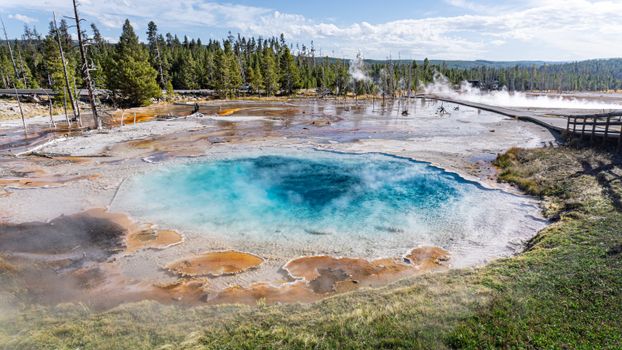
The scent of sulfur, the gentle murmur of water, and the hushed reverence of nature. This isn't your average spa day, nor is it the bustling, tourist-packed geothermal pools you see plastered across every travel brochure. No, this is something far more profound, far more personal. This is the magic of a hidden hot spring, a place so special, so utterly tranquil, that the locals who know it guard its existence like a precious secret. And today, with a promise of respect and responsibility, I'm going to share a few of my own carefully discovered gems with you, my fellow Tripsora adventurers.
My love affair with hidden hot springs began years ago, quite by accident. I was deep in the Pacific Northwest, chasing a waterfall I’d seen on a grainy old postcard. The trail was overgrown, the map barely legible. Just as I was about to turn back, convinced I was utterly lost, a wisp of steam caught my eye, rising through the dense canopy. Curiosity, as it often does, won out. I pushed through a curtain of ferns and there it was: a series of small, naturally carved rock pools, each a different temperature, fed by a gentle stream of steaming water. The air was crisp, the forest silent save for the distant call of a bird. I was the only soul there. Slipping into that warm, mineral-rich embrace, feeling the day's chill melt away, I realized I’d stumbled upon something truly extraordinary. It wasn't just a soak; it was an initiation into a secret society of nature lovers, a communion with the earth itself.
That moment ignited a passion. Since then, I’ve made it my mission to seek out these elusive thermal treasures, not to exploit them, but to experience them authentically and, perhaps, inspire others to do the same – responsibly. Because while the allure of a hidden gem is undeniable, the responsibility that comes with its discovery is paramount.
The Allure of the Untouched: Why Go Off-Grid for Your Next Soak?
In a world increasingly saturated with commercialized experiences, the appeal of the untouched is stronger than ever. Hidden hot springs offer an antidote to the noise, the crowds, and the manufactured perfection of mainstream tourism. Here’s why chasing these elusive pools should be on every discerning traveler's list:
- Authenticity Unveiled: These aren't manicured pools with swim-up bars. They are raw, wild, and often untamed. You're experiencing nature as it truly is, feeling the texture of the rock, smelling the earth, and connecting with the land on a deeper level. It’s a genuine travel experience, a true adventure.
- Solitude and Serenity: Imagine soaking under a canopy of stars, or with the morning mist rising around you, the only sound the gentle gurgle of the spring itself. The peace found in these secluded spots is unparalleled. It's a chance for true introspection and relaxation, a digital detox for the soul.
- Connection with Nature: Away from artificial lights and sounds, your senses awaken. You might spot local wildlife, feel the subtle shift in temperature as clouds pass, or simply marvel at the sheer beauty of an unspoiled landscape. It’s a profound reminder of our place within the natural world.
- The Thrill of Discovery: There’s an undeniable satisfaction in earning your soak. Whether it’s a long hike, a tricky navigation, or simply the patience required to find one of these spots, the reward feels all the sweeter for the effort.
- Supporting Local, Respecting Nature: Many of these spots are known only to small, local communities. By engaging with these areas respectfully, perhaps hiring a local guide or purchasing supplies from nearby villages, you contribute positively without overwhelming the fragile ecosystem or culture.
My first hidden spring wasn't just warm water; it was a revelation. It taught me that the best travel experiences often lie just beyond the well-trodden path, waiting for those willing to seek them out with an open heart and a respectful spirit.
The Unspoken Rules: Etiquette for Secret Soaks
Before we dive into some specific locations (and trust me, this is where it gets exciting!), we need to talk about the sacred covenant of the secret soaker. The very reason these places remain hidden and pristine is because those who know them cherish and protect them. When you visit, you become a guardian.
- Leave No Trace, Literally: This is non-negotiable. Pack out everything you pack in – and I mean everything. No wrappers, no bottles, no food scraps. Even organic matter can disrupt delicate ecosystems. Leave the place cleaner than you found it.
- Respect Privacy and Quietude: These are places of peace. Keep your voice low, avoid loud music, and be mindful of others who might be seeking solitude. If you encounter locals, offer a polite greeting but respect their space and privacy.
- Natural Products Only: No soaps, shampoos, or lotions, please. The chemicals in these products can severely pollute the natural water systems and harm wildlife. Your natural skin will thank you, and so will the environment.
- Check Local Regulations: Some areas might have specific rules about fires, camping, or even access times. A quick, discreet inquiry with a local ranger or tourism office (without revealing your specific quest!) can save you trouble.
- Be Prepared, Be Safe: Remote locations often mean no cell service, no amenities, and potential hazards. Carry enough water, appropriate gear, and let someone know your itinerary. Don't venture into areas you're not equipped to handle.
- Share Responsibly (or Not at All): This is the trickiest rule. While I'm sharing some general ideas, the true magic often lies in the personal discovery. If you find a truly pristine, delicate spot, consider keeping its exact coordinates to yourself. It's a difficult balance, but sometimes, the greatest act of love is protection through silence.
I remember once witnessing a group leave behind a pile of trash at a remote spring in the Rockies. The immediate anger I felt was quickly replaced by a sense of sadness. It underscored the fragility of these places and the importance of advocating for responsible travel. We are guests in nature's home; let's act like it.
My Top (Reluctantly Shared) Hidden Hot Spring Gems
Alright, fellow adventurers, this is where I reveal a few of my most cherished, off-the-beaten-path thermal oases. Remember, these are not easy finds, and their charm lies in their wildness. Exact coordinates won't be given – the thrill is in the chase and the respect for the local knowledge. Instead, I'll give you enough to point your compass in the right direction and inspire your own discovery.
1. The 'Emerald Oasis' – Pacific Northwest, USA
- Vibe: Lush, forested, mystical. Imagine stepping into an ancient elven bathhouse.
- Location Hint: Deep within a national forest, several hours drive from a major city like Portland, Oregon, or Seattle, Washington. Requires a moderate, sometimes challenging, hike of 3-5 miles through dense old-growth forest.
- Details: This isn't one large pool, but a series of tiered, naturally formed rock basins, each with slightly varying temperatures, fed by a hidden geothermal stream. Some pools are just big enough for one, others can comfortably fit a small group. The water is clear, with a faint mineral scent, and often surrounded by moss-covered rocks and towering fir trees.
- Best Time to Visit: Early spring or late autumn. The mist adds to the magic, and you'll avoid summer crowds (though crowds here are relative – maybe a handful of other respectful souls). Winter can be stunning but requires advanced backcountry skills.
- What to Bring: Sturdy waterproof hiking boots, swimsuit (optional, clothing-optional is common in many remote springs, so be prepared for either), quick-dry towel, plenty of water, snacks, a headlamp if you plan to stay late, and a small, waterproof bag for essentials.
- Price: Free, but parking at the trailhead often requires a national forest pass ($5-10/day or annual pass).
- My Anecdote: One crisp October morning, I arrived just as dawn was breaking. The steam rose like ghosts through the ancient trees, and a lone deer was drinking from a nearby stream, completely unfazed by my presence. Slipping into the warmest pool, watching the forest awaken around me, felt like a secret shared only with the wilderness itself. It was pure, unadulterated bliss.
2. 'Cascada Termal Escondida' (Hidden Thermal Waterfall) – Chilean Patagonia
- Vibe: Rugged, remote, breathtakingly wild. A reward for the truly adventurous.
- Location Hint: Nestled deep in the Aysén Region of Chilean Patagonia, accessible primarily via a combination of rough gravel roads and a multi-hour trek. You'll likely need a high-clearance vehicle or to arrange transport with a local guide from a town like Coyhaique.
- Details: This isn't a single spring, but a series of natural pools formed at the base of a geothermal waterfall, where hot mineral water cascades down volcanic rock. The pools vary in size and temperature, some intensely hot, others a perfect warm bath. The backdrop is dramatic Patagonian peaks and dense evergreen forests.
- Best Time to Visit: Mid-summer (December-February) for the best weather for the journey, though even then, expect unpredictable Patagonian conditions. The reward of a hot soak after a chilly hike is immense.
- What to Bring: All the essential hiking gear for a multi-day trip (if you choose to camp nearby), proper layering for unpredictable weather, water purification tablets, high-energy snacks, a quick-dry towel, and a sense of adventure. A local guide is highly recommended for navigation and safety.
- Price: Access is generally free, but the cost will be in transport and potentially a guide.
- My Anecdote: The journey to Cascada Termal Escondida was an adventure in itself. After a grueling day of driving and hiking, we finally reached the falls as the sun dipped below the mountains, painting the sky in fiery hues. Soaking in the steaming water, watching condors circle overhead, and then stargazing from the natural pools in the absolute silence of Patagonia was an experience that etched itself into my soul. It felt like I was at the edge of the world, and I was.
3. 'Ryokan no Himitsu' (The Ryokan's Secret) – Tohoku Region, Japan
- Vibe: Traditional, serene, deeply cultural, and exquisitely peaceful.
- Location Hint: Tucked away in the less-traveled Tohoku region of northern Honshu, Japan, typically within a small, family-run ryokan (traditional inn) that boasts its own private, outdoor onsen (hot spring bath) away from the main public baths. Search for "hidden onsen ryokan Tohoku" on Japanese travel sites.
- Details: Unlike the wild, untamed springs, this gem is a meticulously maintained, yet incredibly authentic, private outdoor bath. Often carved from natural stone or wood, it’s surrounded by bamboo groves, meticulously raked gardens, or offers views of a serene mountain landscape. The water is often rich in specific minerals, known for their therapeutic properties (e.g., skin softening, muscle relaxation).
- Best Time to Visit: Any season! Each offers a unique beauty: cherry blossoms in spring, vibrant greenery in summer, fiery maples in autumn, and steaming snowscapes in winter. Booking well in advance is crucial, as these small ryokans have limited capacity.
- What to Bring: Your sense of respect for Japanese culture, a small bag for your toiletries (which will usually be provided by the ryokan), and comfortable clothing.
- Price: The hot spring experience is part of the ryokan stay, which can range from ¥15,000 to ¥30,000+ per person per night, including a traditional multi-course dinner and breakfast. This is an investment in an experience, not just a soak.
- My Anecdote: After a day exploring ancient temples and quiet villages, slipping into the private outdoor onsen at a small ryokan near a village in Yamagata Prefecture was pure heaven. The air was cool, but the water was perfectly hot, fragrant with the scent of cypress. The only sound was the rustle of bamboo. It wasn't just a bath; it was a ritual of purification and peace, followed by the most exquisite kaiseki dinner. It showed me that "hidden" doesn't always mean "roughing it."
4. 'Iceland's Geothermal River' (Wild Side) – Reykjadalur Valley, Iceland
- Vibe: Stark, dramatic, otherworldly, and surprisingly accessible for its wildness.
- Location Hint: While Reykjadalur is somewhat known, the trick is knowing how to find the truly hidden and less-trafficked spots along the river. It's about a 45-minute drive from Reykjavik, followed by a moderate 45-60 minute hike uphill.
- Details: This is less a "spring" and more a geothermal river where the water temperature varies along its length. Hot water flows down from the hills, mixing with colder glacial meltwater. You can find sections that are pleasantly warm, perfect for bathing. The landscape is quintessential Iceland: steaming vents, bubbling mud pots, and rolling green hills.
- Best Time to Visit: Summer (June-August) for the most pleasant hiking weather and long daylight hours. However, even then, the weather can change rapidly. Off-season means fewer people but colder conditions.
- What to Bring: Hiking boots (the trail can be muddy), layers of clothing, swimsuit, towel, plenty of water, snacks. Be prepared for wind and rain, even in summer.
- Price: Free. Parking is available at the trailhead.
- My Anecdote: I visited in late September. The wind was biting, but the hike up the valley, past steaming fissures and vibrant green moss, was invigorating. Reaching the river, I carefully tested different spots until I found a perfect, naturally warm eddy. Sitting there, in the middle of this stark, volcanic landscape, with the wind whipping around me but my body utterly warm, felt like a primal connection to the earth's raw power. It was wild, invigorating, and utterly unforgettable. The trick was finding a spot away from the main wooden platforms, further upstream, where true solitude could be found.
The Art of Discovery: How to Find Your Own Secret Soaks
So, how do you find these elusive havens? It's an art, a treasure hunt that requires patience, respect, and a bit of intrepid spirit.
- Talk to Locals (Respectfully): This is gold. Strike up conversations in small towns, at local cafes, or with park rangers. Don't demand information; rather, express your love for nature and ask if there are any "lesser-known" spots for hiking or enjoying the natural beauty. Sometimes, a subtle hint or a knowing smile is all you'll get, but it's often enough.
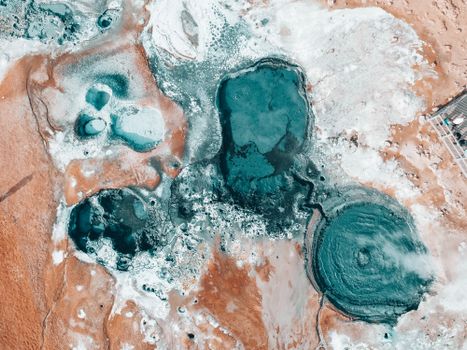
- Satellite Maps are Your Friend: Google Earth and other satellite mapping tools can reveal tell-tale signs: wisps of steam in cold climates, discoloration of earth, or unusual water features in remote areas. Look for hiking trails that lead to such anomalies.
- Deep Dive into Forums and Blogs: Search for "backcountry hot springs," "wild thermal pools," or "off-grid soaking" combined with specific regions. Often, passionate adventurers share general areas, allowing you to do the detailed legwork.
- Local Tourism Offices (with a twist): While they won't advertise "secret" spots, asking about natural features, local hiking trails, or even "places locals like to relax" can sometimes yield unexpected leads.
- Be Prepared for Anything: Always carry a first-aid kit, extra water, navigation tools (GPS and physical map), and emergency supplies. Conditions can change rapidly in remote areas.
My most thrilling discoveries have always come from a combination of these methods – a whispered tip from a local, cross-referenced with satellite imagery, and then an adventurous hike to confirm. The journey is as much a part of the experience as the soak itself.
Protecting Our Thermal Treasures: Sustainable Soaking for Future Generations
The growing popularity of wellness travel and the allure of "hidden gems" pose a significant challenge to the very places we cherish. Over-tourism can quickly turn a pristine natural wonder into a degraded, crowded attraction. Our role as responsible travelers is crucial.
- Educate Others (Gently): If you see someone not adhering to Leave No Trace principles, offer a friendly reminder. Lead by example.
- Support Local Conservation Efforts: If there are local groups working to protect natural areas, consider donating or volunteering.
- Consider the Impact of Sharing: Before posting exact locations on social media, weigh the potential impact. A beautiful photo with a general location tag might inspire responsible travel more than a precise pin that invites mass tourism.
- Embrace the "Secret": Sometimes, the most responsible act is to simply enjoy the magic you've found and keep its precise details to yourself, allowing it to remain a sanctuary for future generations and the wildlife that calls it home.
These hidden hot springs are more than just places to bathe; they are sacred spaces, vital ecosystems, and windows into the earth's raw power. By treading lightly, respecting local customs, and embracing the ethos of responsible discovery, we can ensure that these thermal treasures remain hidden, wild, and wonderful for years to come.
---
The steam rises, the minerals soothe, and the world outside fades away. Finding a hidden hot spring is an adventure, a meditation, and a profound connection to nature. It's a reminder that the greatest luxuries are often found not in opulence, but in simplicity and solitude.
So, go forth, my fellow Tripsora explorers. Seek out the whispers of steam, follow the faint trails, and earn your soak. But when you find that perfect, pristine pool, remember the feeling of discovery, the peace it brings, and the unspoken pact to protect it. Share your stories (but guard the secrets!), inspire responsible exploration, and let's keep these incredible places wild and wonderful.
What's your favorite hidden gem, or what's the most memorable off-the-beaten-path experience you've had? Share your thoughts (or your respectful silence) in the comments below!
---