Dessert Deception: Unmasking the Sweet-Looking Savories of November 2025
I still remember the look on my friend Sarah’s face. We were in a small, bustling Kyoto tea house, having just finished a delightful meal. The server presented us with what looked like an exquisite, jewel-toned jelly, shimmering under the soft light. "Oh, a beautiful wagashi!" Sarah exclaimed, her eyes sparkling with anticipation. "What a perfect sweet ending." She took a delicate bite, her expression shifting from serene delight to utter confusion, then to a slow, knowing grin. "Wait... that's dashi! It's savory!"
That moment, almost a decade ago, was my initiation into the wonderful, bewildering world of "dessert imposters" – foods that are meticulously crafted to look like sweet treats but are, in fact, gloriously savory. It's a culinary mind-bend, a delightful trick of the eye and palate, and honestly, one of the most exciting aspects of adventurous eating.
As we gear up for November 2025, a month often filled with cozy culinary explorations, I've been on a mission to uncover the most captivating, Instagram-worthy, and utterly delicious savory dishes masquerading as sweets. These aren't just quirky dishes; they're testaments to culinary creativity, cultural heritage, and the sheer joy of a delicious surprise. So, pack your bags (and your open mind!), because Tripsora is about to take you on a journey where nothing is quite as it seems, and every bite is an adventure.
The Art of Deception: Why Our Brains Fall for the Sweet Illusion
Before we dive into specific dishes, let's talk about why these culinary chameleons are so effective. Our brains are wired for pattern recognition. We see a vibrant color, a delicate swirl, a perfect dome, or a layered structure, and instantly categorize it based on past experiences. Pink usually means strawberry, yellow often suggests lemon or vanilla, and a flaky crust screams pie. When a dish intentionally subverts these visual cues, it creates a delightful cognitive dissonance that heightens the sensory experience.
It’s not just about tricking you; it’s about challenging your perceptions and celebrating the unexpected. Chefs and home cooks worldwide have mastered this art, often using traditional techniques to create modern surprises. In November, as the days shorten and the urge for comforting, yet exciting, food grows, these dishes offer a perfect blend of familiarity in form and novelty in flavor.
Japan's Savory Sweets: A Masterclass in Mochi & More
Japan is arguably the grandmaster of food aesthetics, and its ability to craft savory items that look like delicate sweets is unparalleled. Forget matcha and anko for a moment; we're diving into the savory side of their stunning culinary landscape.
1. Goma Dofu (Sesame Tofu): The Silky Custard Imposter
* What it looks like: A pristine, ivory-colored block or dome, often served chilled, resembling a delicate panna cotta or a firm blancmange. Sometimes garnished with a drizzle of dark sauce, making it look like caramel.
* What it is: A traditional Buddhist vegetarian dish made from ground sesame paste (usually white sesame), kuzu starch (arrowroot), and water. It has an incredibly smooth, almost bouncy texture, and a rich, nutty, umami flavor. The "caramel" drizzle is often a savory soy-based sauce or even wasabi soy sauce.
* My Experience: I first encountered goma dofu at a shojin ryori (Buddhist vegetarian cuisine) restaurant near Koya-san. It was served as the first course, and I genuinely thought it was a sesame-flavored dessert. The first bite was a revelation – intensely savory, with a deep, earthy warmth that was utterly unexpected. It was refreshing and grounding at the same time.
* Where to find it (November 2025): Look for it in Kyoto's traditional restaurants, especially those specializing in shojin ryori. Many high-end ryokans (traditional inns) will also feature it. You might find smaller portions at Nishiki Market or department store food halls in Tokyo (e.g., Isetan, Takashimaya) for around ¥400-¥800 ($3-$6 USD).
2. Savory Mochi Dishes: Beyond the Sweet Rice Cake
* What it looks like: Small, chewy, often grilled or fried rice cakes that can resemble sweet dango skewers or even tiny, fluffy pancakes.
* What it is: While mochi is famously sweet, many savory variations exist. Think isobe maki (grilled mochi wrapped in nori seaweed and dipped in soy sauce), or chikara udon (udon noodles with mochi). Some regional mochi dishes incorporate vegetables or savory fillings.
* My Experience: During a winter trip to a small town in Nagano, I stumbled upon a street vendor selling what looked like grilled dango on a stick. Expecting a sweet soy glaze, I was met with a smoky, savory umami bomb from a soy-ginger-bonito sauce. It was incredibly comforting in the chilly air.
* Where to find it (November 2025): Street food stalls, especially in rural areas or during local festivals. Izakayas (Japanese pubs) often serve grilled mochi as a side. Prices typically range from ¥200-¥500 ($1.50-$4 USD) per serving.
European Illusions: From Puddings to Pâtés
Europe, with its rich history of baking and elaborate culinary traditions, also offers its share of savory dishes that could easily be mistaken for sweet indulgences.
3. Pâté en Croûte: The Elegant Savory Pie
* What it looks like: A beautifully golden, intricately patterned pastry loaf, often adorned with decorative cutouts, resembling a fancy fruit tart or a celebratory cake.
* What it is: A classic French dish featuring a rich filling of seasoned meat (pork, veal, poultry, often with pistachios or truffles) encased in a sturdy, decorative pastry crust, often with a layer of aspic (savory jelly) inside. It's served cold, sliced, and is a staple of French charcuterie.
* My Experience: Dining at a traditional Parisian bistro, I saw a pâté en croûte on a neighboring table that looked like a work of art. The crust was so perfectly browned, and the intricate design made me think of a Christmas cake. When I ordered a slice, the savory explosion of rich meat, earthy pistachios, and flaky pastry was a delightful contrast to its sweet appearance.
* Where to find it (November 2025): High-end boulangeries, charcuteries, and traditional French bistros across France, especially in Paris and Lyon. Expect to pay €8-€15 ($9-$17 USD) for a generous slice. Look for places like G. Detou in Paris for an incredible selection.
4. Savory Cheesecakes & Terrines: The Unsweetened Delights
* What it looks like: A creamy, often layered dish, served chilled, resembling a traditional cheesecake, a mousse, or a colorful dessert terrine.
* What it is: These are increasingly popular in modern European cuisine. Savory cheesecakes might incorporate goat cheese, herbs, sun-dried tomatoes, or smoked salmon, often served as an appetizer. Terrines can be made from vegetables, lentils, or fish, set with agar-agar or gelatin, and beautifully layered.
* My Experience: In London, at a chic gastropub near Borough Market, I tried a beetroot and goat cheese "cheesecake" that was served in a small ramekin, looking exactly like a vibrant red velvet dessert. The tang of the goat cheese and the earthiness of the beetroot were a sublime combination, perfectly balanced.
* Where to find it (November 2025): Modern European restaurants, gastropubs, and upscale delis in cities like London, Berlin, and Copenhagen. Prices can vary widely, from £7-£15 ($9-$19 USD) for an appetizer portion.
Southeast Asian Savory Delights: The Unexpected Twist
Southeast Asia is a treasure trove of vibrant flavors, and its culinary landscape is no stranger to dishes that play tricks on the eyes.
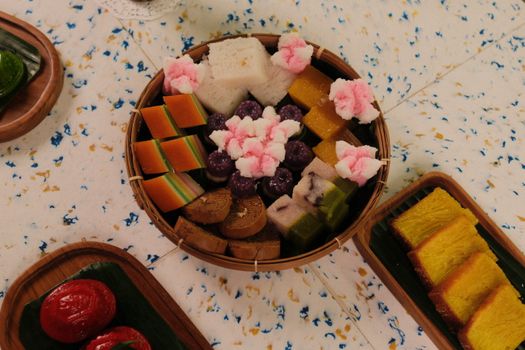
5. Savory Kuih (Malaysian/Singaporean Bites): The Colorful Camouflage
* What it looks like: Small, colorful, often geometrically shaped steamed cakes or puddings. Many kuih (pronounced "koo-eh") are sweet, but a significant number are savory, and they all share a similar visual aesthetic.
* What it is: Kuih are traditional bite-sized snacks, often made from rice flour, tapioca flour, coconut milk, and various flavorings. Savory kuih can include ingredients like dried shrimp, chives, spring onions, or even fermented bean paste, offering an umami kick. Think kuih talam (layered green and white, often savory bottom layer) or kuih seri muka (blue sticky rice with a green custard top, the rice often slightly savory).
* My Experience: Wandering through a hawker center in Penang, I was mesmerized by a stall displaying dozens of colorful kuih. I picked one that was bright green and white, assuming it would be pandan-sweet. To my surprise, the green layer was subtly savory with hints of herbs, perfectly complementing the sticky rice base. It was a delightful moment of cultural immersion.
* Where to find it (November 2025): Hawker centers, wet markets, and specialized kuih shops throughout Malaysia (e.g., Kuala Lumpur, Penang) and Singapore. They are incredibly affordable, typically RM1-RM3 ($0.20-$0.70 USD) per piece.
6. Bánh Bèo (Vietnamese Steamed Rice Cakes): The Delicate Disc Deception
* What it looks like: Small, delicate, white steamed rice cakes, often served in a decorative dish, sometimes with colorful toppings, resembling a mini panna cotta or a tiny, elegant dessert.
* What it is: These are savory, thin, steamed rice flour pancakes, often topped with minced shrimp, crispy pork skin, fried shallots, and a drizzle of spicy fish sauce (nuoc cham). They are a popular appetizer or snack, especially in Central Vietnam.
* My Experience: In Hoi An, I sat by the river, enjoying a plate of bánh bèo. Each delicate disc was perfectly formed, and the vibrant toppings made them look almost like edible jewels. The first bite, with its chewy texture and burst of savory, salty, and spicy flavors, was a revelation. It was so light and addictive!
* Where to find it (November 2025): Street food stalls and local restaurants in Hue and Hoi An are the best places. You can also find them in Vietnamese restaurants in larger cities like Ho Chi Minh City. A plate of 10-12 small cakes usually costs VND20,000-VND40,000 ($0.80-$1.60 USD).
The Americas: Beyond the Sweet Frontier
While perhaps less overt in their "dessert disguise," the Americas still offer some fascinating savory dishes that can trick the unsuspecting palate.
7. Savory Scones & Muffins: The Breakfast Bait-and-Switch
* What it looks like: Fluffy, golden-brown baked goods, often with a crumbly top, indistinguishable from their sweet counterparts (blueberry muffins, chocolate chip scones).
* What it is: These are often packed with cheese, herbs (rosemary, thyme), sun-dried tomatoes, bacon bits, or even jalapeños. They're perfect for breakfast, brunch, or as a side with soup.
* My Experience: At a charming little bakery in Portland, Oregon, I grabbed what I thought was a plain scone to go with my coffee. It had a lovely golden crust. Mid-bite, I realized it was packed with sharp cheddar and chives! It was a pleasant surprise, especially paired with the bitter coffee, and became my new favorite grab-and-go breakfast.
* Where to find it (November 2025): Artisan bakeries, coffee shops, and farmers' markets across the US and Canada. Prices usually range from $3-$5 USD/CAD per scone or muffin.
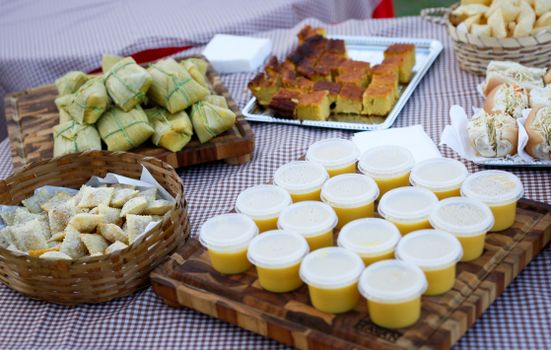
8. Tamales (Savory Versions): The Wrapped Present
* What it looks like: Often wrapped in corn husks or banana leaves, they can resemble neatly packaged sweet treats, especially smaller, artfully tied versions.
* What it is: While sweet tamales exist, the vast majority are savory, filled with seasoned meats (pork, chicken, beef), cheese, chilies, or vegetables, all encased in a masa (corn dough) wrapper.
* My Experience: During a trip to San Antonio, Texas, I was at a bustling market where a vendor was selling beautifully wrapped tamales. I'd only ever encountered sweet ones before, so when I unwrapped one to find succulent shredded pork and a hint of smoky chili, it was a delicious revelation.
* Where to find it (November 2025): Mexican restaurants, street food vendors, and specialty markets across the Southwestern US, Mexico, and Central America. Expect to pay $2-$4 USD per tamale.
Practical Tips for the Adventurous Eater (and How to Avoid a Sweet Shock!)
So, how do you navigate this delicious minefield of culinary deception? Here are my top tips for your November 2025 travels:
- Ask, Ask, Ask (Politically!): When in doubt, always ask! Learn a few key phrases in the local language: "Is this sweet or savory?" ("Amai desu ka, shoppai desu ka?" in Japanese; "Ngọt hay mặn?" in Vietnamese; "Manis atau gurih?" in Malay/Indonesian). A smile and a pointing finger usually work wonders too.
- Observe the Locals: If you see locals eating it with a main meal or as an appetizer, it's a good bet it's savory. If they're having it with coffee or tea after a meal, it might be sweet.
- Check the Toppings/Garnish: Savory items often have tell-tale garnishes: herbs, chili flakes, crispy fried shallots, a drizzle of soy sauce, or a sprinkle of sesame seeds. Sweet items usually have fruit, cream, powdered sugar, or chocolate.
- Read the Menu Closely: Look for keywords in the description. "Sesame tofu" might sound sweet, but "sesame tofu with dashi broth" clearly signals savory.
- Embrace the Surprise: Sometimes, the best approach is just to dive in! The joy of discovering a savory gem disguised as a dessert is part of the adventure. It's a low-stakes gamble that often pays off deliciously.
- Trust Your Senses (Beyond Sight): Before you even take a bite, take a moment to smell. Are there hints of spice, herbs, or umami? Or is it distinctly sugary?
- Instagram Reconnaissance: Before you travel, use Instagram and hashtags like #savorydessert, #dessertimposter, #sweetlooksavorytaste, and specific city/country food hashtags (e.g., #KyotoFood, #PenangHawker) to scout out intriguing dishes.
The Ultimate Culinary Challenge: Share Your Surprises!
The world of food is a vast, exciting playground, and these "dessert imposters" are just one facet of its endless creativity. They remind us to be curious, to question our assumptions, and to savor every unexpected bite. They are conversation starters, memory makers, and certainly Instagram gold! Imagine the reactions when you post a picture of what looks like a beautiful cake, only to reveal it's a savory pâté!
So, as you plan your November 2025 adventures, keep an eye out for these delightful deceptions. Don't let your eyes fool your taste buds – let them lead you on an unforgettable journey of flavor. Have you encountered any incredible savory dishes that fooled you? Share your stories and photos with us on social media using #TripsoraFoodFools and #SavorySurprise! We can't wait to see what delicious disguises you uncover!