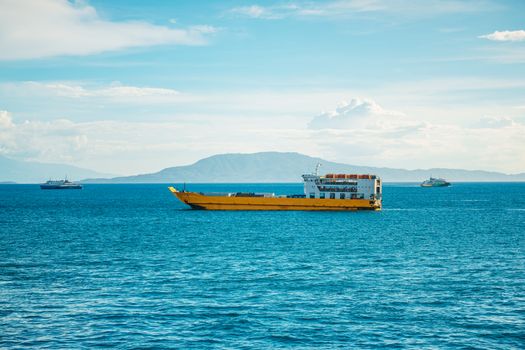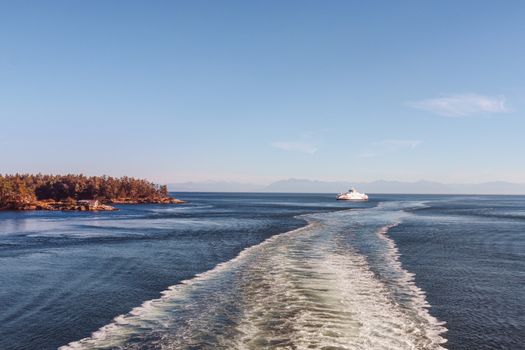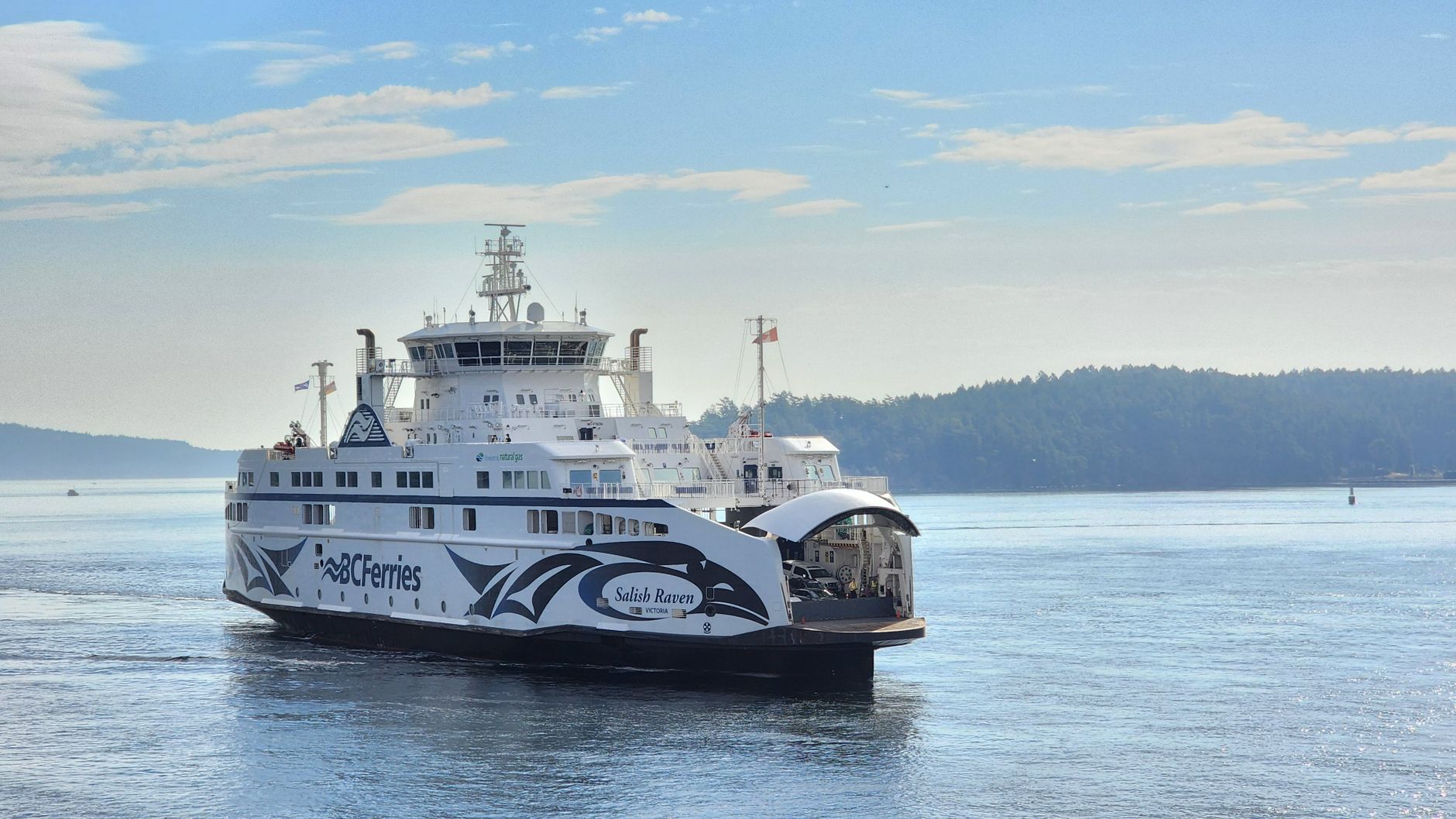
Ferries have a way of turning a trip into an adventure before you even arrive. The ride itself, with salt air, gulls and a shoreline slipping away, sets the mood. At the other end, a quiet island often waits, with a small harbour, a few paths, a cafe and a slower rhythm than the mainland. Many coastlines have islands like this within reach, and some are surprisingly overlooked.
This guide is written in a practical, local-guide spirit. It will not promise secret islands that no one knows about, because most islands have residents, and anywhere with a ferry is not exactly hidden. What it will do is help you choose a small island, plan the journey, and avoid the common mistakes that turn a lovely day into a stressful one. Ferry schedules, fares and rules change by season and operator, so always confirm with the official operator before you travel.
What "hidden" really means
When travel writing says an island is hidden, it usually means one of three things: it receives fewer visitors than its famous neighbours, it lacks big hotels, or it takes slightly more effort to reach. That is good news for travellers who like calm. It also means that facilities may be limited and that you should plan accordingly.
A quieter island is not a place to treat as a backdrop. People live and work there, often in small communities where services are limited. Your visit will be most welcome if you spend a little locally, follow the rules, and take your rubbish home.
Choosing the right island
Think about what you want from the day, and then match it to an island.
- A walk and a view: look for islands with coastal paths, lighthouses or hills. Check the length of the main walk and the terrain.
- A swim and a picnic: look for islands with small beaches or sheltered coves and check for shade, toilets and lifeguard cover.
- Food and culture: choose an island with a harbour village, a seafood restaurant or a local festival.
- Wildlife: many small islands are bird sanctuaries or seal haunts, with seasonal restrictions on access.
- History: islands often hold monasteries, forts, shipwreck stories or abandoned settlements.
Also check the practicalities. How long is the crossing? How many sailings per day? Is the island car free? Is there a shop, drinking water and a toilet? The answers tell you how much to pack.
Reading a ferry timetable
Timetables look simple but hide several traps.
- Season. Many routes run a summer timetable and a reduced winter one, with some sailings only on certain days. Make sure you are reading the right season.
- Day of the week. Weekday, Saturday and Sunday timetables often differ.
- Last return sailing. Note this first. If you miss it, you may be staying the night.
- Weather notes. Operators may cancel or delay sailings in high winds or rough seas. Read the cancellation policy and the way they announce changes.
- Pier details. Some ferries leave from different terminals or piers depending on tide or season.
- Tide-dependent routes. On some coasts, ferries and causeways depend on tides, so a timetable may change daily.
A useful habit is to take a photo of the timetable and set an alarm for thirty minutes before the last return.
Booking: when you need to and when you do not
Small passenger ferries often sell tickets on the day, but busy summer weekends, holidays and popular routes can sell out. Vehicle ferries commonly need booking well ahead, especially in peak season.
- Book ahead for weekends and holidays.
- Buy return tickets if they are cheaper, but check whether they are flexible.
- Check the cancellation and rebooking policy, in case of bad weather.
- Look for any combined ticket that includes island attractions.
If tickets are sold on the day, arrive early and ask about boarding rules. Some ferries board in a specific order, and others have deck and seating areas with different rules.
Preparing for the crossing
The trip can be smooth or surprising, depending on the weather. Prepare with these basics:
- Motion sickness. If you are prone to it, consider options before travelling, such as sitting near the middle of the boat and looking at the horizon. If you use medication, follow its instructions and ask a pharmacist or doctor if you are unsure.
- Layers. It is almost always cooler and windier on deck than on land.
- Waterproofs. Spray and sudden showers are common.
- Food and drink. Some ferries have a cafe, but options and prices vary. A snack from home helps.
- Valuables. Keep documents and electronics in a waterproof bag.
What to pack for the island
An island day often means few shops, so bring what you need.
- Water, as taps may be limited and shops may close early.
- Food, unless you know there is a cafe open on the day you travel.
- Sun protection, plus a hat, as shade can be scarce.
- Sturdy shoes for coastal paths, which can be rough and uneven.
- A basic first-aid kit, including blister plasters.
- A paper map or downloaded offline map, since mobile signal can be weak.
- Cash, because small island businesses may not take cards or may have weak connections.
- A bag for rubbish.
If you plan to swim, bring a towel and check local safety guidance. Currents around islands can be stronger than they look.
A sample island day
Here is a relaxed outline that could fit many small islands:
- Morning crossing. Catch an early sailing to maximise your time and avoid crowds.
- Harbour stroll. Spend half an hour orienting yourself, finding the toilets, shop and cafe, and noting the return ferry time.
- Main walk. Choose a loop of a couple of hours, with a clear turn-around time.
- Lunch. Eat at a local cafe or picnic with a view. Book if the island has only one restaurant and your visit falls on a busy day.
- Swim or explore. Use the afternoon for a beach, a historic site or a quiet sit.
- Return early. Aim to reach the harbour well before the last sailing, ideally with time for an ice cream or a coffee.
This leaves slack. The most common reason people miss ferries is that they try to squeeze in one more thing.
Finding islands near you
You do not need a famous name to start. Try these simple steps to discover options:
- Open a map of your coastline and zoom in on the water. Small islands with a ferry symbol or a harbour are good candidates.
- Search for the local ferry operator or council transport page, which lists routes, timetables and fares.
- Look at the island's own visitor page or community website, which often lists walks, cafes, accommodation and rules.
- Read recent visitor reports and local forums for current conditions, such as path closures or ferry changes.
- Ask at a local tourist information centre, which often knows about lesser-used routes.
Pay attention to whether the island is inhabited, a nature reserve, or privately owned. Each has different rules about where you can walk and what you can do. If an island is a protected reserve, it may require a permit or limit numbers, and in some cases landing is restricted altogether.
Also consider combining islands. Some routes link several islands in a chain, letting you hop between them over a longer trip. That needs more planning, because connections between ferries may be infrequent, and missing one can leave you waiting a long time.
Staying safe on and around small islands
- Weather. Check the marine forecast, not just the town forecast. Wind and swell matter more than temperature.
- Tides. On tidal islands, crossing times may be limited. Follow posted tide tables carefully.
- Cliffs and paths. Stay on marked routes, keep children and dogs away from edges and avoid walking in the dark.
- Wildlife. Keep distance from nesting birds and seals, and follow signs. Disturbing them can cause harm and may be illegal.
- Phone signal. Tell someone your plans and your return time.
- Medical help. Small islands may have limited services. Carry any medication you need.
Official sources, such as the ferry operator, local coastguard or council, provide the most reliable updates on conditions.
Being a considerate visitor
Small communities depend on visitors being respectful.
- Spend money locally, whether in the shop, the cafe or the craft stall.
- Respect private property and farmland, closing gates behind you.
- Keep noise low, especially in villages and at wildlife sites.
- Take all rubbish with you, since island waste systems are often stretched.
- Do not remove shells, plants or historic objects.
- Ask before photographing people.
- Follow fire rules strictly, since dry vegetation and wind can create real danger.
If you visit in the off-season, remember that many businesses close. Check ahead to avoid arriving to a shuttered island.
When the ferry does not run
Sometimes, weather cancels sailings. Plan for this:
- Know the operator's contact details and where updates are posted.
- Have a backup, such as a local guesthouse or alternative route, if you could be stuck overnight.
- Keep flexible plans for the next day, since a cancelled return can disrupt work and other bookings.
- Consider travel insurance that covers cancellations, and read what it includes.
On small islands, this risk is part of the territory. Treat it calmly.
Frequently asked questions
Do I need to book a ferry in advance?
For busy weekends, holidays and vehicle crossings, yes. For small passenger routes on quiet days, tickets may be sold on the day, but check the operator.
What if I miss the last ferry?
Contact the operator immediately and ask about options. You may need to find local accommodation, so carry some cash and keep a phone charged.
Are islands accessible for people with limited mobility?
It varies widely. Ask the ferry operator about boarding assistance and check the terrain on the island.
Can I bring a bicycle or a dog?
Many ferries allow both, sometimes for a fee or with restrictions. Check the operator's rules, and look at island rules on dogs and wildlife.
Summary
A ferry to a small island is a simple way to turn a day into a mini expedition. Choose an island that matches your interests, read the timetable carefully with special attention to the last return, pack for limited facilities, and keep a margin for weather. Be a thoughtful guest by spending locally and leaving nothing behind. Confirm schedules, fares and rules with the official operator before you travel, and enjoy the slower pace that islands offer.