The Day My Trash Bag Paid for Lunch
I stepped off the electric boat onto Copenhagen’s Refshaleøen pier, the damp air smelling sharply of saltwater, roasting coffee beans, and burnt sugar. The morning sky was a soft, overcast gray, and my thighs were still buzzing from a three-mile paddle across the harbor in a bright green kayak.
Instead of paying cash for my kayak rental, I had agreed to collect floating plastic debris along the waterways using a small wooden canvas bucket. Forty-five minutes and two kilos of discarded coffee cups later, I pulled up to a floating café.
I handed over the netted bag of harbor trash to the barista. In return, without a single krone changing hands, he handed me a steaming filter coffee and a warm, flaky cardamom bun dusted with coarse pearl sugar.
This wasn't a PR stunt; it was CopenPay in action.
The global travel industry is shifting from footprint reduction to active regeneration. Leading travel advisors are no longer just booking carbon offsets—they are steering clients toward destinations that directly incentivize positive behavior. From the fjords of Scandinavia to the pristine archipelagos of the Pacific, here are the countries actively rewarding travelers for doing the right thing.
---
1. Denmark: The Blueprint for Urban Reward Systems
Denmark recently captured global headlines with CopenPay, an initiative transformed by Wonderful Copenhagen to turn climate-friendly actions into cultural currency. Rather than penalizing visitors for carbon footprints, the capital rewards positive behavior.
How the Rewards Work
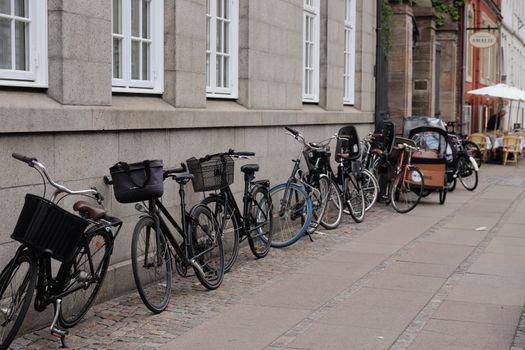
By showing a bike rental receipt, a train ticket, or proof of micro-volunteering (like picking up litter or helping in an urban garden), visitors unlock free access to major city landmarks.
- Free Kayak Rentals: Rent a Green Kayak for zero kroner—on the condition that you net litter while paddling.
- Cultural Access: Arrive at the National Gallery of Denmark (SMK) with proof of cycling, and you gain entry to curated workshops or free espresso at the museum café.
- Free Organic Lunches: Certain urban farms, such as Øens Have, offer a free garden-to-table dish if you spend 30 minutes helping weed their vegetable beds.
> Pro-Tip: Download the local bike-share app Donkey Republic before arriving. Save your digital rides; showing your trip history on your phone screen is accepted as currency at participating CopenPay spots across the city.
---
2. Palau: Turning Conservation into Exclusive Cultural Access
In the Western Pacific, the island nation of Palau has pioneered Ol’au Palau, a world-first gamified rewards program managed through a dedicated mobile app. Palau recognized that mass tourism threatened its fragile marine ecosystems, so they flipped the traditional travel dynamic.
How the Rewards Work
Travelers earn points within the app by engaging in simple, eco-conscious actions:
- Signing the mandatory Palau Pledge stamped into their passport upon arrival.
- Using reef-safe sunscreen (free from oxybenzone and octinoxate).
- Eating at restaurants that source invasive species like lionfish.
- Offsetting their flight emissions via verified island carbon projects.
As you accumulate points, you unlock access to cultural experiences and sacred sites usually off-limits to standard tourists.
Exclusive Unlocks Include:
* Guided visits to secluded historic villages with local elders.
* Access to pristine, uncrowded marine reserves off the main tourist track.
* Traditional sea-kayaking expeditions led by native navigators.
> Pro-Tip: Pick up your reef-safe sunscreen at the Koror local market upon arrival. The app rewards you extra points for buying locally produced coconut-oil-based sunblock rather than imported brands.
---
3. Costa Rica: Beyond "Pura Vida" to Direct Regenerative Perks
Costa Rica has long been the poster child for eco-tourism, but travel advisors note a shift toward high-reward regenerative travel through the country’s Certificate for Sustainable Tourism (CST) framework and community-driven networks.
How the Rewards Work
Resorts, eco-lodges, and tour operators carrying top-tier CST certifications partner with local conservation reserves to reward guests who participate in active ecosystem restoration.
- Tree Planting Vouchers: Participate in a native tree-planting session in the Monteverde Cloud Forest reserve, and receive complimentary canopy access or night-nature walks led by naturalists.
- Farm-to-Table Credits: Guests who opt out of daily linen changes or participate in farm chores at eco-agriturismos (like Finca Rosa Blanca) earn dining credits at signature farm-to-table restaurants.
- Park Discount Schemes: Participating in community beach cleanups in Puerto Viejo or Nosara unlocks discounted guided tours through nearby national parks like Cahuita.
> Pro-Tip: Book your stay at CST-certified lodges directly through their local websites. Many offer bundled "Regen Perks"—such as complimentary wildlife tracking excursions—when you promise to arrive via electric shuttle or shared transport.
---
4. Finland: The High-Tech Path to Low-Carbon Incentives
Finland’s commitment to becoming carbon-neutral has spread to its tourism sector. Cities like Lahti (a past European Green Capital winner) pioneered personal carbon trading apps for residents and tourists alike, setting a model now spreading across the nation.
How the Rewards Work
Through local eco-passports and regional apps like CitiCAP in Lahti, travelers log their transit choices. Choosing low-carbon transport options—walking, kick-scooting, cycling, or taking electric buses—unlocks real-world rewards.
- Free Bus Tickets: Log three low-carbon journeys and receive free tickets for regional electric bus lines.
- Free Sauna Passes: In a nation where sauna culture is paramount, logging green miles earns you complimentary admission to authentic public wood-fired saunas, such as those along Lake Vesijärvi.
- Local Treats: Swap your green transit points for fresh cinnamon rolls (korvapuusti) and hot berry juice at municipal market stalls.
> Pro-Tip: Skip taxi transfers from Helsinki Airport. Take the direct commuter train to Lahti or Tampere, show your train ticket at local tourist information desks, and claim your green welcome kit containing public transit cards and sauna vouchers.
---
5. Iceland: The Pledge That Pays You Back
Iceland’s volcanic landscapes are breathtaking, but high foot traffic threatens fragile moss fields and geothermal zones. To manage impact, Visit Iceland introduced The Iceland Pledge, supported by targeted incentive schemes across local businesses.
How the Rewards Work
The pledge is an oath to travel responsibly: to take photos without stepping off marked trails, stay in designated campsites, and avoid single-use plastics.
- Geothermal Entry Discounts: Taking the pledge online and logging sustainable travel choices (such as renting electric vehicles or participating in volunteer invasive-lupine pulling) earns discount codes for regional geothermal baths like the Secret Lagoon or Vök Baths.
- EV Charging Credits: Renting an electric campervan from participating local fleets unlocks free or discounted charging vouchers at municipal points nationwide.
> Pro-Tip: Head to northern Iceland’s Diamond Circle instead of the crowded Golden Circle. Northern operators offer deeper discounts on whale-watching excursions for travelers using hybrid or electric rental vehicles.
---
6. Bhutan: The Sovereign Model of High-Value Incentives
Bhutan takes a macro approach to rewarding sustainable travelers. Known for its Sustainable Development Fee (SDF)—a daily fee imposed on tourists to fund healthcare, education, and forest preservation—Bhutan recently revamped its policy to directly reward longer, lower-impact stays.
How the Rewards Work
To encourage slow travel over quick, high-impact trips, the Bhutanese government introduced revised SDF fee structures and trail-rewards:
- SDF Discounts for Long Stays: Travelers staying beyond specific day thresholds receive reduced daily SDF rates, effectively lowering the cost per day for deeply immersive, slow travel.
- Trans-Bhutan Trail Rewards: Hikers who complete sections of the restored 403-kilometer Trans-Bhutan Trail while following zero-waste principles receive official certificates signed by local governors, granting free entry to sacred dzongs (fortresses) and exclusive cultural displays.
> Pro-Tip: Travel during the shoulder seasons (March-April or September-October). You’ll avoid peak crowds, access reduced lodge rates, and experience traditional local tshechus (festivals) without overwhelming the communities hosting them.
---
Logistics & Destination Comparison Matrix
Planning a trip centered around sustainable rewards? Here is a quick-reference guide to help you compare destination logistics, reward types, and ideal travel seasons.
| Country | Primary Reward Type | Best Time to Visit | Estimated Daily Budget ($ USD) | How to Get Around |
| :--- | :--- | :--- | :--- | :--- |
| Denmark | Free meals, museum admission, boat rentals | May – September | $150 – $300 | Bike, electric harbor buses, train |
| Palau | Exclusive cultural access, restricted site entry | November – April | $200 – $400 | Shared shuttles, kayak, electric boats |
| Costa Rica | Free tours, dining credits, national park perks | December – April | $100 – $250 | Shared eco-shuttles, public bus, EV rental |
| Finland | Free sauna passes, transit tickets, local food | June – August / Dec – March | $130 – $280 | Trains, electric city buses, bike-share |
| Iceland | Thermal bath discounts, EV charging perks | May – September | $180 – $350 | Electric campervan, public buses |
| Bhutan | SDF fee reductions, cultural site upgrades | March – May / Sept – Nov | $300 – $500+ | Private guide shuttle, hiking on foot |
---
How Travel Advisors Recommend Maximizing Green Rewards
To turn eco-rewards into a seamless part of your travel style, keep these three professional rules in mind:
1. Pre-Register for Regional Apps
Don't wait until you land to figure out local reward systems. Download apps like Ol'au Palau or look up city-specific platforms (such as Copenhagen's seasonal CopenPay portal) before leaving home. Many reward tokens require account verification that is easier to set up on home Wi-Fi.
2. Keep Digital Receipts
Whether it’s a receipt from an electric car rental charging station, a train ticket confirmation, or a photo of your bike rental app dashboard, keep your proof handy. Destinations offering rewards rely on simple digital verification at redemption counters.
3. Pack the Essential "Green Kit"
Many rewards depend on showing you are actively reducing waste. Travel light, but always carry:
* A high-quality insulated water bottle with built-in filtration (e.g., Grayl or LifeStraw).
* A compact, foldable tote bag for market shopping.
* Reef-safe sunscreen (mineral-based: zinc oxide or titanium dioxide).
* A reusable travel cutlery set.
---
The Verdict: Travel That Gives Back Pays You Back
The old paradigm of travel forced a compromise: you either spent extra money to minimize your impact, or you traveled cheaply at the destination's expense.
Today, the world’s most visionary destinations are proving that sustainability doesn't have to be about sacrifice. By rewarding travelers who tread lightly, respect local customs, and clean up along the way, these nations are creating a virtuous cycle where everybody wins—the community, the ecosystem, and your travel budget.
So on your next trip, pack light, choose the bike, collect a little harbor plastic, and enjoy the free coffee—you’ve earned it.
---