The Allure of the Exclusive: Why Limited Capacity is the New Luxury
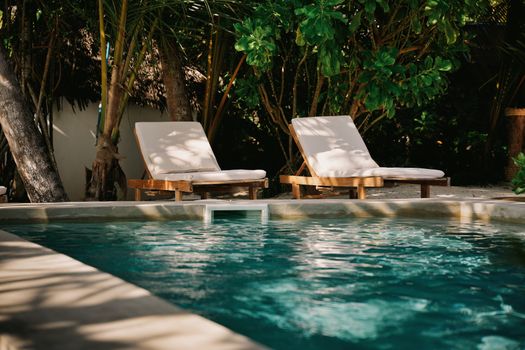
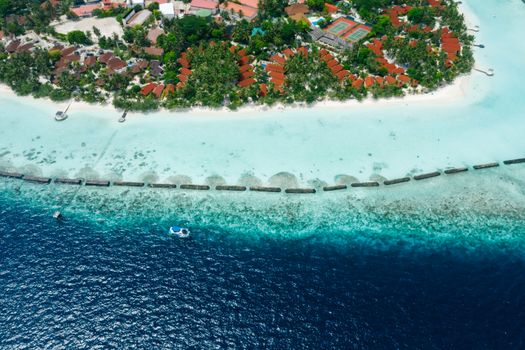
I stepped off the tiny seaplane and the air hit me – a intoxicating blend of salt spray, damp earth, and the faint, sweet perfume of unseen blossoms. The only sounds were the gentle lapping of turquoise water against the weathered wooden jetty and the distant cry of a seabird. No bustling crowds, no selfie sticks, just me, the shimmering ocean, and the promise of an experience so rare, so profoundly present, it felt like stepping into a dream. This, my friends, is the magic of destinations that have made a conscious choice to limit their capacity – permanently.
In a world obsessed with ticking off bucket list items at breakneck speed, there’s a growing movement towards something far more profound: quality over quantity. These aren't just places you can't visit easily; they are destinations that have intentionally curated their visitor experience to preserve their unique essence. This isn't about artificial scarcity; it's about safeguarding natural beauty, protecting fragile ecosystems, respecting local cultures, and ensuring that every single guest experiences something truly extraordinary.
1. The Untouched Jewel: Raja Ampat, Indonesia
The scent of brine and the tang of damp jungle foliage. That’s Raja Ampat for me. Imagine a million shades of blue, from sapphire depths to crystalline shallows, punctuated by emerald karst islands that rise dramatically from the ocean like ancient, moss-covered titans. This archipelago, nestled in the heart of the Coral Triangle, is a biodiversity hotspot, a living, breathing aquarium teeming with life that I’ve only ever dreamed of seeing.
What makes Raja Ampat so special, and why is its capacity inherently limited? Its sheer remoteness. Getting here involves multiple flights and a boat journey, a natural filter that preserves its pristine nature. The tourism infrastructure is intentionally low-impact, focusing on eco-lodges and liveaboards that minimize their footprint. This isn't a place for sprawling resorts; it's a haven for divers, snorkelers, and nature lovers seeking an unparalleled connection with the marine world.
Pro-Tip:
Book your dive excursions with local guides who understand the currents and the best times to spot manta rays and whale sharks. The early morning dives are particularly magical, with the water still and the light filtering through the surface like liquid gold.
Quick Facts: Raja Ampat
| Category | Details | Estimated Cost ($) |
| :-------------- | :------------------------------------------- | :----------------- |
| Best Time | October to April (dry season) | $3000 - $8000+ pp (7-10 days, including flights) |
| How to Get There | Fly to Sorong (SOQ), then ferry or speedboat | |
| Accommodation | Eco-lodges, homestays, liveaboard boats | |
| Activities | Diving, snorkeling, island hopping, birdwatching | |
2. The Whispering Sands: Sossusvlei, Namibia
The silence here is palpable, broken only by the crunch of my boots on ancient sand and the whisper of the wind shaping the dunes. Sossusvlei. It’s a landscape so stark, so profoundly beautiful, it feels otherworldly. Towering, ochre-red dunes stretch as far as the eye can see, their curves sculpted by millennia of desert winds. The iconic Deadvlei, with its skeletal camel thorn trees standing sentinel against the impossibly blue sky, is a photographer's dream and a testament to the harsh, yet captivating, beauty of this region.
The capacity here is naturally limited by the vastness of the desert and the need to protect its fragile ecosystem. Only a limited number of vehicles are allowed into the park per day, and access to certain areas is restricted. This ensures that the silence remains profound and the dunes, untouched. Staying within the park boundaries, at one of the few exclusive desert lodges, is an experience in itself, offering sunrise and sunset views that will etch themselves into your memory.
Pro-Tip:
Visit Deadvlei at sunrise. The light is soft, the shadows are long, and the air is cool. You’ll likely have this iconic spot almost entirely to yourself, allowing for truly contemplative moments.
Quick Facts: Sossusvlei
| Category | Details | Estimated Cost ($) |
| :-------------- | :------------------------------------------- | :----------------- |
| Best Time | May to October (cooler months) | $2000 - $6000+ pp (4-5 days, including flights) |
| How to Get There | Fly to Windhoek (WDH), then drive or charter flight | |
| Accommodation | Exclusive desert lodges within the park | |
| Activities | Dune climbing, stargazing, scenic drives, photography | |
3. The Sacred Peaks: Bhutan
The air in Bhutan is crisp, carrying the scent of pine and the faint, sweet aroma of incense wafting from ancient monasteries. This Himalayan kingdom has a long-standing policy of "High Value, Low Impact" tourism, which means visitor numbers are deliberately capped. This isn't just about preserving the pristine mountain landscapes and the vibrant Buddhist culture; it's about ensuring that tourism benefits the local population and doesn't overwhelm their unique way of life.
The daily tariff system, while seemingly an added cost, is what ensures this sustainable model. It covers accommodation, meals, transportation, a guide, and contributes to free education, healthcare, and poverty alleviation for Bhutanese citizens. It’s a brilliant example of tourism that actively enriches a nation. Trekking through its emerald valleys, visiting majestic dzongs (fortresses), and witnessing the devotion of its people is an experience that feels deeply spiritual and incredibly exclusive.
Pro-Tip:
Embrace the local cuisine! Try Ema Datshi (chilies and cheese) and Phaksha Paa (pork with chilies and vegetables). Your guide will be able to point you to the most authentic local eateries.
Quick Facts: Bhutan
| Category | Details | Estimated Cost ($) |
| :-------------- | :------------------------------------------- | :----------------- |
| Best Time | March to May, September to November | $250 - $500+ pp per day (minimum daily package) |
| How to Get There | Fly to Paro (PBH) via Bangkok, Delhi, or other hubs | |
| Accommodation | 3-star hotels and above, boutique guesthouses | |
| Activities | Trekking, monastery visits, cultural festivals, archery | |
4. The Arctic Sanctuary: Svalbard, Norway
The biting wind carries the scent of the sea and something wild, something ancient. Svalbard. This remote Norwegian archipelago, halfway between mainland Norway and the North Pole, is a land of glaciers, fjords, and the majestic polar bear. Its extreme environment and the commitment to preserving its fragile Arctic ecosystem naturally limit visitor numbers.
Tourism here is heavily regulated to protect wildlife and the delicate tundra. Expedition cruises are the primary way to explore, with strict guidelines on landings and wildlife viewing. This ensures that encounters with polar bears, walruses, and Arctic foxes are respectful and non-disruptive. The sheer, raw beauty of the ice-laden landscapes, the ethereal glow of the midnight sun or the Northern Lights, makes this a truly once-in-a-lifetime, exclusive adventure.
Pro-Tip:
Pack layers. The weather can change in an instant. Thermal base layers, a warm mid-layer, and a waterproof and windproof outer shell are essential. Don’t forget a good pair of binoculars for spotting wildlife.
Quick Facts: Svalbard
| Category | Details | Estimated Cost ($) |
| :-------------- | :------------------------------------------- | :----------------- |
| Best Time | June to August (midnight sun), October to March (Northern Lights) | $4000 - $10,000+ pp (7-10 day expedition cruise) |
| How to Get There | Fly to Longyearbyen (LYR) via Oslo or Tromsø | |
| Accommodation | Expedition cruise ships, limited hotels in Longyearbyen | |
| Activities | Wildlife viewing, glacier hiking, kayaking, dog sledding, Northern Lights tours | |
5. The Ancient Enigma: Machu Picchu, Peru (with a twist)
Okay, hear me out. Machu Picchu itself is not capacity-limited in the same way as the others, but the experience of visiting it can be. The Peruvian government has implemented timed entry tickets and limits on the number of people allowed on the Inca Trail to preserve this UNESCO World Heritage site. However, the true "limited capacity" experience lies in the Sacred Valley's exclusive lodges and private guided tours.
Imagine the crisp mountain air, carrying the faint scent of eucalyptus and the earthy aroma of ancient stones. Beyond the throngs at the main citadel, the Sacred Valley offers a more intimate connection with Inca history. Staying at a luxury lodge nestled in the hills, with private access to lesser-known ruins, or embarking on a private trek along ancient pathways, offers a profound sense of discovery without the crowds. It’s about accessing the magic of this incredible region with a sense of peace and exclusivity.
Pro-Tip:
For a truly exclusive experience, consider a private guided tour of the Sacred Valley that includes visits to Ollantaytambo, Pisac, and Moray outside of the peak hours. Staying in a boutique hotel in the valley rather than Cusco can also offer a more tranquil base.
Quick Facts: Machu Picchu & Sacred Valley
| Category | Details | Estimated Cost ($) |
| :-------------- | :------------------------------------------- | :----------------- |
| Best Time | May to September (dry season) | $2500 - $7000+ pp (7-10 days, including flights and exclusive tours) |
| How to Get There | Fly to Cusco (CUZ), then train or private transfer | |
| Accommodation | Luxury lodges, boutique hotels in the Sacred Valley | |
| Activities | Inca Trail trek (limited permits), Sacred Valley exploration, ruins visits, local markets | |
The Future of Travel: Intentionality and Immersion
These destinations aren't for everyone. They demand a certain mindset – one that values experience over occupancy, preservation over profit, and genuine connection over fleeting novelty. They require planning, patience, and a willingness to embrace the journey as much as the destination.
But for those who seek it, the rewards are immeasurable. You'll find a deeper appreciation for the places you visit, a more profound connection with nature and culture, and memories that are not just photographic, but deeply felt. In a world that often feels over-saturated and over-exposed, these limited capacity havens offer a precious escape, a chance to breathe, to explore, and to truly be.
So, as you plan your next adventure, consider not just where you want to go, but how you want to experience it. Sometimes, the greatest luxury is the space to simply explore.