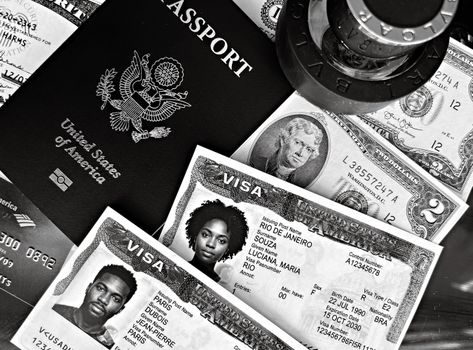
The Unseen Shift: Navigating Border Changes Affecting Visa Requirements This Year
I stepped off the plane in Marrakech, the air thick with the intoxicating scent of cumin and mint, a symphony of Berber drums echoing from the Djemaa el-Fna. The vibrant chaos was exactly what I’d craved, a sensory overload that promised unforgettable stories. But as I approached the immigration counter, a flicker of unease pricked at me. Had I double-checked the latest visa regulations for Morocco? In this rapidly shifting global landscape, a seemingly minor border change could mean the difference between a thrilling adventure and a frustrating detour. This year, more than ever, staying informed about evolving visa requirements isn't just a recommendation; it's an essential part of smart travel.
The Global Domino Effect: Why Visa Rules Are Constantly Evolving
It feels like just yesterday I was breezing through customs with a pre-approved e-visa, only to find out today that the process has been completely overhauled. This isn't just random; it’s a complex web of geopolitical shifts, economic strategies, and evolving global security concerns. Countries are constantly re-evaluating who they welcome, how they manage entry, and what information they require.
- Economic Levers: Many nations are using visa policies as a tool to boost specific sectors. Think about the surge in digital nomad visas – countries are actively wooing remote workers to inject capital into their local economies.
- Security First: Following global events, immigration and border control become paramount. This can lead to stricter checks, more extensive documentation, and sometimes, a temporary suspension of certain visa categories.
- Diplomatic Dance: International relations play a huge role. Agreements and disputes between countries can directly impact visa reciprocity – if country A makes it harder for citizens of country B, country B might do the same in return.
- Technological Advancements: The rise of digital applications, biometric data collection, and AI-powered border management systems means that processes are becoming more streamlined, but also more rigid in their data requirements.
Spotlight on Key Regions: Where the Biggest Changes Are Happening
While almost every country is subject to some form of policy review, certain regions are experiencing more significant and frequent shifts. Staying ahead of these is key to avoiding last-minute scrambles.
The Evolving European Landscape: Schengen and Beyond
The Schengen Area, a dream for many European explorers, is a prime example of a constantly recalibrating visa zone. This year, we're seeing a push towards greater digitalization and enhanced security measures.
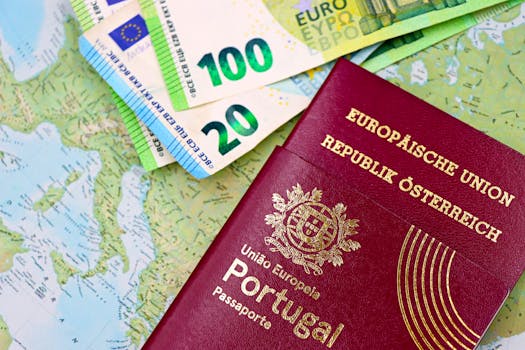
- ETIAS Implementation: The long-awaited European Travel Information and Authorisation System (ETIAS) is on the horizon. While the exact launch date has been pushed back, it's crucial to be aware that once implemented, citizens from visa-exempt countries will need to obtain an ETIAS authorisation before traveling to the Schengen Area. This is not a visa, but a pre-travel screening.
- Pro-Tip: Keep an eye on official EU websites for the definitive launch date and application portal. Don't wait until the last minute to familiarize yourself with the application, which will likely involve a small fee and require passport details, travel plans, and answers to security questions.
- Increased Border Scrutiny: Expect more thorough checks at external Schengen borders, particularly for travelers arriving from regions deemed higher risk. This can translate to longer wait times, so factor this into your travel plans.
- New Visa Facilitation Agreements: Conversely, some countries might see visa facilitation agreements improved, making application processes quicker and cheaper for their citizens wanting to visit Schengen states. Always check the specific bilateral agreements.
Asia's Dynamic Destinations: From Digital Nomads to Tourism Booms
Asia is a continent in constant motion, and its visa policies are reflecting this dynamism. Countries are actively seeking to attract tourism and investment, leading to some exciting new opportunities.
- Thailand's Strategic Moves: Thailand has been at the forefront of adapting its visa policies to attract long-term visitors and digital nomads. We’ve seen extensions of tourist visas and the introduction of new long-stay options.
- Insider Insight: Beyond the standard tourist visa, explore options like the Long-Term Resident (LTR) visa if you qualify. It offers significant benefits and a longer stay, allowing for a deeper immersion into Thai culture, from exploring the ancient temples of Chiang Mai to the bustling street food scene of Bangkok.
- Vietnam's Evolving Entry: Vietnam has been gradually easing its entry requirements, expanding visa exemptions and extending the duration of stay for certain nationalities. This is a boon for backpackers and culture enthusiasts looking to explore its breathtaking landscapes and rich history.
- Quick Tip: Always check the official Vietnam Immigration Department website for the most up-to-date list of countries eligible for visa-free entry and the permitted duration of stay. Policies can change with little notice.
- Emerging Digital Nomad Hubs: Countries like Indonesia (Bali), Malaysia, and the Philippines are actively developing or promoting visas tailored for remote workers. These often come with specific income requirements and proof of remote employment.
The Americas: Shifting Alliances and New Pathways
The Americas are a vast and diverse region, and visa policies here are influenced by regional politics, economic ties, and bilateral relationships.
- Canada's Immigration Goals: Canada consistently reviews its immigration policies to meet its economic and demographic targets. While not strictly a 'border change' for tourists, changes in work permits, study visas, and permanent residency pathways can indirectly affect longer-term stays and travel.
- South America's Collaborative Efforts: Look for ongoing discussions and potential implementations of visa facilitation or even visa-free travel agreements within South American blocs. These initiatives aim to boost intra-regional tourism and trade.
- Authentic Experience: If you’re planning a multi-country trip through South America, research any new agreements. A simple visa waiver could mean the difference between spending your budget on expensive visa fees or on authentic experiences like learning to tango in Buenos Aires or trekking the Inca Trail.
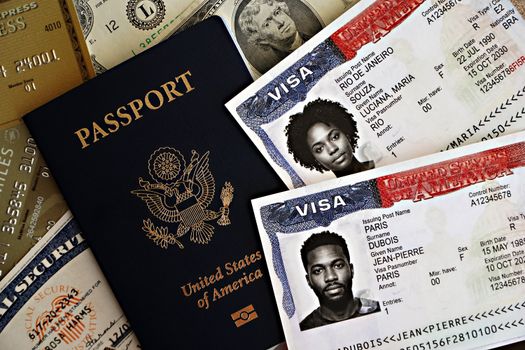
- US Visa Updates: While the US has a complex visa system, keep an eye on any announced changes to visa processing times, the introduction of new visa categories (like those for specific high-demand industries), or updates to the Electronic System for Travel Authorization (ESTA) if you're from a Visa Waiver Program country.
Africa's Growing Accessibility: Breaking Down Barriers
Africa is a continent ripe for exploration, and many nations are actively working to make travel more accessible, recognizing the economic benefits of tourism.
- The African Continental Free Trade Area (AfCFTA): While still in its early stages for visa policies, the long-term vision of AfCFTA includes greater freedom of movement for African citizens. Keep an eye on how this might translate into easier travel for non-African nationals in the future, potentially through regional visa hubs.
- Visa on Arrival and E-Visas: Many African countries are expanding their visa-on-arrival services and introducing user-friendly e-visa platforms. This dramatically simplifies the entry process for many nationalities, opening up destinations like Rwanda, Kenya, and Ghana to more spontaneous travel.
- Pro-Tip: Even with visa-on-arrival, it's wise to have a printed copy of your return ticket, hotel booking, and sufficient funds readily available to present to immigration officers. This demonstrates clear intentions for a short stay.
Decoding the Digital Nomad Visa Trend
This is arguably the biggest visa-related shift of the past few years, and it's only gaining momentum. Many countries are creating specific visa categories for remote workers, recognizing the economic injection they bring without straining local job markets.
- What You Need to Know:
- Income Thresholds: Most digital nomad visas have a minimum monthly or annual income requirement.
- Proof of Remote Work: You'll need documentation from your employer or clients proving you work remotely.
- Health Insurance: Comprehensive travel and health insurance is almost always mandatory.
- Duration: These visas typically range from 6 months to 2 years, with options for extension.
- Who Benefits? Freelancers, remote employees of international companies, and entrepreneurs who can work from anywhere.
- Insider Scoop: Research the specific requirements for each country. Some, like Portugal's D7 visa (which can be used by passive income earners and remote workers), offer a pathway to residency. Others, like Croatia's digital nomad permit, are more straightforward short-term arrangements.
Essential Tools and Strategies for Staying Informed
Navigating these changes requires a proactive approach. Relying on outdated information is a traveler's worst nightmare.
Your Digital Toolkit:
- Official Government Immigration Websites: This is your absolute primary source. Bookmark the immigration or foreign affairs ministry websites for any country you plan to visit.
- Embassy and Consulate Websites: Your country’s embassy in the destination country, and the destination country’s embassy in your home country, are invaluable resources.
- Reputable Travel News Outlets: Follow major travel news sources that are known for accurate reporting on visa and immigration policies.
- Travel Agent Expertise: For complex itineraries or if you're feeling overwhelmed, a seasoned travel agent specializing in international travel can be a lifesaver.
- Visa Service Agencies: While they come with a fee, these agencies can handle the application process for you, ensuring all paperwork is correct.
Proactive Planning Habits:
- Start Early: Begin researching visa requirements at least 3-6 months before your intended travel date, especially for countries with complex application processes.
- Check Multiple Sources: Cross-reference information from at least two official sources to confirm accuracy.
- Read the Fine Print: Pay close attention to validity dates, entry and exit requirements, and any specific conditions attached to the visa.
- Understand the 'Why': Knowing the reason behind a policy change (e.g., increased tourism, security concerns) can help you anticipate future shifts.
- Keep Digital Copies: Always have digital and physical copies of your passport, visa, and any supporting documents accessible.
The Future of Travel: Seamless or Stricter?
The trend points towards a more digitized and data-driven approach to border control. E-visas, digital nomad visas, and pre-travel authorizations like ETIAS are becoming the norm. While this can lead to more efficient processing, it also means travelers need to be more meticulous with their applications and ensure they meet all the criteria.
The thrill of stepping into an unfamiliar land, the scent of exotic spices, the murmur of a foreign language – these are the moments that make travel so profoundly enriching. By staying informed about the evolving landscape of border changes and visa requirements, you empower yourself to chase those moments with confidence. Don't let bureaucratic hurdles dim your wanderlust. Embrace the change, do your homework, and get ready for your next unforgettable adventure.
---