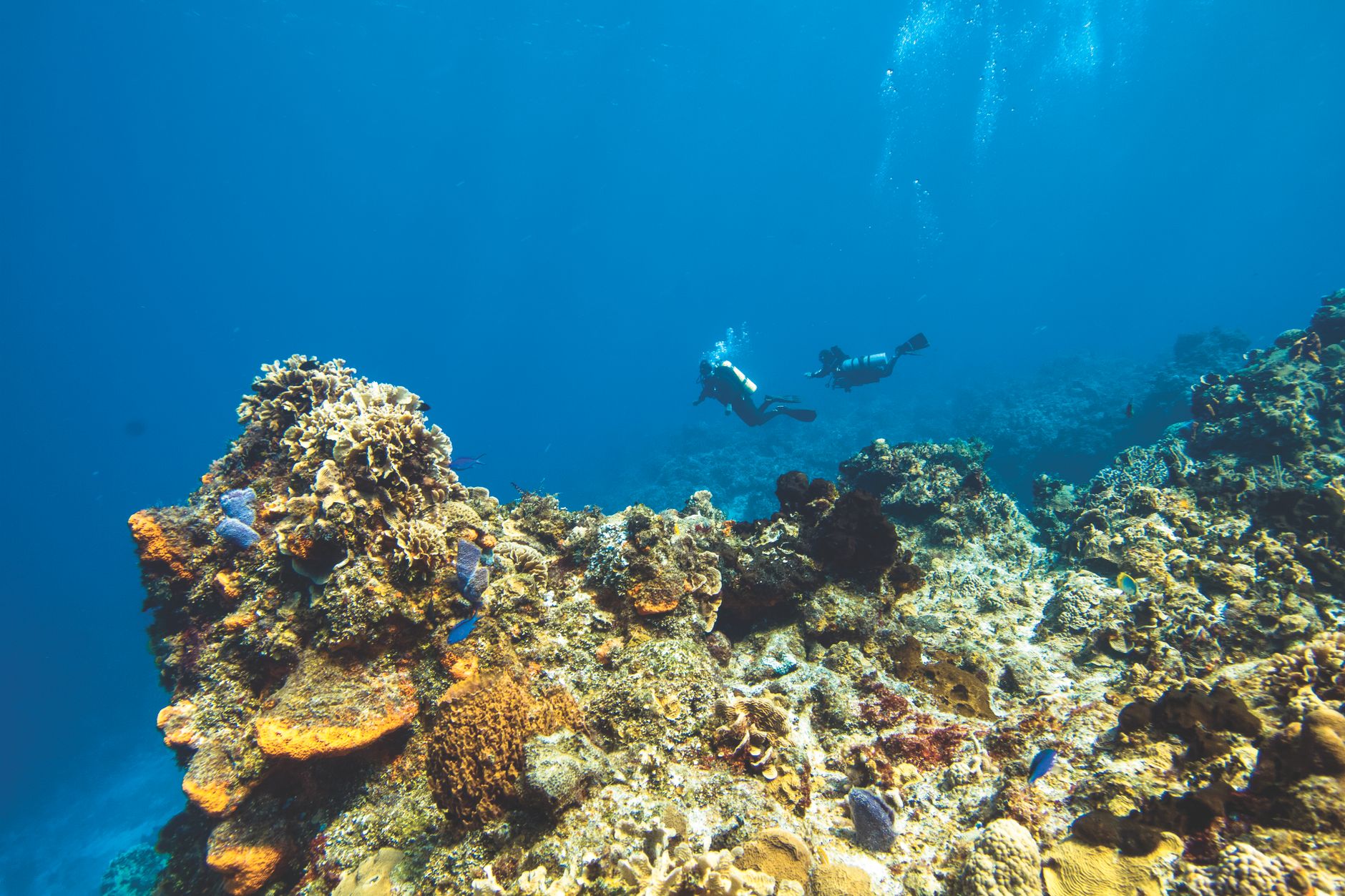
What coral restoration is
Restoration usually means growing small coral fragments in nurseries and attaching them to damaged reef areas. It can help in some places, but it is not a substitute for tackling the causes of reef decline, such as warming seas and pollution.
How visitors can take part
- Coral gardening courses run by dive centres in places such as the Caribbean, Indonesia, the Maldives and the Red Sea.
- Resort programmes where guests help to maintain nurseries.
- Citizen science surveys, where divers or snorkellers record reef health.
Questions to ask
- Who leads the programme? Look for marine biologists or links to a university or NGO.
- What happens to the corals after planting? Is survival monitored?
- Are local species used, and is any harm to existing reef avoided?
- How much of the fee supports the project?
Be a better reef visitor
- Use reef-safe sunscreen or cover up with a rash vest.
- Never touch, stand on or collect coral.
- Choose operators that follow good boat-mooring practice.
- Keep your buoyancy under control.
Is it right for you?
Most courses require basic diving or snorkelling ability. Ask about prerequisites and insurance. Programmes may close during bleaching events or bad weather.
Check current conditions with each operator before booking.


