Beyond the Postcard: Why Dressing with Respect is Your Ultimate Travel Hack
I'll never forget the sting of embarrassment, hot on my cheeks, as a temple guard in Bali politely but firmly pointed to my bare knees. There I was, an eager-beaver traveler, ready to soak in the ancient beauty of Pura Tirta Empul, completely oblivious to the cultural faux pas my breezy shorts represented. It was a small moment, but a profound one. It wasn't about a dress code; it was about respect. It was about understanding that my attire, however comfortable, spoke volumes about my awareness – or lack thereof – of the sacred space I was entering.
That day, I didn't just buy a sarong; I bought into a philosophy. I realized that travel isn't just about seeing new places; it’s about feeling them, connecting with them, and honoring the traditions that make them unique. And often, the simplest way to show that honor is through what we wear.
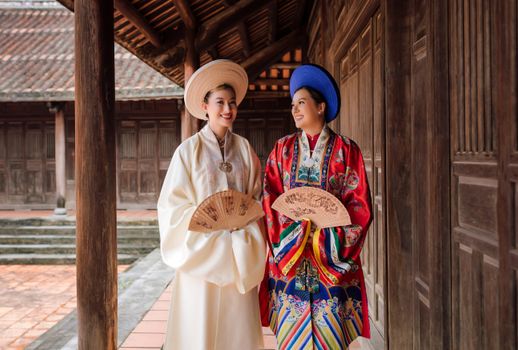
Forget just "blending in." This isn't about disappearing; it's about engaging. It's about showing that you value the culture enough to step into its shoes – or, in many cases, its sarongs, abayas, or yukatas. These aren't just clothes; they're keys to unlocking deeper interactions, warmer smiles, and experiences that transcend the typical tourist trail.
So, buckle up, fellow wanderlusters! I’m taking you on a sartorial journey around the globe, sharing five transformative clothing customs that show respect, that you absolutely need to experience before you kick the bucket. Trust me, these aren't just fashion statements; they're tickets to the heart of a culture.
1. The Humble Sarong: Grace and Reverence in Southeast Asia's Sacred Spaces
My Bali temple incident was just the beginning. From the intricate carvings of Angkor Wat to the glittering spires of Bangkok's Wat Arun, Southeast Asia is dotted with breathtaking temples and sacred sites. And almost universally, they require a certain level of modesty. Enter the sarong – a simple, versatile piece of fabric that became my travel uniform.
Why it Matters:
In many Buddhist and Hindu cultures, covering your knees and shoulders before entering a temple is a fundamental sign of respect for the deities and the sanctity of the space. It’s a silent acknowledgment of the spiritual energy contained within.
Where I Experienced It:
* Bali, Indonesia: Every temple, from the iconic Tanah Lot to the serene Ulun Danu Beratan, requires a sarong (or kamen) and a sash (or selendang).
* Thailand: While less strictly enforced outside major tourist temples, covering up at places like the Grand Palace or Wat Pho is expected.
* Cambodia: Exploring the ancient wonders of Angkor Wat demands respectful attire.
My Personal Story:
After my initial blunder, I quickly learned to embrace the sarong. I remember visiting a small, local temple in a quiet Balinese village. As I approached, confidently wrapped in my floral sarong, an elderly woman tending to offerings smiled warmly and gestured for me to join her in placing a small offering. It was a moment of pure, unadulterated connection – a simple piece of cloth had transformed me from an outsider to an welcomed participant. It wasn't just about covering up; it was about being seen as someone who cared.
Practical Tips & Actionable Advice:
* Buy Local: Skip the tourist traps near major sites. Head to local markets. In Bali, I picked up beautiful, hand-stamped batik sarongs for as little as $5-10 USD. They make fantastic souvenirs too!
* Learn to Tie: Most vendors will gladly show you how to tie it properly. It's usually a simple wrap and tuck. For women, pair it with a modest top that covers your shoulders. Men often wear a sarong over long pants or as a skirt.
* Always Carry One: Keep a lightweight sarong in your daypack. It's not just for temples; it can be a beach cover-up, a picnic blanket, or even a makeshift towel.
* Instagram Moment: The vibrant colors of a sarong against ancient temple stones make for stunning photos! #TripsoraSarongAdventures #BaliTempleStyle
2. The Grace of the Abaya & Headscarf: Reverence in the Middle East
Stepping into the Sheikh Zayed Grand Mosque in Abu Dhabi was like entering a dream – shimmering white marble, intricate floral mosaics, and chandeliers that sparkled like constellations. But before I could even cross the threshold, I had to don an abaya and headscarf, provided by the mosque.
Why it Matters:
In Islamic cultures, particularly in sacred spaces, modest dress for women (and men) is a profound sign of respect and humility before God. The abaya, a loose-fitting robe, and a headscarf (hijab) are worn to cover the body and hair, emphasizing spiritual focus over physical appearance.
Where I Experienced It:
* United Arab Emirates: Sheikh Zayed Grand Mosque (Abu Dhabi) provides free abayas and headscarves for visitors.
* Morocco: While less strict for tourists outside mosques, dressing modestly (long skirts/pants, covered shoulders) is always appreciated, especially when visiting local homes or traditional areas.
* Turkey: Visiting mosques like the Blue Mosque in Istanbul requires similar modesty, often providing wraps for those unprepared.
My Personal Story:
I remember tying the headscarf, feeling a slight awkwardness at first, then a profound sense of transformation. As I walked through the mosque's vast courtyards, enveloped in the soft fabric, I felt a serene calm wash over me. It wasn't just about covering up; it was about participating in a shared cultural and spiritual experience. Other women, locals and tourists alike, moved with a quiet dignity, and I felt a part of that collective respect. It opened up conversations with local women who complimented my scarf, sharing tips on how to wear it.
Practical Tips & Actionable Advice:
* Check Ahead: Always research specific mosque requirements. Some, like Sheikh Zayed, provide attire. Others might expect you to bring your own.
* Bring Your Own: If you plan on visiting multiple sites or want to feel more prepared, consider buying a simple, lightweight abaya and a few scarves beforehand. You can find them online or in local markets for $20-50 USD.
* Practice Tying: There are many ways to tie a headscarf. A simple wrap that covers your hair and neck is usually sufficient for tourist visits.
* Men's Attire: Men should also dress modestly – long trousers and shirts that cover the shoulders are typically required.
* Instagram Moment: The stark beauty of the Grand Mosque against the elegant lines of the abaya makes for an incredibly powerful shot. #TripsoraModesty #SheikhZayedGrandMosque
3. Embracing the Salwar Kameez: Spiritual Vibes in India
India is a kaleidoscope of colors, sounds, and spiritual energy. From the bustling ghats of Varanasi to the serene Golden Temple in Amritsar, the country invites you to dive deep into its ancient traditions. And for women, there’s no better way to show respect and feel comfortable than by embracing the salwar kameez.
Why it Matters:
The salwar kameez, a tunic (kameez) paired with loose trousers (salwar) and a scarf (dupatta), offers modesty and comfort in India's often warm climate. It’s a ubiquitous garment that signals respect in temples, homes, and public spaces, helping you blend in and avoid unwanted attention.
Where I Experienced It:
* Varanasi: Wandering the ancient ghats, witnessing cremation ceremonies, or attending Ganga Aarti.
* Amritsar: Visiting the awe-inspiring Golden Temple.
* Rishikesh: Exploring ashrams and attending yoga classes.
My Personal Story:
On my first trip to India, I arrived in Varanasi feeling a little overwhelmed by the sheer sensory overload. I was wearing jeans and a t-shirt, feeling conspicuously "foreign." A local friend suggested I get a salwar kameez. We went to a small tailor shop, and within 24 hours, I had two beautiful, custom-made outfits for about $60 USD. Slipping into the soft cotton, with the dupatta draped over my shoulders, I felt an immediate shift. I wasn't just more comfortable in the heat; I felt more at ease, more respectful, and surprisingly, more invisible in a good way. I received fewer stares, more smiles, and felt a deeper connection to the rhythm of daily life. It was like I had unlocked a secret level of travel.
Practical Tips & Actionable Advice:
* Go Custom: Getting a salwar kameez tailor-made is an experience in itself! Visit a local fabric shop, choose your material and design, and then find a tailor. It’s usually quick (1-2 days) and surprisingly affordable ($30-70 USD depending on fabric and complexity).
* Ready-Made: If you're short on time, ready-made options are abundant in markets.
* Draping the Dupatta: The dupatta can be draped over your chest and shoulders for modesty, or over your head when entering temples or holy sites.
* Comfort is Key: Choose breathable fabrics like cotton or linen, especially for travel in warmer months.
* Instagram Moment: The vibrant colors of a salwar kameez against the backdrop of an Indian market or temple are incredibly photogenic! #TripsoraIndiaStyle #SalwarKameezAdventures
4. Slipping into a Yukata: Zen Tranquility in Japan
Japan, a land where ancient traditions meet futuristic innovations, offers a unique sartorial custom that isn't about religious modesty but about embracing relaxation and hospitality: the yukata. This lightweight cotton kimono is your uniform for ultimate zen.
Why it Matters:
When you stay at a traditional Japanese ryokan (inn) or visit an onsen (hot spring), the yukata is provided for your comfort and to symbolize your immersion into the experience. Wearing it correctly shows respect for the ryokan's traditions and allows you to fully embrace the art of relaxation.
Where I Experienced It:
* Hakone: Staying at a beautiful lakeside ryokan with private onsen access.
* Kyoto: Exploring traditional neighborhoods or enjoying a tea ceremony.
* Any traditional ryokan or onsen town across Japan.
My Personal Story:
My first ryokan stay in Hakone was a revelation. After a long day of travel, the staff gently guided me through the ritual: shedding my street clothes, taking a communal bath, and then slipping into the soft, breathable cotton yukata. They showed me how to tie it properly – left side over right (right over left is for corpses, a crucial detail!). Wearing it, I felt an immediate shift from "tourist" to "guest." I padded around the ryokan, ate dinner, and even ventured out to a local festival in my yukata and wooden geta sandals. It wasn't just comfortable; it was an integral part of the experience, a silent agreement to slow down, relax, and savor the tranquility.
Practical Tips & Actionable Advice:
* Left Over Right: Always remember: the left side of the yukata wraps over the right side.
* Obi Belt: Cinch it with the provided obi belt, usually tied in a simple knot at the back.
* Wear it Everywhere (Within Reason): It’s perfectly acceptable to wear your yukata to meals within the ryokan, to the onsen, and even for a stroll around the immediate town or village.
* Geta Sandals: Complete the look with the provided wooden geta sandals. Be prepared for a different walking experience!
* Instagram Moment: A serene shot in your yukata, perhaps by a traditional garden or with a cup of green tea, is the epitome of Japanese tranquility. #TripsoraYukataVibes #JapanRyokanLife
5. Donning the Gho or Kira: The Kingdom of Gross National Happiness in Bhutan
Bhutan, the mystical Himalayan kingdom, is a land where culture and tradition are fiercely protected. Here, traditional dress isn't just a suggestion; it's a way of life, and for visitors, donning the national attire for certain occasions is a profound act of respect.
Why it Matters:
The gho (for men) and kira (for women) are the national dress of Bhutan. Wearing them, especially when visiting dzongs (fortress-monasteries), government buildings, or during festivals, is a mandatory and deeply respected custom. It signifies respect for Bhutanese identity, history, and the unique philosophy of Gross National Happiness.
Where I Experienced It:
* Paro Dzong: Entering this magnificent fortress, which houses both monastic and administrative functions.
* Punakha Dzong: Exploring one of Bhutan's most beautiful dzongs.
* Attending a local festival (Tshechu): A vibrant spectacle where traditional dress is essential.
My Personal Story:
Bhutan was a journey into a different dimension. Our guide informed us that to enter any dzong, we must wear traditional dress. Initially, I felt a slight hesitation – would I look silly? But as I watched my male travel companion struggle (hilariously!) into his gho (a knee-length robe tied at the waist with a kera, a woven belt, and worn with long socks), and as I gracefully wrapped myself in a kira (a long, ankle-length dress worn with a wonju blouse and a Tego jacket), a sense of anticipation grew.
Stepping into Paro Dzong, dressed as the Bhutanese do, was transformative. The vibrant colors, the intricate patterns, the feeling of the heavy fabric – it was like stepping into a historical painting. Locals didn't just tolerate us; they smiled, nodded, and offered genuine greetings. We weren't just tourists; we were guests, honored to partake in their customs. It was an unforgettable feeling of belonging and profound respect. The cost of renting a gho or kira for the day was around $10-20 USD, a small price for such a rich cultural experience.
Practical Tips & Actionable Advice:
* Renting is Easy: Most tour operators or hotels in Bhutan can arrange for you to rent a gho or kira. They'll help you get dressed correctly, as they can be a bit intricate!
* Buy if You Love It: If you fall in love with the attire, you can purchase one. A good quality gho or kira can cost upwards of $100 USD, but it’s a beautiful, lasting souvenir.
* Dressing Correctly: Pay attention to how your guide or hotel staff show you to wear it. The details matter!
* Instagram Moment: Capture the majesty of a Bhutanese dzong with you in your traditional gho or kira – a truly unique and breathtaking shot. #TripsoraBhutanBliss #GhoKiraAdventures
Your Passport to Deeper Connections: Beyond the Fabric
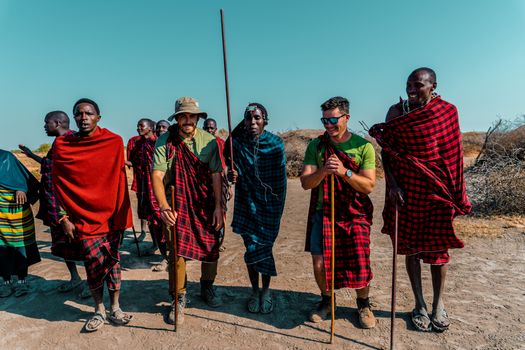
These five experiences are just a glimpse into the incredible world of clothing customs. From the colorful head wraps of African tribes to the modest dresses worn in Pacific Island villages, every culture has its unique way of expressing respect through attire.
My journey from that embarrassed moment in Bali to confidently wearing a kira in Bhutan has taught me that travel isn't just about seeing the world; it's about experiencing it. It’s about stepping out of your comfort zone, embracing the unfamiliar, and showing genuine reverence for the people and traditions you encounter.
Dressing respectfully isn't a chore; it's an adventure. It's a key that unlocks doors, sparks conversations, and transforms a simple trip into a profound journey of connection. It’s about understanding that a piece of cloth can carry generations of history, belief, and identity.
So, as you plan your next grand adventure, consider more than just your itinerary. Consider your wardrobe. What cultural attire will you embrace next? What stories will you gather, simply by showing you care?
What's your next respectful style adventure? Share your thoughts and tell us which custom you're most excited to try in the comments below! Don't forget to tag your photos with #TripsoraRespectfulStyle on Instagram!
---