The Ultimate Chocolate Making Journey: From Bean to Bar (According to Recent Data)
I stepped off the tiny prop plane onto the humid tarmac, the air thick with the scent of damp earth and something subtly sweet. It wasn't the overpowering sweetness of a candy store, but a complex, almost floral aroma that hinted at something far more profound. I was in a remote corner of Ecuador, a place where the magic of chocolate truly begins, ready to unravel the secrets of making chocolate from the humble cacao bean to the exquisite bar. This isn't just a culinary exploration; it's a journey into the heart of sustainability, artistry, and a growing global appreciation for truly exceptional chocolate.
Recent data shows a significant surge in consumer interest for craft and single-origin chocolates, with buyers actively seeking transparency and ethical sourcing. This guide, informed by the latest industry insights and my own immersive experiences, will take you on that very journey.
1. The Golden Bean: Understanding Cacao's Genesis
Our adventure begins at the source: the cacao tree. Forget the polished bars you see in supermarkets; these are the wild beginnings. The cacao tree (Theobroma cacao, meaning "food of the gods") thrives in specific tropical climates, and its fruit, the cacao pod, is where the magic starts.
Recent Data Insight:
Consumer demand for "single origin" chocolate is up 25% year-on-year. This means people want to know where their chocolate comes from, down to the specific farm or region, and the unique flavor profiles that terroir imparts.
- The Pod: Cacao pods are football-shaped and can be vibrantly colored, from deep reds and purples to bright yellows. Inside, they contain between 20-50 seeds, known as cacao beans, embedded in a sweet, white pulp.
- Harvesting: This is a labor-intensive process. Farmers use machetes or specialized knives to carefully cut ripe pods from the trees. Pro-Tip: Visit a cacao farm during harvest season (typically dry season, but varies by region) for the most vibrant experience. Early morning harvests, around 7 AM, often offer the best light and the freshest aromas before the heat of the day sets in.
- Varieties Matter: Like wine grapes, different cacao varieties (Criollo, Forastero, Trinitario) and their origins impart distinct flavor notes. Criollo is rare and prized for its delicate, complex flavors, while Forastero is more robust and common. Trinitario is a hybrid, often offering a balance of both.
2. The Alchemy of Fermentation: Unlocking Flavor
This is arguably the most critical stage for flavor development, and it's a delicate dance of science and art. The freshly extracted beans and pulp are piled into boxes or heaps, often covered with banana leaves, and left to ferment for several days.
Recent Data Insight:
Advanced fermentation techniques, including controlled temperature and humidity, are being explored by craft chocolate makers to consistently achieve specific flavor profiles. This is moving beyond traditional methods to a more scientific approach.
- The Process: Microorganisms (yeasts and bacteria) present in the pulp begin to break down the sugars, generating heat and acids. This process kills the bean's germ, preventing sprouting, and crucially, starts the chemical reactions that will develop chocolate's characteristic flavors and aromas.
- Duration and Conditions: Fermentation typically lasts 2-7 days, depending on the bean variety and local climate. Insider Lingo: Experienced farmers can "read" the fermentation by the smell and heat. Over-fermentation can lead to sour or alcoholic notes; under-fermentation results in flat, underdeveloped flavors.
- Flavor Development: During fermentation, precursor compounds are formed that, with subsequent roasting, will develop into the complex aromatic molecules we associate with chocolate. Think fruity, floral, nutty, and even wine-like notes.
3. Drying and Roasting: The Foundation of Flavor
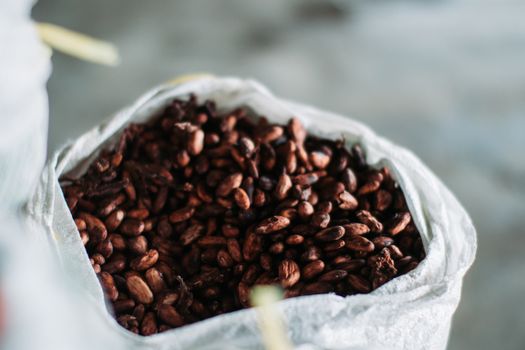
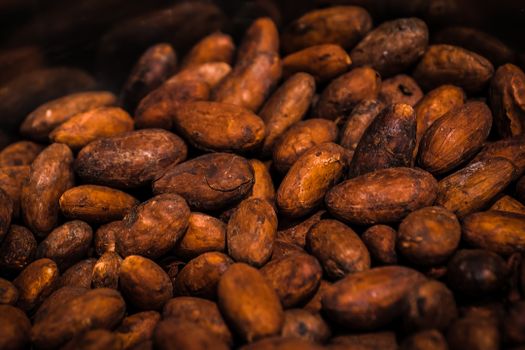
After fermentation, the beans are spread out to dry, usually in the sun, to reduce moisture content and prevent mold. This is followed by roasting, a crucial step where the true "chocolate" flavor is coaxed out.
Recent Data Insight:
Roasting profiles are becoming highly customized. Makers are experimenting with lower temperatures for longer periods to preserve delicate aromatics and higher temperatures for shorter bursts to develop deeper, roastier notes, all based on the specific bean.
- Drying: Beans are spread in thin layers on raised beds or patios. They are regularly turned to ensure even drying. Pro-Tip: Look for farms with well-maintained drying facilities; clean surfaces and consistent turning are key indicators of quality. The beans should reach around 7-8% moisture content.
- Roasting: This is where the magic happens. Roasting transforms the flavor precursors developed during fermentation.
- Temperature and Time: This is a finely tuned art. Low and slow (e.g., 100-120°C for 40-60 minutes) preserves delicate nuances. Higher temperatures (e.g., 140-150°C for 15-25 minutes) develop bolder, caramelized notes.
- Sensory Clues: The aroma changes dramatically during roasting, moving from earthy and slightly vegetal to rich, toasted, and unmistakably chocolatey.
- Bean Cracking and Winnowing: After roasting, the beans are cooled and then cracked. The brittle shells are separated from the precious inner nibs through a process called winnowing, often using air currents. The nibs are the pure essence of chocolate.
4. Grinding and Conching: The Soul of Smoothness
The cacao nibs are now ready for the transformation into a smooth, melt-in-your-mouth chocolate paste. This involves grinding and a lengthy process called conching.
Recent Data Insight:
The duration of conching is a major differentiator. While traditional industrial chocolate might be conched for hours, artisanal makers are conching for days, even weeks, to achieve unparalleled smoothness and complex flavor integration.
- Grinding: The nibs are ground into a liquid paste called chocolate liquor (or mass). This is done using stone grinders or melangers, which use heavy granite wheels to crush the nibs, releasing their cocoa butter and creating a smooth paste.
- Adding Ingredients: At this stage, other ingredients are added: sugar (to sweeten), and sometimes lecithin (as an emulsifier, though many craft makers avoid it for purity). For milk chocolate, milk powder is added.
- Conching: This is the long, slow process of agitation and aeration. The chocolate liquor is heated and stirred continuously for hours or even days.
- Purpose: Conching reduces the particle size of the solids, coats them with cocoa butter for smoothness, and helps to evaporate volatile acids that can cause bitterness or off-flavors. It also further develops complex flavor compounds.
- Duration: A few hours might be sufficient for basic chocolate, but truly exceptional craft chocolate can be conched for 72 hours or more. Insider Lingo: You can taste the difference; a short conche results in a grittier texture and less integrated flavor, while a long conche yields a silken, deeply nuanced chocolate.
5. Tempering: The Art of the Perfect Snap
The final hurdle before the bar is formed: tempering. This is a controlled heating and cooling process that stabilizes the cocoa butter crystals, giving chocolate its characteristic gloss, snap, and smooth melt.
Recent Data Insight:
With the rise of home chocolate making, there's a huge demand for simplified tempering techniques and accessible equipment. Online tutorials and specialized tools are making this skill more attainable.
- The Science: Cocoa butter can crystallize in several different forms. Tempering ensures it crystallizes into the most stable form (Beta crystals), which gives chocolate its desirable properties.
- The Process: Chocolate is heated to around 45-50°C (113-122°F), then cooled to around 27-28°C (81-82°F) while being constantly agitated, and finally gently reheated to around 31-32°C (88-90°F). Pro-Tip: Use a reliable thermometer for this! It's the most crucial tool. If the temperature is too high, you'll lose the temper.
- Visual Cues: Properly tempered chocolate will be glossy, not dull. When you break a piece, it should have a clean, sharp "snap." It should also melt smoothly on your tongue without feeling waxy.
6. Molding and Finishing: The Final Presentation
Once tempered, the chocolate is poured into molds, vibrated to remove air bubbles, and left to set.
- Molds: These come in countless shapes and sizes, from simple bars to intricate designs.
- Setting: The chocolate needs to cool and harden completely. This is often done at cool room temperatures or briefly in a refrigerator.
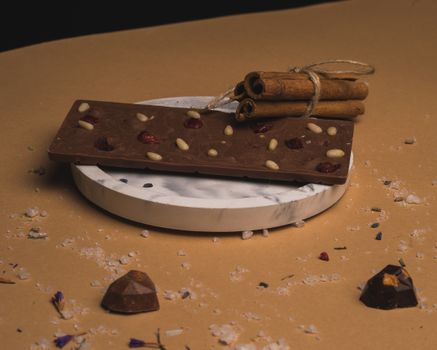
- Finishing Touches: This is where creativity shines. Bars can be adorned with sea salt, chili flakes, nuts, dried fruits, or edible flowers. Authenticity Check: Look for makers who use high-quality, complementary inclusions that enhance, rather than mask, the chocolate's inherent flavors.
Quick Facts: Your Bean-to-Bar Expedition
| Aspect | Details | Estimated Cost ($) | Best Time to Visit | How to Get There |
| :--------------- | :--------------------------------------------------------------------------------------------------------------- | :----------------- | :-------------------------------------------------------------------------------------------------------------- | :-------------------------------------------------------------------------------------------------------------------------------------------------------------------------------------------------------- |
| Farm Tour | Immersive experience, often includes tasting, understanding cultivation & processing. | $30 - $100+ | During harvest season (varies by region, e.g., May-August in some parts of Ecuador). | Fly into a major city (e.g., Guayaquil, Ecuador), then arrange local transport or join a guided tour. |
| Chocolate Factory Visit | See the bean-to-bar process from a maker's perspective, often with tasting. | $20 - $75 | Year-round, but some makers offer special events during quieter months. | Varies widely by location; often accessible by car or public transport within cities or towns. |
| Chocolate Making Workshop | Hands-on experience to learn tempering, molding, etc. | $50 - $200+ | Available year-round; book in advance. | Typically held in dedicated culinary schools or artisanal chocolate shops, accessible via urban transport. |
| Ethical Sourcing Focus | Look for certifications (Fair Trade, Direct Trade) and transparency in origin stories. | Varies (premium) | Not location-dependent, but research brands known for ethical practices. | N/A |
| Travel Season | Generally, the dry season in cacao-growing regions is more pleasant for travel. | Varies | Varies by region. Research specific cacao-producing countries (e.g., Ecuador, Peru, Colombia, Ghana, Madagascar). | Flights to major hubs, then regional flights or ground transport. Consider guided tours for ease of access to remote farms. |
The Modern Chocolate Landscape:
The world of chocolate is evolving rapidly. Consumers are more informed than ever, demanding not just deliciousness but also ethical sourcing and sustainability. This has led to a renaissance in artisanal chocolate making, with small-batch producers focusing on the nuances of single-origin beans and meticulous craft. The data is clear: the future of chocolate lies in transparency, quality, and a deep respect for the bean's journey from farm to bar.
My journey through the cacao groves and into the heart of a small-batch chocolate maker's workshop was more than just a tasting; it was an education. It's a reminder that the simplest pleasures often have the most complex and beautiful origins.