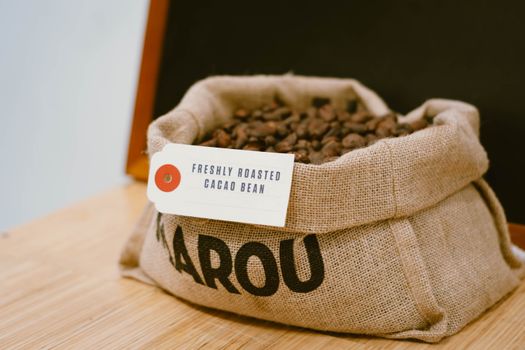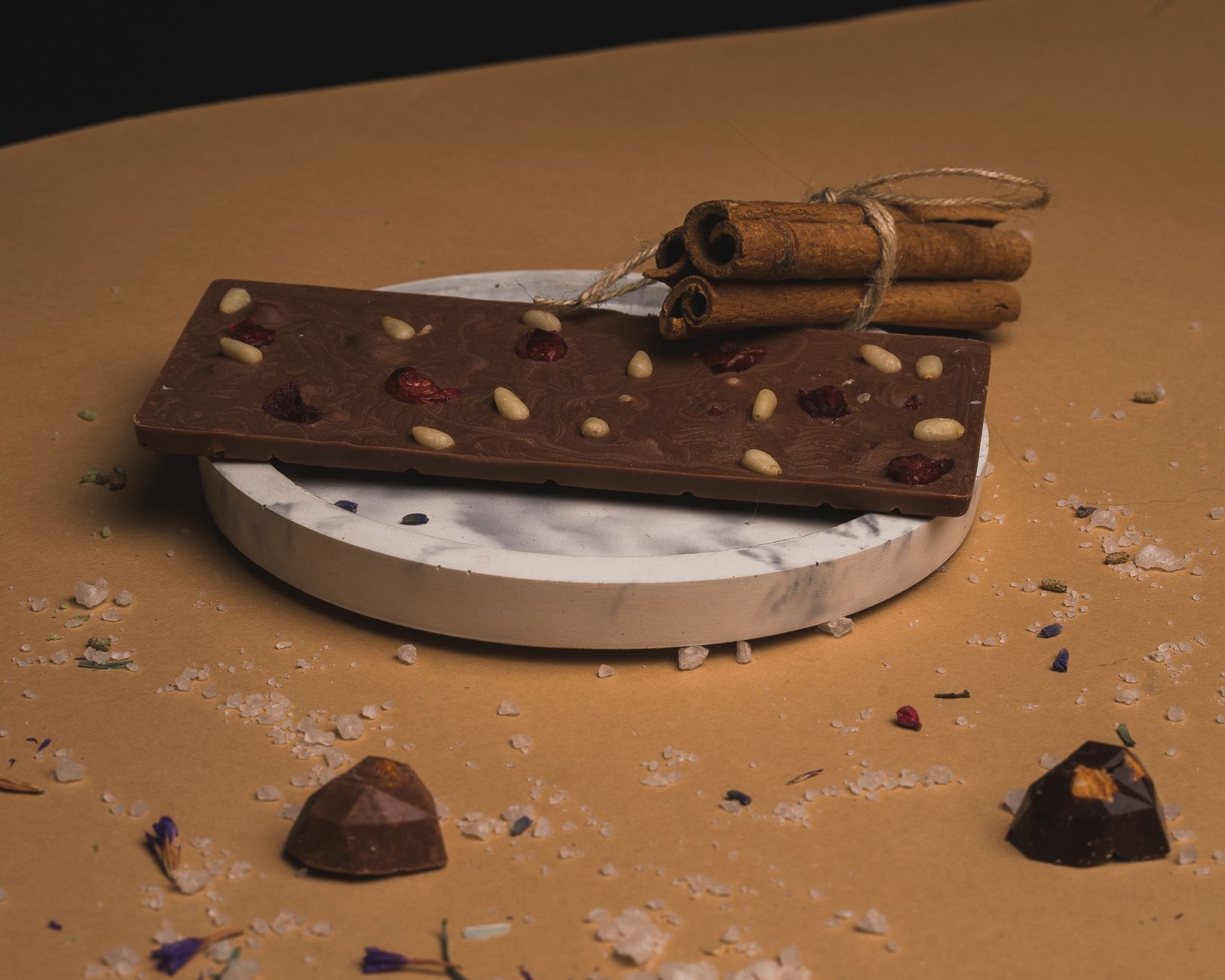
Chocolate starts as the seed inside a cacao pod, a fruit that grows on trees in tropical regions. The path from those seeds to a finished bar passes through several carefully controlled stages, and each one shapes flavor, aroma and texture. Bean-to-bar makers handle most or all of these steps themselves, which allows closer attention to sourcing and quality. This guide walks through the process and explains what to look for when visiting a producer.
Fermentation and drying
Cacao pods are harvested once they are ripe, then opened so the beans, surrounded by sweet pulp, can be removed. The beans are fermented in heaps, boxes or baskets for several days. During fermentation, natural chemical changes develop the precursors of chocolate flavor and tend to reduce harshness and bitterness. Producers track temperature and turning schedules, because small differences can noticeably change the final character. Poorly managed fermentation can leave beans tasting sour, moldy or smoky.
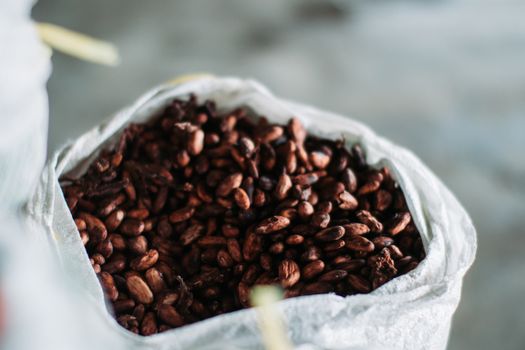
After fermentation, beans are dried, often in the sun on mats or raised beds, and turned regularly so they dry evenly. Drying halts fermentation and brings moisture down to a level that is stable for storage and shipping. Beans are then sorted to remove damaged, underdeveloped or broken pieces, along with stones and shells. Sorting is often labor-intensive, and it has a direct effect on how consistent a batch will taste.
Roasting and winnowing
Roasting develops flavors such as nuttiness, caramel, toast and fruit notes, depending on temperature and time. Many makers roast in small batches so they can adjust for each origin and avoid overcooking delicate beans. Lighter roasts often keep more of the fruity or floral character, while darker roasts tend toward roasted and bitter notes. After roasting, beans are cracked and winnowed, a process that separates the nibs, the inner pieces of the bean, from the thin outer shells. Nibs are the raw material for chocolate, so their quality and consistency matter a great deal. Winnowing that leaves too much shell can add dryness to the final bar.
Grinding, conching and tempering
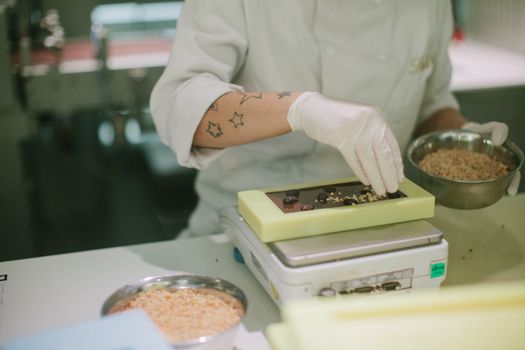
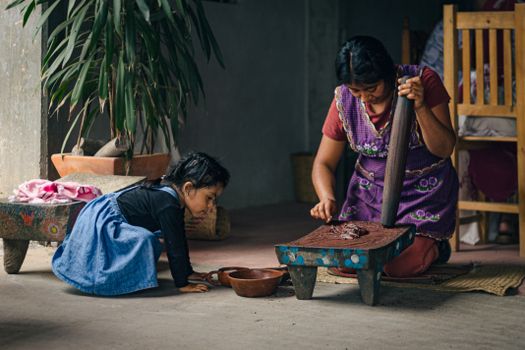
Nibs are ground into a thick liquid called chocolate liquor, which contains cocoa solids and cocoa butter. Sugar, and sometimes milk powder or extra cocoa butter, is added before the mixture is refined to a fine particle size, since larger particles can feel gritty on the tongue. Conching is a long process of mixing and aerating that smooths texture and rounds out sharp flavors. It can run for many hours. Tempering then controls the crystal structure of the cocoa butter by heating and cooling the chocolate in a precise sequence. Done well, tempering gives a glossy surface, a clean snap and stable storage. Done poorly, it can produce dull streaks or a crumbly bar that develops bloom.
A decision framework for choosing a visit
Not every chocolate visit suits every traveler, so it helps to decide what you want before booking. Start by asking whether your main interest is technical learning, tasting and flavor comparison, or a relaxed outing with a souvenir. A guided tour with production explanations suits people who want to understand each stage. A tasting session suits people who want to compare origins and roasts. A workshop where you shape a simple bar may suit families or groups. Next, consider how much time you have, whether the producer is near your route and whether the schedule fits your plans. Finally, weigh transparency. Companies that explain sourcing, processing and their relationships with farmers usually give you more to learn from than those that offer only a showroom.
Common mistakes to avoid
A frequent mistake is treating every bar as the same kind of product. Single origin and blended bars serve different purposes, so comparing them without context can be misleading. Another common error is tasting too quickly. Chocolate changes as it melts, and a slow tasting reveals more. Visitors also sometimes arrive without checking opening times or reservation rules, which can mean a missed slot or a closed door. At home, bars left in warm cars or sunny windows lose flavor and can develop bloom. Finally, many travelers skip questions. Asking about harvest timing, fermentation methods or sourcing is often the easiest way to get more from the visit.
What to check before booking
Before reserving, confirm the tour's language, length and whether it includes a tasting or only a walkthrough. Check whether photography is allowed, whether children are welcome and whether any activities have age limits. Look for accessibility information, since production areas can involve stairs, warm rooms and long periods of standing. Ask whether advance booking is required, whether group sizes are capped and what the cancellation policy says. Read recent visitor feedback with attention to specifics rather than general praise. Confirm the address and parking or transit options, because small makers are often located outside busy shopping areas. A short message to the producer can settle most open questions.
Who a bean-to-bar visit suits, and who it may not
Bean-to-bar tours tend to suit curious travelers, food lovers, culinary students and anyone who enjoys learning how everyday products are made. They can work well for couples, small groups and families with older children who enjoy hands-on activities. Flavor enthusiasts often get the most from tastings that compare origins side by side. On the other hand, a visit may not suit travelers who want a quick, low-cost sightseeing stop, or those who are sensitive to strong cooking smells in an enclosed room. People with allergies should ask about shared equipment, since chocolate production often involves milk, nuts and other ingredients.
Frequently asked questions
Is bean-to-bar chocolate always better than other chocolate?
Not necessarily. Bean-to-bar makers offer close control and transparency, but taste is a matter of preference, and well-made chocolate from other sources can be excellent.
Why do bars from similar beans taste different?
Roasting, conching time, sugar levels and tempering all influence flavor, so two makers can produce quite different bars from comparable beans.
Do I need prior knowledge to enjoy a tour?
Usually not. Basic curiosity is enough, and a good guide can explain terms like fermentation and conching in plain language.
Knowing how chocolate is made gives each bite more context, because flavor is built through a long sequence of decisions. A bean-to-bar visit offers a close look at that work and a chance to ask informed questions. Whether you are a curious traveler or a serious taster, understanding the process helps you appreciate the craft behind the bar.