The New Golden Standard of Eco-Luxury
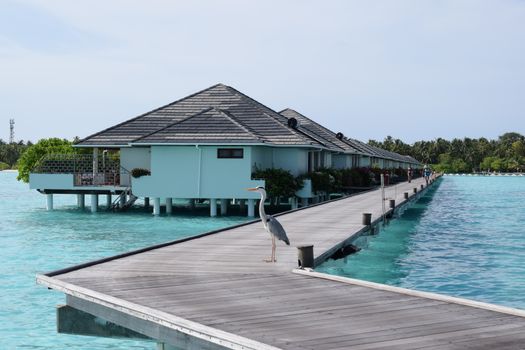
I stepped off the twin-otter seaplane onto the teak jetty at Kudadoo, and the first thing that hit me wasn't just the warmth of the Laccadive Sea—it was the silence. No rumbling diesel generators coughing exhaust behind the treeline. No whine of high-voltage grids. Just the rhythmic slap of turquoise water against pilings and the clean, citrusy aroma of crushed kaffir lime leaves wafting from the open-air kitchen.
Above me, a dramatic, sweeping roof tilted toward the equator. I stared up at Japanese architect Yuji Yamazaki’s masterpiece: a massive sky-canopy studded with 984 photovoltaic panels shimmering like dark obsidian in the mid-morning light. That roof powers every single air conditioner, cold-pressed juice extractor, and private infinity pool pump across this entire private island.
For years, "sustainable travel" meant reusing your bath towel three times and drinking out of soggy paper straws. Today, luxury travel has shifted radically. The absolute pinnacle of summer travel is defined by hyper-luxury, zero-emissions, and net-positive impact. High-net-worth travelers demand true zero-carbon operations without relinquishing 1,000-thread-count organic Egyptian cotton sheets or Michelin-caliber tasting menus.
If you are planning an unforgettable getaway this season, these are the standout carbon-neutral resorts leading hospitality that are trending this summer.
---
1. Kudadoo Maldives Private Island (Lhaviyani Atoll, Maldives)
Architecture Powered Purely by the Sun
Kudadoo isn't just eco-friendly; it is an off-grid, 100% solar-powered private enclave consisting of 15 overwater residences. Designed with sustainably harvested Swedish pine and sloped rooflines calculated to absorb maximum solar energy, the main building's photovoltaic array generates 300kWp of electricity, surplus power that is stored in advanced lithium-iron-phosphate battery systems.
What Makes It Trend This Summer
Aside from trending across Instagram for its floating breakfast setups, Kudadoo operates under an "Anything, Anytime, Anywhere" fully inclusive philosophy. You can dine on line-caught mahi-mahi dusted with wild sumac on a deserted sandbank at 2 AM, knowing your air-conditioned ocean villa hasn't burnt a single drop of fossil fuel to keep you cool.
- Insider Pro-Tip: Request Villa 08. It faces directly sunset-west, offering unobstructed views of blacktip reef shark nurseries below your glass floor cutouts, and gets optimal airflow, drastically reducing your villa's cooling energy load.
---
2. Svart (Meløy, Norway)
The World’s First Net-Positive Energy Hotel
Suspended above the clear waters of the Holandsfjorden fjord at the foot of the Svartisen glacier, Svart isn't merely carbon-neutral—it is carbon-negative and net-positive. Built on a circular wooden stilt structure inspired by traditional Norwegian fiskehesje (wooden drying racks for fish), this radical property produces more energy over its lifecycle than it consumes, including its eventual demolition.
Architecture Powered by Northern Innovation
Svart’s ring-like shape is mapped against the sun’s trajectory across Arctic summer days to harvest solar energy via roof-integrated panels. Geothermal wells drilled deep into the fjord bed harness subsurface heat to power low-temperature radiant floor systems.
- The Culinary Scene: The restaurant works strictly on a hyper-local, zero-mile biodynamic farm blueprint. Expect dynamic dishes like sea buckthorn-cured Arctic char served with pickled spruce tips harvested directly from the surrounding alpine hillside.
- Insider Pro-Tip: Book a night-kayaking expedition under the midnight sun. The water contains bioluminescent plankton that glow bright electric blue against your paddle blades as you float past ancient blue-ice glaciers.
---
3. Secret Bay (Portsmouth, Dominica)
Rainforest Clifftop Villas Built Without Heavy Machinery
Dominica—the Caribbean’s rugged "Nature Island"—is home to Secret Bay, a Relais & Châteaux property that sets the gold standard for high-end biophilic design. Perched high on a coastal cliff wrapped in dense jungle foliage, Secret Bay’s villas are crafted entirely out of sustainably sourced Guyanese Wallaba hardwood.
```
+-------------------------------------------------------------------------------+
| SECRET BAY CARBON-NEUTRAL METRICS |
+-------------------------------------------------------------------------------+
| [Construction Method] Hand-carved framing; zero heavy construction machinery |
| [Energy Grid] Micro-hydro turbines & localized solar microgrid |
| [Sourcing Policy] 100% hyper-local sea-to-table & forest foraging |
| [Waste Target] Zero single-use plastics & closed-loop composting |
+-------------------------------------------------------------------------------+
```
Why It’s Going Viral
Luxury travelers seeking total isolation are obsessing over Secret Bay’s private residential villas featuring personal plunge pools, dedicated villa hosts (called Guani), and secret pathways leading to private beach coves. The property operates its own micro-hydro turbines fed by forest streams and offsets 100% of its remaining footprint through native tree reforestation projects across the island.
- Insider Pro-Tip: Skip the main menu and ask your personal chef to prepare a traditional Dominican Sancocho stew using wild ground provisions and line-caught red snapper brought in by local artisanal fishermen that morning.
---
4. Lapa Rios Lodge (Osa Peninsula, Costa Rica)
The Pioneer of Carbon-Neutral Canopy Living
Set within 1,000 acres of protected lowland tropical rainforest overlooking the Pacific Ocean, Lapa Rios proved that true conservation and high-end hospitality could thrive together long before "sustainability" became a corporate buzzword.
Off-Grid Eco Engineering
Lapa Rios runs entirely off solar microgrids paired with anaerobic biodigesters that process kitchen scraps into clean biogas used directly to power staff kitchen cooktops. The lodge features open-air thatch-roof bungalows built using fallen forest timber and native palm fronds, eliminating the need for energy-intensive air conditioning in favor of natural ocean-breeze cross-ventilation.
```
[Solar Microgrid] ---> Powers Guest Villas & Water Pumps
|
Food Waste --> [Anaerobic Biodigester] ---> Biogas for Staff Kitchens
|
+---> Organic Compost for Rainforest Nursery
```
The Experience
You wake up to the thunderous call of howler monkeys and scarlet macaws sweeping past your private outdoor shower. Guests participate directly in rainforest monitoring, tracking wild pumas, tapirs, and sloths with local expert guides.
- Insider Pro-Tip: Take the early morning 5:30 AM ridge hike. The light filtering through the 150-foot-tall Ceiba tree canopy is prime for photography, and you'll catch poison dart frogs active before the equatorial heat sets in.
---
5. Tierra Patagonia (Torres del Paine, Chile)
Wind-Engineered Biomimicry at the Edge of the Earth
Emerging from the wind-swept Patagonian steppe like a wooden fossil resting beside Lake Sarmiento, Tierra Patagonia’s low-slung, curved architecture was designed by Cazú Zegers to mimic the shape of a wind-carved dune.
Zero Impact, High Performance
To minimize energy load in one of the world's most extreme climates, the resort utilizes high-performance thermal insulation paired with native Lenga wood cladding, which naturally ages to match the color of the surrounding desert grass. Heating is managed via advanced heat-recovery ventilation systems, while the resort’s private water treatment plant purifies 100% of greywater for land restoration and irrigation.
```
[Patagonian Lake Sarmiento]
~ ~ ~ ~
==================================== <-- Low-profile Lenga Wood Roof
/ [Thermal Insulation Envelope] \
| - Triple-pane structural glass | <-- High-Efficiency Radiant Heating
| - Heat-recovery ventilation units |
\____________________________________/
```
The Vibe
After spending eight hours trekking through the craggy peaks of Torres del Paine National Park, guests retreat to the resort's indoor infinity pool—heated entirely through renewable energy—to gaze out through floor-to-ceiling glass at wild guanacos grazing along the shoreline.
- Insider Pro-Tip: Order a glass of Chilean Calafate berry sour at the bar around 7:30 PM. Sit near the central copper fireplace; the angle of the setting sun aligns perfectly with the western peaks of the Paine Massif.
---
6. Shinta Mani Wild (Bensley Collection, Cambodia)
Conservation-Driven Tented Luxury
Conceived by radical resort designer Bill Bensley, Shinta Mani Wild is an ultra-exclusive tented camp located in a un-fragmented wild elephant corridor inside the Cardamom Mountains National Park. The entire resort was constructed without cutting down a single trees, suspended high above a cascading river valley to allow wildlife uninterrupted passage underneath.
Radical Sustainability Action
The property finances its own dedicated team of Wildlife Alliance anti-poaching rangers who patrol the surrounding 860,000-acre forest, actively removing wire snares and stopping illegal logging operations. Energy is carefully optimized via smart solar units, while all organic waste feeds an onsite farm and conservation laboratory.
- How You Arrive: Forget golf carts. Guests enter the property by zip-lining 400 meters over the forest canopy and roaring waterfalls straight into the open-air Landing Zone Bar.
- Insider Pro-Tip: Book a stream-side foraging trek with the resident botanist and chef. You will collect wild forest mushrooms, native pepper vines, and jungle herbs that are transformed into a multi-course dinner right on the riverbanks.
---
The Cheat Sheet: How to Spot Genuine Net-Zero vs. Greenwashing
When booking your summer getaway, verify that your luxury resort meets concrete ecological standards:
- Third-Party Certifications: Look for verified credentials like B-Corp Status, EarthCheck Building Planning and Design Standard (BPDS), or LEED Platinum Certification.
- Embodied Carbon Audits: Leading resorts publish external lifecycle assessments accounting for the carbon footprint generated during construction, transport of materials, and operational energy use.
- Hyper-Local Supply Chains: Genuine net-zero retreats produce food onsite or source within a 30-mile radius, eliminating carbon emissions associated with long-distance refrigerated freight air-lifts.
- Onsite Waste-to-Energy Conversion: Check if the property runs anaerobic digesters or advanced thermal conversion systems rather than merely shipping trash off-island to local landfills.
---
Quick Facts & Logistics Guide
| Resort | Location | Target Cost ($ / Night) | Best Time to Visit | Primary Access Route |
| :--- | :--- | :--- | :--- | :--- |
| Kudadoo Maldives | Lhaviyani Atoll, Maldives | $3,800 – $5,500 | Nov – April (Sunny Summer: Jul–Aug) | 40-min seaplane from Velana Intl (MLE) |
| Svart | Meløy, Norway | $900 – $1,800 | June – September | Fly to Bodø (BOO), high-speed ferry to Meløy |
| Secret Bay | Portsmouth, Dominica | $1,200 – $2,600 | Year-round (Best: May–Sept) | Fly to Douglas-Charles (DOM), 45-min private transfer |
| Lapa Rios Lodge | Osa Peninsula, Costa Rica | $1,100 – $2,200 | Dec – April (Green Season: May–Aug) | Domestic flight to Puerto Jiménez, 45-min 4x4 drive |
| Tierra Patagonia | Torres del Paine, Chile | $2,400 – $4,200 (All-inc packages) | Oct – April (Southern Summer) | Fly to Punta Arenas (PUQ), 4-hour scenic drive |
| Shinta Mani Wild | Cardamom Mts, Cambodia | $1,900 – $3,100 | Nov – May (Lush Season: Jun–Oct) | 3-hour private road transfer from Phnom Penh (PNH) |
---
Essential Pro-Tips for the Carbon-Conscious Jetsetter
- Pack Non-Toxic Mineral Sunscreen Only: Conventional chemical sunscreens containing oxybenzone destroy vulnerable coral reef ecosystems around eco-resorts. Opt for reef-safe zinc oxide formulas that bypass plastic packaging.
- Direct Flights over Connections: Over 25% of an aircraft's fuel consumption occurs during takeoff and landing. Booking non-stop long-haul flights slashes your individual transit carbon footprint significantly compared to multi-leg routing.
- Offset the Flight Right: Rely on verified gold-standard offsets (Gold Standard or VCS / Verra certified) that invest directly in community-led micro-hydro, permanent forest conservation, or direct air carbon-capture installations.
---