I Smelled the Salt Before I Saw the Solar Panels
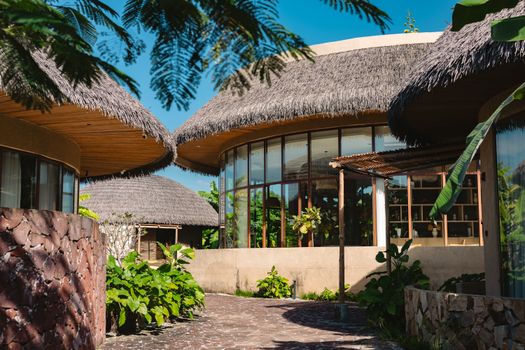
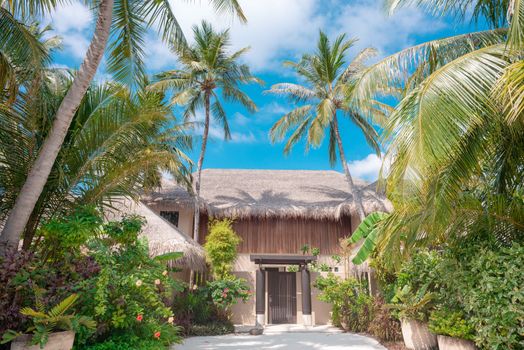
I stepped off the electric catamaran and the first thing that hit me wasn’t the humidity—it was the scent of crushed lemongrass and wild sea salt. No diesel fumes. No thrumming of a dirty generator in the distance. Just the rhythmic slap of the turquoise Indian Ocean against a pier made of reclaimed boardwalk timber. I was at a resort that, on paper, shouldn’t exist: a hyper-luxury sanctuary that produces more energy than it consumes.
For years, "sustainable travel" meant scratchy hemp sheets and lukewarm showers. But the carbon-neutral resorts leading hospitality emerging this year have flipped the script. We are entering the era of the "Guilt-Free Grand Tour," where the architecture breathes, the food is grown ten feet from your table, and the carbon footprint of your entire stay is lower than a single commute in Manhattan.
1. The Death of Greenwashing: Why This Year is Different
In previous years, a resort could call itself "green" simply by asking you to reuse your towels. That won't fly anymore. The elite traveler now demands Net-Zero certification. We’re seeing a surge in "Passive House" standards applied to tropical villas and "Cradle-to-Cradle" design where every piece of furniture is biodegradable or infinitely recyclable.
The leaders in this space aren't just offsetting their carbon by buying forest credits in a country they’ve never visited. They are generating their own power via transparent solar glass, harvesting atmospheric water, and utilizing Direct Air Capture (DAC) technology on-site.
2. The Architectural Flex: Svart and the Energy-Positive Revolution
If you want to see the future, look toward the Arctic Circle. Svart, located at the foot of the Svartisen glacier in Norway, is the world’s first "energy-positive" hotel.
Designed as a ring-shaped masterpiece hovering over the fjord on weather-worn wooden poles, it consumes 85% less energy than a traditional hotel. But here’s the kicker: it produces its own electricity.
* The Insider Detail: The roof is covered in Norwegian solar panels manufactured using clean hydro-energy.
* Pro-Tip: Book a "Blue Hour" kayak tour. Because the resort is off-grid and uses minimal light pollution strategies, the bioluminescence in the water during winter is unlike anything else on Earth.
3. Circular Gastronomy: Eating the Ecosystem
The carbon-neutral resorts leading hospitality emerging this year have turned their kitchens into closed-loop laboratories. At Soneva Fushi in the Maldives, the "Waste-to-Wealth" program isn't just a catchy slogan; it's a lifestyle.
I spent an afternoon with their lead chef, who explained that 90% of the resort’s solid waste is processed on-site. They turn Styrofoam packaging into lightweight building blocks and glass bottles into high-end art at their on-site glass studio.
* The Taste: Try the "Zero-Kilometer Salad." The greens are grown in a mushroom-compost-enriched garden that utilizes greywater from the villas. It’s the crispest arugula you’ll ever have, flavored by the sea air.
* Pro-Tip: The hidden entrance to the subterranean wine cellar is behind a wall of recycled driftwood—ask the sommelier for the "Biodynamic Flight."
4. The Rise of the "Bio-Climatic" Safari
In the heart of the Okavango Delta, Xigera Safari Lodge is proving that carbon neutrality can be sexy. While traditional safaris rely on noisy, diesel-guzzling 4x4s, the new guard is moving toward silent, solar-charged electric cruisers.
The architecture here is "bio-climatic," meaning the structures are angled to catch the natural breeze, eliminating the need for energy-heavy air conditioning.
* The Detail: The lodge is 100% solar-powered by a dedicated farm. Even the "Baobab Treehouse"—a three-story steel sculpture you can sleep in—is a marvel of low-impact engineering.
* Pro-Tip: Visit during the "Green Season" (November to March). The landscape is lush, the predators are active, and the resort’s solar batteries stay at 100% capacity thanks to the intense African sun.
5. Tech Meets Tradition: The Bhutanese Model
Bhutan is the world’s only carbon-negative country, and its hospitality sector is the gold standard. Six Senses Bhutan isn't just one resort; it’s a "circuit" of five lodges designed to reflect the local "Gross National Happiness" index.
They use traditional rammed-earth walls which provide incredible thermal mass, keeping rooms warm in the Himalayan winter without burning wood or coal.
* The Insider Vibe: This isn't about flashy gold faucets. It’s about hand-burnished wood, local stone, and a sense of "quiet luxury" that feels ancient yet technologically advanced.
* Pro-Tip: When traveling between lodges, request the hybrid vehicle transfer. It’s part of their commitment to keeping the mountain air pristine.
6. Logistics: How to Plan Your Carbon-Neutral Escape
Traveling to a remote, net-zero island sounds expensive and complicated. It can be, but the ROI on your soul is massive.
| Feature | Norway (Svart) | Maldives (Soneva) | Bhutan (Six Senses) |
| :--- | :--- | :--- | :--- |
| Best Time to Visit | June - August (Midnight Sun) | November - April | March - May (Spring Flowers) |
| Est. Cost (Per Night) | $$$$ ($800+) | $$$$$ ($2,000+) | $$$$ ($1,200+) |
| How to Get There | Flight to Bodø + Electric Boat | Seaplane from Malé | Flight to Paro + Private Car |
| Eco-Innovation | Energy-Positive Ring | Waste-to-Wealth Studio | Rammed Earth / Carbon Negative |
Quick Logistics Tip:
Always check if the resort offers "Carbon-Neutral Transfers." Many of the leading properties now operate their own fleet of electric vehicles or carbon-offset sea vessels to ensure your journey from the airport doesn't undo the good of your stay.
7. The Verdict: Is it Worth the Premium?
You will pay more for a carbon-neutral resort. You’re paying for the R&D of the solar glass, the fair wages of the local artisans, and the sophisticated water filtration systems. But you're also paying for a superior sensory experience.
There is a profound psychological shift that happens when you realize your luxury isn't costing the earth. You sleep deeper. The air tastes cleaner. The "Secret" to these resorts isn't just the tech—it's the feeling of being back in harmony with the wild, without having to give up your high-speed Wi-Fi or your 600-thread-count sheets.
---