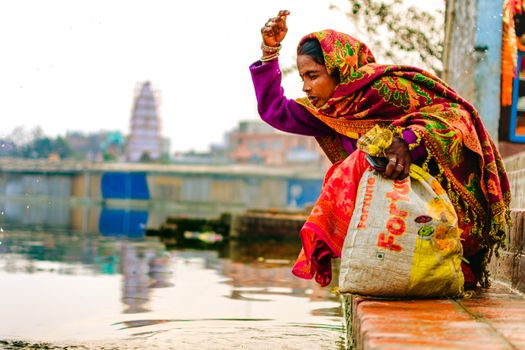
Social media often presents ancient rituals as backdrops: a glowing temple, a robed procession, a dramatic offering at dawn. The reality is more interesting and also more delicate. Many of these ceremonies are not performances. They are living religious or community practices, held for the people who belong to them, and visitors are guests at best. Some are open to respectful observers, some are partly open, and some should simply be left alone.
This guide is about the first two groups. It explains how to find rituals you can witness without intruding, how to behave when you get there, and how to recognise when staying away is the right choice. Dates, access rules and customs change, and some communities limit visitors or close events entirely, so always confirm locally before travelling.
A different way to think about "witnessing"
Before looking at examples, adjust the question. Instead of asking "where can I see a ritual?", ask "where am I welcome, and what does the community want from visitors?" That shift filters out a lot of poor choices.
A ritual is usually open to visitors when:
- It takes place in a public space, such as a riverbank, town square or main temple courtyard.
- The community or temple authority explicitly welcomes observers, often with signs, guides or designated viewing areas.
- Local people, not just tour operators, are comfortable with outsiders being present.
A ritual may be closed or sensitive when:
- It is private, family based or restricted to initiated members.
- It involves funerals, healing or deeply personal rites.
- Local authorities or community leaders have asked visitors to stay away.
When in doubt, ask someone local, such as a guesthouse owner, a temple caretaker or a registered guide, whether visitors are welcome and how to behave.
Evening river ceremonies in India
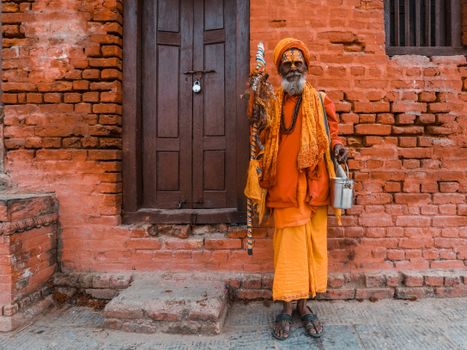
One of the best known public rituals is the evening river worship held along the Ganges in cities such as Varanasi and Haridwar. Priests perform a choreographed ceremony with lamps, bells, chanting and incense, while crowds gather on the steps by the river. Many local people attend as part of their daily or weekly devotion, so you are watching a real act of worship, not a show staged for tourists.
How to approach it respectfully:
- Arrive early enough to find a spot without pushing, and expect crowds.
- Dress modestly, covering shoulders and knees.
- Stay quiet and avoid blocking the view of worshippers.
- Do not step on or touch offerings, and follow guidance on where to stand.
- If you take photos, do so discreetly, avoid flash, and never photograph people at prayer at close range without permission.
Some people join boat rides to view the ceremony from the water. If you do, choose a boatman recommended by your accommodation and agree on the price first.
Balinese temple ceremonies in Indonesia
Bali is known for a daily rhythm of offerings and frequent temple festivals. Small woven offerings appear on pavements, shrines and doorsteps every day, and larger temple ceremonies, called odalan, mark the anniversary of a temple. Processions, gamelan music and dance can fill a village for days.
Visitors are often welcome at public ceremonies if they follow the rules. Typically that means wearing a sarong and sash, which can often be borrowed or hired at temple entrances, and following the lead of local people. Some ceremonies and temples restrict entry, and women who are menstruating are asked in some places not to enter the temple. Ask about local customs rather than assuming.
Do not walk in front of worshippers while they are praying, avoid sitting higher than priests or offerings, and never step over offerings placed on the ground. If a village is hosting a ceremony, ask your host or a local guide whether visitors may attend.
Buddhist morning alms in Southeast Asia
In places like Luang Prabang in Laos, monks walk through the streets at dawn to receive food offerings from local people. For many residents it is a daily act of merit. In recent years the ritual has become heavily visited, and local voices have repeatedly raised concerns about tourists crowding monks, using flash photography or buying low-quality food from street sellers to join in.
If you want to witness it, the best approach is:
- Observe from a respectful distance, without joining in unless you understand the practice and have been invited by a trusted local source.
- Stay quiet, keep your voice and camera low, and avoid using flash.
- Never touch the monks or block their path.
- If you do wish to take part, buy food from a trusted local source rather than street vendors, and follow guidance on how to offer it.
Many local communities now ask visitors to observe rather than participate. Choose the lower-impact approach.
Festivals and ceremonies in the Andes
In the highlands of Peru, Bolivia and Ecuador, Indigenous and mestizo communities hold festivals that blend pre-Hispanic and Catholic traditions. Inti Raymi, the winter solstice festival held near Cusco in June, is a staged re-creation with public performance elements, while many village festivals through the year remain community events.
Public parades and dances are often open to onlookers, but some community ceremonies are not. Offerings to Pachamama, or Mother Earth, can be intimate acts of reciprocity. If a guide offers to arrange a private ritual for tourists, ask how the community is involved, who benefits, and whether the practice is genuinely part of local life or a paid show.
Coming-of-age and tribal ceremonies
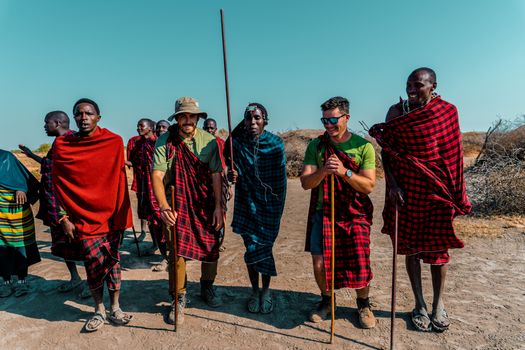
Ceremonies such as initiation rites, harvest festivals and dance gatherings appear in many cultures. Some Indigenous nations in North America hold public powwows, which welcome visitors, with dancing, drumming and food. Etiquette is posted at the event, and visitors are often asked not to take photos of certain dances or regalia without permission.
By contrast, many ceremonies are closed to outsiders. If a community says a ritual is private, that is the end of the matter. Accept it gracefully and consider other ways to learn, such as visiting a cultural centre or museum run by the community.
Shinto and Buddhist rites in Japan
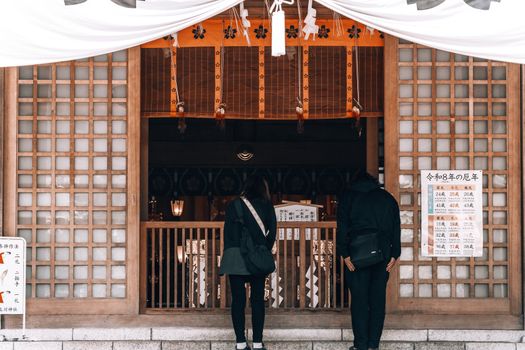
Japan has many shrine and temple ceremonies that visitors can often watch. Seasonal festivals, called matsuri, bring processions, drums and portable shrines through towns. Some temples hold morning chanting that visitors may observe quietly, and a few offer overnight stays with participation in monastic routines.
Respectful behaviour includes bowing slightly at shrine entrances, washing hands at the purification fountain if provided, speaking softly, and following posted rules on photography. At a wedding or private ceremony, keep a distance and avoid taking photos of the people involved.
Fire and sun ceremonies
Rituals tied to the sun, the solstices or fire take place in many places. Some are public gatherings, others are private. The rule remains the same: look for events that invite the public, follow the organisers' instructions, and treat the ceremony as worship, not entertainment. Be cautious about unofficial events promoted heavily to tourists, since they may be staged and may not reflect any real community practice.
How to find ceremonies that welcome visitors
- Start with local tourism boards and cultural centres. Official event calendars often list public festivals.
- Ask your accommodation. Hosts know what is happening locally and what is appropriate.
- Hire registered local guides. Choose guides from the community who can explain the meaning and the etiquette, and who are fairly paid.
- Read recent travel advice. Rules and closures change, and some places restrict visitors during peak periods.
- Plan around dates carefully. Many rituals follow lunar or religious calendars, so dates shift each year. Verify before booking.
Photography and social media
Photos are the biggest source of friction. A few guidelines:
- Ask before photographing individuals, especially children, elders and people at prayer.
- Follow posted rules. Some sites ban photography entirely.
- Avoid flash, drones and selfie sticks, which disrupt ceremonies.
- Think twice before posting. Tagging an exact location of a fragile or sacred site can contribute to overcrowding.
- Do not film private moments such as funerals, healing rites or trance states.
If a moment feels intimate, put the phone away. You will remember more anyway.
Preparing before you go
A little homework changes how a ceremony feels. Spend an evening on these steps before you travel:
- Read about the history and meaning of the tradition, ideally from sources written by people from that community.
- Learn a few polite phrases in the local language, such as greetings and thanks.
- Find out what is expected of visitors: clothing, footwear, behaviour, and whether women, men or children have different roles.
- Check how you will get there and back, since ceremonies often run late into the night or start before public transport begins.
- Bring small amounts of local cash for donations, entry fees and food from local sellers.
Preparation also helps manage expectations. Many rituals involve long periods of waiting, repetition and silence. That slowness is not a flaw in the experience. It is part of it.
What to do if you feel out of place
Even a well-prepared visitor can feel awkward. If you are unsure what to do, copy the quietest, most respectful person near you. Stand when they stand, step back when they step back, and keep your hands visible and still. If someone gently asks you to move or stop photographing, do it immediately and thank them. Nobody expects a visitor to understand everything, but they do notice whether you are trying.
Spotting exploitative or staged "rituals"
Be wary of experiences that:
- Promise a "secret" or "untouched" ritual for a high fee.
- Ask you to dress in costume or take part in sacred acts for photos.
- Involve animals or people being used for entertainment.
- Cannot explain who is performing the ritual and why.
A genuine tradition does not need to be marketed as a secret. A good guide will explain context, introduce you to community members where appropriate, and set clear expectations about what you may and may not do.
Frequently asked questions
Is it okay to attend a ceremony if I am not religious?
Yes, if the ceremony is open to visitors. Attend as an observer, follow local rules, and do not treat it as a performance.
What should I wear?
Modest clothing is a safe default, covering shoulders and knees, and having a scarf or sarong handy. Remove shoes where required.
Can I take part in a ritual?
Only if you are explicitly invited and understand what participation means. When in doubt, observe quietly.
Should I pay or tip?
Some temples accept donations, which are usually placed in a marked box. Avoid handing money directly to worshippers or performers unless it is clearly appropriate.
Summary
Witnessing an ancient ritual can be a moving experience, provided you arrive as a guest and not a spectator seeking content. Choose ceremonies that are public and welcoming, learn the basic etiquette, dress modestly, keep your camera in check, and accept it when a community says no. Confirm dates and access locally, since customs and rules change. Done thoughtfully, you may gain a deeper understanding of a place and leave it better for your visit.