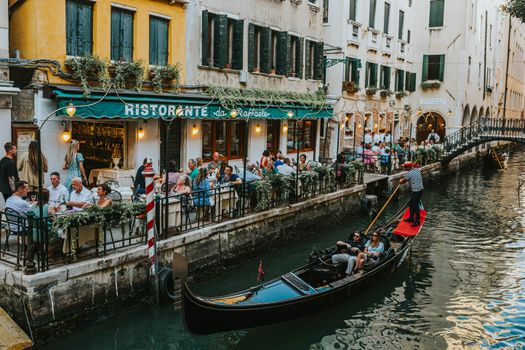
Planning a 7 days in Venice itinerary allows you to delve deep into the city's unique charm, from its grand piazzas to its quiet back canals. This comprehensive guide provides a practical, day-by-day breakdown, ensuring you experience the best of Venice, including its world-famous landmarks, traditional eateries, and picturesque islands, without feeling rushed.
Itinerary at a Glance
| Category | Details |
|---|---|
| Best Time to Visit | Spring (April-May) and Autumn (September-October) for pleasant weather and fewer crowds. |
| Typical Costs (per person, approx.) | Accommodation: £80-£200+ per night Food: £40-£80 per day Transport: £60-£75 for a 7-day Vaporetto pass Attractions: £50-£100 for key museums/galleries (Note: Prices are approximate and subject to change. Always check current rates on official websites.) |
| How to Get There | Fly into Venice Marco Polo Airport (VCE) or arrive by train at Venezia Santa Lucia Station. |
| Getting Around | Primarily walking. Vaporetto (water bus) for longer distances and island hopping. |
Where to Stay in Venice
Choosing the right neighbourhood impacts your experience. Consider these popular areas:
- San Marco: Central, close to major sights, but often the most crowded and expensive. Ideal for first-time visitors who want to be in the heart of the action.
- Cannaregio: Lively, authentic, and slightly more affordable than San Marco. Home to the Jewish Ghetto and Santa Lucia train station, offering a mix of local life and tourist amenities.
- Dorsoduro: Bohemian and artistic, with many galleries, universities, and a relaxed atmosphere. Known for its pleasant campi (squares) and evening strolls along the Zattere promenade.
- Castello: The largest sestiere (district), offering a mix of quiet residential areas and bustling waterfronts near San Marco. Closer to the Biennale Gardens and Arsenale, providing a more local feel away from the main tourist throngs.
- San Polo & Santa Croce: Central, close to the Rialto Bridge and Grand Canal, with a good balance of attractions and local life. Santa Croce is also where you'll find Piazzale Roma, the main entry point for cars and buses.
Getting Around Venice
Venice is best explored on foot. Its narrow calli (streets), bridges, and hidden campi are part of its charm. For longer distances or to reach the islands, the Vaporetto (water bus) is your primary mode of transport.
- Walking: Essential for experiencing the city. Wear comfortable shoes and be prepared to get lost – it's part of the adventure!
- Vaporetto: ACTV operates the Vaporetto system. Single tickets are expensive, so a multi-day pass (e.g., 72-hour or 7-day) is highly recommended for extended stays. Passes can be purchased at vaporetto stops, tobacconists, or online.
- Gondola: A quintessential Venetian experience, though primarily for sightseeing rather than transport. Agree on the price and duration beforehand.
- Water Taxi: A faster, more private, but significantly more expensive option than the Vaporetto.
Your Detailed 7 Days in Venice Itinerary Begins
Day 1: Arrival and San Marco's Grandeur
Morning: Arrival and Check-in
Arrive at Venice Marco Polo Airport (VCE) and take the Alilaguna water bus directly to a stop near your accommodation, or opt for a land bus to Piazzale Roma followed by a Vaporetto. If arriving by train at Venezia Santa Lucia, your accommodation is likely a short walk or Vaporetto ride away. Check into your hotel and drop off your luggage.
Afternoon: Piazza San Marco and Doge's Palace
Begin your exploration in the iconic Piazza San Marco. Marvel at St. Mark's Basilica, with its stunning Byzantine mosaics. Then, immerse yourself in the history of the Venetian Republic at Doge's Palace, the former seat of power. Allow at least 2-3 hours for the palace, including the Bridge of Sighs.
Evening: Riva degli Schiavoni and Dinner
Stroll along the Riva degli Schiavoni, enjoying views of San Giorgio Maggiore. Find a trattoria in the Castello district for a traditional Venetian dinner. Look for dishes like Sarde in Saor (marinated sardines) or Risotto al Nero di Seppia (squid ink risotto).
Pro tip: Book tickets for St. Mark's Basilica (especially to access the Pala d'Oro and Museum) and Doge's Palace online in advance to save time and avoid queues.
Day 2: Rialto, Cannaregio, and a Gondola Ride
Morning: Rialto Market and Bridge
Head to the Rialto Bridge, one of Venice's most famous landmarks. Cross it and explore the bustling Rialto Market (Mercato di Rialto), especially the fish market, which is typically liveliest in the morning. Enjoy the vibrant atmosphere and local produce.
Afternoon: Cannaregio and Jewish Ghetto
Wander into the Cannaregio district. Explore the historic Jewish Ghetto, the oldest in the world, with its synagogues and poignant history. The area offers a more authentic glimpse into local life, with artisan shops and quiet canals.
Evening: Gondola Experience and Cicchetti
Indulge in a classic gondola ride, perhaps starting from a quieter canal away from San Marco for a more intimate experience. Later, embrace the Venetian tradition of "cicchetti" (small snacks similar to Spanish tapas) in a local bacaro (wine bar) in Cannaregio, paired with a Spritz Aperol or local wine.
Day 3: Dorsoduro's Art and Charm
Morning: Accademia Gallery and Peggy Guggenheim Collection
Cross the Accademia Bridge into Dorsoduro. Start your day at the Accademia Gallery, home to a superb collection of Venetian masterpieces, including works by Bellini, Titian, and Tintoretto. Afterwards, visit the Peggy Guggenheim Collection, a modern art museum housed in Peggy Guggenheim's former home on the Grand Canal, featuring works by Picasso, Dalí, and Pollock.
Afternoon: Exploring Dorsoduro
Wander through Dorsoduro's charming streets, exploring Campo Santa Margherita, a lively square popular with students. Discover artisan workshops and enjoy the relaxed pace of this artistic neighbourhood.
Evening: Zattere Promenade and Sunset
Take a leisurely stroll along the Zattere promenade, offering beautiful views across the Giudecca Canal. It's an ideal spot for sunset. Enjoy dinner at a restaurant along the Zattere, perhaps trying fresh seafood.
Day 4: Castello's Hidden Corners and Gardens
Morning: Arsenale and Naval History
Explore the historic Arsenale area in Castello, once the heart of Venice's naval power. While much of it is still a military zone, you can walk around its perimeter and visit the Museo Storico Navale (Naval Historical Museum) to learn about Venice's maritime past.
Afternoon: Via Garibaldi and Biennale Gardens
Head towards Via Garibaldi, a bustling street with local shops and eateries. Continue to the Giardini della Biennale (Biennale Gardens), a peaceful green space, and the nearby Parco delle Rimembranze, offering a different perspective of Venice away from the main crowds.
Evening: Local Dining in Castello
Dine in one of Castello's many authentic trattorias. This district is known for its neighbourhood feel and less tourist-oriented dining options. Try a traditional pasta dish like Bigoli in Salsa (pasta with anchovy and onion sauce).
Day 5: The Colourful Islands of the Lagoon
Full Day: Murano, Burano, and Torcello
Dedicate a full day to exploring the Venetian Lagoon's enchanting islands. Take a Vaporetto from Fondamente Nove (Cannaregio) to Murano, famous for its glass-making. Visit a glass factory to watch a demonstration and browse the showrooms. Next, travel to Burano, known for its brightly coloured houses and lacemaking tradition. Enjoy a walk through its picturesque streets. Finally, take a short Vaporetto ride to Torcello, a tranquil island with a rich history, home to the ancient Cathedral of Santa Maria Assunta with its stunning mosaics. Have lunch on one of the islands, perhaps fresh fish in Burano.
Pro tip: Start your island hopping early to make the most of the day, as Vaporetto journeys between islands can take time.
Day 6: San Polo's Masterpieces and Markets
Morning: Frari Church and Scuola Grande di San Rocco
Head to the San Polo district. Visit the Basilica di Santa Maria Gloriosa dei Frari, a magnificent Gothic church housing masterpieces by Titian and Bellini. Nearby, explore the Scuola Grande di San Rocco, famous for its cycle of Tintoretto paintings, often referred to as his "Sistine Chapel."
Afternoon: San Polo Exploration and Campo San Polo
Wander through the San Polo district's charming streets. Discover Campo San Polo, one of Venice's largest and oldest squares, often hosting events. Explore the small shops and quiet corners of this authentic neighbourhood.
Evening: Dinner near Rialto
Enjoy a final memorable dinner. Consider a restaurant in the San Polo or Santa Croce areas, perhaps venturing closer to the Rialto Bridge for a lively atmosphere, but be mindful of tourist traps. Seek out places slightly off the main thoroughfares for better quality and value.
Day 7: Last Explorations and Departure
Morning: Revisited Favourites or New Discoveries
Depending on your departure time, use your last morning to revisit a favourite spot, explore a district you haven't fully seen, or simply enjoy a leisurely breakfast at a local pasticceria. Perhaps take a final Vaporetto ride down the Grand Canal to soak in the views one last time.
Afternoon: Departure
Check out of your accommodation and make your way to the airport or train station, carrying with you memories of Venice's unparalleled beauty.
Common Mistakes to Avoid
- Over-scheduling: Venice is best enjoyed by getting lost and wandering. Don't pack too much into each day.
- Not validating Vaporetto tickets: Always validate your Vaporetto pass or ticket by tapping it on the sensor at the pontoon before boarding. Fines are steep.
- Eating in tourist traps: Avoid restaurants with picture menus or aggressive touts near major landmarks. Venture into side streets for better food and prices.
- Ignoring side streets: The magic of Venice lies in its labyrinthine back alleys and quiet canals. Don't stick only to the main routes.
- Not booking ahead: For popular attractions like Doge's Palace or Accademia, booking online in advance saves valuable time.
Plan your trip
This 7 days in Venice itinerary provides a solid framework, but every traveller is unique. Use this guide as a starting point to build a personalised day-by-day itinerary that perfectly matches your interests and pace with TripBuilder.
Frequently asked questions
Is 7 days too long for Venice?
No, 7 days in Venice is an ideal duration. It allows you to explore the main attractions thoroughly, visit the charming lagoon islands, and truly immerse yourself in the city's unique atmosphere without feeling rushed.
What is the best way to get around Venice?
The best way to get around Venice is primarily by walking. For longer distances, cross-canal journeys, or trips to the islands, the Vaporetto (water bus) is the most efficient and scenic option.
What are the must-try foods in Venice?
You must try cicchetti (small snacks), Sarde in Saor (marinated sardines), Risotto al Nero di Seppia (squid ink risotto), Bigoli in Salsa (pasta with anchovy sauce), and fresh seafood dishes. Don't forget to enjoy a Spritz Aperol.
Should I buy a Vaporetto pass for 7 days?
Yes, if you plan to use the Vaporetto frequently, especially for island hopping or covering longer distances, a multi-day pass (e.g., a 7-day pass) is significantly more cost-effective than buying individual tickets.
Is Venice expensive for a week-long trip?
Venice can be moderately expensive, particularly for accommodation and dining in tourist-heavy areas. However, with careful planning, utilising Vaporetto passes, and seeking out local eateries, you can manage costs effectively for a week-long trip.