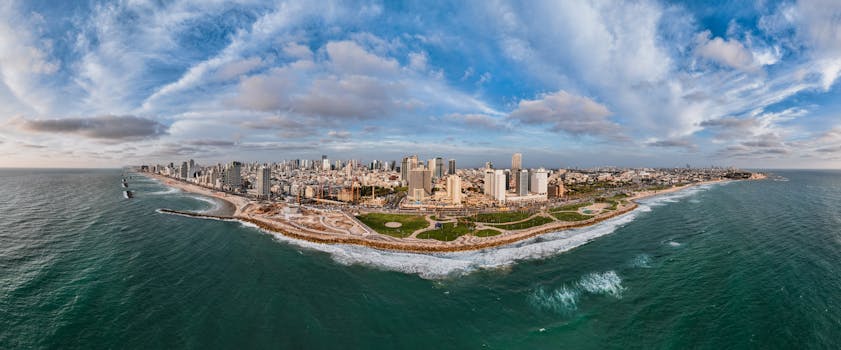
Planning a 7 days in Tel Aviv itinerary gives you enough time to experience the Mediterranean coastline, historic ports, world-class food markets, and distinct architectural quarters at a comfortable pace. A full week also leaves room for regional day trips to Jerusalem or the Roman ruins of Caesarea without sacrificing relaxed afternoons by the sea. This guide outlines a practical day-by-day plan with realistic transit times, neighbourhood suggestions, and logistical advice to help you navigate the city efficiently.
7 Days in Tel Aviv Itinerary: At a Glance
| Day | Area / Theme | Key Stops | Estimated Travel Time |
|---|---|---|---|
| Day 1 | Old Jaffa & Neve Tzedek | Jaffa Port, Flea Market, Clock Tower, Shabazi Street | Walking only (10–20 mins between stops) |
| Day 2 | White City & Carmel Market | Rothschild Boulevard, Bauhaus Center, Shuk HaCarmel | Walking / 10 mins bus |
| Day 3 | Art, Modern Districts & Parks | Tel Aviv Museum of Art, Sarona Market, Yarkon Park | 15–20 mins by bus or light rail |
| Day 4 | Day Trip to Jerusalem | Old City, Western Wall, Mahane Yehuda Market | 35 mins each way via high-speed train |
| Day 5 | Florentin & Levinsky Market | Street art tour, spice shops, Charles Clore Beach | Walking (10–15 mins between stops) |
| Day 6 | Day Trip to Caesarea | Roman Amphitheatre, Aqueduct Beach, Ancient Harbour | 45 mins each way via train and taxi |
| Day 7 | Coastline & Port of Tel Aviv | Namal Port, Gordon Beach, Tayelet Promenade | Walking or cycling along coastal path |
Note: Prices shown throughout this guide are approximate figures in GBP; please check official websites for current local currency rates and operating schedules.
Where to Stay in Tel Aviv
Tel Aviv is relatively compact, but each neighbourhood offers a noticeably different character:
- Lev HaIr (City Centre / Rothschild): The ideal base for first-time visitors. You will be within easy walking distance of Bauhaus architecture, renowned restaurants, and public transit links. Mid-range accommodation runs approx. £120–£220 per night.
- Neve Tzedek: A quiet, historic quarter filled with converted artisan houses, upscale boutiques, and small courtyards. Best for travellers looking for a boutique feel close to the beach and Jaffa. Typically approx. £160–£300 per night.
- The Tayelet (Beachfront / Hayarkon Street): Recommended if daily swimming and seaside access are your top priorities. Hotels here range from mid-tier family properties to luxury international chains, usually costing approx. £150–£320 per night.
- Florentin: A bohemian district south of the centre with casual bars, industrial lofts, and budget-friendly rental flats. Rates run approx. £70–£140 per night.
Getting Around the City
Tel Aviv is an exceptionally flat city designed for walking and cycling. The extensive promenade (Tayelet) connects northern Tel Aviv all the way to Jaffa in the south.
- Public Transit: City buses and the Red Line light rail require a green Rav-Kav transit card or a local ticketing smartphone app (such as Moovit or HopOn). Cash is not accepted on board. Standard city fares are approx. £1.30 per journey.
- Airport Link: Trains run directly from Ben Gurion Airport (Terminal 3) to central Tel Aviv stations (HaHagana, HaShalom, Savidor) in roughly 15 to 20 minutes for approx. £3.50.
- Shared Micro-Mobility: Electric bikes and e-scooters operate across the city using dedicated cycling lanes. Always wear a helmet and stick to marked lanes to avoid municipal fines.
- Shabbat Transport: Regular public buses and trains cease service from Friday late afternoon until Saturday evening. Limited weekend community shuttle buses (known as "Sababus") run on select routes, but taxis and ride-hailing apps remain the primary transit method during Shabbat.
Day 1: Old Jaffa and Neve Tzedek
Morning
Begin your trip in Old Jaffa, one of the oldest port cities in the world. Start at the Ottoman-era Jaffa Clock Tower before walking up into the stone alleys of the old town. Stop by St. Peter's Church and cross the Wishing Bridge to Abrasha Park, which provides an open panoramic view back across the Tel Aviv skyline and coast. Walk 10 minutes down into the ancient harbour, where fishing boats still dock.
Afternoon
Head inland into the Jaffa Flea Market (Shuk HaPishpeshim), a 10-minute walk from the harbour. Browse the antique stalls, brassware shops, and local designer clothing stores. For lunch, sample warm hummus served with fresh pita at Abu Hassan on Dolphin Street, or choose traditional shakshuka at a nearby café. Expect lunch to cost approx. £7–£14.
Evening
Stroll 15 minutes north along the coastline into Neve Tzedek, the first Jewish neighbourhood built outside Jaffa's walls in the late 19th century. Walk down Shabazi Street, admiring the low-slung architecture and ceramic studios. Stop outside the Suzanne Dellal Centre for Dance and Theatre to enjoy the landscaped gardens. Dine at an open-air Mediterranean bistro on Shabazi Street, sampling local goat cheeses, grilled fish, and regional wines.
Day 2: The White City and Carmel Market
Morning
Dedicate your morning to central Tel Aviv's UNESCO-designated "White City," the largest concentration of 1930s International and Bauhaus-style buildings in the world. Walk along the tree-lined pedestrian median of Rothschild Boulevard. To understand the architectural context, take a 15-minute walk north to the Bauhaus Center on Dizengoff Street, where audio guides and walking maps are available for approx. £18.
Afternoon
Walk 15 minutes southwest to Shuk HaCarmel (Carmel Market). This central open-air market is filled with traders selling dates, halva, spices, and fresh produce. Wander into the neighbouring Yemenite Quarter (Kerem HaTeimanim) through the narrow backstreets. Eat lunch on the go: order sabich (a pitta filled with fried aubergine, hard-boiled egg, chopped salad, tahini, and amba) or a bowl of Yemenite soup for approx. £6–£10.
Evening
Walk 10 minutes east toward Habima Square, the cultural junction housing the national theatre and the Charles Bronfman Auditorium. Sit by the sunken sunken garden with its classical music installations. For dinner, head towards King George Street or Montefiore Street for contemporary Levantine small plates such as roasted aubergine with raw tahini, fresh labneh, and whole sea bass.
Pro tip: Carmel Market is particularly crowded on Friday mornings ahead of the weekend. Visit on Tuesday or Wednesday morning around 10:00 for smaller crowds and the freshest displays.
Day 3: Modern Culture and Green Spaces
Morning
Take a local bus (approx. 15 minutes from central Tel Aviv) to the Tel Aviv Museum of Art on King Saul Avenue. The museum houses an expansive collection of modern Israeli art, Impressionist masterpieces, and prominent European works, alongside the striking architectural angles of the Herta and Paul Amir Building. Admission is approx. £12.
Afternoon
Walk 15 minutes south to Sarona, a restored 19th-century German Templer settlement. The historic stone houses have been adapted into retail shops and green park lawns. Enter the enclosed Sarona Market hall for lunch, which hosts gourmet stalls ranging from artisan cheeses and fresh pasta to Israeli craft beer. A lunch meal here typically costs approx. £12–£22.
Evening
Catch bus line 66 or take a 15-minute taxi north to Yarkon Park (Ganei Yehoshua), the green lung of the city. Rent a city bike to ride along the Yarkon River toward the Mediterranean outlet. Finish your evening at the Port of Tel Aviv (Namal), walking along the undulating wooden boardwalk and enjoying an informal dinner at one of the seaside fish restaurants.
Day 4: Day Trip to Jerusalem
Morning
Board the modern express train from Tel Aviv HaShalom or Savidor station to Jerusalem Yitzhak Navon. The journey takes roughly 35 minutes and costs approx. £5 each way. Upon arrival, board the Jerusalem Light Rail directly outside the station to City Hall or Damascus Gate. Walk into the Old City to explore the four quarters: Christian, Armenian, Jewish, and Muslim. Spend time visiting the Western Wall, the Church of the Holy Sepulchre, and the historic Cardo.
Afternoon
Take the light rail west to the Mahane Yehuda Market. Browse the dense stalls of dried fruits, baked goods, and tea blends. For lunch, sample traditional Jerusalem mixed grill in a flatbread, freshly fried falafel, or sweet chocolate rugelach from the local bakeries for approx. £8–£15.
Evening
Board the return train back to Tel Aviv in the late afternoon. Back in Tel Aviv, keep your evening low-key. Enjoy a relaxed dinner of wood-fired sourdough pizza or cold mezze plates in Lev HaIr along Ahad Ha'Am Street before an early night.
Pro tip: Keep modest clothing (covering shoulders and knees) easily accessible in your day pack for visiting sacred religious sites in Jerusalem's Old City.
Day 5: Florentin and Levinsky Market
Morning
Spend your fifth morning in Florentin, south of central Tel Aviv. Originally an industrial district for low-income artisans, it now serves as a creative hub known for expressive murals and independent studios. Take a self-guided walking route along Frenkel Street, Cordovero Street, and Abarbanel Street to view the street art commentary and functional carpentry workshops.
Afternoon
Walk 5 minutes north to Shuk Levinsky (Levinsky Market). Unlike Carmel Market, Levinsky focuses primarily on dry goods: Iranian dried limes, cured olives, freshly roasted nuts, and traditional Balkan treats. Eat lunch by assembling plates of Greek bourekas filled with salted cheese, pickled vegetables, and refreshing fruit gazoz (sparkling botanical sodas) for approx. £8–£14.
Evening
Walk 15 minutes west to Charles Clore Beach to catch the sunset over the Mediterranean. After dark, return to Florentin’s pedestrian passages around Vital Street, where locals gather at outdoor craft beer bars and casual neighbourhood pizzerias.
Day 6: Day Trip to Caesarea National Park
Morning
Take an Israel Railways coastal train north from Tel Aviv University or Savidor station to Caesarea-Pardes Hanna (approx. 40 minutes, approx. £4 each way). From the station, take a short 10-minute taxi to Caesarea National Park. Explore the Roman harbour city built by King Herod, including the coastal Roman theatre, the palace promontory remains, and the massive hippodrome. Park entry is approx. £8.
Afternoon
Visit the adjacent Crusader fortress walls within the harbour complex. Have lunch at the port marina, where seafood restaurants overlook the submerged ancient piers (lunch approx. £20–£35). After lunch, take a brief 5-minute taxi ride to Aqueduct Beach, where ancient Roman arches sit directly on the sand.
Evening
Return by train to Tel Aviv before sunset. If this day falls on a Friday, keep in mind that train service stops around mid-afternoon for Shabbat. Spend your evening taking a peaceful walk through the quiet residential streets of central Tel Aviv, dining at an open independent restaurant in the non-kosher dining districts around Dizengoff Street.
Day 7: The Coastline and Gordon Beach
Morning
Reserve your final day for Tel Aviv's seaside culture. Rent a bicycle or stroll north to Metzitzim Beach and the Old Port. Watch local surfers and stop at a casual kiosk along the promenade for an iced coffee and fresh pastry (approx. £5).
Afternoon
Head to Gordon Beach or Hilton Beach. Rent a deck chair and parasol for approx. £4–£6 and spend the midday swimming in the warm Mediterranean waters. Watch games of matkot (the national wooden paddleball pastime) along the shoreline. For lunch, eat at an open-air beach pavilion, ordering a classic chopped Israeli salad with cucumber, tomato, parsley, olive oil, and fresh labneh.
Evening
Conclude your week with a long sunset walk south along the Tayelet from Frishman Beach down to the Jaffa border. For your farewell dinner, book a table at a seafood tavern overlooking the sea to reflect on your week over grilled calamari, local sea bream, and traditional anise-flavoured arak.
Common Mistakes to Avoid
- Forgetting Shabbat schedules: Public trains and city buses halt from Friday late afternoon to Saturday evening. Always schedule intercity journeys outside this window or budget for private taxis.
- Relying on cash for transit: City bus drivers cannot accept cash payments. Ensure you buy a Rav-Kav card at the airport train station or download an approved ticketing transit app before your first bus ride.
- Underestimating the Mediterranean sun: Even in shoulder seasons like May or October, midday UV rays are strong. Carry water and wear sunscreen while walking the shaded boulevards.
- Overlooking dress codes: While Tel Aviv is liberal with casual beachwear, holy sites in Jerusalem and religious quarters in Tel Aviv require covered knees and shoulders for all visitors.
Plan your trip
Turn this week-long itinerary into a custom holiday tailored to your travel style, schedule, and interests. Build your personalised route and discover reliable local suggestions with TripBuilder.
Frequently asked questions
How many days in Tel Aviv is enough?
A stay of four to five days is sufficient to see Tel Aviv's main sights, neighbourhoods, and beaches. However, spending seven full days gives you time to take straightforward day trips to Jerusalem or Caesarea without rushing.
How do you get from Ben Gurion Airport to central Tel Aviv?
Direct passenger trains run from Terminal 3 at Ben Gurion Airport to Tel Aviv's main railway stations in approximately 15 to 20 minutes. Tickets cost approximately £3.50, making it faster and significantly cheaper than a private taxi.
Is Tel Aviv easy to walk around?
Tel Aviv is exceptionally flat, compact, and pedestrian-friendly. Most major districts such as Neve Tzedek, Lev HaIr, and the coastal promenade are easily explored on foot or by using the city's marked cycle lanes.
What happens in Tel Aviv during Shabbat?
Standard public buses and intercity trains stop running from Friday late afternoon until Saturday evening. While some businesses close, many secular restaurants, bars, and beach cafes in Tel Aviv remain open throughout the weekend.
What is the best month to visit Tel Aviv?
The shoulder months of April to May and October to November typically offer the most pleasant weather for walking. Mid-summer months like July and August can bring high heat and intense humidity.