Planning a trip to Hong Kong? This detailed 5 days in Hong Kong itinerary provides a practical, day-by-day guide to experiencing the best of this dynamic city, from its towering skyscrapers and vibrant markets to its tranquil temples and scenic islands. We've curated a balanced schedule that blends iconic sights with authentic local experiences, ensuring you make the most of your time.
| Itinerary at a Glance | Details |
|---|---|
| Best Time to Visit | October to December (pleasant, dry weather). March to May (warm, humid, some rain). Avoid summer months (June-September) due to heat, humidity, and typhoon season. |
| Typical Daily Cost (approx.) | £80-£150 per person, excluding accommodation and international flights. This covers MTR, attractions, and three meals. Check current prices. |
| Getting There | Fly into Hong Kong International Airport (HKG). The Airport Express train (approx. £10-£15) offers a fast connection to Central, Kowloon, and Tsing Yi. Taxis and buses are also available. |
| How Long to Stay | 5 days is ideal for a comprehensive first-time visit, allowing exploration of both Hong Kong Island and Kowloon, plus a day trip. |
Day 1: Arrival & Island Icons
Morning: Arrival and Central Exploration
Upon arrival at Hong Kong International Airport (HKG), take the efficient Airport Express to Hong Kong Station in Central. Check into your accommodation, then begin your exploration in the heart of Hong Kong Island. Wander through the historical streets of Central and Sheung Wan, admiring the blend of colonial architecture and modern skyscrapers. Explore the Man Mo Temple, a beautifully preserved tribute to the God of Literature and the God of War.
Book tickets and tours: Central Exploration
Where to eat: Grab a traditional breakfast at a local 'cha chaan teng' (tea restaurant) in Sheung Wan, such as congee with yau ja gwai (fried dough sticks) or a classic pineapple bun.
Afternoon: Peak Tram & Victoria Peak
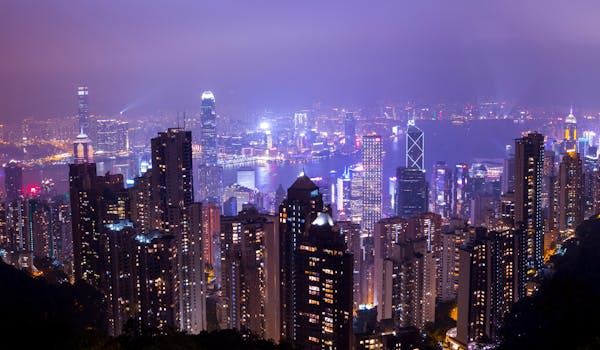
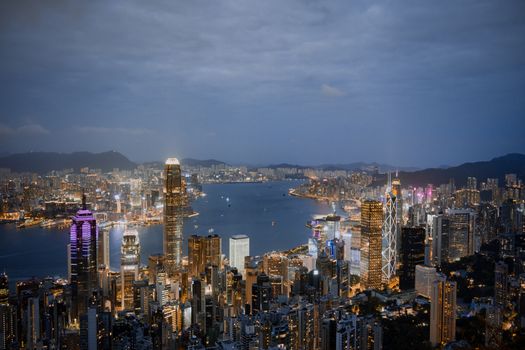
Head to the Peak Tram Lower Terminus (easily accessible from Central). Take the iconic Peak Tram, a funicular railway, up to Victoria Peak. The ride itself offers stunning views as you ascend. At the top, explore the Sky Terrace 428 for panoramic vistas of the city skyline, Victoria Harbour, and the surrounding islands.
Book tickets and tours: Peak Tram
Pro tip: Purchase your Peak Tram tickets online in advance to avoid long queues, especially during peak season. Consider visiting later in the afternoon to experience both daylight and sunset views.
Evening: Star Ferry & Tsim Sha Tsui Promenade
Descend from Victoria Peak and make your way to the Central Pier. Board the Star Ferry for a short, scenic ride across Victoria Harbour to Tsim Sha Tsui (TST) in Kowloon. This journey offers some of the best skyline views, especially as the city lights begin to twinkle. Stroll along the Tsim Sha Tsui Promenade, admiring the Symphony of Lights show (typically 8 PM nightly) and the stunning Hong Kong Island skyline.
Book tickets and tours: Tsim Sha Tsui Promenade
Where to eat: Dine in Tsim Sha Tsui, which offers a vast array of international and local cuisine. Consider trying Cantonese roast goose or a seafood dinner with harbour views.
Day 2: Heritage, Markets & Kowloon Views
Morning: Temples and Gardens
Start your day in Kowloon with a visit to the Wong Tai Sin Temple, a vibrant Taoist temple complex renowned for its ornate architecture and practice of fortune-telling. Afterwards, find serenity at the nearby Nan Lian Garden, a classical Chinese garden featuring ponds, pavilions, and ancient trees, offering a peaceful escape from the city bustle.
Book tickets and tours: Temples
Getting there: Both are easily accessible via the MTR (Wong Tai Sin Station for the temple, Diamond Hill Station for Nan Lian Garden).
Afternoon: Mong Kok Markets
Immerse yourself in the lively atmosphere of Mong Kok's famous street markets. Explore the Goldfish Market, Flower Market, and the Bird Garden (Yuen Po Street Bird Garden) for unique cultural insights. Continue to the Ladies' Market (Tung Choi Street) for souvenirs, clothing, and electronics (remember to haggle!).
Book tickets and tours: Mong Kok Markets
Where to eat: Sample street food delights in Mong Kok, such as curry fish balls, egg waffles, or 'gai daan jai'.
Evening: Temple Street Night Market & Dim Sum
As evening approaches, head to the bustling Temple Street Night Market in Yau Ma Tei. This vibrant market offers everything from clothing and watches to electronics and traditional crafts. Enjoy the lively street performances and fortune-tellers.
Book tickets and tours: Temple Street Night Market
Where to eat: The Temple Street area is famous for its dai pai dong (open-air food stalls) and seafood restaurants. This is an excellent opportunity to try authentic Cantonese dim sum or fresh seafood dishes in a casual setting.
Day 3: Lantau Island & Cultural Exploration
Morning: Ngong Ping 360 & Big Buddha
Embark on a day trip to Lantau Island. Take the MTR to Tung Chung Station, then board the Ngong Ping 360 cable car for a scenic 25-minute ride over the mountains and sea to Ngong Ping Village. Visit the Tian Tan Buddha (Big Buddha), a majestic bronze statue, and the tranquil Po Lin Monastery, a major Buddhist sanctuary.
Book tickets and tours: Ngong Ping
Pro tip: Opt for a crystal cabin on the Ngong Ping 360 for a glass-bottom view, enhancing the scenic journey. Book tickets in advance, especially on weekends.
Afternoon: Tai O Fishing Village
From Ngong Ping Village, take a local bus to Tai O, a charming traditional fishing village known for its stilt houses built over the water. Explore the narrow lanes, sample local dried seafood, and consider a short boat trip to spot endangered pink dolphins (sightings are not guaranteed).
Book tickets and tours: Tai O Fishing Village
Where to eat: Enjoy fresh seafood at one of Tai O's local eateries, or try a traditional 'egg puff' (gai daan jai) from a street vendor.
Evening: Return to Hong Kong Island & Soho/Lan Kwai Fong
Return to Hong Kong Island via MTR. For your evening, explore the vibrant nightlife and dining scene of Soho and Lan Kwai Fong. These areas are known for their diverse restaurants, bars, and lively atmosphere.
Book tickets and tours: Hong Kong Island
Where to eat: Soho offers a wide range of international cuisines, from Italian to Vietnamese, alongside trendy local establishments.
Day 4: New Territories & Local Life
Morning: Ten Thousand Buddhas Monastery
Venture into the New Territories to visit the Ten Thousand Buddhas Monastery in Sha Tin. This unique monastery is accessed via a steep path lined with hundreds of golden Buddha statues, each with a distinct pose and expression. The main temple complex at the top offers serene views and more statues.
Book tickets and tours: Ten Thousand Buddhas Monastery
Getting there: Take the MTR East Rail Line to Sha Tin Station. The monastery is a short walk from the station.
Afternoon: Sha Tin or Kadoorie Farm
Depending on your interests and the day of the week, you have a couple of options for the afternoon in the New Territories. If it's a Sunday, you might consider visiting the Sha Tin Racecourse for the excitement of horse racing (check schedule for race days). Alternatively, for nature lovers, Kadoorie Farm and Botanic Garden offers a lush retreat with diverse flora and fauna, conservation exhibits, and walking trails.
Where to eat: Sha Tin offers various dining options, including shopping mall restaurants and local eateries. Try a traditional Cantonese BBQ meal.
Evening: Causeway Bay Exploration
Return to Hong Kong Island and spend your evening exploring Causeway Bay, one of Hong Kong's major shopping and entertainment districts. From luxury brands to department stores and bustling street shops, it's a shopper's paradise. The area also buzzes with energy and offers countless dining choices.
Where to eat: Causeway Bay has everything from high-end dining to casual local noodle shops. Explore the side streets for authentic Cantonese fare or popular international chains.
Day 5: Shopping, Food & Departure
Morning: Last-Minute Shopping or Museum Visit
Spend your final morning indulging in last-minute souvenir shopping or delving deeper into Hong Kong's rich history and culture. Explore the boutiques and department stores in Central or Causeway Bay. Alternatively, visit the Hong Kong Museum of History in Tsim Sha Tsui to gain a deeper understanding of the city's past, or the Hong Kong Science Museum for interactive exhibits.
Getting there: The Museum of History is a short walk from Tsim Sha Tsui MTR station.
Afternoon: Specific Food Experiences & Departure Prep
Dedicate your afternoon to a specific culinary experience you might have missed. Perhaps a final dim sum feast, a visit to a traditional dai pai dong for local street food, or a Michelin-starred meal if your budget allows. Collect any last-minute gifts or simply enjoy a relaxing coffee while soaking in the city's atmosphere.
Where to eat: If you're near Central, explore the food stalls at Graham Street Market or enjoy a final meal at a restaurant along Hollywood Road.
Evening: Departure
Depending on your flight schedule, head back to Hong Kong International Airport (HKG) using the Airport Express for a swift and comfortable journey. Allow ample time for check-in and security.
Planning Your Trip to Hong Kong
Where to Stay
- Central/Sheung Wan: Ideal for first-time visitors, offering excellent MTR connectivity, proximity to major attractions, and a mix of modern and traditional charm. Expect higher accommodation prices.
- Tsim Sha Tsui (Kowloon): A popular choice for its stunning harbour views, vibrant markets, museums, and diverse dining options. Good value compared to Central.
- Causeway Bay: Best for shoppers and those seeking a lively, energetic atmosphere with endless dining and entertainment choices. Well-connected by MTR.
- Wan Chai: Offers a blend of business, residential, and entertainment, with a more local feel than Central. Good for those seeking a balance.
Getting Around
Hong Kong boasts one of the world's most efficient public transport systems. The MTR (Mass Transit Railway) is the fastest and most convenient way to navigate the city. Buses, trams (on Hong Kong Island), and ferries (to outlying islands and across Victoria Harbour) are also excellent options. Purchase an Octopus Card (approx. £10 deposit, top up as needed) upon arrival for seamless travel on almost all public transport and even in many convenience stores and fast-food outlets.
Taxis are readily available and reasonably priced, especially for shorter distances or late-night travel, but MTR is generally quicker in congested areas.
Common Mistakes to Avoid
- Not getting an Octopus Card: This card is essential for effortless travel on public transport and widely accepted for small purchases.
- Only staying on Hong Kong Island: Kowloon offers a distinct and equally fascinating experience with its markets, temples, and harbour views.
- Not trying local food: Hong Kong is a culinary paradise. Don't stick to international chains; explore local eateries, dai pai dongs, and cha chaan tengs.
- Underestimating the humidity and heat: Especially from May to September, Hong Kong can be very hot and humid. Dress in light, breathable clothing and stay hydrated.
- Not booking popular attractions in advance: For places like the Peak Tram or Ngong Ping 360, pre-booking saves significant time queuing.
Plan Your Trip
Ready to turn this itinerary into your personalised adventure? Use TripBuilder to customise your daily schedule, discover more local insights, and refine your perfect 5 days in Hong Kong itinerary. Start building your dream trip today with TripBuilder.
Frequently asked questions
What is the best time of year to visit Hong Kong?
The best time to visit Hong Kong is typically from October to December. During these months, the weather is usually pleasant, with cooler temperatures and lower humidity, making it ideal for exploring.
Is Hong Kong an expensive city to visit?
Hong Kong can be moderately expensive, particularly for accommodation. However, public transport is affordable, and you can find reasonably priced food at local eateries and markets. Daily costs for food and activities can range from £80-£150 per person, excluding hotels.
Do I need a visa to visit Hong Kong?
Visa requirements for Hong Kong vary significantly by nationality. Many visitors, including those from the UK, US, Canada, Australia, and most EU countries, can enter Hong Kong for short stays (typically 90 days) without a visa. Always check the official Hong Kong Immigration Department website for the most current information applicable to your nationality.
What currency is used in Hong Kong?
The official currency of Hong Kong is the Hong Kong Dollar (HKD). Credit cards are widely accepted in larger establishments, but it's advisable to carry some cash for smaller shops, markets, and street food vendors.
How safe is Hong Kong for tourists?
Hong Kong is generally considered a very safe city for tourists, with low crime rates. However, like any major urban area, it's wise to be aware of your surroundings, especially in crowded markets or at night, and take standard precautions against petty theft.