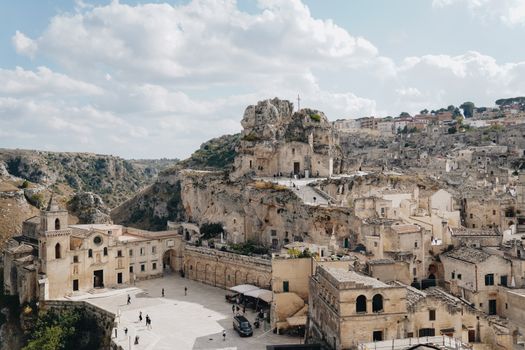
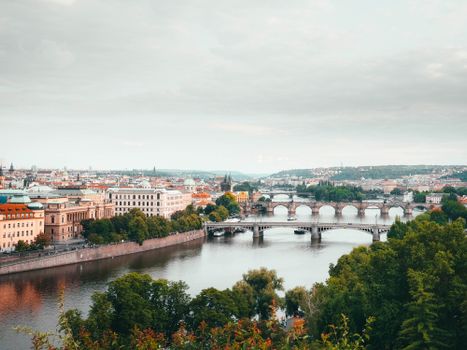
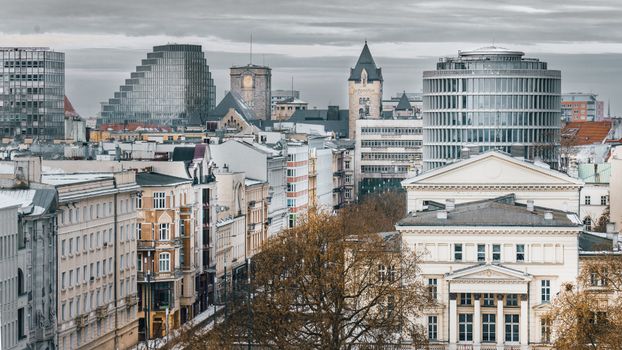
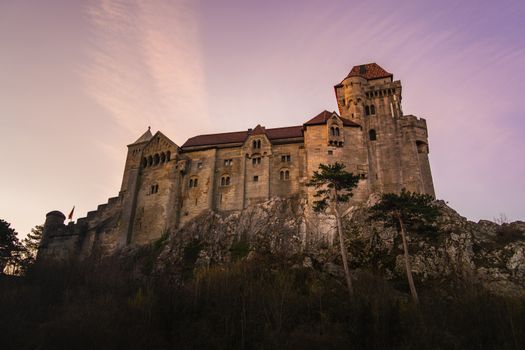
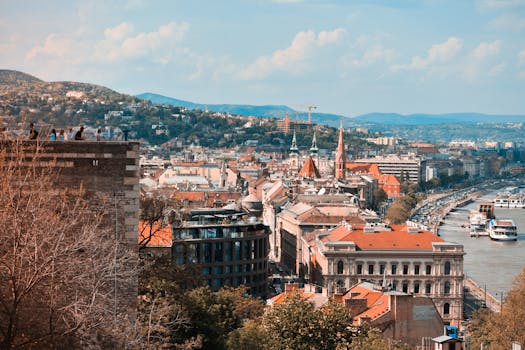
I stepped off the ferry and the scent hit me – a intoxicating blend of salt spray, freshly baked bread, and something faintly floral, carried on a crisp winter breeze. The sun, low and golden, painted the terracotta rooftops in hues of honey and rust, a stark contrast to the impossibly blue Adriatic Sea lapping at the ancient stone quay. This wasn't a postcard; this was Split, Croatia, in December, and I knew, with a certainty that tingled down my spine, that this city was on the cusp of something huge.
Barcelona. The name conjures images of Gaudí's whimsical architecture, sun-drenched Ramblas, and tapas that dance on your tongue. But what if I told you that in January 2026, the magic of a burgeoning European hotspot, the kind that offers authentic experiences without the crushing queues and inflated prices, could be found elsewhere? I've spent months crisscrossing the continent, sniffing out the whispers of future travel darlings. And I’ve found them. These are the cities, brimming with character, bursting with flavour, and begging to be discovered before the world catches on.
The Siren Song of the Adriatic: Split, Croatia
Split isn't just a gateway to the islands; it's a destination in its own right, a living, breathing museum that pulsates with life. Forget sterile historical sites; here, history is woven into the fabric of everyday existence.
Inside Diocletian's Palace: A City Within a City
The heart of Split is the Diocletian's Palace, a UNESCO World Heritage site that's less a ruin and more a vibrant neighbourhood. I’d spent my first morning wandering through its labyrinthine alleys, the sheer scale of the Roman Emperor's retirement home humbling. Pro-Tip: Get lost! Seriously. Duck into tiny courtyards, discover hidden chapels, and stumble upon local artisans selling their wares. The Peristyle, once the emperor's ceremonial space, is now a bustling piazza where locals sip coffee and street musicians serenade passersby. At 7 AM, the light filtering through the ancient columns is pure magic, and you'll have it almost to yourself.
Coastal Charms and Culinary Delights
Beyond the palace walls, the Riva, Split's glamorous waterfront promenade, buzzes with energy. Cafés spill out onto the pavement, perfect for people-watching. But for a true taste of Dalmatian life, head to the Pazar (market). The air is thick with the aroma of fresh produce, pungent cheeses, and the salty tang of dried fish. I snagged some plump figs and a wedge of paški sir (Pag cheese) that was nutty and divine. In the evening, seek out a konoba (traditional tavern) for peka, a slow-cooked meat or seafood dish baked under a bell-shaped lid, and a glass of local Plavac Mali wine. Insider Lingo: Ask for "pršut" (dry-cured ham) and "inčuni" (anchovies) – they're staples here.
Quick Facts: Split, Croatia
| Category | Details |
| :------------- | :---------------------------------------------------------------------------------------------------- |
| Estimated Costs ($) | Budget: $60-90/day; Mid-Range: $100-150/day; Luxury: $200+/day (excluding flights) |
| Best Time to Visit | Shoulder seasons (April-May, September-October) for pleasant weather and fewer crowds. January offers a serene, local experience. |
| How to Get There | Split Airport (SPU) is well-connected to major European hubs. Ferries also connect from Italy. |
The Undiscovered Soul of Portugal: Porto
Lisbon gets all the glory, but its northern sibling, Porto, possesses a rugged charm and a soulful spirit that’s utterly captivating. This is a city where history whispers from every tiled facade and the Douro River flows with liquid gold.
Ribeira's Rhapsody: A Visual Feast
The Ribeira district, a UNESCO World Heritage site, is a riot of colourful, precariously stacked buildings tumbling down to the river. I spent hours just gazing at the iconic Dom Luís I Bridge, a double-decker iron marvel designed by a disciple of Eiffel. Pro-Tip: Walk across the upper level of the bridge for breathtaking panoramic views of the city and the terracotta roofs of Vila Nova de Gaia, where the port wine cellars reside. The lower level offers a more intimate perspective.
Port Wine and Pastel de Nata Perfection
You can't visit Porto without indulging in its namesake. A tour of one of the port wine cellars in Vila Nova de Gaia is essential. I learned about the intricate process of port production and, of course, sampled a few generous glasses of ruby and tawny. Insider Lingo: Don't just stick to the big names; seek out smaller, family-run cellars for a more personal experience. And the food? Oh, the food. Beyond the ubiquitous pastel de nata (which are divine here), you must try a francesinha, a monstrous sandwich layered with meats, covered in melted cheese, and doused in a rich beer sauce. It's not for the faint of heart, but it's an unforgettable Porto experience.
Quick Facts: Porto, Portugal
| Category | Details |
| :------------- | :---------------------------------------------------------------------------------------------------- |
| Estimated Costs ($) | Budget: $50-80/day; Mid-Range: $90-140/day; Luxury: $180+/day (excluding flights) |
| Best Time to Visit | Spring (April-June) and Autumn (September-November) offer ideal weather. January is cooler but quieter. |
| How to Get There | Porto Airport (OPO) has excellent international connections. |
The Baltic Gem: Gdańsk, Poland
Gdańsk is a city that has risen from the ashes of history, its resilience etched into its meticulously rebuilt Old Town. In January, the crisp air and dusting of snow add a magical, almost Dickensian charm to its Hanseatic architecture.
A Fairytale Old Town
The Długi Targ (Long Market) is the heart of Gdańsk's Old Town, a vibrant pedestrian street lined with pastel-coloured merchant houses, each with a unique, ornate facade. The Neptune Fountain stands proudly at its centre. Pro-Tip: Visit the St. Mary's Church, one of the largest brick churches in the world. Climb its tower for a spectacular bird's-eye view of the city, especially under a blanket of snow. The sheer scale of the interior is breathtaking.
Echoes of History and Amber Treasures
Gdańsk's history is deeply intertwined with the Solidarity movement and its role as a major port city. The European Solidarity Centre is a must-visit for an insightful and moving look at Poland's struggle for freedom. But Gdańsk is also known as the Amber Capital of the World. Wander down Mariacka Street, a charming lane that feels like a medieval fairytale, with its amber shops and Gothic architecture. Insider Lingo: Look for bursztyn bałtycki (Baltic amber) – genuine, locally sourced pieces.
Quick Facts: Gdańsk, Poland
| Category | Details |
| :------------- | :---------------------------------------------------------------------------------------------------- |
| Estimated Costs ($) | Budget: $40-70/day; Mid-Range: $70-120/day; Luxury: $150+/day (excluding flights) |
| Best Time to Visit | Summer for warmth, but January offers a unique, festive, and less crowded experience. |
| How to Get There | Gdańsk Lech Wałęsa Airport (GDN) serves numerous European destinations. |
The Aegean Enigma: Thessaloniki, Greece
While Athens draws the crowds, Greece's second-largest city, Thessaloniki, offers a richer, more unvarnished slice of Greek life. It's a city with layers of history, a vibrant student population, and a culinary scene that rivals any in the Mediterranean.
Byzantine Beauty and Ottoman Echoes
Thessaloniki is a treasure trove of Byzantine churches, many of which are UNESCO World Heritage sites. The Church of Hagia Sophia and the Church of Saint Demetrius are particularly stunning, their ancient mosaics and frescoes telling stories of centuries past. But the city also boasts significant Ottoman heritage, evident in its charming Ano Poli (Upper Town), with its narrow streets, traditional houses, and panoramic views of the Thermaic Gulf. Pro-Tip: In Ano Poli, seek out the Vlatadon Monastery for incredible sunset vistas.
A Foodie's Paradise
Thessaloniki is often called Greece's culinary capital, and for good reason. The Modiano Market and Kapani Market are sensory explosions, brimming with fresh produce, local cheeses, olives, and spices. Insider Lingo: You must try bougatsa, a sweet or savoury pastry, often filled with semolina cream or cheese – a Thessaloniki specialty. And don't miss the meze culture; small plates perfect for sharing, accompanied by local wine or tsipouro (a strong spirit). The waterfront promenade, stretching for miles, is perfect for a leisurely stroll and people-watching.
Quick Facts: Thessaloniki, Greece
| Category | Details |
| :------------- | :---------------------------------------------------------------------------------------------------- |
| Estimated Costs ($) | Budget: $50-80/day; Mid-Range: $90-140/day; Luxury: $180+/day (excluding flights) |
| Best Time to Visit | Spring and Autumn are ideal. January is cool but offers a more authentic, local vibe. |
| How to Get There | Thessaloniki Airport (SKG) has good connections across Europe. |
The Alpine Heartbeat: Ljubljana, Slovenia
Often overlooked in favour of its more famous neighbours, Ljubljana is a fairytale capital that punches well above its weight. This is a city where green spaces reign supreme, and a relaxed, vibrant atmosphere permeates every corner.
Dragon Bridges and Riverside Charm
Ljubljana is incredibly walkable, its compact city centre dominated by the Ljubljanica River. The Triple Bridge and the iconic Dragon Bridge (guarded by fierce-looking dragon statues) are central landmarks. The Old Town, nestled beneath Ljubljana Castle, is a picturesque maze of cobblestone streets, charming cafes, and colourful buildings. Pro-Tip: Take the funicular up to Ljubljana Castle for panoramic views of the city and the surrounding Alps. The castle itself houses several museums and offers a fascinating glimpse into Slovenia's history.
A Green Capital's Culinary Scene
Ljubljana proudly holds the title of European Green Capital, and its commitment to sustainability is evident everywhere. The Central Market, a hub of activity, offers fresh local produce, artisanal products, and delicious street food. Insider Lingo: Try kranjska klobasa (Carniolan sausage), a national delicacy. The city also has a burgeoning craft beer scene and a growing number of innovative restaurants focusing on local, seasonal ingredients. Enjoying a coffee by the river, watching the world go by, is an essential Ljubljana ritual.
Quick Facts: Ljubljana, Slovenia
| Category | Details |
| :------------- | :---------------------------------------------------------------------------------------------------- |
| Estimated Costs ($) | Budget: $50-80/day; Mid-Range: $90-140/day; Luxury: $180+/day (excluding flights) |
| Best Time to Visit | Summer for the best weather, but January offers a cozy, festive atmosphere with fewer tourists. |
| How to Get There | Ljubljana Jože Pučnik Airport (LJU) has connections to many European cities. |
The Future is Now
These cities aren't just placeholders; they are vibrant, living destinations brimming with character, history, and incredible experiences. They offer the allure of discovery, the thrill of being ahead of the curve, and the genuine joy of experiencing a place before it becomes saturated.
Barcelona will always be Barcelona. But in January 2026, the adventure-seeker, the culture-curious, and the budget-conscious traveller will be looking to these hidden gems. The question isn't if they'll explode in popularity, but when. And for those who act now, the reward is an authentic, unforgettable journey that will be the envy of everyone still dreaming of the same old crowded hotspots.