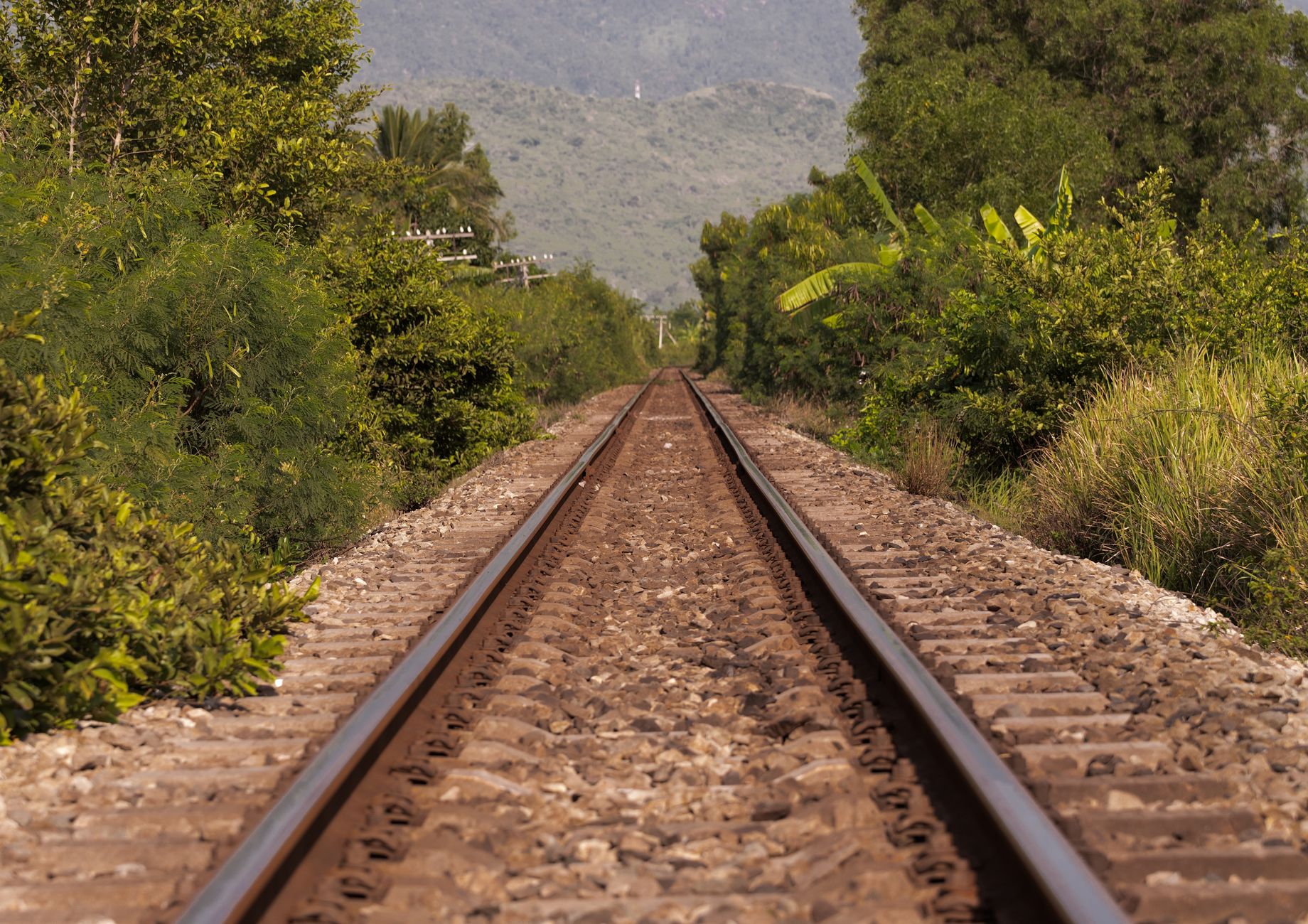
The Tracks Less Traveled: Why Influencers Miss the World's Most Epic Train Journeys
I remember standing on a cliff edge in Santorini, camera ready, jostling for position with a dozen other travelers, all aiming for the exact same "perfect" sunset shot. The sky was indeed spectacular, but the experience felt… hollow. It was beautiful, yes, but it wasn't mine. It was a moment curated for likes, a memory pre-packaged for sharing.
That evening, staring at my phone, scrolling through endless identical posts, a thought struck me: What if the most incredible travel experiences aren't the ones everyone's clamoring to showcase? What if the truly epic, soul-stirring adventures exist far beyond the reach of perfectly posed selfies and sponsored content?
That's when I found my true calling: chasing the tracks less traveled.
There’s something inherently romantic, almost defiant, about train travel. It’s slow, it’s deliberate, and it forces you to look out the window, not down at a screen. But beyond the well-trodden routes of Europe or the celebrated luxury liners, there exists a network of railways that defy logic, scale mountains, cross deserts, and plunge into valleys that seem utterly impossible to conquer. These are the trains that traverse landscapes so raw, so breathtaking, so utterly unfiltered, that most Instagram influencers wouldn't even know where to begin.
And that, my friends, is exactly why you need to know about them.
This isn't about perfect angles or trending hashtags. This is about real adventure, genuine discovery, and views that will etch themselves into your soul, not just your camera roll. Welcome to the world of impossible train journeys.
The Call of the Unseen Track: Why Go Off-Grid by Rail?
Before we dive into specific routes, let’s talk about the why. Why choose a multi-day journey across a desolate plain when a quick flight could get you there in hours? Why brave altitude sickness or extreme temperatures for a view that might not even have cell service?
The answer is simple: immersion.
Train travel, especially on these extraordinary routes, is a masterclass in slow travel. It’s about the journey, not just the destination. You witness landscapes unfold gradually, observe the subtle shifts in terrain, culture, and climate. You meet locals, share stories, and truly feel the pulse of a place.
Influencer culture often prioritizes the "shot" over the "story." These train journeys flip that script. The story is the experience – the grit, the challenge, the awe. You’re not just passing through; you’re becoming a part of the landscape, even if just for a few precious days. You’re trading curated perfection for authentic, unvarnished wonder. And trust me, that's a trade worth making.
1. The Andean Alchemist: Peru's Ferrocarril Central Andino
Imagine a railway that climbs higher than almost any other in the world, snaking its way through the jagged spine of the Andes, performing engineering feats that beggar belief. Welcome to the Ferrocarril Central Andino in Peru, a true marvel that connects Lima (or rather, its port town Callao) to Huancayo.
The Journey:
This isn't your daily commuter train. The Ferrocarril Central Andino operates sporadically, often just once or twice a month, making it an exclusive (and challenging) adventure. From the Pacific coast, it ascends dramatically, reaching its highest point at La Galera station, an astonishing 4,781 meters (15,686 feet) above sea level. Along the way, it navigates 69 tunnels, 58 bridges, and 6 switchbacks (zig-zags) that allow the train to climb impossibly steep gradients. You'll see tiny Andean villages clinging to mountainsides, terraced fields, and vast, empty plateaus that stretch to the horizon.
My Experience:
I remember the crisp, thin air hitting me the moment I stepped onto the platform in Chosica, a small town outside Lima where many travelers begin. The ascent was relentless but mesmerizing. One moment, we were hugging a sheer cliff face, the next, plunging into a dark tunnel, only to emerge onto a dizzying bridge spanning a deep gorge. At Ticlio Pass, the highest point for trains in the Americas, the sheer scale of the Andes was humbling. Locals hopped on and off at remote stations, carrying bundles and greetings, their faces etched with stories. It felt like traveling through time, a direct link to the ingenuity of a bygone era. The oxygen tanks on board, just in case of altitude sickness, were a stark reminder of the extreme environment we were traversing.
Practical Tips & Details:
* Route: Callao/Lima to Huancayo.
* Frequency: Very limited, check their official website (ferrocarrilcentral.com.pe) well in advance. Bookings open months ahead and sell out fast.
* Price: Expect to pay around $50-$100+ for a one-way journey, depending on the class. It’s an investment in an unparalleled experience.
* Altitude Sickness: Be prepared. Acclimatize in Lima for a day or two, drink plenty of water, and consider medication like Diamox. Oxygen is available on board.
* Packing: Layers are crucial – it can be warm at the start and freezing at the peak. Snacks, water, and a good camera (with extra batteries!) are essential.
2. Arctic Express: The Bergen Line & Flåm Railway (Norway)
While the Flåm Railway is often touted as one of the world's most beautiful, it's the full journey across Norway, from Bergen to Oslo on the Bergen Line, that truly showcases an impossible landscape – a dramatic, often snow-covered wilderness that feels like the edge of the world.
The Journey:
The Bergen Line, one of Europe's highest main railway lines, crosses the Hardangervidda mountain plateau, an inhospitable yet stunning expanse of tundra, glaciers, and frozen lakes. In winter, it's a wonderland of snow and ice; in summer, wild flowers bloom amidst the rugged terrain. Along the way, you'll pass through countless tunnels and over impressive bridges, witnessing Norway's stark beauty unfold. The optional detour onto the Flåm Railway is a breathtaking descent from Myrdal station down to the fjord-side village of Flåm, featuring waterfalls, steep valleys, and dizzying spirals.
My Experience:
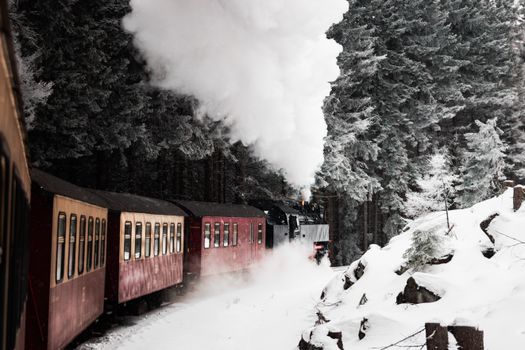
The contrast between the charming, rain-kissed city of Bergen and the vastness of the Hardangervidda was astounding. One moment, I was watching coastal towns flash by; the next, we were deep in a blizzard, the train pushing through drifts, the windows framing a canvas of white. The silence was profound, broken only by the rhythmic clickety-clack of the wheels. The Flåm Railway, though more tourist-oriented, was still magical. Descending into the fjord, feeling the spray of the Kjosfossen waterfall, and seeing tiny farms clinging to impossible slopes – it felt like entering a fairytale. It’s a testament to human ingenuity to build a railway through such unforgiving terrain.
Practical Tips & Details:
* Route: Bergen to Oslo (Bergen Line), with an optional detour Myrdal to Flåm (Flåm Railway).
* Frequency: Multiple departures daily for the Bergen Line. Flåm Railway also runs frequently, especially in summer.
* Price: Bergen Line tickets can range from $50-$150+ depending on booking time and class. The Flåm Railway is an additional cost, around $40-$60 for a round trip. Booking directly with Vy (Norway's national rail company) is recommended.
* Best Time: Winter offers a truly dramatic, snow-covered landscape. Summer provides lush greenery and longer daylight hours. Both are spectacular.
* Flexibility: Consider getting off at Myrdal, taking the Flåm Railway, spending a night in Flåm, and then continuing your journey or exploring the fjords by boat.
3. The Desert Serpent: The Mauritania Iron Ore Train
This isn't a passenger train. This isn't even a tourist train. This is the Mauritania Iron Ore Train, and it's perhaps the most raw, unvarnished, and utterly unforgettable "impossible" journey on this list. It's a 2.5-kilometer-long beast of a freight train, hauling iron ore from the desert mines of Zouérat to the coastal city of Nouadhibou, and if you're brave enough, you can hitch a ride.
The Journey:
Spanning approximately 700 kilometers (435 miles) across the vast, empty expanse of the Sahara Desert, this is one of the longest and heaviest trains in the world. Travelers typically ride atop the open-air ore wagons, exposed to the elements – scorching sun, biting cold desert nights, and constant iron dust. The landscape is pure desert: endless dunes, rocky outcrops, and an overwhelming sense of isolation. It's an overnight journey, often taking 18-24 hours, depending on unforeseen delays.
My Experience:
The decision to ride the Iron Ore Train wasn't taken lightly. It was a leap into the unknown. Finding the right wagon, climbing aboard amidst the dust and clamor, and then the slow, deliberate lurch as the train began its journey – it was terrifying and exhilarating. As the sun set, painting the endless dunes in shades of orange and purple, the silence of the desert was broken only by the rumble of the train. Lying on a blanket amidst the iron ore, staring up at a sky ablaze with more stars than I'd ever seen, felt like a scene from another planet. The grit, the cold, the constant dust – it was uncomfortable, challenging, and utterly transformative. It stripped away all pretenses, leaving only the raw experience. No filters, no perfect angles, just pure, unadulterated adventure.
Practical Tips & Details:
* Route: Zouérat to Nouadhibou (or vice versa). Travelers often start in Choum and wait for the train there.
* Frequency: Roughly daily, but schedules are fluid and dictated by mining operations. Be prepared to wait.
* Price: Technically free to ride the ore wagons. Your costs will be logistics: getting to Zouérat/Choum, food, water, and potential local guides.
* Extreme Conditions: This is not for the faint of heart. Pack heavily: warm clothes (even in summer, desert nights are freezing), a sleeping bag, thick blankets/tarpaulin to sit on, goggles, a headscarf (for dust), food, lots of water, and a strong sense of adventure.
* Safety: While generally safe from human threat, the environment itself is challenging. Inform locals of your plans, consider hiring a local guide for assistance, and trust your instincts.
4. Himalayan Heights: The Kalka-Shimla Railway (India)
From the harsh desert to the lush foothills of the Himalayas, India's Kalka-Shimla Railway offers a completely different, yet equally impossible, journey. This UNESCO World Heritage site is a narrow-gauge "toy train" line that winds its way through stunning mountain scenery, a testament to British colonial engineering.
The Journey:
Built between 1898 and 1903, this 96-kilometer (60-mile) line connects the plains town of Kalka to the former summer capital of British India, Shimla. It navigates an incredible 102 tunnels (originally 103, but one collapsed), 864 bridges, and 919 curves, climbing over 1,500 meters (4,900 feet) through pine forests, rhododendron groves, and breathtaking valleys. The pace is slow, allowing for full immersion in the changing landscape.
My Experience:
Stepping onto the tiny train at Kalka felt like entering a storybook. The carriages were small, the seats intimate, and the atmosphere immediately convivial. As we chugged along, the plains slowly gave way to rolling hills, then increasingly dramatic mountains. Each tunnel was a moment of darkness, followed by an explosion of light and a new, stunning vista. Children waved from small villages, chai wallahs offered steaming cups through the windows, and the air grew cooler and crisper with every upward turn. The highlight for me was the Barog Tunnel, the longest, where a small station offers a chance to stretch your legs and soak in the fresh mountain air. It's not about speed; it's about savoring every curve, every bridge, every impossible view.
Practical Tips & Details:
* Route: Kalka to Shimla.
* Frequency: Several trains daily, including the famous "Shivalik Deluxe Express" and "Himalayan Queen."
* Price: Incredibly affordable, typically under $10 for a comfortable journey.
* Booking: Crucial to book well in advance, especially during peak season (April-June and October-November), through the IRCTC website (Indian Railways) or trusted agents.
* Experience: Opt for first class or an AC chair car for more comfort. Bring snacks, water, and enjoy the slow pace.
5. The Outback Odyssey: The Ghan (Australia)
While not impossible due to extreme engineering challenges in the same vein as the Andes or Himalayas, The Ghan traverses an "impossible" landscape in a different sense: the vast, ancient, and often unforgiving interior of Australia. Crossing this continent by rail is an odyssey that few truly comprehend until they experience it.
The Journey:
Named after the Afghan camel drivers who once plied these routes, The Ghan runs from Adelaide in the south to Darwin in the north (or vice versa), covering 2,979 kilometers (1,851 miles) over three days and two nights. It cuts through the very heart of Australia, past the Flinders Ranges, across the Red Centre, through the seemingly endless Nullarbor Plain, and into the tropical Top End. The landscape shifts dramatically, from agricultural plains to stark deserts, salt lakes, and finally, lush wetlands. It’s a journey of immense scale and profound solitude.
My Experience:
The sheer emptiness of the Australian Outback is something you can only truly grasp from a moving train. From the comfort of my cabin, I watched the world outside transform. The reds of the desert, the ancient rock formations, the occasional glimpse of kangaroos or emus – it felt like traveling through a living museum. The off-train excursions were fantastic: a river cruise in Katherine Gorge, a visit to Alice Springs. But it was the quiet moments, staring out at the vast, unchanging horizon, that truly resonated. It’s a landscape that humbles you, reminding you of the planet’s ancient power. And the luxury of the train itself, with its fine dining and lounge cars, felt like an elegant bubble floating through an untamed wilderness.
Practical Tips & Details:
* Route: Adelaide to Darwin (or vice versa).
* Frequency: Weekly, with additional services during peak season (April-October).
* Price: This is a luxury experience, so prices are significantly higher, starting from around $1,500-$2,000+ per person for a Gold Service cabin (all-inclusive meals, drinks, and excursions). Platinum Service is even more exclusive.
* Booking: Book directly with Journey Beyond (Great Southern Rail) well in advance, especially for specific dates or cabin types.
* What to Expect: Exceptional service, gourmet food, comfortable cabins, and a deeply immersive cultural experience with knowledgeable guides on excursions.
Your Own Track: Practical Tips for Unforgettable Rail Adventures
Ready to ditch the 'gram-perfect façade and embark on your own impossible train journey? Here are some actionable tips to help you plan:
- Research is Your Best Friend: These aren't always straightforward trips. Check official railway websites meticulously for schedules, booking windows, and specific requirements (e.g., visas, vaccinations, altitude sickness precautions). Forums and travel blogs (like this one!) are invaluable for anecdotal advice.
- Book Well in Advance: Especially for unique or infrequent services like the Ferrocarril Central Andino or The Ghan, tickets can sell out months ahead. Don't procrastinate!
- Pack Smart & Light (but Prepared):
- Layers: Temperatures can vary wildly on long journeys.
- Snacks & Water: Always have more than you think you need, especially on remote routes.
- Power Bank: Charging points can be scarce.
- Entertainment: Books, journals, downloaded movies/podcasts for when the scenery isn't captivating (rare, but possible!).
- Camera Gear: Extra batteries, memory cards, and cleaning cloths for dust.
- Essentials: Hand sanitizer, wet wipes, motion sickness medication, and a basic first-aid kit.
- Mauritania Specifics: Goggles, headscarf, thick blankets, warm clothing, and a durable backpack.
- Embrace the Unpredictable: Delays, breakdowns, and unexpected changes are part of the adventure, especially on less developed routes. A flexible mindset is crucial.
- Connect with Locals: Train journeys are fantastic opportunities to meet people. Learn a few phrases in the local language, smile, and be open to conversations. You'll gain insights no guidebook can offer.
- Safety First: Be aware of your surroundings, keep valuables secure, and trust your gut. For more adventurous routes like Mauritania, consider traveling with a companion or hiring a trusted local guide.
- Disconnect to Reconnect: Many of these routes have limited or no cell service. See it as an opportunity to truly unplug, reflect, and be present in the moment.
- Document Authentically: Take photos and videos, of course! But focus on capturing the feeling, the atmosphere, the genuine moments, rather than just chasing a perfect, filtered shot. These are stories for your soul, not just your feed.
The World is Waiting: What Track Will You Conquer Next?
The world is full of incredible places, and while the curated feeds of Instagram might show you a beautiful sliver, the truly impossible, soul-stirring landscapes often lie beyond the well-trodden path. These train journeys aren't just about getting from point A to B; they're about the profound experience of traversing the wild, untamed heart of our planet. They challenge you, inspire you, and ultimately, remind you of the immense beauty and resilience of both nature and human ingenuity.
So, next time you're planning an adventure, ask yourself: Am I chasing a trend, or am I seeking a true story? Are you ready to trade likes for life-altering experiences?
The tracks are calling. Which impossible landscape will you conquer next? Share your dreams and past adventures in the comments below!
---