The Hook: A Symphony of Steel and Serenity
I stepped off the train in Lyon, the crisp morning air carrying the faint, intoxicating aroma of freshly baked croissants and strong coffee. No sterile airport terminal, no frantic dash for baggage claim. Just the gentle hum of the city waking up, the clatter of a distant tram, and the quiet satisfaction of a journey that had been, dare I say it, enjoyable. The sun, still low, cast a warm, golden glow on the intricate Haussmannian architecture, and I knew, with absolute certainty, that this was the future of travel. This year, the rails are calling, offering a liberating, sustainable, and utterly enchanting alternative to those soul-crushing short flights.
The Rise of the Rail Renaissance: Why We're Ditching the Airways
The cracks in the short-haul flight model are showing. Rising ticket prices, the ever-present threat of delays and cancellations, and a growing global consciousness about our environmental impact are pushing travelers towards a more conscious, comfortable, and frankly, more romantic way to explore. This isn't just about saving a few bucks; it's about reclaiming the journey itself.
The Environmental Imperative: A Greener Way to Go
Let's be blunt: short flights are an environmental indulgence we can no longer afford. The carbon footprint of a single short-haul flight can be disproportionately high compared to its distance. Trains, especially when powered by renewable energy, offer a significantly cleaner alternative. As more countries invest in high-speed rail networks and electrify existing lines, the appeal of train travel for journeys under 500 miles becomes undeniable. It’s not just a trend; it’s a necessity.
The Comfort and Convenience Factor: Arrive Refreshed, Not Rushed
Remember the last time you squeezed into a tiny airplane seat for a two-hour flight, only to spend another hour navigating an airport? Train travel is the antithesis of that. You board, find your comfortable seat (or even a sleeper compartment!), and let the world glide by. You can walk around, enjoy a meal with a view, work productively, or simply relax and soak in the scenery. Plus, stations are usually in the heart of cities, meaning you're often closer to your accommodation than you would be from an airport.
The Experiential Advantage: The Journey Is the Destination
Short flights often feel like a mere inconvenience to get from A to B. Train journeys, however, are an experience in themselves. You witness the landscape change, from rolling countryside to bustling industrial towns, to picturesque villages. You might catch a glimpse of local life, spot wildlife, or simply marvel at the engineering feats of the tracks themselves. It’s a slower, more immersive way to connect with the places you’re visiting.
Emerging Routes: Your New Favorite Ways to Travel This Year
The real excitement lies in the new and improved routes that are making train travel a viable, even superior, alternative to short flights in 2024. These aren't just existing lines; they are often upgrades, new high-speed connections, and revitalized overnight services designed with the modern traveler in mind.
1. The Paris-Lyon High-Speed Link: A Culinary & Cultural Connection
Why it replaces flights:
Previously, flying between Paris and Lyon felt like the only sensible option for a quick trip. Now, with the enhanced high-speed rail services (think SNCF's Ouigo and TGV INOUI), the journey is not just faster but significantly more affordable and convenient. The fastest trains zip between the two cities in around 2 hours, making a day trip or a weekend getaway incredibly feasible.
Insider Scoop:
Forget the airport queues. Arrive at Gare de Lyon in Paris (a beautiful station in its own right!) just 20 minutes before departure. The train itself is a marvel of modern engineering, offering smooth, quiet travel.
Pro-Tip:
Book your tickets at least 2-3 months in advance for the best prices, especially if traveling during peak season or weekends. Consider a second-class ticket for the most budget-friendly option; the comfort is still excellent.
Quick Facts:
* Estimated Cost: $30 - $100 (depending on booking time and class)
* Best Time to Visit: Spring (April-June) for pleasant weather and fewer crowds, or Autumn (September-October) for vibrant fall colors.
* How to Get There: Depart from Paris Gare de Lyon, arrive at Lyon Part-Dieu or Lyon Perrache.
Authenticity:
Lyon, the gastronomic capital of France, is a sensory delight. Imagine wandering through the Bouchons Lyonnais, small, traditional restaurants serving hearty regional dishes like quenelles de brochet (pike dumplings) and salade lyonnaise. The scent of garlic and butter wafts from open kitchens, and the chatter of locals fills the air.
2. The Amsterdam-Brussels Corridor: Seamlessly Linking Two Vibrant Capitals
Why it replaces flights:
The flight time between Amsterdam and Brussels is barely an hour, but when you factor in airport transfers, security, and boarding, it easily becomes a half-day ordeal. Now, the Thalys high-speed train connects these two incredible cities in approximately 1 hour and 50 minutes. This makes it incredibly easy to experience the charm of Bruges or Ghent as a day trip from either city, or to hop between the two for a multi-city break.
Insider Scoop:
The Thalys experience is quite refined. Enjoy comfortable seating, onboard Wi-Fi, and a bar carriage. The journey offers glimpses of the Dutch and Belgian countryside, a pleasant change from clouds.
Pro-Tip:
Look out for "Thalys Snow" or "Thalys Sun" deals if you're traveling during specific seasons. These can offer significant discounts. Always check the luggage allowance; while generous, it’s good to be aware.
Quick Facts:
* Estimated Cost: $40 - $120
* Best Time to Visit: Summer (July-August) for lively outdoor cafes and festivals, or December for magical Christmas markets.
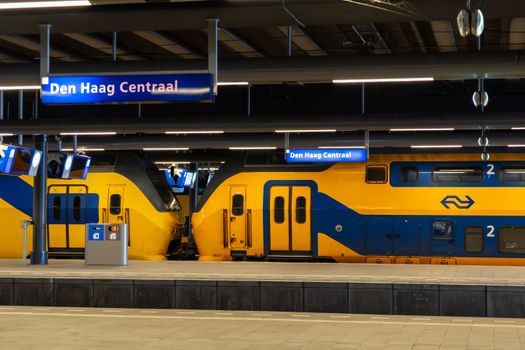
* How to Get There: Depart from Amsterdam Centraal, arrive at Brussels-Midi/Zuid.
Authenticity:
In Brussels, don't just stick to the Grand Place. Seek out the hidden galeries like Galeries Royales Saint-Hubert, with its elegant shops and cafes. Sample authentic Belgian waffles from a street vendor, the warm, sweet aroma of caramelized sugar a irresistible lure. And of course, indulge in world-class Belgian chocolate – the sheer variety and craftsmanship are astounding.
3. The Vienna-Budapest Connection: A Journey Through Imperial Grandeur
Why it replaces flights:
While not a new route, the Railjet services between Vienna and Budapest have been significantly upgraded, offering a fast, comfortable, and scenic journey that renders flying completely obsolete for this popular route. The trip takes around 2 hours and 35 minutes, allowing you to spend more time exploring these magnificent imperial cities.
Insider Scoop:
The Railjet is Austria's flagship train and offers a premium experience, including a restaurant car and excellent service. The views as you travel eastwards, crossing the Danube, are particularly striking.
Pro-Tip:
If you're feeling adventurous, consider the overnight sleeper train option for a truly unique experience. You wake up in a new city, ready to explore. Book sleeper compartments well in advance as they are limited.
Quick Facts:
* Estimated Cost: $40 - $110
* Best Time to Visit: Spring (April-May) for blooming gardens and milder weather, or late Autumn (November) for atmospheric Christmas markets.
* How to Get There: Depart from Vienna Hauptbahnhof, arrive at Budapest Keleti pályaudvar.
Authenticity:
Vienna’s coffee house culture is legendary. Imagine the rich scent of freshly ground coffee beans mingling with the sweet aroma of Sachertorte in a grand, historic cafe like Café Central. In Budapest, the thermal baths, like Szechenyi or Gellért, offer a unique cultural immersion, the steamy air thick with the scent of minerals.
4. The Milan-Venice Express: From Fashion Capital to Floating City
Why it replaces flights:
The flight between Milan and Venice is incredibly short, but the journey to and from airports, plus the flight itself, eats up valuable time. The Frecciarossa high-speed train, Italy's premier service, connects these two iconic cities in a mere 2 hours and 20 minutes. This makes it effortless to experience the fashion hubs of Milan and the romantic canals of Venice within the same trip.
Insider Scoop:
The Frecciarossa offers a luxurious ride with comfortable seating, a café bar, and attentive service. The approach to Venice by train is breathtaking as you cross the causeway, the lagoon stretching out before you.
Pro-Tip:
For the best views upon arrival in Venice, try to secure a window seat on the right side of the train when traveling from Milan. Consider purchasing a regional train ticket if you have more time and want to explore smaller towns along the way.
Quick Facts:
* Estimated Cost: $35 - $90
* Best Time to Visit: Spring (April-May) or Autumn (September-October) to avoid the summer heat and crowds.
* How to Get There: Depart from Milano Centrale, arrive at Venezia Santa Lucia.
Authenticity:
Milan buzzes with a sophisticated energy, the air filled with the subtle scent of leather from designer boutiques. In Venice, the sounds are unique: the gentle lapping of water against stone, the distant call of a gondolier, the echo of footsteps on ancient bridges. Don't miss trying Cicchetti, Venetian tapas, paired with a glass of local Prosecco.
5. The Scandinavian Sleeper: Stockholm to Copenhagen Overnight
Why it replaces flights:
For a journey between Stockholm and Copenhagen, a flight might seem quick, but the overnight sleeper train offers an unparalleled blend of efficiency and experience. You travel while you sleep, saving a precious day and waking up in a new city. The journey takes around 8-9 hours, perfect for an overnight trip.
Insider Scoop:
Opt for a private sleeper cabin for the ultimate comfort and privacy. Waking up to the Scandinavian sunrise over the Öresund Bridge is an unforgettable experience. It's a chance to disconnect and truly relax.
Pro-Tip:
Pack light for sleeper trains, as cabin space can be limited. Check the departure and arrival times carefully as they are designed for overnight travel. Consider bringing your own snacks and drinks to save on onboard costs.
Quick Facts:
* Estimated Cost: $60 - $150 (for a sleeper cabin)
* Best Time to Visit: Summer (June-August) for long daylight hours and vibrant city life, or Winter (December-February) for a chance to see the Northern Lights further north.
* How to Get There: Depart from Stockholm Central Station, arrive at Copenhagen Central Station.
Authenticity:
Stockholm's archipelago offers stunning coastal views from the train. Copenhagen, the "happiest city in the world," has a laid-back, hygge-filled atmosphere. The scent of freshly brewed coffee and cinnamon pastries from a local bakery is a constant, delightful presence.
Making the Switch: Your Essential Guide to Train Travel
Embracing train travel is easier than you think. Here's how to navigate the rails like a seasoned pro:
Booking Your Tickets: Where and When to Look
- National Rail Operators: Most countries have their own national rail operators (e.g., SNCF in France, Deutsche Bahn in Germany, Trenitalia in Italy). Their websites are usually the best place to start.
- Third-Party Booking Sites: Websites like Omio, Trainline, and Rail Europe aggregate tickets from various operators, making it easier to compare prices and routes.
- Book in Advance: For high-speed and long-distance routes, booking 2-6 months ahead can secure the best prices. Last-minute tickets can be significantly more expensive.
- Consider Rail Passes: If you plan to do extensive train travel within a region (e.g., Eurail Pass for Europe), a pass can be cost-effective. Do the math to see if it suits your itinerary.
Onboard Etiquette and Amenities: What to Expect
- Luggage: Generally more generous than airlines, but always check specific operator rules. Most trains have overhead racks and luggage space at the end of carriages.
- Seating: Choose between standard, first class, or premium classes depending on your budget and comfort needs. Sleeper compartments offer beds.
- Food & Drink: Many trains have onboard cafes or restaurant cars. Bringing your own snacks and a reusable water bottle is also a great idea.
- Wi-Fi: Increasingly common, but can be spotty on some routes. Don't rely on it for critical work.
- Power Outlets: Usually available, but bring a portable power bank just in case.
The Budget Breakdown: Is it Really Cheaper?
While short flights can sometimes be cheaper if booked far in advance or during sales, when you factor in the hidden costs of airport transfers, baggage fees, and the time saved, train travel often emerges as the more economical and value-packed option. The comfort, convenience, and experience are intangible benefits that are hard to put a price on.
The Future is on Rails
The shift away from short-haul flights is more than just a trend; it's a fundamental re-evaluation of how we travel. It's about embracing slower, more mindful journeys that connect us to the places we visit and the world around us. This year, the emerging train routes are not just replacing flights; they are redefining the very essence of travel, making it more sustainable, more enjoyable, and more enriching than ever before. So, next time you're planning a short hop, consider the train. You might just discover your new favorite way to explore.