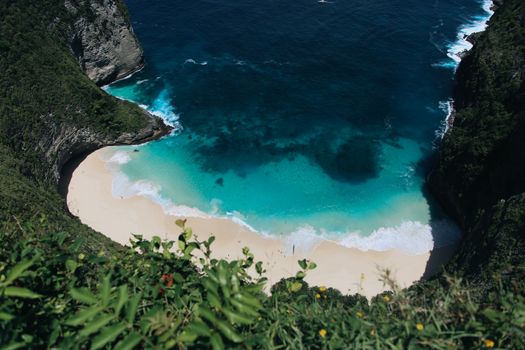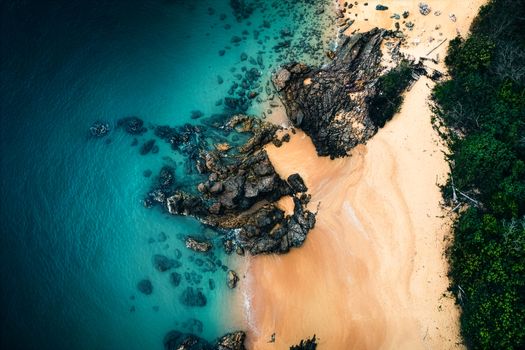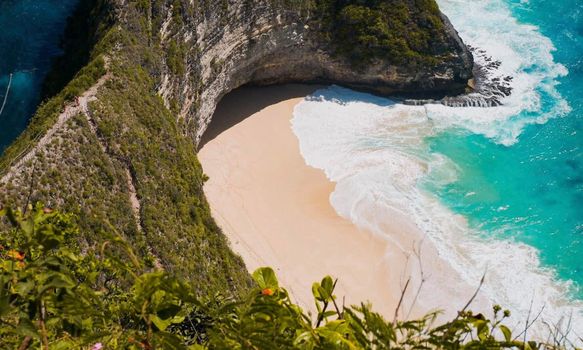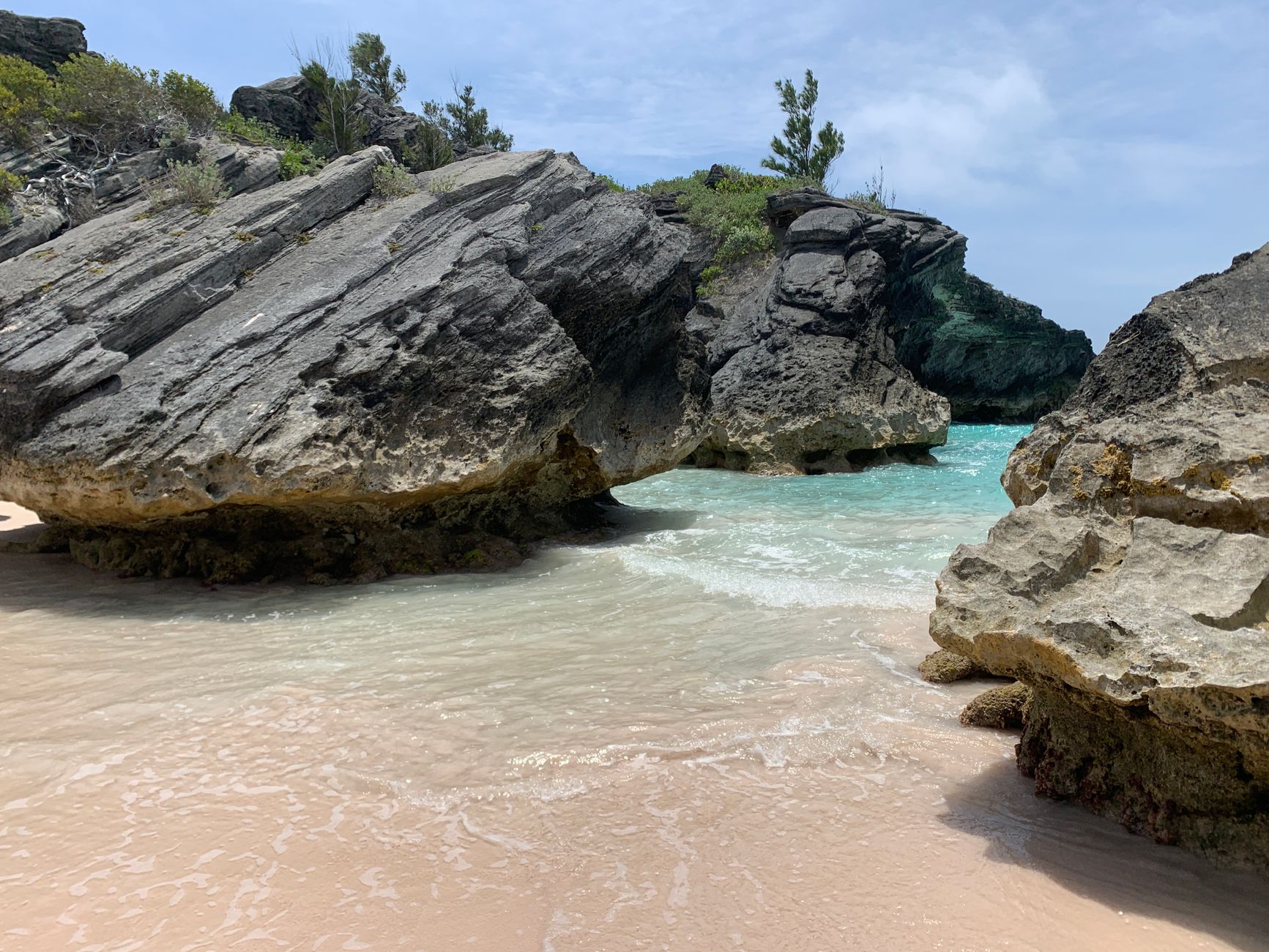
(Featured Image Suggestion: A stunning aerial shot of a secluded beach with vibrant turquoise water, white sand, and lush green cliffs, with a small boat approaching the shore, looking pristine and untouched.)
The Thrill of the Unseen: My Quest for the World's Best-Kept Beach Secrets
Remember that feeling? The one where you scroll through endless Instagram feeds, each perfectly filtered shot of an 'idyllic' beach, only to arrive and find it teeming with thousands of other tourists, all vying for the same photo op? I do. It was on a "secluded" beach in Southeast Asia, elbow-to-elbow with selfie sticks, that I had my epiphany: the true magic of travel isn't found where everyone else is looking. It's found in the whisper of a local, the forgotten path, the place that still feels like a secret.
That's when my personal quest began. I vowed to uncover the world's truly hidden gems, those breathtaking stretches of sand and sea that haven't yet been overrun. And guess what? I found them. Not just found them, but experienced them – swum in their crystal-clear waters, felt their unique sands beneath my toes, and soaked in their serene, unadulterated beauty.
But here's the kicker: some of these once utterly unknown spots are just starting to bubble up on the radar of in-the-know travelers. They're not "famous" yet, but the buzz is growing. These aren't just secret beaches; they're trending secret beaches. They offer that perfect sweet spot: still pristine, still quiet, but with just enough emerging infrastructure (think a charming local guesthouse or a dedicated boatman) to make them accessible to the adventurous.
So, grab your virtual snorkel, because I'm about to take you on a journey to six of these incredible, whisper-worthy shores. Prepare for jaw-dropping beauty, practical tips, and my honest-to-goodness personal experiences. Let's dive in!
1. Emerald Cove, El Nido’s Forgotten Sister (Palawan, Philippines)
My first encounter with Emerald Cove felt like stepping into a screensaver. After the bustling energy of El Nido town, getting here was an adventure in itself. We hired a local fisherman, Mang Tonyo, whose weathered boat was affectionately named "Banca ni Lola." He navigated us through a maze of towering limestone karsts, each one a testament to nature's artistry. The "secret" part? It's not on the typical island-hopping tours. You have to ask specifically, and even then, some boatmen might feign ignorance to keep it pristine.
As we rounded the final karst, the world opened up to a crescent of sand so soft it felt like powdered sugar, embraced by water that shimmered in a hundred shades of green and blue. The cove is small, intimate, and often completely deserted. The real magic, though, happens after dark. Mang Tonyo, with a twinkle in his eye, once told me, "Wait for the moonless night, 'day." And I did. After a simple dinner of freshly grilled fish cooked over an open fire on the beach, the bioluminescent plankton put on a show I’ll never forget. Every splash, every movement in the water, ignited a galaxy of tiny, glowing stars. It was pure, unadulterated magic.
Why it’s trending:
Word of mouth among divers and eco-tourists seeking true tranquility away from the more crowded lagoons of El Nido. The sheer untouched beauty and the unique bioluminescence experience are becoming legendary.
Getting There:
Fly into Puerto Princesa (PPS), then take a 5-6 hour van ride to El Nido. From El Nido, negotiate with a local boatman for a private trip. Expect to pay around ₱3,000-₱5,000 (approx. $50-$85 USD) for a full day, depending on your haggling skills and other stops. Make sure they know you want to specifically visit "Emerald Cove" (or ask for "Secret Lagoon near Cadlao Island" to maintain the illusion).
What to Do:
Snorkeling in the unbelievably clear waters, exploring the small cave at one end of the beach, picnicking, and if you’re lucky enough to stay overnight (with permission from locals or a pre-arranged camping trip), witnessing the bioluminescence.
Tripsora Tip:
Pack a dry bag for your electronics, plenty of reef-safe sunscreen, and water shoes for navigating any rocky patches. Bring cash for your boatman and any local provisions.
2. Playa Escondida, Costa Rica’s Wild Heartbeat (Osa Peninsula, Costa Rica)
Costa Rica is famous for its biodiversity, but finding a truly secluded beach can be a challenge. Playa Escondida, nestled deep within the Osa Peninsula, is one such marvel. My journey here involved a small propeller plane to Puerto Jimenez, then a rugged 4x4 drive, and finally, a hike through dense rainforest. It's not for the faint of heart, but every step of the muddy, humid trek was worth it.
When I finally emerged from the emerald canopy, the sight was breathtaking: a vast, wild expanse of dark volcanic sand meeting the crashing Pacific. What struck me first wasn't just the beauty, but the sound. The symphony of howler monkeys, the squawk of scarlet macaws overhead, and the relentless rhythm of the waves. This isn't a place for sunbathing and cocktails; it's a place to reconnect with raw nature. I spent an entire afternoon watching sea turtles nest (from a respectful distance, of course) and spotting sloths in the trees just meters from the shore. It felt like I had stumbled into a scene from National Geographic.
Why it’s trending:
Adventure travelers and eco-enthusiasts are seeking out places where wildlife encounters are guaranteed and human impact is minimal. The Osa Peninsula itself is gaining recognition as one of the most biodiverse places on Earth.
Getting There:
Fly into San Jose (SJO), then take a domestic flight to Puerto Jimenez (PJM). From there, you'll need to arrange a 4x4 transfer or rent one yourself, followed by a guided hike into the remote parts of Corcovado National Park or surrounding private reserves. Many eco-lodges in the area can arrange this for you. Expect to pay $100-$200 USD for a guided tour, including transport and park fees.
What to Do:
Wildlife spotting (monkeys, sloths, macaws, sea turtles), surfing (for experienced surfers, the waves can be powerful), hiking the surrounding trails, and simply immersing yourself in the untamed beauty.
Tripsora Tip:
Hire a local guide! Not only will they help you navigate, but they'll also spot wildlife you'd otherwise miss and share invaluable insights into the local ecosystem. Pack insect repellent, a good pair of hiking sandals, and a reusable water bottle. Sustainable travel practices are paramount here.
3. Azure Whisper Beach, Zakynthos’ Unsung Serenity (Ionian Islands, Greece)
Greece conjures images of white-washed villages and azure waters, but often also crowded beaches like Navagio. My search for true tranquility led me to Azure Whisper Beach on Zakynthos. Unlike the dramatic cliffs of Navagio, this cove is more subtle, a gentle curve of fine white pebbles meeting water so intensely blue it almost hurts your eyes. I discovered it thanks to a tip from a charming taverna owner in a small village, who drew me a crude map on a napkin.
The journey involved a winding coastal road, a short, steep descent down a rocky path (definitely not for flip-flops!), and then... silence. Just the gentle lapping of waves and the occasional cry of a seagull. The water here is incredibly calm, perfect for floating and simply gazing at the clear depths. I spent hours snorkeling, exploring the small, almost imperceptible sea caves along the edges, where the light played dazzling tricks on the water. It felt like my own private slice of the Ionian Sea, a secret whispered only to those who truly sought it.
Why it’s trending:
Savvy travelers are looking beyond the postcard-perfect, crowded spots on popular islands. They're seeking authentic Greek charm and serene beauty without the throngs, and locals are slowly starting to share these lesser-known gems.
Getting There:
Fly into Zakynthos International Airport (ZTH). Rent a car – it's essential for exploring the island's hidden corners. Drive towards the village of Keri, then follow local signs (or my napkin-map advice!) for "Limni Keriou" and then ask for directions to a small, unmarked path leading down to the beach. Parking is usually just a pull-off on the side of the road. No entrance fee, just the cost of your car rental (approx. €30-€50/day).
What to Do:
Swimming, snorkeling, sunbathing, and simply enjoying the unparalleled peace. The nearby village of Limni Keriou offers charming tavernas for lunch or dinner.
Tripsora Tip:
Wear sturdy shoes for the descent. Bring your own snacks and water, as there are no facilities on the beach itself. Arrive early in the morning for the best light and guaranteed solitude.
4. Coral Nook, Raja Ampat’s Untouched Sanctuary (West Papua, Indonesia)
Raja Ampat is already a diver's paradise, but even within this pristine archipelago, there are still layers of secrecy. Coral Nook isn't just a beach; it's an entire ecosystem, a vibrant tapestry of marine life that feels like stepping into another dimension. My trip here was part of a liveaboard diving excursion, where our captain, a wise Papuan man named Bapak Wayan, promised us a spot "where the fish outnumber the stars." He wasn't wrong.
This isn't a typical sandy beach; it's more of a shallow, protected lagoon edged by ancient mangroves and a small, pristine patch of white sand that appears at low tide. The real spectacle is underwater. The coral gardens here are mind-bogglingly diverse and healthy, teeming with every color of the rainbow. I spent hours free-diving, gliding alongside manta rays, reef sharks, and schools of iridescent fish. The silence, broken only by the gentle gurgle of my snorkel, was profound. Staying in a nearby homestay (a simple stilt bungalow over the water) meant waking up to the gentle lapping of waves and the sight of baby sharks cruising beneath my feet.
Why it’s trending:
As sustainable travel and responsible diving gain traction, destinations like Raja Ampat are attracting those truly dedicated to preserving marine ecosystems. Specific, particularly pristine spots like Coral Nook are being shared among the diving community as "must-see" locations.
Getting There:
Fly into Sorong (SOQ) in West Papua. From there, take a ferry to Waisai, the capital of Waigeo Island. The real adventure begins by hiring a longboat or joining a liveaboard tour that explores the more remote islands. A liveaboard can cost anywhere from $1,500-$4,000+ USD for a week, while homestays on nearby islands (like Arborek or Kri) can be $50-$150 USD/night, including meals.
What to Do:
World-class snorkeling and diving are the main attractions. Kayaking through the mangroves, birdwatching, and simply enjoying the serene, untouched beauty of the marine environment.
Tripsora Tip:
This is a truly remote location. Bring all personal necessities, including any specific medications. Respect the local Papuan culture and their efforts to protect this incredible environment. Use only reef-safe sunscreen and avoid touching any coral.
5. Sands of Serenity, Algarve’s Hidden Alcove (Portugal)
The Algarve coast of Portugal is famed for its dramatic golden cliffs and stunning beaches, but it also has its fair share of crowded spots. My discovery of Sands of Serenity was purely accidental. I was exploring the coastline near Lagos, trying to escape the bustling Praia da Dona Ana, when I spotted a tiny, almost invisible path winding down between two towering ochre cliffs. My curiosity piqued, I followed it.
What unfolded was a small, perfectly crescent-shaped beach, almost entirely enclosed by the golden cliffs, creating a natural amphitheater. The sand was impossibly soft, and the water a deep, inviting turquoise. Crucially, there was only a handful of people there – a local couple reading, a lone painter capturing the light, and myself. The sound of the waves echoing off the cliffs was mesmerizing. I spent the afternoon exploring the tidal pools, discovering tiny crabs and colorful anemones, feeling like I had found a secret garden by the sea. It felt like a hug from nature, a quiet escape from the world.
Why it’s trending:
Travelers are increasingly using apps and local knowledge to find smaller, less accessible coves along popular coastlines, favoring intimacy over infrastructure. The sheer beauty of the Algarve combined with the desire for solitude makes these alcoves highly sought after.
Getting There:
Fly into Faro (FAO). Rent a car – it’s the best way to explore the Algarve. Drive towards Lagos. Look for parking near Praia do Camilo or Ponta da Piedade, but then keep an eye out for less obvious, unmarked trails leading down between the cliffs. It requires a bit of adventurous spirit and careful navigation. No entrance fee.
What to Do:
Sunbathing, swimming in the calm waters, exploring the tidal pools, and simply relaxing in a truly peaceful setting. Bring a good book and enjoy the quiet.
Tripsora Tip:
The path down can be steep and uneven; wear sturdy sandals or trainers. Check tide times – at high tide, some of these smaller coves can disappear entirely. Pack light, as there are no facilities.
6. Moonstone Bay, Iceland’s Volcanic Wonder (Snæfellsnes Peninsula, Iceland)
Okay, this one isn't your typical "sun-kissed, white sand" beach, but it's undoubtedly one of the most uniquely trending secret beaches right now. Moonstone Bay, on Iceland's magical Snæfellsnes Peninsula, is a place of stark, otherworldly beauty. I stumbled upon it during a road trip, after a local guide mentioned "a special black sand beach, not like Reynisfjara." Intrigued, I followed his vague directions down a gravel track.
What I found was breathtaking: a vast stretch of glittering black volcanic sand, studded with smooth, grey 'moonstones' (volcanic pebbles polished by the relentless ocean), all framed by dramatic basalt columns and the brooding presence of Snaefellsjokull glacier in the distance. The air was crisp, the wind wild, and the waves crashed with a primal power. It's not a place for swimming (unless you're incredibly brave and well-insulated!), but for walking, for reflecting, for feeling utterly dwarfed by nature's grandeur. I spent hours just collecting interesting stones, feeling the raw power of the Atlantic, and watching the moody Icelandic light transform the landscape. It’s a beach that truly makes you feel alive.
Why it’s trending:
The rise of "adventure-aesthetic" travel and the search for unique, dramatic landscapes has put Iceland's less-known volcanic beaches on the map for those seeking a different kind of beach experience. It's wildly Instagrammable in a dramatic, atmospheric way.
Getting There:
Fly into Keflavik (KEF). Rent a 4x4 – essential for Iceland's diverse terrain. Drive to the Snæfellsnes Peninsula (about 2-3 hours from Reykjavik). Moonstone Bay is located on the northern coast of the peninsula, often near the village of Hellnar or Arnarstapi, though its exact location is often kept somewhat quiet by locals. Look for unmarked gravel roads leading towards the coast. No entrance fee.
What to Do:
Photography, exploring the unique geology, collecting polished moonstones (respect local guidelines), and simply taking in the dramatic, powerful scenery. Nearby, you can hike along the cliffs, visit charming fishing villages, and even explore lava caves.
Tripsora Tip:
Dress warmly, even in summer. The Icelandic weather is unpredictable. Wear waterproof and windproof layers, and sturdy hiking boots. Be extremely cautious of sneaker waves – the Atlantic can be unforgiving.
Practical Tips for Your Secret Beach Expedition
Finding and enjoying these secret beaches requires a little more effort, but the reward is immeasurable. Here are my tried-and-true tips:
- Go Local: The best secrets are held by locals. Engage with guesthouse owners, fishermen, and restaurant staff. A genuine conversation can unlock hidden gems.
- Rent Your Own Wheels: Public transport often doesn't reach these secluded spots. A rental car, scooter, or even a private boat charter gives you the freedom to explore.
- Pack Smart:
- Dry Bag: Essential for protecting electronics from splashes and sand.
- Reef-Safe Sunscreen: Protect yourself and the delicate marine ecosystems.
- Water Shoes/Sturdy Sandals: For rocky paths and underwater exploration.
- Reusable Water Bottle: Stay hydrated and reduce plastic waste.
- Snorkel Gear: Many of these spots offer incredible underwater views.
- Basic First-Aid Kit: For minor cuts or scrapes.
- Leave No Trace: This is paramount. Pack out everything you pack in. Do not disturb wildlife or remove natural elements (unless specifically allowed, like collecting a few smooth pebbles). These places are secret because they're pristine; let's keep them that way.
- Check Tides & Conditions: Especially for smaller coves, high tide can completely submerge the beach. For wilder coasts, understand current conditions and potential dangers.
- Offline Maps & Translator: Cell service can be spotty. Download maps (like Google Maps or Maps.me) and a translation app beforehand.
- Be Flexible & Patient: The journey to a secret beach is often part of the adventure. Embrace unexpected detours and delays.
The Secret's Out (But Not Too Far Out!)
There's a unique joy in discovering a place that feels like it's just for you, even if only for a fleeting moment. These trending secret beaches offer that rare blend of pristine beauty, authentic experience, and just enough accessibility to make them achievable for the adventurous traveler. They are a reminder that the world still holds wonders waiting to be unveiled, away from the well-trodden paths.
My hope is that you'll approach these destinations with the same respect and wonder I did. Share your photos, yes, but more importantly, share the story of responsible travel and the magic of discovering true, unadulterated beauty. These aren't just places to visit; they're experiences to cherish, to protect, and to inspire.
So, what are you waiting for? Which of these secret paradises is calling your name? Let me know in the comments below! And don't forget to share this post with your fellow wanderlusters – because the best secrets are meant to be shared (responsibly, of course!).
---