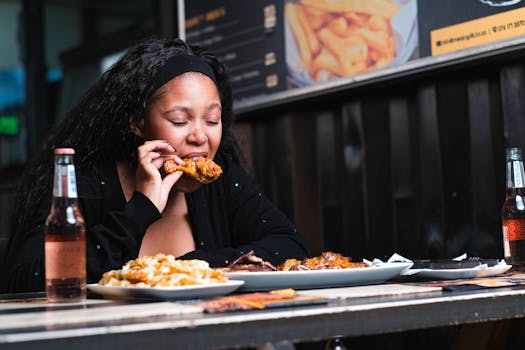
Dine in Complete Darkness: An Unforgettable Sensory Journey That Will Blow Your Mind
The low hum of conversation faded into a quiet murmur as the heavy curtain swept shut behind us, plunging the world into an impenetrable, absolute blackness. My hand instinctively reached out, grasping for my partner's arm, a primal instinct for connection in the void. My heart hammered a rhythm against my ribs, a mixture of apprehension and exhilarating anticipation. This wasn't just dinner; this was my first foray into the world of dining in complete darkness, and I had no idea how profoundly it was about to blow my mind.
As a travel blogger for Tripsora, I’ve had my fair share of unique culinary experiences – from street food stalls in Bangkok to Michelin-starred establishments in Paris. But nothing, absolutely nothing, prepared me for the sheer intensity and transformative power of eating without sight. It’s an experience that strips away your most dominant sense, forcing you to rediscover food, conversation, and even yourself, in a way that’s both disorienting and deeply enlightening.
If you’re looking to truly challenge your perceptions, ignite your senses, and create a travel memory that will last a lifetime, then buckle up. We’re about to journey into the incredible world of dark dining.
What Exactly Is Dining in the Dark? A Deeper Dive
At its core, dining in the dark is precisely what it sounds like: enjoying a meal in a pitch-black environment, where not even the faintest glimmer of light penetrates. But it’s so much more than just eating in the dark. It’s a carefully curated experience designed to heighten your other senses – taste, smell, touch, and hearing – as your eyes are rendered useless.
The concept isn’t new; its roots can be traced back to the "Dialogue in the Dark" exhibitions, which started in Germany in the late 1980s. These exhibitions were designed to foster empathy and understanding for people with visual impairments by allowing sighted individuals to navigate everyday tasks in complete darkness, guided by visually impaired individuals. The dining aspect evolved from this, realizing the incredible potential to transform a mundane activity into a profound sensory journey.
When you dine in the dark, you’re often served by visually impaired or blind staff members who are perfectly at ease in the environment. This not only provides employment opportunities but also flips the script, making them the experts in a situation where sighted people are at a disadvantage. It’s a powerful statement and an integral part of the experience.
Forget about Instagramming your food (unless you plan to photograph a black screen!). This is about being present, truly tasting, smelling, and feeling your meal, and engaging with your dining companions on a whole new level. It’s about letting go of control and trusting your other senses to guide you.
My First Time: A Sensory Revelation in London
My inaugural dark dining experience took place at Dans le Noir? in London, a name that perfectly translates to "In the Dark?". We arrived at a brightly lit reception area, chose our menu (surprise, but with options for allergies/dietary restrictions), and were asked to put away our phones and any light-emitting devices. Then, our guide, a charming visually impaired gentleman named David, introduced himself and led us towards the curtained entrance.
"Place your hand on my shoulder, please, and follow closely," he instructed. One by one, we formed a human chain, David leading the way. The transition from light to absolute darkness was jarring. For a few seconds, my eyes strained, trying to discern anything, but there was nothing. Just pure, unadulterated black.
David expertly guided us to our table, gently placing my hands on the chair before I sat down. The table felt smooth, the cutlery cool. The first few minutes were a flurry of awkward fumbling, nervous laughter, and hushed whispers. Where was my water glass? How do I even find my napkin? David, sensing our disorientation, calmly reassured us and helped us locate our essentials.
When the first course arrived, the aroma hit me first – a complex, savory scent that my brain struggled to identify without visual cues. I tentatively reached for my fork, found the plate, and took a cautious bite. Boom! The flavors exploded on my tongue. Was it mushroom? A hint of truffle? Something sweet, then salty? Without seeing, every single ingredient seemed amplified. The texture of a purée, the crunch of a vegetable, the tenderness of a protein – each element became a distinct, vivid sensation.
Conversation around the table shifted from nervous jokes to genuine curiosity. We were all trying to guess the ingredients, describing the textures, and sharing our heightened perceptions. It was an incredible bonding experience, stripped of the usual distractions of appearance or phone screens. For two hours, we were just voices, tastes, and shared wonder. Leaving the restaurant, blinking in the sudden brightness, felt like waking from a vivid dream. The food had been delicious, but the experience was truly unforgettable.
The Science Behind the Sensation: Why Darkness Amplifies Everything
It's not just a trick of the mind; there's real science backing why dining in the dark is such a powerful experience. Our brains are incredibly adept at compensating for a missing sense. When you lose sight, your brain reallocates resources to process information from your other senses more intensely.
- Taste: Without visual cues (which often influence our perception of food, like the color of a dish), your taste buds work harder. You'll notice subtle nuances in flavor that might usually pass you by. The sweetness, saltiness, bitterness, sourness, and umami become sharper, more distinct.
- Smell: Aroma plays a huge role in taste, and in the dark, your olfactory senses go into overdrive. You'll pick up on fragrant spices, earthy undertones, or the freshness of herbs with incredible clarity.
- Touch: The texture of your food – the crispness, the creaminess, the chewiness, the crunch – becomes a significant part of the eating experience. You might even find yourself using your fingers more (don't worry, it's encouraged!).
- Hearing: The sounds of your dining companions, the clinking of cutlery, even the subtle sounds of your own chewing, become more prominent. This can lead to more focused conversation and a deeper connection with those around you.
This sensory recalibration isn't just about food; it's about challenging your brain's reliance on sight and opening up new pathways of perception. It's a fascinating experiment in human sensory processing, disguised as a gourmet meal.
Top Restaurants Around the Globe Where You Can Dine in the Dark
The concept of dark dining has spread worldwide, with incredible establishments offering this unique experience. Here are some of my top recommendations and what makes them special:
- Dans le Noir? (Multiple Locations: Paris, London, Barcelona, Madrid, St. Petersburg, Auckland)
- What to Expect: As I mentioned, this is where I had my first experience, and it's a fantastic global chain known for its consistent quality and commitment to employing visually impaired staff. They offer surprise multi-course menus (often 2 or 3 courses) with options for meat, fish, or vegetarian, and accommodate allergies.
- Details: Prices typically range from €50-€80 / £50-£80 per person for a two or three-course meal, excluding drinks. Booking well in advance is highly recommended, especially for weekend evenings.
- Why it's great: A pioneer in the field, offering a refined yet authentic experience with excellent service and a strong social mission.
- O.Noir (Montreal & Toronto, Canada)
- What to Expect: O.Noir is a Canadian institution for dark dining, celebrated for its delicious food and warm, inviting atmosphere (despite the darkness!). They also employ visually impaired servers and aim to raise awareness and provide employment. Their menu often features a mix of international and local cuisine.
- Details: Expect to pay around CAD $50-$75 per person for a two or three-course meal. They have a more extensive menu than some other dark dining spots, allowing for a bit more choice within the surprise element.
- Why it's great: Known for its quality food and strong community focus, O.Noir offers a truly heartwarming and delicious experience.
- BlackOut (Dubai, UAE)
- What to Expect: Located within the Grand Millennium Dubai, BlackOut offers a luxurious take on dark dining. It's an upscale experience, often with a more sophisticated menu. Like others, they employ visually impaired staff.
- Details: Prices are on the higher end, typically AED 250-400 (approx. $70-$110 USD) per person for a multi-course dinner, reflecting Dubai's premium dining scene.
- Why it's great: If you're looking for a high-end, memorable dark dining experience in a glamorous city, BlackOut delivers with elegance and excellent service.
- Dine in the Dark (Bangkok, Thailand - at Sheraton Grande Sukhumvit)
- What to Expect: Part of the Dialogue in the Dark initiative, this restaurant offers a unique Thai and international menu. It's not just about the food; it's about the entire journey, guided by visually impaired individuals who lead you through the experience.
- Details: Prices typically range from THB 1,500 – 2,000 (approx. $40-$60 USD) per person for a multi-course set menu. A portion of the proceeds often goes to charities supporting the visually impaired.
- Why it's great: A fantastic option in Southeast Asia, combining delicious cuisine with a strong social impact and an educational element.
- Nocti Vagus (Berlin, Germany)
- What to Expect: Germany's oldest dark restaurant, Nocti Vagus, takes the experience a step further by offering not just dinner in the dark, but also "dark thrillers" and "dark concerts" where you enjoy live performances without sight.
- Details: Prices vary depending on the experience, but a dinner typically costs around €50-€70 per person. Booking is essential, especially for their themed evenings.
- Why it's great: Offers a diverse range of dark experiences beyond just dining, making it a truly unique destination for sensory exploration.
Practical Tips for Your Dark Dining Adventure
To make the most of your mind-blowing dark dining experience, here are some actionable tips:
- Book in Advance: These restaurants are popular and often have limited seating, so secure your reservation well ahead of time.
- Communicate Dietary Needs: When booking, clearly state any allergies, dietary restrictions, or strong dislikes (e.g., "no seafood," "vegetarian," "gluten-free"). Most restaurants offer surprise menus, but they are always accommodating.
- Dress Comfortably (and Sensibly): Wear comfortable clothes you don't mind getting a little messy (spills happen!). Avoid light-colored clothing if you're prone to splashes. Skip strong perfumes or colognes, as they can interfere with the heightened sense of smell for you and your fellow diners.
- Leave the Lights Behind: This is crucial. Before entering the dining area, you'll be asked to store all light-emitting devices (phones, watches, lighters, etc.) in lockers. Resist the urge to sneak a peek – it ruins the experience for everyone.
- Trust Your Guide: Your visually impaired server is your eyes and your lifeline. Listen to their instructions, ask for help if you need it, and trust their expertise in navigating the dark.
- Take Your Time: Don't rush your meal. Savor each bite, try to identify flavors, and appreciate the textures. It's okay to eat with your hands if it helps you explore the food!
- Engage with Your Companions: Without visual cues, conversation becomes more intimate and focused. It’s a fantastic opportunity to truly connect with your friends, family, or partner.
- Navigating the Table: When your plate arrives, gently feel around its perimeter to understand its shape and what's on it. Use your cutlery (or fingers!) to explore the contents.
- Bathroom Breaks: If you need to use the restroom, simply ask your server. They will guide you out of the dark room and back.
- Embrace the Unknown: The beauty of dark dining lies in its unpredictability. Go in with an open mind, a sense of adventure, and a willingness to let go of control.
Beyond the Plate: The Social and Emotional Impact
Dining in the dark is more than just a gastronomic novelty; it's a powerful social and emotional experiment.
- Heightened Empathy: For a few hours, you experience a tiny fraction of what it's like to live without sight. This can foster a profound sense of empathy and appreciation for the challenges and abilities of visually impaired individuals.
- Deeper Connection: Without the visual distractions of phones, appearance, or surroundings, conversations become more genuine. You listen more intently, engage more deeply, and laugh more freely. It’s amazing how much more present you become.
- Challenging Perceptions: You’ll likely find yourself guessing ingredients incorrectly, realizing how much your eyes influence your brain’s interpretation of taste. This challenges preconceived notions about food and how we consume it.
- A Story to Tell: This isn't just another dinner out; it's an experience that you'll be talking about for years to come. It's shareable, memorable, and often inspires others to try it.
Is It Worth It? My Unfiltered Verdict.
Absolutely, unequivocally, YES.
Dining in complete darkness is not just a meal; it's a journey into your own senses, a lesson in empathy, and a thrilling culinary adventure. It forces you to slow down, to truly taste, to listen, and to connect in a way that modern life often doesn't allow. The food, while often excellent, almost becomes secondary to the sheer wonder of the experience itself.
It’s an experience that strips away the superficial and leaves you with a profound appreciation for your senses, your companions, and the incredible world of flavors. It’s an Instagram-worthy story, even if you can’t take a single photo inside, because the memories and the sensory explosions will be vivid enough to share with everyone.
So, the next time you're planning a trip or looking for a truly unique local experience, I urge you to seek out a dark dining restaurant. Let go of your inhibitions, trust your other senses, and prepare to have your mind, and your taste buds, completely blown.
Have you ever dined in the dark? What was your most surprising discovery? Share your stories in the comments below, and don't forget to tag a friend who needs to try this ultimate sensory adventure!
---