The Allure of the Newly Crowned: Exploring the Latest UNESCO Gems
I stepped off the train and the air, thick with the scent of damp earth and something vaguely floral, hit me like a forgotten memory. The distant chime of bells, a melody I’d only heard in hushed tones from old travelogues, echoed through the narrow cobblestone streets. This wasn't just another picturesque town; this was a place whispered about in hushed reverence, a recent addition to a list that sparks wanderlust in the most jaded traveler: the UNESCO World Heritage list. And let me tell you, the buzz around these new sites is electric.
For years, I’ve chased horizons, meticulously researching destinations that offer more than just a pretty postcard. I seek the pulse of history, the whisper of ancient cultures, the sheer, unadulterated awe that only a truly exceptional place can evoke. And now, with the latest UNESCO designations, a fresh wave of these extraordinary locations are vying for your attention. These aren't just places to tick off a list; they are invitations to step into living history, to connect with the soul of our planet.
1. The Majestic Mesopotamian Marshes of Iraq: A Cradle of Civilization Re-emerging
The Hook:
Imagine a landscape so ancient, so primal, that it’s considered a birthplace of civilization itself. I arrived in the Mesopotamian Marshes, a vast wetland system in southern Iraq, expecting arid plains. Instead, I was greeted by an intricate network of waterways, reed beds swaying like emerald ribbons, and the gentle lapping of water against the hulls of traditional reed boats. The air here hums with a quiet resilience, a testament to a culture that has thrived for millennia.
The Meat:
The Mesopotamian Marshes of Iraq, inscribed in 2016, are a UNESCO World Heritage site of immense cultural and ecological significance. This sprawling wetland, often referred to as the "land between the rivers" (Tigris and Euphrates), is believed to be the location of the Garden of Eden and the setting for the Epic of Gilgamesh. It’s a living museum of ancient Sumerian civilization.
Pro-Tips:
* Embrace the slow pace: The best way to experience the Marshes is by staying in a traditional reed house (mudhif) with a local family. It’s an immersion into a way of life that has changed little for centuries.
* Taste the local bounty: Don’t miss the chance to try masgouf, a delicious grilled carp, and iqra, a local cheese made from buffalo milk.
* Engage with the Marsh Arabs (Ma'dan): Their hospitality is legendary. Learn about their unique building techniques with reeds and their intricate knowledge of the waterways.
Quick Facts:
* Estimated Cost: $150 - $300 per day (including guided tours and accommodation)
* Best Time to Visit: October to April (cooler temperatures and lower water levels)
* How to Get There: Fly into Basra International Airport (BSR), then arrange for a private driver and local guide to the Marsh region.
2. The Ancient City of Qalhat, Oman: A Sultanate's Forgotten Jewel
The Hook:
The salty spray of the Arabian Sea kissed my face as I stood before the crumbling remnants of Qalhat. The wind, a constant companion here, seemed to carry whispers of a bygone era, of bustling trade routes and powerful sultans. The sheer scale of the remaining fortifications, stark against the azure sky, ignited a sense of wonder at the ambitions of this ancient port city.
The Meat:
The Ancient City of Qalhat, Oman, recognized by UNESCO in 2018, was once a thriving maritime hub and a significant port on the Indian Ocean trade routes. Its strategic location made it a wealthy and influential city, though much of its grandeur has succumbed to the ravages of time and nature. The site offers a glimpse into a sophisticated medieval Islamic urban center.
Key Highlights:
* The Great Mosque: Though largely in ruins, the foundation and some walls of this once-magnificent mosque are still visible, hinting at its former glory.
* The Tomb of Bibi Maryam: A striking mausoleum, this structure is remarkably well-preserved and offers a poignant reminder of the city's past inhabitants. Its unique architectural style is a fascinating blend of local and foreign influences.
* Fortifications and Walls: Explore the remnants of the city's defensive structures, which speak to its importance as a trading and strategic stronghold.
Pro-Tips:
* Visit during the cooler months: Oman can get extremely hot. Aim for November to March for a more comfortable experience.
* Hire a local guide: Understanding the history and significance of the ruins is crucial. A knowledgeable local guide will bring the stones to life.
* Combine with Sur: Qalhat is located near the coastal city of Sur, famous for its dhow building yards.
Quick Facts:
* Estimated Cost: $100 - $200 per day (excluding flights)
* Best Time to Visit: November to March
* How to Get There: Fly into Muscat International Airport (MCT), then rent a car or hire a taxi for the approximately 2.5-hour drive south to Qalhat.
3. The Plovdiv Old Town, Bulgaria: A Living Tapestry of Civilizations
The Hook:
I wandered through Plovdiv's Old Town, and it felt like stepping onto a film set where history itself was the director. The air buzzed with a vibrant energy, a palpable sense of continuity. The scent of roasting chestnuts mingled with the faint aroma of aged wood from the meticulously preserved Revival-era houses. Every cobblestone underfoot seemed to tell a story, from Thracian kings to Roman emperors, Ottoman pashas to Bulgarian revolutionaries.
The Meat:
While Plovdiv has been a contender for a while, its Old Town was officially recognized by UNESCO in 2014, solidifying its status as a must-visit heritage destination. This is not a static museum; it's a living, breathing city with layers of history stretching back over 6,000 years, making it one of the oldest continuously inhabited cities in Europe.
What Makes It Special:
* Thracian, Roman, and Ottoman Influences: Discover the incredibly well-preserved Roman Theatre, the ancient stadium, and the remnants of fortifications. Wander through the charming streets lined with colorful National Revival houses, characterized by their ornate facades and overhanging upper floors.
* Artisan Workshops and Galleries: The Old Town is alive with creativity. You’ll find numerous small workshops and galleries showcasing traditional crafts, from pottery to jewelry making.
* The Culinary Scene: Indulge in authentic Bulgarian cuisine. Seek out traditional tavernas (mehanas) for hearty stews, grilled meats, and local wines.
Pro-Tips:
* Wear comfortable shoes: Those cobblestones are charming but can be uneven.
* Allow ample time: Plovdiv’s charm lies in its exploration. Get lost in its winding alleys.
* Visit the Ethnographic Museum: Housed in a stunning Revival-era mansion, it offers a deep dive into Bulgarian traditions and lifestyle.
Quick Facts:
* Estimated Cost: $70 - $150 per day
* Best Time to Visit: April to June and September to October (pleasant weather)
* How to Get There: Fly into Sofia Airport (SOF), then take a bus or train to Plovdiv (approximately 2 hours).
4. The Sacred Sites of the Inca Trail, Peru: A Pathway to the Sky
The Hook:
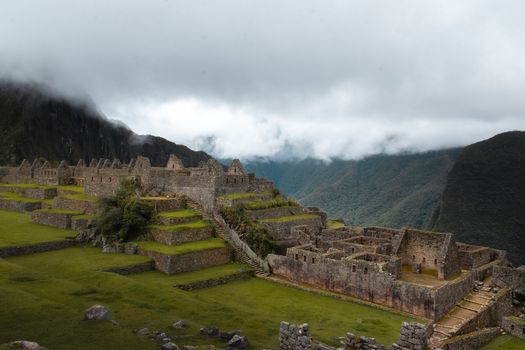
The thin mountain air stung my lungs, but the sight that unfolded before me stole my breath entirely. Jagged peaks pierced the impossibly blue sky, and below, a ribbon of ancient stone snaked its way through the cloud forest. The sheer audacity of the Inca engineers, their ability to carve a path through such formidable terrain, was humbling. The silence here was profound, broken only by the wind and the distant call of a bird.
The Meat:
The Sacred Sites of the Inca Trail (part of the Qhapaq Ñan network, recognized in 2014) is more than just a trek; it's a spiritual journey. This ancient Inca road system, stretching across the Andes, leads to breathtaking archaeological wonders, the crown jewel being Machu Picchu. This UNESCO World Heritage site is a testament to the ingenuity and spiritual depth of the Inca civilization.
Experiencing the Trail:
* The Classic Inca Trail (4-day trek): This is the most popular route, offering a challenging but incredibly rewarding experience, culminating in an early morning arrival at Machu Picchu.
* Alternative Treks: For those seeking less crowded paths, consider the Lares Trek or the Salkantay Trek, which also offer incredible Andean scenery and Inca ruins.
* The Inca Ruins: Beyond Machu Picchu, the trail passes through numerous other significant Inca sites like Wiñay Wayna and Phuyupatamarca, each with its own unique story and architectural marvels.
Pro-Tips:
* Book your trek months in advance: Permits for the Classic Inca Trail are limited and sell out quickly.
* Acclimatize properly: Spend a few days in Cusco before starting your trek to adjust to the altitude.
* Hire a reputable tour operator: They handle permits, guides, porters, and food, ensuring a safe and enriching experience.
Quick Facts:
* Estimated Cost: $600 - $1500+ for a 4-day trek (depending on operator and inclusions)
* Best Time to Visit: May to September (dry season)
* How to Get There: Fly into Cusco's Alejandro Velasco Astete International Airport (CUZ). Your tour operator will arrange transport to the trailhead.
5. The Ancient City of Kuelap, Peru: The "Machu Picchu of the North"
The Hook:
Perched precariously on a mountaintop, shrouded in mist, Kuelap felt like a lost world. The sheer scale of its circular stone structures, built with an precision that defies explanation, was awe-inspiring. The air was crisp, carrying the scent of damp moss and ancient stone, and a profound sense of peace settled over me as I gazed out at the verdant valleys below.
The Meat:
While Machu Picchu often steals the spotlight, Kuelap, a fortress city of the Chachapoyas people, is a UNESCO World Heritage site that deserves its own moment. Recognized in 2017, this pre-Inca citadel is a monumental achievement of engineering and artistry, predating Machu Picchu by centuries.
Why Kuelap is a Game-Changer:
* Massive Stone Walls: Kuelap boasts some of the largest stone structures in the Americas, with walls reaching up to 60 feet high.
* Unique Circular Architecture: The majority of the dwellings are circular, a distinctive feature of the Chachapoyas culture.
* The Cable Car: A modern cable car now provides easy access to the site, making it far more accessible than it once was. This has significantly boosted its profile.
* Surrounding Natural Beauty: The fortress is set amidst the stunning cloud forests of the Amazonas region, offering breathtaking views.
Pro-Tips:
* Combine with Gocta Falls: Kuelap is often visited in conjunction with the spectacular Gocta Waterfall, one of the tallest in the world.
* Allow a full day: Exploring Kuelap and its surroundings requires time.
* Visit during the dry season: While accessible year-round, the dry season (May to October) offers clearer skies.
Quick Facts:
* Estimated Cost: $120 - $250 per day (including cable car and local transport)
* Best Time to Visit: May to October
* How to Get There: Fly into Jaén (JAE) or Tarapoto (TPP) airports. From there, arrange for a private transfer or bus to Tingo, where the cable car to Kuelap departs.
The Verdict: Your Next UNESCO Adventure Awaits
These newly recognized UNESCO World Heritage sites are more than just dots on a map; they are portals to understanding our shared human story. From the ancient wetlands of Mesopotamia to the sky-high fortresses of the Andes, each site offers a unique and profound travel experience.
The beauty of these emerging destinations lies in their relative newness to the mainstream tourist radar. This often means fewer crowds, more authentic interactions with local cultures, and a chance to witness these wonders before they become entirely overrun. As a travel journalist, I live for these moments – the discovery, the connection, the sheer privilege of experiencing places that hold such immense global significance.
So, whether you're a seasoned history buff, an adventure seeker, or simply someone looking for a travel experience that truly resonates, consider adding these extraordinary UNESCO sites to your bucket list. The world is vast, and its most precious treasures are waiting to be explored.
---