The First Breath of a Border Reopened
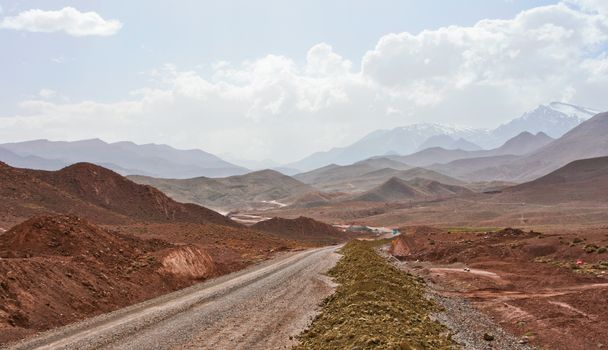
I stepped off the local marshrutka in the tiny village of Margara, and the air tasted different. It wasn't just the scent of charred apricot wood from nearby ovens; it was the heavy, electric silence of a border that had been frozen since 1993. For thirty years, the bridge over the Araks River—connecting Armenia and Turkey—was a graveyard of rusted iron and geopolitical stubbornness.
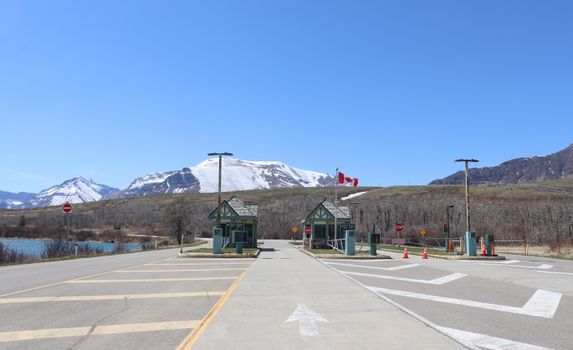
But as I stood there, I saw engineers testing the asphalt. I saw the fresh paint on the customs booths. The rumors are true: the "Iron Curtain" of the South Caucasus is lifting.
We are entering a golden age of "Diplomatic Tourism." While headlines often focus on conflict, a quiet wave of peace agreements and normalization pacts is carving out travel corridors that haven't been accessible in our lifetime. If you’re tired of the "Disneyfication" of travel, these are the frontiers calling your name.
1. The Great Caucasus Thaw: Armenia and Turkey
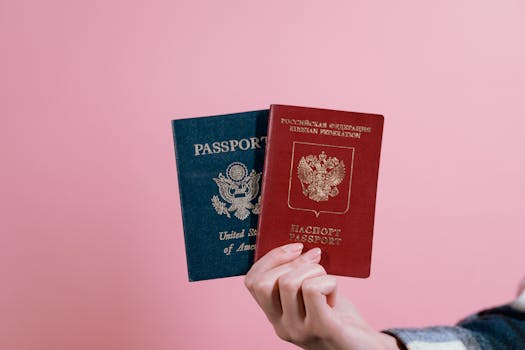
For decades, traveling between Yerevan and Istanbul required a detour through Georgia or a pricey flight. But thanks to ongoing normalization talks, the land border is slated to open for third-country nationals and diplomatic passport holders first, with full public access trailing closely behind.
The Vibe:
It’s a mix of ancient Christian monasteries and Ottoman grandeur. Once the border at Margara fully opens, you can breakfast on basturma in Yerevan and be exploring the ghost city of Ani—the medieval "City of 1,001 Churches"—by lunch.
- Pro-Tip: Don't just stick to the main road. Head to the Gyumri district in Armenia. The black tuff architecture is hauntingly beautiful, and the local herb-infused spirits will knock your socks off.
- The Insider Secret: The best view of Mount Ararat isn't from the Turkish side; it’s from the Khor Virap monastery in Armenia, right against the border fence.
2. The "Open Balkan" Gateway: Serbia, Albania, and North Macedonia
While the EU debates expansion, these three nations took matters into their own hands with the "Open Balkan" initiative. This agreement effectively creates a "mini-Schengen" zone, eliminating border checkpoints and streamlining travel.
The Vibe:
This is the "Wild Europe" you’ve been looking for. You can now drive from the brutalist concrete cool of Belgrade to the turquoise "Maldives of Europe" in Southern Albania without the soul-crushing three-hour border queues.
- Pro-Tip: Cross from North Macedonia into Albania via Lake Ohrid. It’s one of the oldest and deepest lakes in Europe. Stay in a lakeside guesthouse in Lin—a village so quiet you can hear the fish jump.
- The Logistics: Use the "Western Balkans" pass. Many local car rental agencies now offer "no-border-fee" packages specifically for this corridor.
3. The Abrahamic Trail Expansion: UAE to Israel and Beyond
The Abraham Accords weren't just a political handshake; they were a travel revolution. This year, the corridor is expanding with more direct flights and simplified e-visas, making "multi-country Middle East" trips a reality.
The Vibe:
High-octane futurism meets deep antiquity. You can fly from the world’s tallest building in Dubai to the ancient, limestone-scented alleys of Jerusalem in under four hours.
- Pro-Tip: Look for the "Green Track" at Ben Gurion Airport if you’re arriving from the UAE; the security process has been significantly streamlined for this specific corridor.
- Authenticity Check: In Dubai, skip the malls and go to the Al Shindagha Museum. It smells of frankincense and old dhow wood—a far cry from the sterile scents of the luxury hotels.
4. The Silk Road "Unified Visa": Uzbekistan and Kazakhstan
Central Asia has long been a logistical nightmare of "Letter of Invitation" (LOI) requirements. However, the new "Silk Road" visa agreements are finally coming to fruition, allowing travelers to hop between the turquoise-tiled madrasas of Samarkand and the high-altitude steppes of Kazakhstan on a single permit.
The Vibe:
This is pure, unadulterated adventure. Imagine the smell of fresh non (flatbread) baking in a clay oven and the sight of the Registan Square illuminated at night.
- Pro-Tip: Take the "Afrosiyob" high-speed train from Tashkent to Bukhara. It’s cleaner and faster than most American trains, and they serve surprisingly good green tea in porcelain cups.
- The Hidden Entrance: In Samarkand, find the "Street of the Dead" (Shah-i-Zinda). Go at 7:00 AM. The blue tiles glow with an ethereal light before the tour buses arrive.
5. The East African Community (EAC) Power-Move
A new peace and integration agreement between the DRC, Rwanda, Uganda, and Kenya is moving toward a single tourist visa. This "Great Lakes Corridor" is opening up the Democratic Republic of Congo’s Virunga National Park to travelers coming from the safer hubs of Kigali.
The Vibe:
Raw, emerald-green wilderness. This is the only place on earth where you can trek to see mountain gorillas and then relax on the shores of Lake Kivu within the same day.
- Pro-Tip: When crossing from Rwanda into the DRC (Goma), ensure your Yellow Fever certificate is a physical yellow card, not a digital copy. The border guards are sticklers for the "yellow paper."
- The Cost: The EAC Tourist Visa is a flat $100—a steal compared to buying individual visas for each nation.
---
Quick Facts: The Logistics of the New Corridors
| Corridor | Primary Agreement | Best Time to Visit | Estimated Daily Budget | Accessibility Status |
| :--- | :--- | :--- | :--- | :--- |
| Armenia-Turkey | Margara Normalization | May - Sept | $45 - $60 | Opening for 3rd party/Diplomats |
| Open Balkan | Open Balkan Initiative | June - Oct | $40 - $70 | Fully Open |
| Middle East | Abraham Accords | Nov - March | $120 - $250 | Fully Open |
| Central Asia | Silk Road Visa | May or October | $35 - $55 | E-Visa Simplified |
| East Africa | EAC Integration | Jan - Feb | $80 - $150 | Single Visa Available |
---
Why You Should Go Now
Travel is the ultimate soft power. When we cross these newly opened borders, we aren't just tourists; we are "peace-validation" agents. We prove that these agreements work.
But there’s a selfish reason, too: The "Golden Window."
There is a 12-to-24-month window after a border opens where the locals are genuinely thrilled to see you, the prices haven't been "tourist-taxed," and the experience remains raw.
I remember sitting in a small café in Gyumri last month. The owner, an old man with hands stained purple from mulberries, handed me a coffee and pointed toward the Turkish border. "For thirty years, that was a wall," he said. "Now, it’s a door."
Don't wait for the door to be crowded. Walk through it while the hinges are still creaking.
Logistics: How to Get There
1. For the Caucasus: Fly into Yerevan (EVN). Rent a Niva 4x4 if you want to feel like a local, or a standard SUV for the mountain passes.
2. For the Balkans: Start in Belgrade (BEG), rent a car, and drop it off in Tirana (TIA). Check for "One-Way" international fees.
3. For Central Asia: Fly into Tashkent (TAS). The city is a hub for the new Silk Road rail network.
---