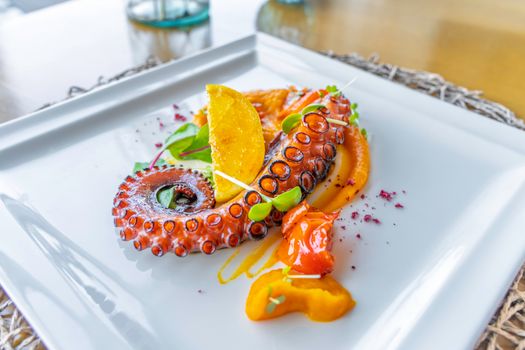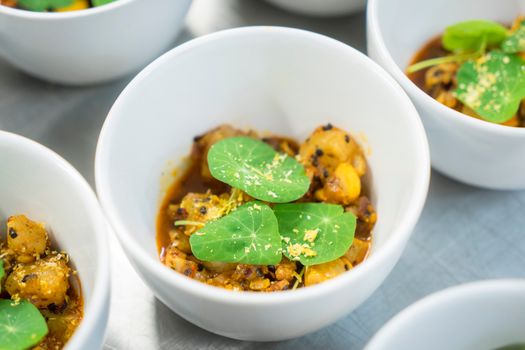
"Twenty-five dollars for a single scallop?" I remember staring wide-eyed at the menu, perched precariously on a plush velvet chair in a dimly lit, hushed Michelin-starred restaurant in Paris. The waiter, immaculate in his crisp suit, probably saw the panic flicker across my face. That night, while the food was undeniably art, my wallet felt like it had been through a shredder. For years, that was my mental image of Michelin dining: an exclusive, unattainable world reserved for the ultra-rich and those celebrating once-in-a-lifetime milestones.
Then, Singapore happened.
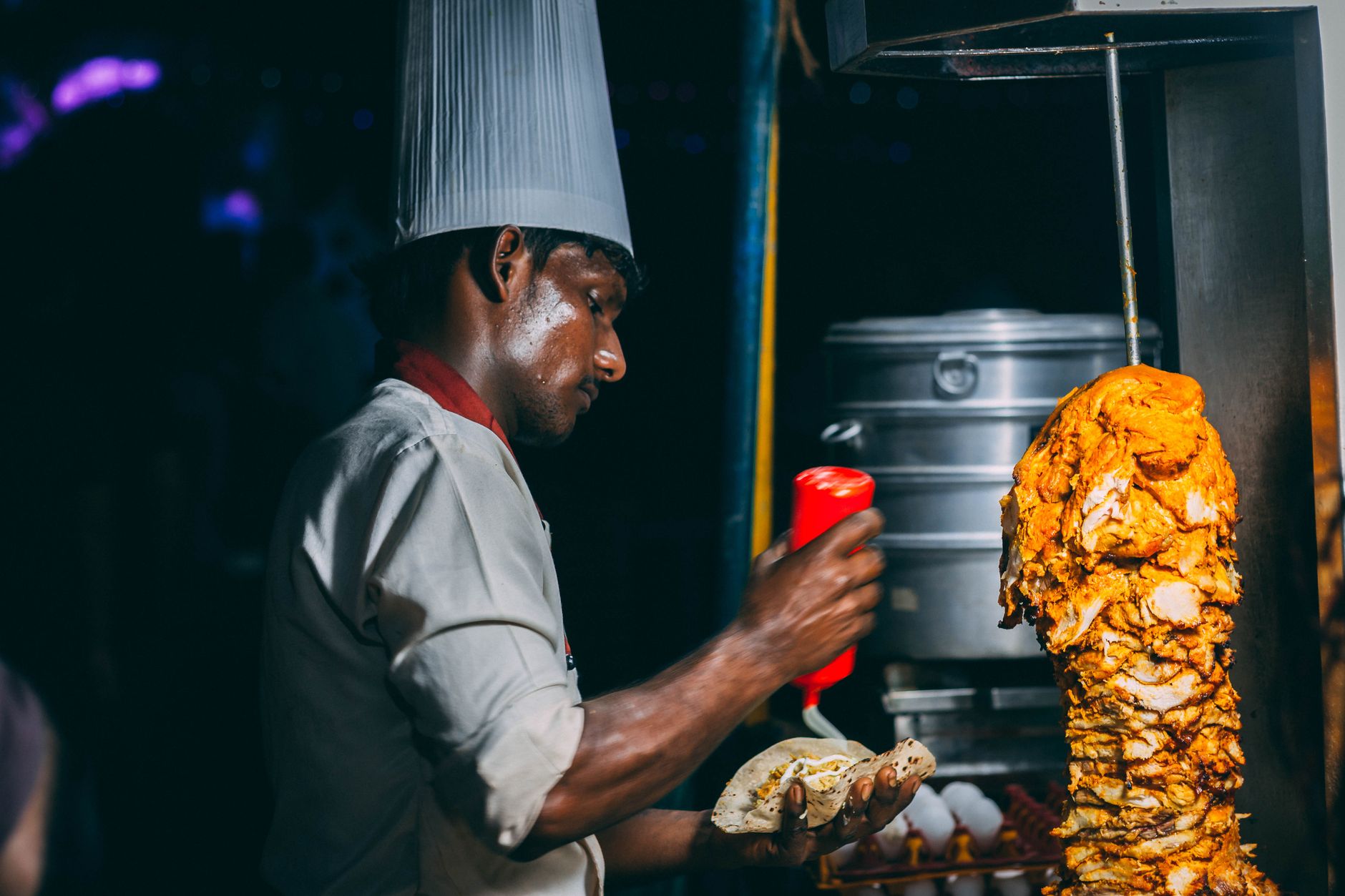
I was wandering through the humid labyrinth of a hawker center, the air thick with the symphony of sizzling woks and the chatter of a thousand conversations. My mission: find the legendary Liao Fan Hong Kong Soya Sauce Chicken Rice & Noodle, better known as Hawker Chan. The queue snaked around three corners, a testament to its fame. After an hour of patient waiting, I finally stood before the counter. "Chicken rice, please," I mumbled, my stomach rumbling in anticipation. The plate arrived: glistening soy sauce chicken, fluffy rice, a side of chili. The cost? A mind-boggling S$3.80. That’s less than three US dollars.
My first bite was a revelation. The chicken was impossibly tender, infused with a complex umami, the skin caramelized to perfection. The rice, fragrant and subtly flavored. This wasn't just good; it was extraordinary. And then it hit me: this was a Michelin-starred meal. A real, honest-to-goodness Michelin star, served on a plastic plate, for pocket change.
That moment shattered every preconceived notion I had about fine dining. It sparked a quest, an obsession, to uncover these hidden culinary treasures – the Michelin-recognized meals that Instagram influencers rarely feature because, well, they don't scream "luxury" in the traditional sense. But they scream "delicious," "authentic," and "unbelievable value." And today, dear Tripsora readers, I’m sharing those secrets with you. Get ready to redefine your travel food budget.
Beyond the Stars: Understanding Michelin's Hidden Gems
First, let's clear up a common misconception. When people hear "Michelin," they instantly think "three stars" and "mortgage payment." But the Michelin Guide is far more nuanced than just its prestigious stars. While the stars recognize exceptional cuisine warranting a special journey (3 stars), a detour (2 stars), or a stop (1 star), there are two other equally important, often overlooked, categories perfect for the budget traveler:
- Bib Gourmand: This is your golden ticket! Named after Bibendum, the Michelin Man, this award signifies "good quality, good value cooking." These are restaurants where you can typically get a two-course meal (sometimes three, or small plates) and a glass of wine for a moderate price – usually under €36 in Europe, $40 in the US, or equivalent local currency. The emphasis is on excellent food that won't break the bank.
- The Michelin Plate: Introduced in 2016, this symbol simply means "restaurants where the inspectors discovered quality food." It's a recognition of good cooking, often representing local favorites or up-and-coming spots that haven't quite reached Bib Gourmand or star status, but are still worth seeking out for their delicious offerings.
The beauty of the Bib Gourmand and, in specific regions, the Michelin Starred street food vendors, is that they prioritize the food above all else. Forget the white tablecloths, the sommelier, and the hushed tones. Here, it's about flavor, tradition, and culinary skill, often in the most humble settings. This is where your under-$20 Michelin adventure truly begins.
The Street Food Revolution: Michelin Stars on a Plastic Plate
The most iconic examples of ultra-affordable Michelin dining come from the vibrant street food scenes of Asia. It's a testament to the Michelin Guide's evolving recognition of diverse culinary cultures that they've embraced these humble hawker stalls and street-side eateries.
1. Singapore: The Hawker Hall of Fame
My journey started here, and for good reason. Singapore is a mecca for affordable Michelin experiences.
- Liao Fan Hong Kong Soya Sauce Chicken Rice & Noodle (Hawker Chan): This is the OG. The world's first Michelin-starred hawker stall, awarded its star in 2016. Located in Chinatown Complex Food Centre (and now with several branches, though the original stall is iconic), a plate of their signature chicken rice or noodles will set you back a mere S$3.80 - S$6.80 (approx. US$2.80 - US$5). The queue is legendary, often an hour long, but every minute is worth it for that perfectly roasted, succulent chicken. Pro Tip: Go early (before 11 AM) or late (after 2 PM) to avoid the peak lunch rush.
- Hill Street Tai Hwa Pork Noodle: Another absolute must-try, also awarded a Michelin star. Tucked away in Tai Hwa Eating House, this stall serves up Bak Chor Mee (minced pork noodles) that are a symphony of textures and flavors. Chewy noodles tossed in a vinegary, spicy, savory sauce, topped with minced pork, pork liver, meatballs, and crispy sole fish. Expect to pay S$6-S$10 (approx. US$4.50 - US$7.50). The queue here can be even longer than Hawker Chan's, but the unique flavor profile is unforgettable.
2. Hong Kong: Dim Sum Dreams Come True
Hong Kong's culinary scene is equally rich, and while many Michelin-starred restaurants are pricey, there's a shining exception:
- Tim Ho Wan (Sham Shui Po or original Mong Kok branches): Often dubbed "the world's cheapest Michelin-starred restaurant" (before Hawker Chan took that title), Tim Ho Wan earned its star for its exceptional dim sum. While it now has many branches worldwide, the original Hong Kong locations retain that authentic, bustling tea house vibe. A plate of their famous Baked BBQ Pork Buns (crispy on the outside, fluffy inside, with sweet char siu filling) costs around HK$20-28 (approx. US$2.50 - US$3.50). You can easily feast on 3-4 plates of different dim sum for well under US$20. My personal favorites are the steamed fresh shrimp dumplings (har gow) and the pan-fried turnip cake. It’s a loud, lively experience, and service is quick and efficient.
Global Gems: Bib Gourmand Discoveries Beyond Asia
The magic of affordable Michelin dining isn't confined to Asian street food. Bib Gourmand restaurants exist globally, offering incredible value in more traditional restaurant settings.
1. New York City, USA: Michelin Plate Noodle Nirvana
While not Bib Gourmand, the Michelin Plate category often highlights places that are incredibly delicious and budget-friendly.
- Xi'an Famous Foods (Various locations): This chain, celebrated for its Northwestern Chinese cuisine, has been consistently recognized by the Michelin Guide with a Plate designation. Their hand-ripped noodles are legendary – chewy, springy, and coated in intensely flavorful sauces. The Spicy Cumin Lamb Hand-Ripped Noodles or the Spicy & Sour Lamb Dumplings are phenomenal. A generous bowl of noodles costs around US$12-15, easily fitting our under-$20 budget and delivering an explosion of flavor. It's fast, casual, and utterly satisfying. I remember my first time biting into those cumin lamb noodles – it was a flavor I'd never experienced, a perfect blend of heat, spice, and tender meat.
2. Paris, France: Ramen Revelation
Even in a city synonymous with high-end gastronomy, you can find Bib Gourmand gems.
- Kodawari Ramen (Tsukiji & Saint-Honoré branches): This Bib Gourmand spot in Paris transports you straight to a bustling Japanese fish market or a traditional ramen shop. Their ramen bowls are meticulously crafted, featuring rich broths and perfectly cooked noodles. The Paitan Ramen (creamy chicken broth) or the Shio Ramen (salt-based broth) are exquisite. A bowl typically costs €14-€18 (approx. US$15-US$19), making it a fantastic under-$20 Michelin experience in one of the world's priciest food cities. The atmosphere is immersive, and the quality is undeniable. I still dream about their perfectly soft-boiled egg.
Your Playbook: How to Hunt Down These Michelin Marvels
Finding these budget-friendly Michelin spots isn't about luck; it's about strategy.
- Download the Michelin Guide App (or use their website): This is your most powerful tool. Don't just search for "Michelin restaurants." Filter your search results by "Bib Gourmand" or, in certain regions like Singapore and Hong Kong, look for the "Michelin Starred Street Food" category.
- Focus on Lunch: Many higher-end restaurants (even those with stars or Bib Gourmands) offer significantly cheaper lunch sets or tasting menus compared to dinner. While these might push slightly over $20, they still offer incredible value for the experience.
- Embrace the Casual: These affordable gems are rarely fancy. Look for places with simple decor, communal tables, or even just a counter. The focus is on the food, not the ambiance.
- Read Local Blogs & Forums: While influencers might not always highlight these, local food bloggers and forums are goldmines for discovering new Bib Gourmand spots or street food legends. Search for "best cheap eats [city name] Michelin."
- Go Off-Peak: To avoid the longest queues at popular street food stalls, try to visit during non-traditional meal times (e.g., 10:30 AM or 2:30 PM).
Maximizing Your Experience: Tips for the Savvy Foodie
You've found your Michelin gem; now make the most of it!
- Be Prepared to Queue: Especially at the famous street food stalls. Bring a book, listen to a podcast, or strike up a conversation with fellow foodies. It’s part of the experience!
- Cash is King (Sometimes): Many smaller, traditional eateries, especially hawker stalls, might be cash-only. Always have local currency on hand.
- Order Smart: At places like Tim Ho Wan, order a few different small dishes to share. It allows you to sample more of the menu without overspending.
- Embrace the Local Vibe: Don't expect attentive table service or quiet dining. These places are often loud, bustling, and wonderfully chaotic. It's part of their charm.
- Go with an Open Mind (and Stomach!): Be adventurous! Try dishes you've never heard of. That's how you discover true culinary magic.
The Instagram Angle: Authentic & Shareable Eats
Influencers might shy away from the plastic plates and crowded tables, but you shouldn't! These experiences are inherently Instagram-worthy because they're authentic, unique, and tell a compelling story.
- Focus on the Food: Get close-up shots of the dishes. Highlight the textures, the colors, the steam rising from a hot bowl.
- Capture the Vibe: Show the queue, the bustling kitchen, the happy faces of fellow diners. This tells the story of the place.
- Be Real: Forget staged perfection. A candid shot of you digging into a bowl of noodles with chopsticks, a look of pure bliss on your face, is far more engaging than a perfectly flat-layed dish in an empty room.
- Use Relevant Hashtags: #MichelinUnder20 #BudgetMichelin #HawkerChan #BibGourmand #StreetFoodStars #TravelFood #FoodieOnABudget #[CityName]Food #TripsoraEats.
- Tag the Location: Make it easy for others to find your amazing discoveries!
The Secret's Out: Your Michelin Adventure Awaits!
The world of Michelin-recognized dining is not an exclusive club; it's a diverse landscape waiting to be explored by curious, budget-savvy travelers like you. From the bustling hawker centers of Singapore to the cozy ramen shops of Paris, exquisite flavors and culinary craftsmanship are accessible for well under $20.
So, next time you're planning a trip, don't just search for "best restaurants." Dive into the Michelin Guide, hunt for those Bib Gourmand gems and street food stars, and prepare to be amazed. You’ll not only save money but also experience a more authentic, vibrant side of a city's food culture.
It's time to challenge the narrative, bypass the influencer-approved expensive spots, and uncover the real culinary treasures. Your taste buds (and your wallet) will thank you.
What's your favorite under-$20 Michelin discovery? Share your tips and experiences in the comments below! And don't forget to share this post with your fellow food-loving adventurers!