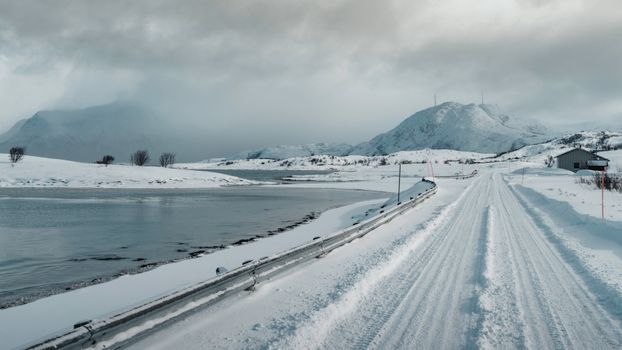
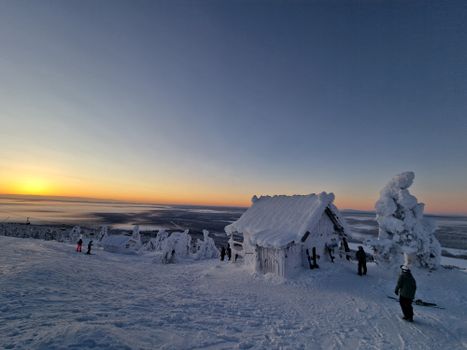
The biting wind whipped around me, snow crunching underfoot as I stood before it. A colossal structure, shimmering faintly under the pale Arctic sky, built entirely from ice and snow. My breath plumed out in white clouds, and a shiver, not entirely from the cold, ran down my spine. "You're actually going to sleep in there?" my friend had asked, incredulous, over a crackly phone line a week earlier. My answer then had been a hesitant, "I think so?"
Honestly, the idea of spending a night in an ice hotel had always hovered somewhere between "insane" and "bucket list dream" for me. Who voluntarily sleeps in a room that's kept at a constant -5°C (23°F)? But as a travel blogger for Tripsora, I live for the extraordinary, the stories that make people gasp, and the experiences that challenge my perceptions. Little did I know, stepping through those icy doors wouldn't just be another assignment; it would be a profound, life-altering adventure that taught me more about resilience, beauty, and the surprising warmth of the cold than I ever imagined.
This isn't just a guide; it's my personal journey into the heart of winter's most enchanting creations. I’m here to tell you how you can not only survive, but absolutely thrive, in an ice hotel, and why it might just change your life forever too.
The Myth vs. The Reality: What is an Ice Hotel, Really?
Let’s clear up some frosty misconceptions right away. When you hear "ice hotel," your mind probably conjures images of shivering under a single blanket, battling hypothermia, and generally having a miserable time. Wrong. So deliciously, wonderfully wrong.
An ice hotel is a temporary, architectural marvel, meticulously crafted each year from tons of snow and crystal-clear ice blocks harvested from local rivers. Think of it as a living, breathing art installation that you get to sleep inside. Each room, or "art suite," is unique, featuring intricate ice sculptures, dramatic lighting, and often a theme that changes annually. The walls, the ceiling, the bed frame – all ice. But here’s the crucial part: while the ambient temperature inside hovers around -5°C to -7°C (19-23°F), you are not sleeping directly on ice.
Your bed is typically a wooden platform topped with a thick mattress, several layers of insulating material, and, most importantly, expedition-grade thermal sleeping bags designed for extreme cold. These aren't your average camping bags; they're often rated for temperatures down to -20°C or even -30°C. My first night, snuggled deep within one, I was genuinely toasty. It was the most surprisingly comfortable cold sleep I've ever had.
These hotels are usually seasonal, melting back into the earth each spring, only to be reborn with new designs and artists the following winter. This ephemeral nature adds to their magic, making each visit a truly unique moment in time.
My Top Picks: Ice Hotels That Will Melt Your Heart (Not You!)
I’ve explored a few of these frozen wonders, and each offers a distinct charm. Here are my absolute favorites, where art meets adventure, and comfort defies logic.
1. ICEHOTEL, Jukkasjärvi, Sweden: The Original Dream
Location:
Jukkasjärvi, Swedish Lapland (about 200 km north of the Arctic Circle).
This is it, the granddaddy of them all, the world’s first ice hotel, established in 1989. Visiting ICEHOTEL feels like stepping into a fantasy realm. Each year, artists from around the globe converge to create stunning, individually designed art suites. One year I saw a room with an ice elephant, another a suite that looked like a deep-sea wonderland. The sheer scale and artistry are breathtaking.
What makes it special:
* Art Suites: Each room is a masterpiece. You can even book a "deluxe" art suite with an en-suite warm bathroom – a genius addition for those who want the full experience without venturing out for midnight bathroom breaks.
* ICEBAR by ICEHOTEL: The iconic bar where drinks are served in glasses made of ice. It’s a social hub, buzzing with international travelers, and surprisingly warm despite its icy construction.
* Activities: From dog sledding and Northern Lights tours to ice sculpting classes and wilderness dinners, the range of activities is immense.
* ICEHOTEL 365: A portion of the hotel is now open year-round, powered by solar energy during the summer, meaning you can experience ice in July!
My Personal Take:
My first night at ICEHOTEL, I was a bundle of nerves. But waking up to the soft, ethereal light filtering through the ice, surrounded by intricate carvings, was like waking in a lucid dream. The silence was profound, broken only by the soft rustle of my sleeping bag. It felt incredibly peaceful, a true disconnection from the outside world.
Practicalities:
* Prices: Expect to pay anywhere from €250-€1000+ per night for an ice room, depending on the suite type and season. Warm rooms are also available.
* Booking: Book well in advance, especially for specific art suites, as they sell out quickly.
* Best Time: December to April for the full winter experience.
2. Hotel de Glace, Quebec City, Canada: North America's Icy Gem
Location:
Just outside Quebec City, Valcartier, Canada.
If you can’t make it to Lapland, Hotel de Glace offers an equally magical experience closer to home for North Americans. This magnificent structure is rebuilt annually, and its themes are always imaginative and captivating. I loved its whimsical feel, featuring an ice slide that adults are absolutely encouraged to use!
What makes it special:
* Ice Slide: A definite highlight! Who doesn't want to slide down an ice slide inside a hotel?
* Outdoor Hot Tubs & Sauna: The perfect way to warm up and unwind before or after your icy sleep. Steaming in a hot tub while surrounded by snow is an unforgettable contrast.
* The Grand Hall: A spectacular area often used for weddings and events, with soaring ice arches and chandeliers.
* Proximity to Quebec City: You can combine your icy adventure with exploring the charming, historic streets of Quebec City.
My Personal Take:
The hot tubs here were a game-changer. After a day of exploring, soaking in the warm water under the stars, knowing I was about to sleep in a room of ice, felt incredibly luxurious. It was a beautiful blend of adventure and relaxation.
Practicalities:
* Prices: Rooms typically start around CAD$400-CAD$700 per night. Packages often include access to the hot tubs and breakfast.
* Booking: Open from early January to late March. Book several months ahead.
3. Sorrisniva Igloo Hotel, Alta, Norway: Northern Lights Paradise
Location:
Alta, Northern Norway (about 20 km from Alta town center).
Nestled by the Alta River, Sorrisniva is not just an ice hotel; it's a gateway to the Arctic wilderness and prime Northern Lights viewing. This hotel focuses on an authentic, rustic-luxury experience, with reindeer hides adorning every bed and an emphasis on local culture.
What makes it special:
* Northern Lights: Its remote location makes it ideal for aurora borealis hunting. They often offer guided tours from the hotel.
* Ice Chapel: A stunning ice chapel where couples can get married – a truly unique wedding venue!
* Arctic Wilderness: Surrounded by untouched nature, it’s perfect for husky sledding, snowmobiling, and exploring the Sami culture.
* Warm Service Building: A comprehensive warm building with changing rooms, showers, saunas, and a restaurant serving delicious local cuisine.
My Personal Take:
Standing outside Sorrisniva, watching the green ribbons of the Northern Lights dance across the sky, then retreating to my cozy ice room, was utterly magical. The quietude of the place, combined with the raw beauty of the Arctic, felt incredibly grounding.
Practicalities:
* Prices: Expect to pay NOK 3,000-5,000+ per night (approx. €250-€450+).
* Booking: Open from December/January to April.
4. Kirkenes Snowhotel, Norway: Adventure Central
Location:
Kirkenes, Norway (near the Russian border).
Kirkenes Snowhotel offers a fantastic blend of unique accommodation and thrilling Arctic activities. While it has beautiful ice rooms, it also boasts "Gamme Cabins" – cozy, traditional Norwegian cabins available year-round for those who want the activities without the full ice experience.
What makes it special:
* Snow Crab Safari: A signature activity! You go out on a boat (or snowmobile in winter), catch giant king crabs, and then feast on your fresh catch. It’s as delicious as it is adventurous.
* Husky Sledding & Snowmobiling: A wide range of exhilarating tours through the stunning Arctic landscape.
* Reindeer Park: Home to friendly reindeer you can interact with.
* Year-Round Options: The Gamme Cabins mean you can enjoy the activities even if the ice hotel isn't open or if you prefer a warmer night's sleep.
My Personal Take:
The Snow Crab Safari was an absolute highlight. Hauling up those massive crabs from the icy depths and then eating them, still warm from the pot, in a rustic cabin – that's a memory I'll cherish forever. The ice rooms themselves were beautifully sculpted, but the full experience here is truly about the adventure.
Practicalities:
* Prices: Snowhotel rooms start around NOK 3,000-4,500 (approx. €250-€400). Gamme Cabins are similar. Activity packages are highly recommended.
* Booking: Snowhotel open December to April. Gamme Cabins year-round.
Survival Guide 101: How to Conquer the Cold (and Love It!)
Okay, so you're convinced. But how do you actually survive a night in an ice hotel without turning into a human icicle? It's all about preparation and mindset. Trust me, I went from a cold-averse Californian to an ice hotel enthusiast!
- Layers, Layers, Layers (The Right Ones!):
- Base Layer: Moisture-wicking thermal underwear (merino wool is excellent) for both top and bottom. This is what you'll sleep in.
- Mid-Layers: Fleece or wool sweaters and pants for daytime activities.
- Outer Layer: A waterproof, windproof, insulated jacket and snow pants. Most ice hotels provide heavy-duty outer gear for activities, but having your own good quality gear is essential.
- Extremities: Warm wool socks (bring several pairs), waterproof boots (again, often provided), a warm hat (crucial for sleeping!), and insulated gloves or mittens.
- The Art of Sleeping Warm:
- Sleep in Thermals: Resist the urge to pile on clothes in your sleeping bag. Too many layers can restrict blood flow and trap moisture, making you colder. Your base layer is enough.
- Hat On: You lose a lot of heat through your head. Wear a warm beanie or balaclava to bed.
- Empty Bladder: Make that last trip to the warm bathroom before bed. Trust me, you don't want to get out of your sleeping bag in the middle of the night.
- Stay Dry: Ensure you are completely dry before getting into your sleeping bag. If you've been sweating, change into fresh, dry thermals.
- Tighten the Drawstrings: Cinch the hood and shoulder baffles of your sleeping bag to trap your body heat effectively.
- Pre-Sleep Ritual:
- Warm Up: Before bed, spend some time in the warm service building. Enjoy a sauna, a hot shower, or a dip in an outdoor hot tub (if available). This raises your core body temperature.
- Warm Drink: Sip a hot chocolate or herbal tea. Avoid alcohol right before bed; while it makes you feel warmer initially, it actually lowers your core body temperature.
- Pack Light for the Room: Bring only what you need (toothbrush, phone, spare thermals) into your ice room. Your main luggage is stored in a warm locker room.
- Daytime Activities:
- Stay Active: Keep moving! Dog sledding, snowshoeing, or even just exploring the hotel's art will keep your blood flowing.
- Take Warm-Up Breaks: Pop into the warm restaurant or lounge area for a hot drink every couple of hours.
- Hydrate: It's easy to forget in the cold, but staying hydrated is important.
My Personal Take:
My biggest fear was feeling claustrophobic in the sleeping bag or getting too cold. But once I was snuggled in, I realized how incredibly effective those bags are. The trick is to trust the gear and follow the advice. Waking up surprisingly warm and refreshed was a testament to the system. It taught me to trust the experience, not my preconceived notions.
Beyond the Bed: The Unforgettable Experiences
Sleeping on ice is just one part of the adventure. Ice hotels are immersive experiences that extend far beyond your individual room.
- Ice Bars & Restaurants: Imagine sipping a colorful cocktail from a glass made entirely of ice, surrounded by illuminated ice sculptures. It’s surreal and incredibly fun. Many hotels also have warm restaurants serving delicious local cuisine, often featuring ingredients foraged from the surrounding wilderness.
- Art & Architecture: Each hotel is a gallery. Take your time to wander through the various art suites and public areas, admiring the intricate carvings, the play of light on ice, and the sheer creativity of the artists. It’s a temporary museum that you get to inhabit.
- Arctic Activities Galore: This is where the real magic of the location shines.
- Northern Lights Hunting: Many ice hotels are in prime aurora viewing zones. Guided tours, often by snowmobile or bus, increase your chances of witnessing this celestial ballet.
- Dog Sledding: An exhilarating way to experience the silent, snow-covered landscape, pulled by a team of enthusiastic huskies.
- Snowmobiling: For adrenaline junkies, tearing across frozen lakes and through forests.
- Ice Sculpting Workshops: Try your hand at creating your own frosty masterpiece.
- Sauna & Hot Tubs: The ultimate contrast therapy – steaming hot water and icy cold air. Pure bliss.
My Personal Take:
I'll never forget the feeling of sitting in an ice bar at ICEHOTEL, sharing stories with fellow travelers from around the world, all of us united by this crazy, wonderful decision to sleep in ice. Later, watching the Northern Lights swirl above Sorrisniva, the cold forgotten in the face of such beauty, was a moment of pure transcendence. These aren't just hotels; they're hubs for incredible, shared human experiences.
Is It Worth It? My Honest Take (and Your Wallet's)
Let's be real: a night in an ice hotel isn't cheap. Prices can range from €250 to over €1000 per night, often excluding activities. So, is it worth the splurge?
Absolutely, without a doubt.
This isn't just paying for a bed; you're paying for:
* An Art Installation: You're sleeping inside a constantly changing, ephemeral work of art.
* A Unique Experience: It's a true bucket-list item, unlike any other hotel stay.
* Adventure Gateway: It often includes access to unique Arctic activities that you might not otherwise experience.
* Memory-Making: The stories you'll tell, the photos you'll share, and the feelings you'll carry with you are priceless.
When to Go:
The peak season for most ice hotels is generally January to March. This is when the hotels are fully built, the snow conditions are best for activities, and the chances of seeing the Northern Lights are high (though never guaranteed!). Early December or late April might offer slightly lower prices but with potentially less developed hotels or melting conditions.
Booking Tips:
* Book Early: Especially if you have specific dates or an art suite in mind. These places are popular!
* Look for Packages: Many hotels offer packages that include activities, breakfast, and sometimes even a "warm room" for a second night if you prefer.
* Consider a Two-Night Stay: One night in the ice room for the experience, and a second night in a warm cabin or hotel room to truly relax and enjoy the activities without the cold constraint. This is what I did at Kirkenes, and it was perfect.
My Personal Take:
The initial sticker shock was real. But after experiencing it, I realized it was an investment in an unparalleled adventure. It forced me to step outside my comfort zone, embrace the elements, and appreciate beauty in unexpected forms. It taught me that sometimes, the greatest comforts are found beyond the conventional.
Sustainable Chill: How Ice Hotels Are Eco-Friendly (Surprisingly!)
One might wonder about the environmental impact of building a massive structure of ice and snow every year. But surprisingly, ice hotels are often champions of sustainable tourism.
- Natural Materials: They are built almost entirely from locally sourced snow and ice, which melt back into the rivers in spring, leaving no lasting footprint.
- Renewable Energy: Many, like ICEHOTEL 365, utilize renewable energy sources (like solar power in the summer) to maintain their frozen environments.
- Local Economy: They provide significant employment and boost local economies in often remote Arctic regions.
- Ephemeral Art: The temporary nature itself is a form of sustainability, celebrating the natural cycle of water.
It's a beautiful cycle of creation and return, reminding us of the delicate balance of nature and our place within it.
Conclusion: Embrace the Frost, Embrace the Future
Standing there, watching the last sliver of dawn paint the snow-covered landscape in hues of pink and gold, I felt a profound shift within me. The ice hotel wasn't just a place I survived; it was a place I thrived. It pushed me, challenged me, and then rewarded me with unparalleled beauty and a sense of accomplishment. It taught me that true warmth isn't just about temperature; it's about the glow of adventure, the spark of connection, and the fire of an unforgettable experience.
My life truly changed after those nights in the ice. I returned home with a renewed sense of adventure, a deeper appreciation for the raw power and beauty of nature, and a confidence that if I could sleep comfortably in a room made of ice, I could tackle anything.
So, are you ready to embrace the chill? To trade your predictable hotel room for a masterpiece of frozen art? To create memories that will warm you for a lifetime? This isn't just a trip; it's an awakening.
Start planning your own frosty adventure today! Which ice hotel calls to you? Share your dreams in the comments below!
---