Europe for Under $50 a Day? Yes, You Read That Right – And Here's How to Make it Blow Your Mind!
"Europe is too expensive." "You need thousands to backpack through Europe." "It's a dream for trust-fund kids, not for regular folks."
I heard it all. For years, the idea of exploring Europe felt like a distant, gilded fantasy. My bank account certainly wasn't screaming "Paris in the spring!" or "Venice by gondola!" But then, a few years ago, armed with a worn backpack, a thirst for adventure, and a truly shoestring budget, I decided to challenge that narrative. My mission: to see if I could truly experience the magic of Europe for under $50 a day.
Spoiler alert: I didn't just do it; I absolutely crushed it. And the experiences I had, the people I met, and the places I discovered were richer and more authentic than any luxury trip could have offered. From sipping cheap, delicious local wine in a bustling Lisbon alley to hiking through breathtaking Slovenian mountains without spending a dime, my mind was blown daily. And now, I’m going to blow yours.
This isn't just about saving money; it's about unlocking a different, more profound way to travel. It’s about embracing the local, the unexpected, and the incredibly rewarding. Ready to ditch the fear of overspending and embrace the adventure? Let’s dive in!
---
1. The Mindset Shift: Why $50 A Day Is Achievable (And Awesome!)
Before we get into the nitty-gritty, let's talk about the most crucial tool in your budget travel arsenal: your mindset. Many people hear "$50 a day" and immediately think "sacrifice" or "deprivation." I want you to reframe that. Think "authentic," "resourceful," and "unforgettable."
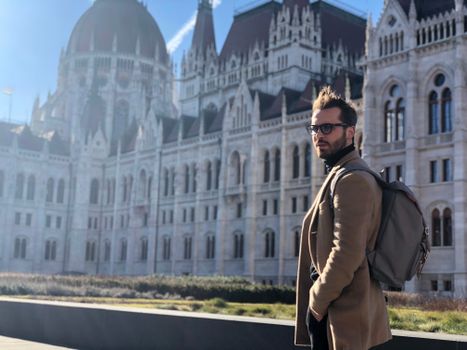
My first "aha!" moment happened in Budapest. I'd just arrived, a little jet-lagged and worried about my dwindling cash. Instead of hitting a fancy restaurant, I wandered into a local market. I bought fresh bread, some local cheese, incredible paprika sausage, and a bottle of wine – all for less than €7. I sat by the Danube, watching the city lights twinkle, and enjoyed the most delicious, satisfying meal. It wasn't about the cost; it was about the experience, the freshness, the connection to the place. That's when I knew: this wasn't just possible; it was better.
Actionable Advice:
* Embrace Local: Seek out local markets, street food vendors, and non-touristy cafes.
* Prioritize Experiences Over Possessions: A free hike with stunning views is often more memorable than a souvenir.
* Flexibility is Key: Be open to changing plans, trying new things, and going with the flow. Sometimes the cheapest option leads to the best adventure.
* Learn Basic Phrases: A simple "hello," "thank you," and "how much?" in the local language can open doors and sometimes get you better deals.
---
2. Smart Sleep: Mastering Budget Accommodation Without Sacrificing Comfort
Your biggest daily expense will likely be accommodation. But fear not, there are incredible ways to sleep soundly without bleeding your budget dry. Forget five-star hotels; we’re aiming for five-star experiences on a zero-star budget.
Hostels: Your Best Friend (Seriously!)
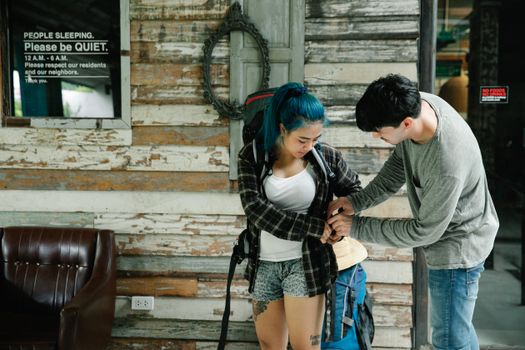
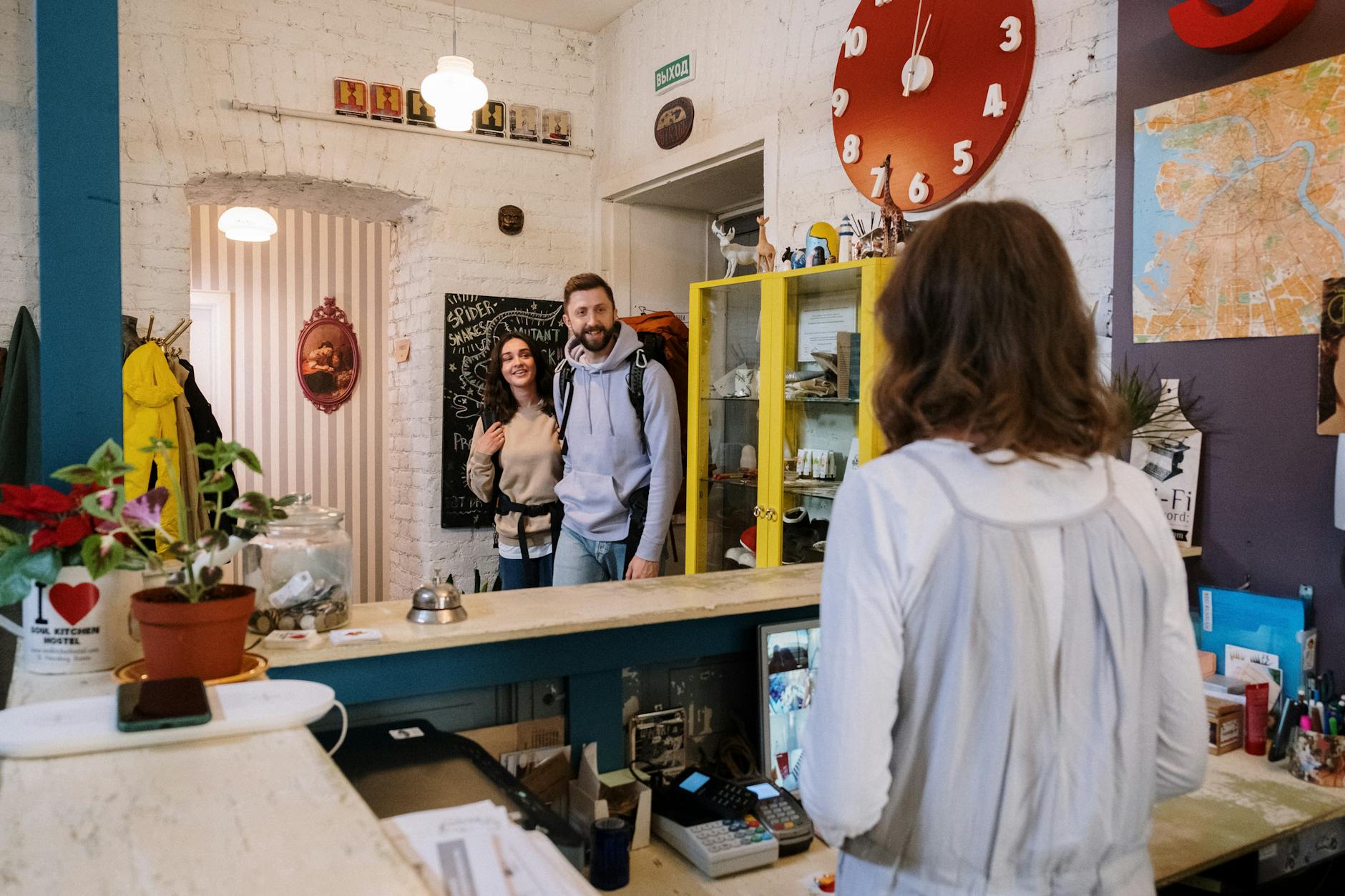
Gone are the days of dingy, unsafe hostels. Today’s hostels are vibrant social hubs, often offering clean dorms, private rooms, free Wi-Fi, communal kitchens, and even organized activities. I’ve stayed in hostels with rooftop bars, co-working spaces, and even free walking tours!
- How to Book: Use Hostelworld or Booking.com (filter by "hostel" and sort by price or rating). Always check reviews, especially for cleanliness, safety, and atmosphere.
- Prices: Expect to pay €10-25 per night in Eastern/Southern Europe (e.g., Lisbon, Krakow, Budapest, Belgrade) and €25-40+ in Western Europe (e.g., Berlin, Amsterdam, Rome).
- Pro Tip: Look for hostels that include free breakfast – it’s a massive saving! Many also have communal kitchens, allowing you to cook your own meals.
Beyond Hostels:
* Couchsurfing: My absolute favourite for authentic cultural immersion. You stay for free with locals, often gaining incredible insights into their city and culture. I’ve made lifelong friends through Couchsurfing, sharing meals and stories. Always read profiles carefully and communicate extensively beforehand. Safety is paramount, so trust your gut.
* Guesthouses/Pensions: In smaller towns or off-season, you can find charming family-run guesthouses that are cheaper than hotels and offer a more personal touch. Check Booking.com or local search engines.
* Wild Camping (Carefully!): In certain countries like Norway, Sweden, Finland, and Scotland, "Freedom to Roam" laws allow wild camping. Always research local regulations, leave no trace, and prioritize safety. This is for the truly adventurous and resourceful!
My Personal Anecdote:
I once stayed in a hostel in Lisbon for €15 a night, which included a free pastel de nata and coffee every morning, plus organized pub crawls. The common room was buzzing with travelers from around the world, and I ended up exploring the city with new friends, splitting the cost of dinner. It was far more enriching than any lonely hotel room.
---
3. Feast Like a Local: Eating Well for Pennies
Food is a huge part of travel, and it doesn't have to be a budget-buster. In fact, eating cheaply often means eating more authentically!
Supermarket Savvy:
* Your Kitchen Away From Home: If your hostel has a kitchen, use it! Buy groceries from local supermarkets like Lidl, Aldi, or local chains. You can make pasta, sandwiches, salads, or even simple stir-fries for a fraction of restaurant prices.
* Picnic Power: Grab some fresh bread, cheese, cured meats, olives, and fruit from a market or supermarket. Find a beautiful park or scenic spot and enjoy a gourmet picnic. This is one of my favorite ways to eat in Europe – it’s cheap, delicious, and the views are often priceless. I’ve picnicked under the Eiffel Tower (on the cheap side of the park!), by the canals of Amsterdam, and overlooking the Adriatic Sea in Croatia.
Street Food & Local Eateries:
* Embrace the Street: Europe has incredible street food scenes. Think würst in Germany, falafel in France, pierogi in Poland, ćevapi in the Balkans, or pastel de nata in Portugal. These are usually delicious, filling, and cost just a few euros.
* Lunch Deals: Many restaurants, especially in Southern Europe, offer "menu del día" or "plat du jour" – fixed-price lunch menus that are significantly cheaper than dinner.
* Avoid Tourist Traps: If a restaurant has English menus plastered outside and waiters trying to pull you in, chances are it's overpriced. Wander a few blocks away from major attractions for better value and more authentic fare.
* Free Breakfast: As mentioned, many hostels offer free breakfast. Load up on it!
My Personal Anecdote:
In Krakow, Poland, I lived off delicious pierogi (dumplings) from a local milk bar (bar mleczny) for about €3-4 a meal. It was hearty, authentic, and kept me fueled for hours of exploring. I also discovered amazing pastries from local bakeries for less than a euro. It felt like a culinary adventure, not a budget constraint.
---
4. Navigating Europe: Transport That Won't Break the Bank
Getting around Europe can be expensive if you stick to high-speed trains and flights. But with a little planning and flexibility, you can travel far and wide on a budget.
Buses: The Budget Backpacker's Best Friend:
* Flixbus, Omio, Eurolines: These companies offer extensive networks across Europe at incredibly low prices, especially if booked in advance. I've travelled from Berlin to Prague for €15 and from Budapest to Vienna for €10.
* Night Buses: Save on accommodation by taking overnight buses between cities. You sleep while you travel, arriving fresh (well, mostly!) at your next destination.
Trains (Strategically):
* Point-to-Point vs. Passes: While Eurail/Interrail passes can be good for extensive, multi-country trips, often individual bus tickets or even budget flights (see below) are cheaper for specific routes. Always compare.
* Regional Trains: For shorter distances, regional trains can be surprisingly affordable, especially in Eastern Europe.
Ride-Sharing:
* BlaBlaCar: This popular platform connects drivers with empty seats to passengers looking for a ride. It's often cheaper than buses, faster, and a great way to meet locals. I've had fantastic conversations and gotten invaluable local tips from BlaBlaCar drivers.
Walk, Walk, Walk!
* Your Feet Are Free: The best way to experience any European city is on foot. You discover hidden alleys, charming cafes, and local life you'd miss from a bus window. Wear comfortable shoes!
* Public Transport: For longer distances within cities, use local public transport (metros, trams, buses). Look for day passes or multi-ride tickets, which are usually cheaper than single fares. Avoid taxis unless absolutely necessary.
Budget Airlines (With Caution):
* Ryanair, Wizz Air, EasyJet: These airlines offer incredibly cheap flights between major European cities. However, be wary of hidden fees (checked bags, seat selection, printing boarding passes). Only travel with a small personal item to keep costs down. Often, the cost of getting to and from the airport can negate the flight saving.
My Personal Anecdote:
I once took a 10-hour night bus from Split, Croatia, to Budapest, Hungary. It cost me €30 and saved me a night of accommodation. While not the most luxurious sleep, waking up in a new city ready to explore felt like a huge win for my budget and my itinerary.
---
5. Free & Fabulous: Activities That Cost Nothing (But Give Everything)
You don't need to pay for every attraction to have an incredible time. Europe is packed with free experiences that are just as, if not more, rewarding than paid ones.
- Free Walking Tours: Many cities offer tip-based free walking tours. They're a fantastic way to get an overview of the city, learn its history, and get local recommendations. Remember to tip your guide well – they work hard!
- Parks and Gardens: Europe boasts stunning parks and gardens. Stroll through Berlin's Tiergarten, relax in Lisbon's Parque Eduardo VII, or wander the free sections of Barcelona's Park Güell. They're perfect for picnics, people-watching, and unwinding.
- Museum Free Days/Evenings: Many world-class museums offer free entry on specific days, evenings, or the first Sunday of the month. Do your research! (e.g., British Museum in London, Vatican Museums on the last Sunday).
- Window Shopping & People-Watching: Explore vibrant markets, charming old towns, and bustling squares. Soak in the atmosphere, admire the architecture, and simply watch the world go by. This is pure, unadulterated cultural immersion.
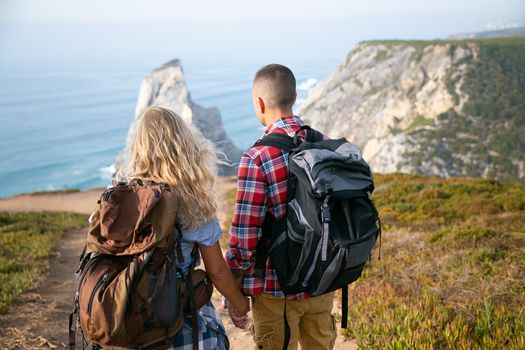
- Hiking & Nature: Europe's natural beauty is immense and often free to explore. Hike in the Julian Alps in Slovenia, explore the coastline of Portugal, or wander through the Black Forest in Germany.
- Churches & Cathedrals: Many magnificent churches and cathedrals are free to enter (though some may charge for specific sections or towers). Marvel at their architecture and history.
My Personal Anecdote:
I spent an entire afternoon in Rome simply wandering. I saw the Colosseum from the outside, threw a coin in the Trevi Fountain, admired the Pantheon, and explored charming alleyways, all without spending a single euro on entry fees. The sheer joy of discovery and the feeling of being immersed in history was priceless.
---
6. The "Secret Sauce" & Lesser-Known Gems: Where Your Money Goes Further
Want to truly stretch your $50 a day? Be strategic about where you go. While Paris, London, and Rome are iconic, they're also budget killers.
Embrace Eastern & Southern Europe:
This is where your budget truly shines. Countries like:
* Portugal: Lisbon and Porto offer incredible value, delicious food, and stunning sights.
* Poland: Krakow, Warsaw, and Gdansk are incredibly affordable, rich in history, and vibrant.
* Hungary: Budapest is famous for its thermal baths, ruin bars, and unbelievably low prices.
* Czech Republic: Prague is a fairytale city that's still relatively cheap compared to Western counterparts.
* The Balkans (Croatia, Serbia, Bosnia & Herzegovina, Montenegro, Albania): These countries offer breathtaking landscapes, fascinating history, and incredibly low costs for accommodation, food, and transport. I spent weeks in the Balkans, regularly coming in under $40 a day.
* Slovenia: A hidden gem with stunning mountains and lakes, still more affordable than its Western neighbors.
Travel Off-Season:
* Shoulder Seasons (April-May, September-October): You get pleasant weather, fewer crowds, and significantly lower prices for flights and accommodation.
* Winter (November-March): While colder, cities transform with festive markets and a cozy atmosphere. Prices hit rock bottom (excluding major holidays like Christmas/New Year).
Slow Travel:
* Stay Longer: The longer you stay in one place, the more you can save. You get better deals on accommodation, can cook more meals, and truly get to know a place without rushing between expensive transport options.
* Deep Dive: Instead of ticking off countries, choose a region or a few cities and truly immerse yourself.
My Personal Anecdote:
My trip through the Balkans was a revelation. In Sarajevo, Bosnia, I stayed in a beautiful hostel for €12, ate delicious ćevapi for €4, and took a free walking tour that deeply moved me. The natural beauty and history were immense, and my budget felt limitless. It proved that sometimes, the best experiences are found off the well-trodden path.
---
7. Budget Hacks & Mindset Magic: General Tips for Success
- Travel Insurance: This is non-negotiable. Even on a budget, an emergency can cost thousands. Get comprehensive travel insurance.
- Budget Tracking Apps: Use apps like "Trail Wallet" or a simple spreadsheet to track your spending daily. It keeps you accountable and aware.
- No Foreign Transaction Fees: Get a travel credit card or debit card that doesn't charge foreign transaction fees. These small fees add up quickly!
- Pack Light: Avoid checked bag fees on budget airlines. A small backpack is all you need. Plus, it makes navigating public transport and walking much easier.
- Water Bottle: Carry a reusable water bottle and fill it up. Saves money and reduces plastic waste.
- Student/Youth Discounts: If you're a student or under 26, always ask for discounts at museums, transport, and attractions. An ISIC card can be very useful.
- Learn to Haggle (Respectfully): In markets, a little polite haggling can sometimes save you a few euros.
- Embrace the Unexpected: Sometimes the best experiences come from getting lost, taking a wrong turn, or accepting an invitation from a local. Be open!
---
Conclusion: Your European Dream Awaits!
Traveling Europe for under $50 a day isn't a pipe dream; it's an achievable, deeply rewarding reality. It forces you to connect more authentically with the places you visit, to rely on your wits, and to appreciate the simple, profound joys of exploration. You'll eat incredible food, see breathtaking sights, meet fascinating people, and return home with a treasure trove of stories that money simply can't buy.
So, stop dreaming and start planning. Dust off that backpack, do your research, and get ready to prove everyone wrong. Europe is waiting, and it's far more accessible than you ever imagined.
What's your top budget travel tip for Europe? Share your wisdom in the comments below! Let's inspire each other to explore more for less.
---