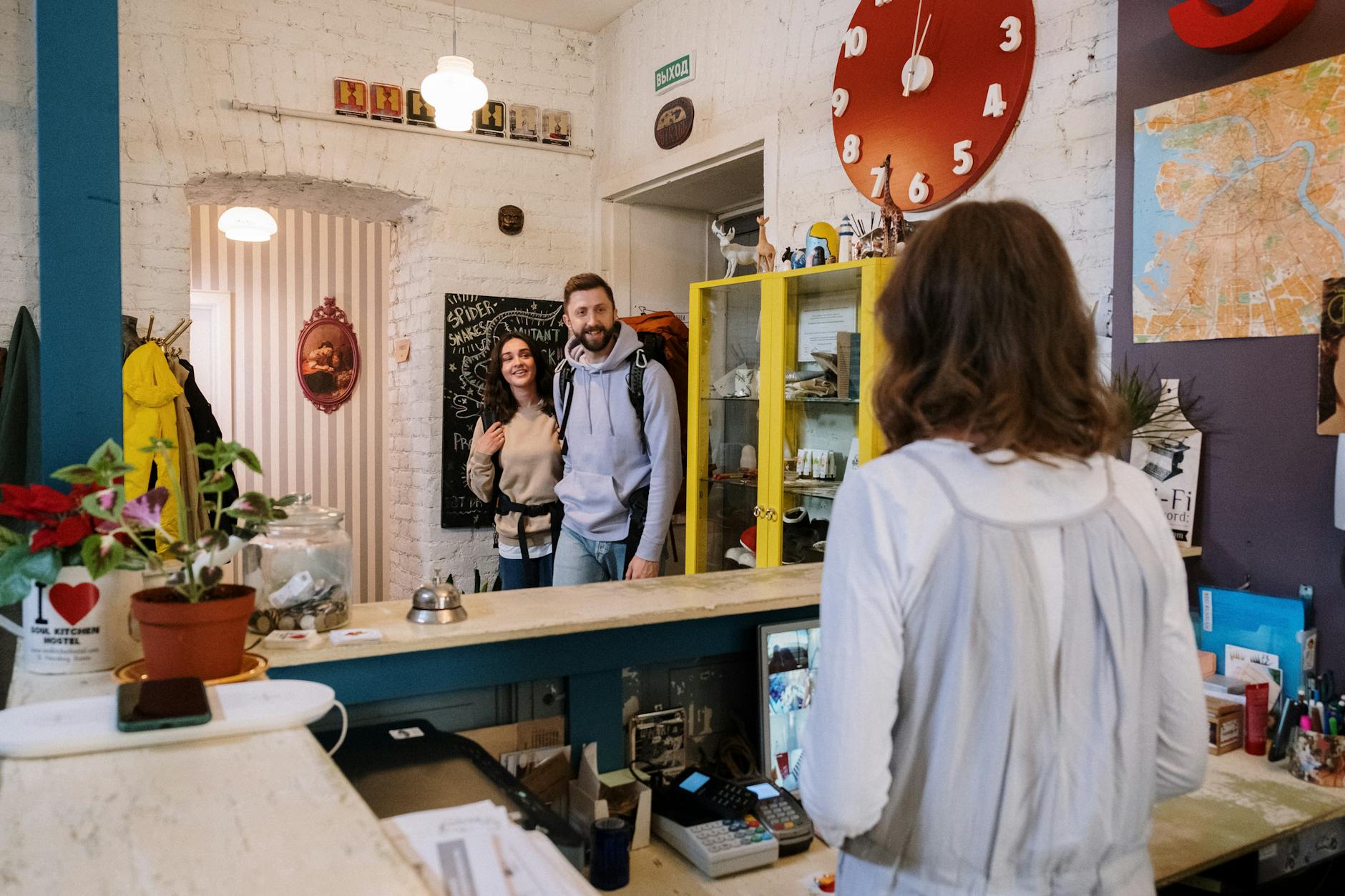
The smell of freshly baked burek wafted from a tiny bakery as I turned onto a sun-drenched cobblestone street in Sarajevo. My stomach rumbled in anticipation. I handed over 3 Bosnian Marks (about €1.50) for a generous, flaky, cheese-filled pastry – enough for breakfast and a mid-morning snack. My accommodation for the night, a charming hostel with a rooftop view of the city, cost me €12. The bus ticket that brought me here from Belgrade? A cool €20. Do the math: that day, I was well under my self-imposed $50 budget, and I was having the time of my life, immersed in a culture far richer and more welcoming than any glossy tourist brochure could ever capture.
For years, I believed the myth that Europe was an exclusive club for the wealthy. Postcard-perfect images of Parisian cafes and Roman ruins screamed "expensive," and my backpacker budget felt like a cruel joke. But then, armed with a healthy dose of skepticism and an insatiable wanderlust, I decided to challenge that notion. What I discovered wasn't just a way to travel Europe cheaply; it was a way to travel better. It was about shedding the tourist facade, diving deep into local life, and finding those magical, untouched spots that mainstream travel hasn't yet discovered. And let me tell you, it’s an adventure I wouldn't trade for a five-star resort.
This isn’t about sacrificing quality or comfort; it’s about smart choices, embracing authenticity, and unlocking incredible value. If you’re ready to ditch the overpriced tourist traps and experience the real heart of Europe, join me. Here’s how you can travel Europe for under $50 a day, before these secrets become mainstream.
---
The Art of the Affordable Bed: Beyond Hostels & Hotels
Accommodation is often the biggest budget killer, but it doesn't have to be. Forget the €100+ hotel rooms in major cities; there's a world of cheaper, more authentic options waiting.
My first secret weapon is Couchsurfing. Yes, truly free accommodation. I’ve had some of my most memorable travel experiences staying with locals through Couchsurfing. In Lisbon, I stayed with an artist who showed me hidden Fado clubs and cooked me incredible Portuguese food. In Krakow, my host gave me a personal history tour of the Jewish Quarter. Beyond saving money, it’s an unparalleled way to gain local insights and make genuine connections. Just remember to be a respectful guest and offer to cook a meal or help around the house.
If Couchsurfing isn't your jam, hostels are your next best friend, but with a caveat: look beyond the party hostels in the city center. Often, a hostel a few metro stops out will be significantly cheaper and offer a more local experience. For example, I found a fantastic, quiet hostel in Belgrade for €10 a night, complete with a fantastic common area and a delicious, cheap breakfast. In Porto, I snagged a bed in a charming guesthouse with private rooms for €18. Always check reviews for cleanliness and atmosphere, but don’t be afraid to venture slightly off the beaten path.
For longer stays, consider Workaway or HelpX. These platforms connect travelers with hosts who offer free accommodation (and often food) in exchange for a few hours of work each day. I spent two weeks helping out on an organic farm in rural Hungary, learning about sustainable living and exploring the surrounding countryside on my days off. It cost me nothing but my time and gave me a deeper understanding of Hungarian life.
Finally, off-season travel is a game-changer. Visiting popular destinations like Rome or Barcelona in November or February means drastically reduced accommodation prices and fewer crowds. You might need a warmer jacket, but the savings and authentic experience are worth it.
- Tripsora Tip: Always carry a travel towel and a padlock for hostel lockers. Consider an eye mask and earplugs for a good night's sleep in dorms.
---
Feasting Like a Local King (Without the Royal Bill)
Food is where many travelers blow their budget. Resist the allure of tourist-trap restaurants with English menus and inflated prices. Instead, eat like a local, and you'll eat better and cheaper.
My golden rule: supermarkets are your best friend. Every morning, I’d pop into a local supermarket (Lidl, Billa, Carrefour, etc.) and grab fresh bread, cheese, cured meats, fruit, and yogurt for a picnic lunch. This typically costs €3-€5 and provides multiple meals. You can also pick up ingredients to cook simple dinners at your hostel if it has a kitchen – pasta, rice, and fresh vegetables are cheap and satisfying.
Next, dive into local markets. In cities like Lisbon, Krakow, or Sarajevo, the markets are vibrant hubs of local life. Here, you can find incredibly fresh produce, local cheeses, olives, and often, incredible street food at rock-bottom prices. I still dream about the grilled sardines I had in a tiny market stall in Portugal for just €3, or the giant langos (fried bread with sour cream and cheese) in Budapest for €2. Markets are also fantastic for people-watching and soaking in the local atmosphere.
When you do eat out, look for 'plat du jour' (dish of the day) or lunch menus. Many restaurants, especially in France, Spain, and Italy, offer incredibly good value lunch specials that include a starter, main, and sometimes even a drink or dessert for a fraction of the dinner price. Always check for places where locals are eating – a good sign is a crowded spot with menus only in the local language.
And for the ultimate budget hack: water bottles. Invest in a reusable water bottle and refill it whenever possible. Many hostels have filtered water, and some cities even have public water fountains. This saves you a few euros a day, which quickly adds up.
- Tripsora Tip: Embrace local street food! From kebap in Turkey to trdelník in Prague, these delicious bites are cheap, filling, and a true taste of the culture.
---
Navigating Europe on Pennies: Smart Transportation Hacks
Getting around Europe can be expensive, especially if you rely on high-speed trains or last-minute flights. But with a bit of planning and flexibility, you can traverse the continent without draining your wallet.
Buses are your budget superpower.
Companies like Flixbus, RegioJet, and local operators offer extensive networks across Europe, often for a fraction of the cost of trains. My 10-hour overnight bus from Budapest to Krakow cost me €20, and while it wasn't luxurious, it got me there safely and saved me a night's accommodation. For shorter distances, local intercity buses are even cheaper.
Within cities, public transport is king. Invest in a day pass or a multi-journey ticket for trams, buses, and the metro. Walking, however, is your ultimate free transport. Not only does it cost nothing, but it’s also the best way to discover hidden alleyways, charming cafes, and unexpected street art. I often plan my days around walking between attractions, stopping for coffee or a picnic along the way. Many cities also offer free walking tours (tip your guide!), which are a fantastic way to get acquainted with a place and learn its history.
For those longer hauls, strategic flight booking can sometimes be cheaper than trains, especially with budget airlines like Ryanair, Wizz Air, or EasyJet. Use flight comparison sites like Skyscanner or Google Flights, but be aware of extra baggage fees. To keep costs down, travel with only a personal item or a small carry-on. My rule of thumb: if it doesn't fit in a backpack that's small enough to be a free personal item, I don't take it.
Finally, consider BlaBlaCar or other ride-sharing apps for intercity travel. You can find drivers heading to your destination and split the fuel costs, often for less than a bus ticket. It's also a great way to meet locals and practice your language skills.
- Tripsora Tip: Download offline maps (like Google Maps or Maps.me) before you arrive in a new city. This saves data and helps you navigate without getting lost.
---
Unearthing Hidden Gems: Destinations That Won't Break the Bank
While Paris and Rome are iconic, their popularity comes with a hefty price tag. To truly travel Europe for under $50 a day, you need to look east, south, and beyond the most famous capitals. These are the places where your money stretches further, and the experiences are often more authentic.
The Balkans
are my absolute favorite budget-friendly region.
* Albania: This country is an absolute revelation. Saranda offers stunning beaches along the Riviera, while Gjirokaster and Berat boast Ottoman-era architecture. I found delicious meals for €5 and guesthouses for €15-€20. The people are incredibly welcoming, and the landscapes are breathtaking.
* Bosnia & Herzegovina: Sarajevo is a city steeped in history, where East meets West. Enjoy incredible food (like the aforementioned burek and ćevapi) for just a few euros. Mostar, with its iconic Stari Most bridge, is equally charming and affordable.
* Serbia: Belgrade is a vibrant, energetic capital with a fantastic nightlife, impressive fortresses, and a very low cost of living. You can find excellent hostels for €10-€15 and eat well for under €10 a day.
* Montenegro & North Macedonia: The Bay of Kotor in Montenegro rivals Norwegian fjords for beauty, but without the price tag. Lake Ohrid in North Macedonia is a serene, ancient lake town that feels like stepping back in time.
The Baltic States
offer a fantastic blend of history, vibrant culture, and affordability, especially compared to Western Europe.
* Lithuania (Vilnius): Its Old Town is a UNESCO World Heritage site, packed with stunning architecture. Food and accommodation are very reasonably priced.
* Latvia (Riga): Famous for its Art Nouveau architecture and bustling markets.
* Estonia (Tallinn): A fairytale medieval city, slightly pricier than its Baltic neighbors but still great value.
Poland
consistently ranks as one of Europe's best budget destinations.
* Krakow: Rich in history, with a stunning Old Town and vibrant student life.
* Warsaw: A phoenix city, rebuilt after WWII, offering fascinating museums and a lively atmosphere.
* Gdansk: A beautiful port city with a rich maritime history.
Even in Western Europe, you can find pockets of affordability. Portugal, outside of peak season Lisbon and Porto, offers incredible value. Explore the Alentejo region, or smaller coastal towns for cheaper stays and delicious food. Similarly, look for smaller towns in Spain or Italy, avoiding the major tourist hubs.
- Tripsora Tip: These regions are not just cheap; they offer a more authentic, less commercialized travel experience. Engage with locals, learn a few phrases, and you'll be rewarded tenfold.
---
Free & Fabulous: Activities That Cost Nothing (or Next to Nothing)
You don’t need to spend a fortune on entrance fees to have incredible experiences. Europe is full of free wonders.
Wander and explore.
My absolute favorite activity is simply getting lost in a new city. Stroll through charming neighborhoods, discover hidden squares, admire street art, and soak in the atmosphere. This is how you find the unexpected gems – a tiny artisan shop, a beautiful park, a local musician playing on a corner.
Parks and nature.
Europe boasts stunning natural beauty. Pack a picnic and spend an afternoon in a city park (like Tiergarten in Berlin or Hyde Park in London, which are free to enter). Go hiking in the Julian Alps of Slovenia, explore the breathtaking Plitvice Lakes National Park in Croatia (entrance fee, but worth it), or relax on the beaches of the Albanian Riviera.
Free museums and galleries.
Many major cities offer free admission to national museums on certain days or evenings of the week. Do your research! Berlin's Reichstag Building offers free tours (book well in advance), and the East Side Gallery is an incredible outdoor art exhibition. In London, many world-class museums like the British Museum and National Gallery are always free.
Local festivals and events.
Check local city calendars for free concerts, markets, or cultural festivals. These are fantastic opportunities to immerse yourself in the local culture and have a truly unique experience. I stumbled upon a lively folk dance festival in a small town in Romania, and it was one of the highlights of my trip.
Photography.
Europe is a photographer’s dream, and capturing its beauty costs nothing but your time and creativity. From grand architecture to candid street scenes, there’s endless inspiration. Share your best shots on Instagram to inspire others!
- Tripsora Tip: Look up 'free things to do in [city name]' before you arrive. You'll be amazed at how many incredible experiences don't cost a cent.
---
The Mindset Shift: Slow Travel & Local Immersion
The biggest secret to traveling Europe for under $50 a day isn't just about finding cheaper options; it's about a fundamental shift in your travel philosophy.
Embrace slow travel.
Instead of rushing through five cities in five days, pick one or two regions and spend more time in each. This not only reduces your transportation costs but also allows you to truly immerse yourself in the local culture. You'll discover hidden cafes, make friends with locals, and get a deeper understanding of the destination. Plus, it's far less stressful!
Be flexible.
The best deals often come with flexibility. If you can travel during the shoulder seasons (spring or autumn) or off-peak days, you'll save significantly on flights and accommodation. Being open to changing your itinerary slightly for a better deal can pay off big time.
Learn a few local phrases.
Even a simple "hello," "thank you," and "please" in the local language can open doors and warm hearts. Locals appreciate the effort, and it often leads to more authentic interactions and even better service. I've been offered free coffee and discounts just for attempting to speak the local tongue.
Travel insurance is non-negotiable.
While this post is about saving money, some expenses are worth it. Budget-friendly travel insurance can save you from financial disaster if something goes wrong. Shop around for reputable providers.
This isn't just a budget trip; it's an adventure in authenticity. It’s about the joy of discovery, the thrill of connecting with locals, and the satisfaction of proving that incredible experiences don’t require an unlimited budget. It’s about seeing Europe not as a collection of tourist attractions, but as a living, breathing continent waiting to be explored by those willing to look a little deeper.
---
Conclusion: Your European Adventure Awaits!
I remember sitting on a ferry in Montenegro, the dramatic mountains plunging into the turquoise waters of the Bay of Kotor, thinking: This is what travel is all about. Not the luxury, not the perfectly curated experiences, but the raw, unfiltered beauty of the world and the genuine connections you make along the way. And I did it all for less than the cost of a fancy dinner back home.
Traveling Europe for under $50 a day isn't just possible; it's an enriching, transformative experience that will connect you with the continent's true spirit. It's about stepping out of your comfort zone, embracing serendipity, and discovering the magic before everyone else catches on. The hidden gems, the warm smiles of strangers, the flavors of local markets – these are the memories that will last a lifetime, far more valuable than any expensive souvenir.
So, what are you waiting for? Start planning your own incredible, budget-friendly European adventure. The continent is vast, vibrant, and more accessible than you think. Go forth, explore, and share your own discoveries!
What's your best budget Europe travel hack or hidden gem? Share it in the comments below – let's inspire each other!
---