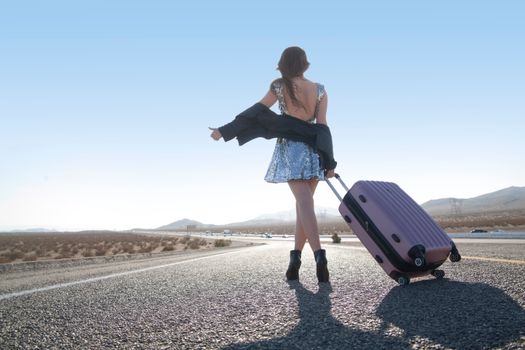
The quiet power of travelling alone
Travelling with other people is wonderful, but it also means compromises, shared decisions and someone to rely on. When you travel alone, every decision is yours: where to eat, when to leave, which museum to visit, whether to take a detour. Every problem is yours, too, and so is every small victory.
That combination is why so many people describe solo travel as a confidence-builder. The skills you use, such as navigating an unfamiliar place, solving small problems and starting conversations with strangers, are skills that carry over into everyday life. This guide explores why solo travel can build confidence, what to expect, and how to get the most from the experience.
Why solo travel helps
You make all the decisions
At home, our routines and relationships shape many choices. On a solo trip, you decide everything. This can feel daunting at first, but it teaches you to trust your own judgment and preferences. You may discover that you like different things from those you assumed.
You solve small problems
A missed bus, a confusing menu, a closed attraction. Each is a small problem, and each is an opportunity to find a solution. Over days, you realise that you can handle uncertainty, and that most problems are fixable.
You step outside your comfort zone
Starting a conversation in a hostel, asking for directions in another language or trying an unfamiliar dish all stretch you slightly. Repeated small stretches expand your comfort zone over time.
You spend time with yourself
Time alone can be uncomfortable, but it also lets you reflect. Many people use solo trips to think about their lives, their goals and what matters to them.
You meet people on your own terms
Solo travellers often meet others more easily, because they are open to conversation and have no group to lean on. You can choose how much company you want, and for how long.
What to expect
Be realistic. A solo trip is not a straight line to confidence. You may feel excited, anxious, lonely, proud and tired, sometimes in the same afternoon. That is normal.
Early days can be the hardest, as you adjust to the new place and the absence of familiar support. Many travellers report that confidence builds noticeably after the first few days, once routines emerge.
How to design a trip that builds confidence
Choose a challenge that is just right
The best level of difficulty is slightly beyond your comfort zone, but not overwhelming. If you have never travelled alone, a week in a city with good transport and many visitors is a good start. If you have some experience, you might try a more remote region or a longer trip.
Set small, achievable goals
Goals give structure and a sense of accomplishment. Examples include:
- Eat at a local restaurant alone on the first night.
- Navigate public transport without help.
- Strike up a conversation with someone new.
- Try one thing you have never done, such as a cooking class or a hike.
- Learn ten words in the local language.
Check them off as you go.
Do something that requires interaction
Book a walking tour, a class or a group activity, so that you have a natural reason to meet people. Shared experiences create easy conversation.
Build in rest
Do not fill every hour. Allow time for slow mornings, cafes and wandering. Rest helps you cope with the mental load of constant decision-making.
Keep a journal
Writing down what you did, how you felt and what you learned helps you notice your progress. Reading it later can remind you of your achievements.
Handling the hard moments
Hard moments are part of the process, and how you handle them is where confidence grows.
- Loneliness: Call a friend, join an activity or visit a lively place.
- Anxiety: Slow down, breathe and break the problem into steps.
- Mistakes: Treat them as learning. Most are minor and make good stories.
- Fatigue: Rest, eat and drink water. Your decisions will improve.
If something feels unsafe, trust your instincts and remove yourself from the situation.
Practical tips for solo travellers
- Share your plans with someone you trust.
- Keep your documents and money safe.
- Learn basic local customs.
- Use trusted transport and accommodation.
- Stay connected, with a local SIM or eSIM.
- Keep a flexible schedule.
- Carry a small emergency fund.
Ideas for confidence-building solo trips
- A city break with a mix of sights and a class, such as cooking in Lisbon, ceramics in Kyoto or photography in Copenhagen.
- A walking trip on a well-marked trail, such as sections of the Camino de Santiago, the Cotswold Way or the Kumano Kodo. These are social and safe in most seasons.
- A volunteering trip with a reputable organisation, where you work towards a shared goal.
- A retreat or workshop on a topic you enjoy.
- A stay with a host family or in a homestay to learn about daily life.
Bring the confidence home
The skills you learn on a solo trip can transfer to daily life. Afterwards, try to apply them.
- Make decisions without seeking approval for small things.
- Start conversations in situations you would normally avoid.
- Try new activities in your own city.
- Plan another trip, perhaps a little more ambitious.
Remind yourself of what you achieved when you doubt yourself. You navigated a new place, solved problems and enjoyed your own company.
Common questions
Do I have to be brave to travel alone?
No. Many solo travellers are nervous. Courage means doing something despite fear, and that is exactly what solo travel involves.
How long should my first solo trip be?
A few days to a week is enough to experience the benefits without becoming overwhelmed.
What if I do not enjoy it?
That is fine. You will still have learned something about yourself, and you can try a different style of trip.
Is solo travel suitable for everyone?
It suits many people, but not all. Consider your health, safety needs and preferences. Some people prefer to travel with others, and that is equally valid.
Summary
Solo travel gives you practice at making decisions, solving problems and relying on yourself. Choose a trip that stretches you gently, set small goals, build in rest and connection, and reflect on what you learn. The confidence you gain often lasts long after the trip ends. Always check current travel advice and local conditions before you go.