The sun dipped below the horizon in El Nido, painting the sky in fiery oranges and purples, a scene so breathtaking it felt Photoshopped. I was surrounded by towering limestone karsts, turquoise waters, and the gentle lapping of waves against our boat. It was paradise, pure and unadulterated. And then, as our boat driver cut the engine near a small cove, I saw it: a plastic bottle bobbing lazily in the otherwise pristine water. Just one, but it was enough.
That single bottle shattered my blissful reverie, bringing a pang of guilt that many of us travelers know all too well. We chase beauty, adventure, and connection, but sometimes, the very act of chasing leaves an unintended mark. Flights, long bus rides, single-use plastics, energy consumption – it all adds up. I’ve always tried to be a conscious traveler, but that moment in El Nido hit different. It made me wonder: could I do more? Could I truly offset my footprint, not just with a quick carbon credit purchase, but with genuine, free, and impactful actions that felt integrated into my journey?
The answer, I discovered, is a resounding YES. And the best part? Many of these methods are still under the radar, allowing you to be a pioneer in a new era of responsible travel. Forget mainstream carbon offsetting schemes for a moment. This is about grassroots, authentic, and often deeply personal ways to give back to the planet and the communities you visit, without spending a single extra dime. This is about making your travel a force for good, not just for yourself, but for the world. Ready to dive in?
1. The Pre-Trip Power-Up: Mastering Minimalist, Mindful Packing
Let’s be real: your journey to offsetting your footprint starts long before you even board that plane. It begins with your packing list. The heavier your luggage, the more fuel the plane, bus, or car consumes. It’s simple physics with a significant environmental impact.
My "Aha!" Moment:
I used to be an infamous overpacker. "Just in case" was my mantra. My first backpacking trip to Southeast Asia saw me lugging a monstrous 70L pack, filled with clothes I never wore and gadgets I rarely used. I was exhausted, stressed, and frankly, a walking billboard for unnecessary consumption. That changed after a particularly grueling hike up a volcano in Indonesia, where every extra ounce felt like a ton. I vowed then and there to become a minimalist.
Actionable Hacks for Free Offsetting:
- Pack Light, Fly Right: Aim for carry-on only if possible. Not only does it save you baggage fees (hello, free money!), but it significantly reduces the overall weight your transport needs to carry. Every kilo counts!
- The Reusable Revolution: This is non-negotiable. A reusable water bottle, a collapsible coffee cup, a spork/cutlery set, and a lightweight shopping bag. These items take up minimal space but prevent countless single-use plastics from entering landfills and oceans. I once tracked how many plastic bottles I didn't buy on a two-month trip through South America – the number was staggering, and it cost me nothing but a little foresight.
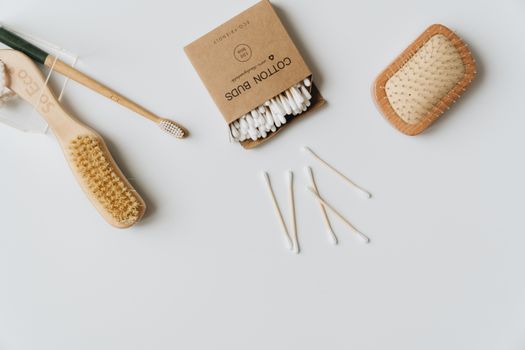
- Solid Toiletries are Your Friend: Ditch the bulky plastic shampoo, conditioner, and soap bottles. Opt for solid bars! They last longer, take up less space, and produce zero plastic waste. Plus, no liquid limits at airport security!
- Digitalize Everything: Tickets, booking confirmations, maps, guidebooks – load them all onto your phone. Save paper, save trees, save the planet.
Instagram-Worthy Tip:
Snap a flat lay of your minimalist packing essentials! Use the hashtag #TripsoraEcoHacks and inspire others to pack smarter. Show off your sleek reusable water bottle and solid shampoo bars!
2. On the Ground, In the Green: Everyday Choices That Echo
Once you're at your destination, the real magic of free offsetting begins with your daily choices. These aren't grand gestures; they're small, consistent habits that collectively create a massive positive impact.
My Personal Journey:
I remember being in Lisbon, Portugal, marveling at the intricate tilework and vibrant street art. Instead of hopping on a tuk-tuk or Uber, I decided to walk everywhere. Not only did I save money and reduce my carbon footprint, but I stumbled upon hidden Fado clubs, tiny bakeries with the most incredible pastéis de nata, and local artists I never would have seen from a vehicle. It transformed my understanding of the city.
Actionable Hacks for Free Offsetting:
- Embrace Slow Travel & Local Transport: Walk, cycle, or use public transportation (buses, trains, subways). It's often cheaper, more authentic, and drastically reduces your emissions. Plus, you get to experience the destination like a local, not just a tourist.
- Eat Local, Eat Seasonal: Seek out local markets and eateries. Food that travels fewer miles has a smaller carbon footprint. Plus, you’ll discover incredible flavors and support local farmers and businesses directly. Ask your hostel or guesthouse owner for recommendations – they always know the best spots.
- Say NO to Single-Use Plastics (Again!): This deserves its own point because it's that important. Refuse plastic straws, plastic bags, and disposable cutlery. Politely explain why if you feel comfortable. Many vendors, especially in eco-conscious areas, are starting to understand.
- Conserve Energy & Water: Treat your accommodation like your own home. Turn off lights and AC when you leave, take shorter showers, and reuse towels. These small acts collectively reduce resource consumption.
- Support Local Artisans & Businesses: Instead of buying mass-produced souvenirs, seek out local craftspeople. Your money directly supports their livelihoods and often encourages traditional, sustainable practices. Plus, you get a unique, authentic souvenir with a story.
Instagram-Worthy Tip:
Share a photo of your local market haul or a beautiful street you explored on foot. Tag the local business if you can! #TripsoraGreenChoices #LocalLove
3. Beyond the Tourist Trail: Active Engagement & Community Support
This is where "free offsetting" truly shines and goes "before mainstream." It's about giving your time, your energy, and your presence to make a tangible difference in the places you visit.
My Unforgettable Experience:
While island hopping in the Philippines, I noticed a small sign at our guesthouse in Coron advertising a local beach cleanup. It wasn't organized by a big NGO, just a few passionate locals and travelers. I spent a morning combing the beach, picking up plastic debris alongside new friends. It was dirty, sweaty work, but incredibly rewarding. I wasn't just seeing the problem; I was actively being part of the solution. That feeling of direct contribution was far more impactful than any carbon credit purchase.
Actionable Hacks for Free Offsetting:
- Join Local Clean-ups: Ask your hostel, guesthouse, or local tourism office if there are any community clean-up initiatives (beaches, parks, trails). Many small towns or eco-lodges have informal groups. A quick search on local Facebook groups can also yield results. Your free labor is invaluable!
- Offer Your Skills: Do you have a skill that could benefit a local community? Maybe you're good at English and can offer an hour of conversational practice at a school, or you have web design skills that could help a small eco-tourism startup. Always ensure it's truly helpful and not exploitative – ask first!
- Support Conservation Efforts (with your presence): Visit national parks, wildlife sanctuaries, or community-run eco-projects. While some might have an entrance fee (which goes directly to conservation), others might simply benefit from your presence and positive word-of-mouth. Engage with the rangers, learn about their work, and share their mission.
- Document & Share Responsibly: If you encounter an environmental issue (e.g., pollution, unsustainable practices), document it respectfully and share it with local authorities or relevant NGOs. Use your platform (social media) to raise awareness, but always prioritize local sensitivity and safety.
Instagram-Worthy Tip:
Post a photo of yourself participating in a clean-up, looking sweaty but proud! Or a candid shot of you interacting with locals. Use #TripsoraActiveOffset #CommunityImpact.
4. The Power of Your Voice: Becoming an Eco-Travel Advocate
Your journey doesn't end when you leave a destination. Your experiences and insights can inspire others, amplifying your impact far beyond your personal actions. This is a powerful, free form of "digital offsetting."
My Viral Moment (Sort Of):
After my epiphany in El Nido, I started consciously sharing my reusable travel kit and tips on my Instagram stories. I wasn't an influencer, just a regular traveler. But the messages started pouring in: "Where did you get that water bottle?" "What's a solid shampoo bar?" "You inspired me to try this!" It showed me that even small voices can create ripples.
Actionable Hacks for Free Offsetting:
- Share Your Sustainable Swaps: Post photos and videos of your reusable water bottle, coffee cup, shopping bag, and solid toiletries. Explain why you use them and how easy it is. Make it aspirational, not preachy.
- Highlight Eco-Friendly Businesses: Did you stay at an amazing eco-lodge? Eat at a restaurant that sources locally? Take a tour with a company committed to conservation? Shout them out on social media, leave positive reviews on Google and TripAdvisor. Your endorsement is free marketing and encourages others to support them.
- Engage in Conscious Conversations: Talk to fellow travelers, hostel owners, and even locals about sustainable practices. Share your tips and listen to theirs. A simple conversation can plant a seed of awareness.
- Politely Educate: If you're offered a plastic straw or bag, politely decline and explain you're trying to reduce plastic waste. A gentle explanation is more effective than an angry rant. Many people simply haven't thought about the alternatives.
Instagram-Worthy Tip:
Create a "What's in my eco-travel bag?" reel or story. Show off your zero-waste essentials and explain their benefits. Tag #TripsoraVoiceForChange #EcoAdvocate.
5. Skill-Swapping & Slow Travel: Deepening Your Connection, Lightening Your Load
This category is perhaps the ultimate "before mainstream" method, offering deeply immersive experiences that inherently reduce your footprint while enriching your journey. It's about trading your time and skills for accommodation and food, fostering a deeper connection to the place.
My WWOOFing Adventure:
I spent three weeks WWOOFing (Worldwide Opportunities on Organic Farms) on a small olive farm in Tuscany, Italy. My days involved pruning olive trees, tending to a vegetable garden, and helping prepare meals using fresh, local ingredients. In exchange, I received free accommodation and delicious food. I wasn't just visiting Italy; I was living Italy. My carbon footprint was minimal – no flights for weeks, no hotels, no excessive dining out. I learned about sustainable farming, ate the freshest food of my life, and became part of a family. It was transformative and cost me nothing beyond my initial flight there.
Actionable Hacks for Free Offsetting:
- WWOOFing & HelpX: These platforms connect travelers with hosts (farms, hostels, families, NGOs) who offer free accommodation and often food in exchange for a few hours of work a day. It's an incredible way to live like a local, learn new skills, and significantly reduce your travel expenses and environmental impact.
- House-Sitting: Offer to care for someone's home and pets while they're away. You get free accommodation in a local neighborhood, often for weeks or months, and the homeowner gets peace of mind. Websites like TrustedHousesitters or HouseCarers connect sitters with homeowners. This drastically cuts down on your accommodation footprint and costs.
- Embrace Slow Travel: Instead of rushing from city to city, pick a region and explore it deeply. Spend weeks in one area, using local transport, walking, and cycling. Fewer flights mean a smaller footprint. You’ll gain a richer understanding of the culture and environment.
- Volunteer for Long-Term Projects: If you have more time, look for longer-term volunteer opportunities (e.g., conservation, teaching, community development). Many organizations offer free room and board in exchange for a significant time commitment.
Instagram-Worthy Tip:
Share a photo of yourself actively working on a farm, caring for a pet while house-sitting, or a stunning landscape from a long train journey. Use #TripsoraSlowTravel #SkillSwapAdventures.
6. The "Before Mainstream" Mindset: Innovating Your Impact
This final section is about encouraging creative, forward-thinking approaches. It's about looking for unique opportunities to contribute that haven't been formalized into programs or popular trends yet. It's about being an eco-innovator.
My Unexpected Discovery:
While trekking in Patagonia, I met a local conservationist who was informally collecting seeds from native plants to reintroduce them to areas affected by past wildfires. He wasn't part of a big organization; it was his passion project. I spent an afternoon learning about native flora and helping him identify and carefully collect seeds. It was a tiny, almost invisible act, but it felt incredibly profound – a direct contribution to restoring the natural ecosystem. This isn't something you'd find advertised, but it's an example of how seeking out local passions can lead to unique offsetting opportunities.
Actionable Hacks for Free Offsetting:
- Informal Seed Collection/Dispersal (with caution!): If you're in a natural area and understand local ecology, you might find opportunities to help with seed collection or dispersal of native species. ALWAYS ensure you have local knowledge or guidance to avoid introducing invasive species or damaging ecosystems. This is truly "before mainstream" and requires research and respect.
- Support Unheard-Of Local Initiatives: Talk to locals. You might discover a small, family-run initiative trying to protect a local species, clean a specific river, or promote traditional eco-friendly crafts. Your enthusiasm, a few hours of help, or simply sharing their story can be incredibly valuable.
- Knowledge Exchange & Cultural Preservation: Learn about traditional, sustainable practices from indigenous communities or local farmers. Share your own knowledge respectfully if asked. By valuing and helping preserve these practices, you're contributing to a sustainable future.
- "Trash Tag" Challenge (Spontaneous Clean-up): See a particularly littered spot? Take a "before" photo, clean it up, and take an "after" photo. Post it with #TrashTag and inspire others to do the same. It’s a simple, free, and highly visible way to make an immediate impact.
Instagram-Worthy Tip:
Share a "before & after" #TrashTag post, or a photo of you learning a traditional skill from a local. Use #TripsoraEcoInnovator #BeyondTheGuidebook.
The Journey Continues: Your Footprint, Your Legacy
The truth is, travel will always have an impact. But that doesn't mean we should stop exploring. Instead, it means we must travel smarter, kinder, and more consciously. These free, "before mainstream" methods aren't just about offsetting; they're about enriching your travel experience, fostering deeper connections, and becoming a more responsible global citizen.
That plastic bottle in El Nido was a wake-up call, but it also became a catalyst for change. Now, every trip I take is an opportunity to not just see the world, but to actively contribute to its well-being. It’s about leaving places better than I found them, one mindful step, one conversation, one shared story at a time.
What's your favorite free eco-hack? Have you discovered a unique way to give back while traveling? Share your stories in the comments below! Let's inspire each other to make our adventures count.
---