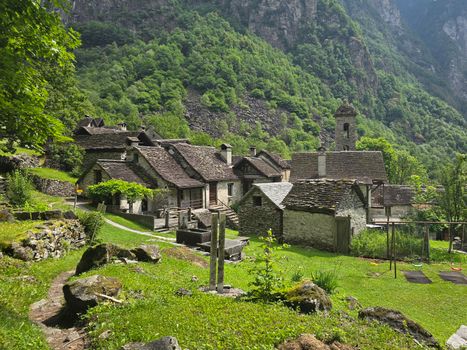
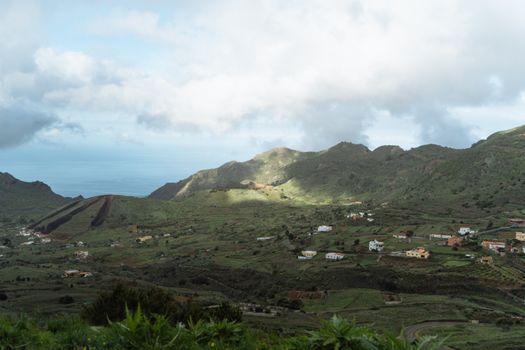
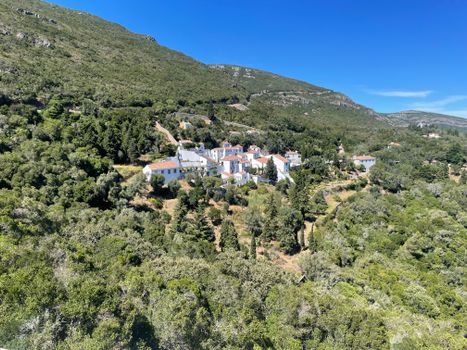
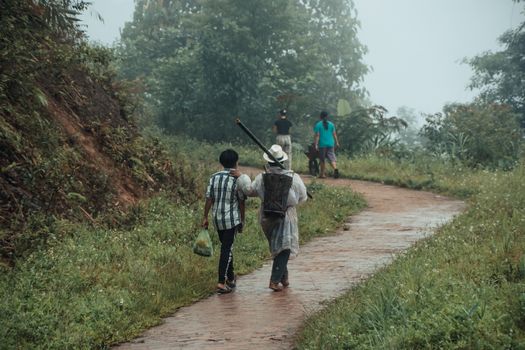
The crisp morning air bit at my cheeks as I crested the final ridge. Below, nestled in a valley carved by time and tradition, lay Ghandruk. Terraced fields cascaded down like green staircases, traditional Gurung homes with their slate roofs clung to the hillside, and in the distance, the colossal peaks of Annapurna South and Machapuchare pierced the cerulean sky. The only sound was the distant chime of a prayer flag and the rhythmic thud of my own heart. I’d walked for days to get here, past rhododendron forests and roaring rivers, and in that moment, the world felt infinitely vast and intimately mine.
This, my friends, is the magic of hiking to hidden villages. It’s not just about the physical challenge or the stunning scenery (though there's plenty of that). It’s about the journey to places untouched by mass tourism, where time seems to slow, and genuine human connection flourishes. It's about earning your view, your meal, your story. It’s about stepping into a postcard, a legend, a way of life that demands your full presence.
We live in a world obsessed with convenience, but some of the greatest treasures remain stubbornly inconvenient to reach. And that, I promise you, is precisely why they’re so special. If you're tired of crowded landmarks and yearn for an adventure that carves itself into your soul, then lace up your boots. Here are six epic hiking trails leading to hidden villages you absolutely need to experience before you die.
Why Hike to Hidden Villages? The Call of the Untouched
Why bother with the sweat, the sore muscles, the occasional discomfort? Because the reward is immeasurable. In an age where every corner of the globe seems Instagrammed into oblivion, these villages offer a rare glimpse into authentic cultures, preserved traditions, and landscapes that take your breath away without a filter.
You’ll swap Wi-Fi for wilderness, digital noise for the symphony of nature. You’ll meet locals whose hospitality is genuine, not transactional. You’ll eat food prepared with age-old recipes, sleep under skies ablaze with stars, and wake up to a world that feels both ancient and utterly new. This isn't just travel; it's a pilgrimage, a detox, and a profound rediscovery of what truly matters. It's about earning a story that no cruise ship or resort can ever deliver.
1. Ghandruk, Nepal: Heart of the Annapurna Foothills
My first true taste of a hidden village accessible by foot was Ghandruk, and it set the bar impossibly high. Located in the Annapurna Conservation Area, this Gurung village is a living museum, nestled amidst terraced fields with panoramic views of some of the world's highest peaks.
My Anecdote:
I remember arriving late one afternoon, utterly exhausted but buzzing with adrenaline. The sun was dipping, casting a golden glow over the stone houses. A local woman, her face etched with wisdom, offered me a cup of chiya (milk tea) as I watched her grandkid chase a chicken. There was no fuss, no tourist trap; just genuine warmth and a spectacular backdrop. Later, sharing a simple dal bhat (lentil soup and rice) with my guide and porter, I felt a sense of peace that city life rarely affords. The stars that night were so bright, they felt like glitter scattered across black velvet.
The Hike:
The trek to Ghandruk is often part of the shorter Annapurna Base Camp (ABC) or Annapurna Circuit treks, but can also be done as a standalone 3-5 day journey from Pokhara. You'll typically start from Nayapul or Dhampus Phedi. The trail winds through lush rhododendron forests, past roaring rivers, and over suspension bridges, climbing steadily. It's a moderate trek, suitable for most fitness levels, but expect plenty of stone steps!
Practical Details:
* Location: Annapurna Conservation Area, Nepal.
* Best Time to Visit: Spring (March-May) for rhododendrons and clear skies; Autumn (Sept-Nov) for stable weather and best mountain views.
* Duration: 3-5 days (round trip from Pokhara, depending on starting point and pace).
* Difficulty: Moderate.
* Cost: Trekking permits (ACAP & TIMS) around $40-50. A guide/porter costs roughly $25-30/day. Teahouse accommodation is basic but affordable, around $5-10/night (often free if you eat meals there). Food is cheap, expect to spend $20-30/day on meals.
* Instagram-Worthy: Gurung architecture, terraced fields, panoramic views of Annapurna South, Machapuchare, and Hiunchuli, vibrant local life.
Tips:
Hire a local guide for cultural insights and safety. Pack layers – temperatures can vary wildly. Carry enough Nepali Rupees. Be prepared for basic facilities; embrace it!
2. Aroumd, Morocco: Berber Life Beneath Toubkal's Shadow
Deep in the High Atlas Mountains of Morocco, just a stone's throw from North Africa's highest peak, Toubkal, lies Aroumd. This traditional Berber village, perched dramatically on a hillside, offers a profound cultural immersion amidst a rugged, breathtaking landscape.
My Anecdote:
After a winding drive from Marrakech to Imlil, the real journey began. I opted for a mule to carry my heavy pack up the steep, rocky path to Aroumd. The air was cool and crisp, carrying the scent of juniper and woodsmoke. As I walked, local children with infectious smiles greeted me with "Salam alaikum!" Reaching Aroumd, with its ancient mud-brick houses clinging to the slopes and the sound of the call to prayer echoing through the valley, felt like stepping back centuries. That evening, sharing tagine with a Berber family in their humble home, sipping copious amounts of sweet mint tea, was a highlight. Their hospitality was boundless, their stories captivating.
The Hike:
The trek to Aroumd typically starts from Imlil, the trekking hub of the High Atlas. It’s a relatively short but steep hike (1-2 hours) along a well-defined path, often shared with mules and local villagers. Many use Aroumd as a base to acclimatize or prepare for the ascent of Mount Toubkal, but the village itself is a destination worth the trek.
Practical Details:
* Location: High Atlas Mountains, Morocco, near Imlil.
* Best Time to Visit: Spring (April-May) and Autumn (Sept-Oct) for pleasant temperatures. Winter (Dec-Feb) is cold and can bring snow, making some trails challenging. Summer (June-Aug) is hot but manageable at altitude.
* Duration: 1-2 hours from Imlil, or longer if you combine it with other hikes in the valley.
* Difficulty: Moderate (due to steepness).
* Cost: Shared taxi from Marrakech to Imlil (approx. 2 hours) is around 70-100 MAD (€7-10) per person. Guesthouses (gîtes) in Aroumd are around 150-300 MAD (€15-30) per night, often including dinner and breakfast. Mule hire for bags is negotiable, around 100-150 MAD (€10-15).
* Instagram-Worthy: Mud-brick villages against dramatic mountain backdrops, lush green valleys, traditional Berber life, views of Toubkal.
Tips:
Dress respectfully, especially when visiting homes. Carry small gifts for children (pens, notebooks, not candy). Hydrate constantly. Consider hiring a local guide, even for shorter treks, for cultural insights and to support the local economy.
3. Bulnes, Spain: A Picos de Europa Secret
Imagine a village with no roads, no cars, and until recently, no easy way in or out except by foot. Welcome to Bulnes, a tiny, picturesque hamlet nestled deep within the rugged Picos de Europa National Park in Asturias, Northern Spain. It's a place where time truly stands still.
My Anecdote:
I decided to forgo the modern funicular and hike the ancient path to Bulnes. The trail, snaking through a narrow gorge, felt like a journey into a forgotten world. The air was thick with the scent of damp earth and pine. After about an hour and a half of steady climbing, the valley opened up, revealing Bulnes – a cluster of stone houses, a tiny chapel, and a handful of hardy locals. I remember sitting at a rustic tavern, savoring a hearty bowl of fabada (Asturian bean stew) and a glass of local cider, watching the clouds drift past the towering peaks. The silence was profound, broken only by the distant tinkling of cowbells. It was pure, unadulterated peace.
The Hike:
The traditional path to Bulnes starts from Poncebos. It's a challenging but incredibly rewarding hike, following the Río Bulnes gorge. The path is well-marked but steep and rocky in places, gaining significant elevation. For those less inclined to a strenuous ascent, a modern funicular (operating since 2001) now connects Poncebos to Bulnes, offering stunning views without the sweat. But trust me, the hike is the real experience.
Practical Details:
* Location: Picos de Europa National Park, Asturias, Spain.
* Best Time to Visit: Late Spring (May-June) and early Autumn (Sept-Oct) offer the best weather for hiking. Summer (July-August) can be warm but is popular. Winter can bring snow, making some trails impassable.
* Duration: 1.5 - 2 hours (one way) from Poncebos.
* Difficulty: Moderate to challenging (due to steepness and rocky terrain).
* Cost: The hike is free. The funicular costs around €22 for a round trip. Accommodation in Bulnes is limited but charming, expect to pay €50-80 for a guesthouse. Food is typical Asturian fare, hearty and delicious.
* Instagram-Worthy: Dramatic limestone peaks, traditional stone architecture, lush green valleys, the iconic Naranjo de Bulnes (Pic of Urriellu) visible from the village.
Tips:
Wear sturdy hiking boots. Bring layers, as mountain weather can change quickly. Try the local sidra (cider), poured traditionally from a height. Book accommodation in advance, especially during peak season.
4. Papingo, Greece: Stone Gems of Zagori
In the heart of the Zagori region of Epirus, Greece, lie the twin villages of Mikro Papingo and Megalo Papingo. These ancient stone settlements, nestled beneath the towering peak of Mount Gamila and overlooking the dramatic Vikos Gorge, are a testament to traditional Epirote architecture and a paradise for hikers.
My Anecdote:
My journey to Papingo began with crossing one of the famous 18th-century stone arch bridges that dot the region – a single arch gracefully spanning a rushing river. The drive itself was breathtaking, but arriving in Papingo felt like stepping into a fairytale. The stone mansions, built with incredible craftsmanship, seemed to grow organically from the landscape. I spent an afternoon exploring the cobbled paths, discovering hidden courtyards, and then hiking to the "Ovires" (natural rock pools) for a refreshing dip in surprisingly cold, crystal-clear water. Later, a feast of local cheeses, wild greens, and slow-cooked lamb at a traditional taverna was the perfect end to a day of exploration.
The Hike:
While you can drive to Papingo, the true experience comes from exploring the surrounding trails. From Papingo, you can embark on hikes into the Vikos Gorge (the world's deepest canyon in proportion to its width), ascend to Dragon Lake (Drakolimni) high in the Pindus mountains, or simply wander between the two Papingo villages and to the natural pools. The terrain varies from gentle paths to challenging mountain ascents.
Practical Details:
* Location: Zagori region, Epirus, Greece.
* Best Time to Visit: Spring (April-May) for wildflowers and lush greenery; Autumn (Sept-Oct) for vibrant fall foliage and pleasant hiking weather. Summer (June-Aug) is popular but can be warm; winter (Nov-March) brings snow and a different kind of beauty, but some trails might be inaccessible.
* Duration: Day hikes from Papingo can range from 2 hours to full-day excursions.
* Difficulty: Easy to strenuous, depending on the chosen trail.
* Cost: Accommodation in Papingo’s charming guesthouses (archontika) ranges from €70-150 per night. Food in local tavernas is excellent and reasonably priced, around €20-30 per person for a full meal.
* Instagram-Worthy: Traditional stone mansions, cobbled streets, natural rock pools, dramatic views of Vikos Gorge, ancient stone bridges, panoramic mountain vistas.
Tips:
Bring good hiking shoes, even for casual walks. Explore the nearby villages like Aristi and Monodendri. Try the local pies (pites) and strong local spirits. A car is recommended for exploring the wider Zagori region.
5. Iya Valley, Japan: Timeless Escape in Shikoku
Japan's Iya Valley, nestled deep in the mountainous interior of Shikoku Island, is a world away from the neon glow of Tokyo. This remote region, characterized by steep gorges, ancient vine bridges, and traditional thatched-roof farmhouses, offers a glimpse into a Japan that time forgot.
My Anecdote:
I rented a car (highly recommended here!) and drove the incredibly narrow, winding roads deeper and deeper into the valley. The mist often clung to the mountains, giving the landscape an ethereal quality. Crossing the rickety Kazurabashi vine bridge, swaying precariously over the gorge, was an exhilarating (and slightly terrifying!) experience. But the real magic happened when I stayed in a renovated thatched-roof kominka (traditional farmhouse). The profound quiet, the smell of woodsmoke, the simple, delicious local food – it was a complete digital detox. I felt a deep connection to the land and its history.
The Hike:
While not a single, multi-day trek to a village, the Iya Valley is a network of smaller hikes and walks connecting its scattered hamlets and attractions. You can hike to viewpoints, explore hidden waterfalls, or walk between traditional villages like Ochiai, renowned for its terraced farmhouses. Some trails lead to remote shrines or offer spectacular views of the vine bridges.
Practical Details:
* Location: Tokushima Prefecture, Shikoku Island, Japan.
* Best Time to Visit: Spring (April-May) for cherry blossoms and fresh greenery; Autumn (Oct-Nov) for stunning fall foliage. Summer (June-Sept) is green but can be humid. Winter (Dec-March) is cold and can have snow, making some areas inaccessible.
* Duration: 2-4 days to fully explore the valley and its various hikes.
* Difficulty: Easy to moderate, depending on the chosen trail.
* Cost: Renting a car is highly recommended, budget ¥5,000-8,000 per day. Traditional guesthouses (ryokans or kominka stays) can range from ¥8,000-20,000 per person per night (often including meals). Bus services are limited.
* Instagram-Worthy: Ancient vine bridges (Kazurabashi), thatched-roof farmhouses of Ochiai village, dramatic mountain gorges, pristine rivers, the iconic Peeing Boy statue.
Tips:
Rent a car for maximum flexibility – public transport is sparse. Try local specialties like soba noodles and iwana (char fish). Visit the remote Oku-Iya Niju Kazurabashi (double vine bridges) for an even more secluded experience.
6. Choquequirao, Peru: The Ultimate Lost City Trek
If you've dreamed of an Inca city shrouded in mist, waiting to be discovered, but want to avoid the crowds of Machu Picchu, then the multi-day trek to Choquequirao is your ultimate adventure. Known as Machu Picchu's "sacred sister," this sprawling Inca citadel is accessible only by a strenuous 4-5 day hike, making it truly one of the world's most hidden treasures.
My Anecdote:
This trek was brutal, exhilarating, and utterly transformative. Each day brought punishing ascents and descents, crossing a deep canyon and battling the relentless sun. But the moments of reward were profound: camping under a sky ablaze with stars, the camaraderie with my small group, and then, finally, the first glimpse of Choquequirao. It wasn't just a ruin; it was an entire city spread across a mountain ridge, shrouded in cloud forest, with only a handful of other trekkers in sight. Exploring the massive terraces, the temples, and the famous llama figures etched into the hillside, I felt like a true explorer. This wasn't a tourist attraction; it was a pilgrimage.
The Hike:
The trek typically starts from Capuliyoc, near Cachora, and involves descending into the Apurímac Canyon, crossing the river, and then a grueling ascent to the citadel. It's a challenging, multi-day trek (usually 4 days/3 nights or 5 days/4 nights), requiring a good level of physical fitness and acclimatization to altitude.
Practical Details:
* Location: Apurímac Region, Peru, near Cusco.
* Best Time to Visit: Dry season (May-October) for clearer skies and less rain, though trails can still be muddy. Shoulder seasons (April, November) can also be good with fewer crowds.
* Duration: 4-5 days.
* Difficulty: Strenuous. Expect significant elevation changes, steep descents and ascents, and long hiking days.
* Cost: This is usually done with a reputable tour operator, including guide, porters, food, and camping equipment. Prices typically range from $600-1000+ per person. Permits are required.
* Instagram-Worthy: Expansive Inca terraces, cloud forest vistas, feeling of solitude and discovery, panoramic views of the Apurímac Canyon, unique llama figures carved into the terraces.
Tips:
Acclimatize in Cusco for a few days before starting. Train for this trek – it's no joke! Hire a reputable, ethical tour operator. Pack light but smart, and bring plenty of water. The sense of accomplishment at the end is unparalleled.
Practical Tips for Your Hidden Village Adventure
Embarking on these journeys requires more than just a sense of adventure; it demands preparation and respect.
- Research Thoroughly: Understand the terrain, climate, and local customs.
- Physical Preparation: Most of these treks require a moderate to strenuous fitness level. Train in advance!
- Pack Smart: Layers are key. Sturdy hiking boots are non-negotiable. A good daypack, water filter, first-aid kit, and headlamp are essential.
- Respect Local Culture: Dress modestly, ask permission before taking photos, learn a few basic phrases, and be mindful of local traditions.
- Go with a Guide (When Necessary): For more challenging or remote treks (like Choquequirao), a local guide is invaluable for safety, navigation, and cultural insights.
- Leave No Trace: Pack out everything you pack in. Support local economies responsibly.
- Travel Insurance: Always, always get comprehensive travel insurance that covers trekking and emergency evacuation.
- Embrace the Unexpected: Things might not always go to plan. Be flexible, be patient, and enjoy the ride. That's where the best stories come from!
Your Next Unforgettable Journey Awaits
These hidden villages aren't just dots on a map; they are vibrant, living testaments to resilience, tradition, and the enduring human spirit. The trails leading to them are more than just paths; they are corridors through time, offering profound experiences that will challenge you, inspire you, and ultimately, change you.
So, are you ready to swap the well-trodden path for the adventure of a lifetime? To earn your views, your stories, and your memories? The world's hidden gems are calling. Which epic trail will you conquer first?
Share your dream hidden village hike in the comments below!
---