The Secret Handshake: Unlocking First-Class Experiences on an Economy Budget
I remember standing on a rooftop bar in Rome, Negroni in hand, watching the sunset paint the ancient city in hues of orange and purple. Below, tourists jostled for a glimpse of the Colosseum from a crowded street. Up here, it was serene, exclusive, and felt utterly luxurious. My bill? Less than a fancy coffee back home.
How? A local friend, a true Roman, had whispered the secret: a non-descript hotel entrance, a hidden elevator, and a rooftop terrace known mostly to those in the know. It was my first taste of what I now call "economy luxury"—the art of experiencing the absolute best a destination has to offer, not by spending a fortune, but by knowing where to look and, more importantly, how to look.
For years, I’ve chased this feeling across continents, learning that the most exquisite experiences aren't always behind velvet ropes or exorbitant price tags. They’re often nestled in local markets, hidden down cobblestone alleys, or served up by a street vendor with a Michelin-star palate. These are the secrets locals guard, not out of malice, but because they’re their daily joys, their way of life. And today, I’m pulling back the curtain.
Forget the tourist traps and overpriced clichés. It’s time to travel smarter, deeper, and with a touch of unexpected grandeur. Ready to unlock the first-class experience without breaking the bank? Let's dive in.
1. Dining Like Royalty (Without the Crown Jewels)
Food is the soul of a destination, and experiencing its culinary delights doesn't have to mean emptying your wallet at a fancy restaurant. The true magic often happens where locals eat – and they know value.
The "Menu del Día" & Lunchtime Luxury:
In many European countries, especially Spain, Italy, and France, lunch is the main meal. High-end restaurants offer a "Menu del Día" or "Prix Fixe Lunch" that’s a fraction of their dinner prices. Imagine a three-course gourmet meal, often with wine, for €15-€25. I once had a sublime truffle pasta, sea bass, and panna cotta in a Michelin-recommended trattoria in Florence for just €20. Dinner would have been over €100. Always check the lunch specials!
Street Food: The Original Fine Dining:
This is where the magic truly unfolds. Forget bland tourist-trap stalls. Seek out bustling markets and local street food hubs. In Bangkok, the street food scene is legendary. For under $5, you can feast on Pad Thai, green curry, mango sticky rice, and fresh fruit shakes that put any five-star restaurant to shame. My personal favorite? The crab omelet from Jay Fai (a Michelin-starred street food stall!) – yes, it’s a splurge at around $25, but it’s a "first-class" experience you can boast about, and still far less than a traditional fine-dining experience. In Mexico City, a pastor taco from a busy corner stand is an explosion of flavor for less than a dollar. Look for long lines of locals – that’s your queue for quality.
Market Feasts & DIY Gourmet:
Head to local food markets like La Boqueria in Barcelona (though it's getting touristy, still has gems), Borough Market in London, or Nishiki Market in Kyoto. Buy fresh, local ingredients – artisanal cheeses, cured meats, crusty bread, ripe fruits, and perhaps a bottle of regional wine – and create your own picnic feast. Find a scenic park or a viewpoint and enjoy a gourmet meal with an unforgettable view. It’s often cheaper, more authentic, and infinitely more romantic than a sit-down restaurant. In Paris, a baguette, some brie, and a bottle of Côtes du Rhône from a local épicerie can be the most exquisite meal you’ll have, enjoyed by the Seine.
Happy Hour with a Twist:
Many upscale bars and restaurants offer fantastic happy hour deals not just on drinks, but on appetizers and small plates. This is your chance to sample their menu and soak in the ambiance without committing to a full, expensive meal. In New York City, I’ve enjoyed incredible oysters and craft cocktails at swanky bars for half the price during their early evening specials.
2. Sleeping in Style (Without the Five-Star Price Tag)
The idea of "first-class" accommodation often conjures images of opulent lobbies and hefty bills. But true luxury is about comfort, character, and location – and you can find all three without sacrificing your savings.
Boutique Charm, Off-Center:
Instead of central chain hotels, look for boutique hotels or charming guesthouses in well-connected neighborhoods just outside the absolute tourist core. These areas often have more local character, better food options, and significantly lower prices. In Lisbon, I found a beautifully renovated guesthouse in the Graça district with stunning views of the city and a personal touch that a big hotel could never offer, all for €70 a night. It was a short tram ride to everything, but felt miles away from the tourist hustle.
Airbnb's Hidden Gems & Unique Stays:
Go beyond just finding a cheap room. Search for "unique stays" on Airbnb or Booking.com. Look for riads in Marrakech, traditional machiyas in Kyoto, or beautifully restored apartments in historic districts. Often, these offer more space, local charm, and amenities like a kitchen, for the price of a standard hotel room. My stay in a renovated cave house in Matera, Italy, complete with a private terrace overlooking the ancient Sassi, cost less than a standard hotel in Rome and was an unforgettable, truly luxurious experience.
Shoulder Season Sweet Spots:
Travel during the shoulder season (spring and fall). You'll enjoy pleasant weather, fewer crowds, and significantly lower prices on accommodation. A stunning beachfront villa in Bali that costs $300/night in peak season might be $150 in the shoulder season. The experience remains first-class, but the price tag is decidedly economy.
New Hotel Openings & Introductory Rates:
Keep an eye out for newly opened hotels. They often offer deeply discounted introductory rates to attract guests and generate buzz. You get to enjoy brand-new facilities and pristine rooms at a steal. I once snagged a room at a newly opened design hotel in Berlin for 40% off the projected regular rate – it felt like a splurge, but wasn't!
3. VIP Experiences on a Dime: Culture & Entertainment
Experiencing the cultural richness of a destination doesn't require VIP tickets or private tours. Locals know how to soak up the culture without the premium price.
Free Museum Days & Evenings:
Many world-class museums offer free admission on specific days or evenings of the week. The Louvre in Paris, the British Museum in London, and the Prado in Madrid all have free entry hours. Plan your visit around these times. Yes, they might be busier, but the art is just as magnificent, and your wallet will thank you. I've spent countless hours wandering through masterpieces for free, feeling like a cultured connoisseur.
Local Festivals & Open-Air Performances:
Check local event calendars before you go. Cities often host free concerts, dance performances, and cultural festivals in parks or public squares. I stumbled upon an incredible open-air jazz festival in New Orleans' Frenchmen Street, a truly authentic and vibrant experience that cost me nothing but the price of a drink. In Rome, during summer, you can often catch free classical concerts or movie screenings outdoors. These are the spontaneous, unforgettable moments that define a trip.
University & Community Events:
Universities and local community centers are often hubs for affordable or free cultural events, from student theater productions to guest lectures, art exhibitions, and music recitals. These can offer a fresh, local perspective on a city's artistic scene. In Edinburgh, during the Fringe Festival, many smaller, independent shows are free or "pay what you can," offering world-class talent without the hefty ticket price.
Walking Tours with a Local Twist:
While paid walking tours are great, many cities offer free (tip-based) walking tours led by passionate locals. These guides often share personal anecdotes and hidden gems that bigger tour companies overlook. For an even deeper dive, connect with locals through apps like Couchsurfing's "Hangouts" feature or local Facebook groups. You might find someone willing to show you their favorite spots, turning a casual chat into a personalized, first-class tour.
4. Navigating Like a Native: Smart Transport & Scenic Routes
Getting around a new city can quickly drain your budget if you rely on taxis and private transfers. But with a little local know-how, you can travel efficiently, affordably, and even turn your commute into a scenic adventure.
Embrace Public Transport as a Sightseeing Tour:
Forget those expensive hop-on-hop-off buses. Many public transport routes offer incredible views for the price of a single ticket. In Lisbon, Tram 28 isn't just a mode of transport; it's a journey through historic neighborhoods, past iconic landmarks, and up steep hills, all for €3. In Istanbul, taking the local ferry across the Bosphorus offers breathtaking views of the city skyline, palaces, and mosques, for a few lira – a fraction of a tourist cruise. Always buy a multi-day pass or a rechargeable card for the best value.
Rent a Scooter or Bike for Freedom:
In many Southeast Asian cities or smaller European towns, renting a scooter or bicycle can be an incredibly liberating and cost-effective way to explore. Imagine zipping through the rice paddies of Ubud, Bali, or along the coastal paths of Hoi An, Vietnam, feeling the wind in your hair. Just be sure to wear a helmet and have appropriate insurance. Prices can be as low as $5-$10 a day.
Ride-Sharing Apps with a Local Flavor:
While Uber is global, many countries have their own ride-sharing apps that are often cheaper and more localized. Grab in Southeast Asia, Bolt in Eastern Europe, or local taxi apps. These can offer a more comfortable and direct way to get around than public transport for specific routes, without the tourist premium.
Overnight Trains: Travel & Accommodation in One:
For longer distances, consider an overnight train with a sleeping car. You save on a night's accommodation and wake up refreshed in a new city. The experience itself is often romantic and reminiscent of a bygone era of travel. I once took an overnight train from Bangkok to Chiang Mai, enjoying a surprisingly comfortable bunk bed and waking up to the misty mountains of northern Thailand. It was an adventure in itself, saving me a hotel night and a daytime journey.
5. Unlocking Exclusive Access: Beyond the Tourist Trail
The true "first-class" feeling often comes from accessing places or experiences that feel exclusive, off-limits, or simply unknown to the average tourist. This is where truly connecting with the local fabric pays off.
Befriend Locals (Seriously!):
This is the ultimate secret weapon. Strike up conversations at cafes, bars, markets, or through language exchange groups. Locals are often delighted to share their city's hidden gems. I once met a local artist in Cartagena, Colombia, who invited me to an impromptu rooftop concert at a friend's house, overlooking the old city walls. It was an authentic, intimate experience I could never have booked. Offer to buy them a coffee or a drink as a thank you.
Ask the "Right" Questions:
Instead of "What's good here?", ask "Where do you go when you want a quiet drink/authentic meal/best view?" Even hotel staff (concierge or cleaning staff) can offer invaluable, non-touristy advice, even if you’re not staying at a luxury hotel. The key is to show genuine interest in their city, not just in getting a cheap deal.
Discover Hidden Viewpoints:
Skip the crowded, paid observation decks. Locals know the best free viewpoints. In Rio de Janeiro, instead of paying for Sugarloaf Mountain, take a local bus or walk up to Mirante Dona Marta for equally stunning, if not better, panoramic views of the city, Christ the Redeemer, and Sugarloaf itself – all for free. In many cities, you can find public parks or hills offering spectacular vistas that tourists often miss.
Join Local Meetups & Classes:
Websites like Meetup.com or local Facebook groups can connect you with locals sharing common interests. Whether it's a photography walk, a hiking group, a cooking class, or a language exchange, these activities can lead to unique experiences and genuine friendships. I joined a local cooking class in Bologna, Italy, learning to make pasta from scratch in a home kitchen – an authentic, hands-on experience far more enriching than a commercial tour.
6. The Art of Savvy Spending: General Hacks for Perpetual Luxury
Beyond specific experiences, cultivating a mindset of savvy spending is key to maintaining that "economy luxury" lifestyle throughout your travels.
The Shoulder Season Advantage:
I cannot stress this enough. Traveling during the periods just before or after peak season offers the best of both worlds: good weather, fewer crowds, and significantly lower prices on flights, accommodation, and even some activities. It’s like getting a first-class seat for an economy price.
Local SIM Card:
Don't rely on expensive roaming or spotty Wi-Fi. Buy a local SIM card upon arrival. It's incredibly cheap and provides reliable data, allowing you to use maps, translation apps, and research local spots on the go. This connectivity is a luxury in itself, preventing frustrating situations and saving time. In Southeast Asia, you can get unlimited data for a week for under $10.
Avoid Tourist Traps (Especially Restaurants):
A good rule of thumb: If a restaurant has pictures of food on its menu, multiple languages, and a tout outside trying to lure you in, it's probably a tourist trap. Walk a few blocks away from major attractions, and prices often drop dramatically while quality skyrockets. That €5 coffee next to the Colosseum becomes €1.50 just two streets over.
Pack Light & Smart:
Avoid unnecessary baggage fees, which can quickly erode your budget. Learn the art of minimalist packing. A carry-on-only approach saves money and the luxury of not waiting for luggage. Invest in versatile clothing and travel-sized essentials.
Harness Loyalty Programs (Even Budget Ones):
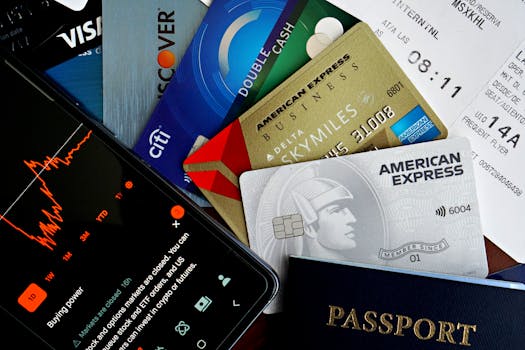
Even if you're not flying first class, sign up for airline and hotel loyalty programs. Accumulating points on budget flights or stays can lead to upgrades, free nights, or discounts down the line. It's a slow burn, but every little bit helps in the long run.
The Ultimate First-Class Experience: Freedom & Authenticity
Ultimately, the true first-class experience isn't about the thread count of your sheets or the vintage of your champagne. It's about the freedom to explore, the joy of discovery, and the richness of authentic connection. It's about feeling like an insider, not just a visitor.
By adopting these local secrets and savvy strategies, you're not just saving money; you're transforming your travels into something deeper, more personal, and infinitely more rewarding. You're getting the best of both worlds: the thrill of high-end experiences with the satisfaction of smart, sustainable travel.
So, next time you plan a trip, remember that Roman rooftop bar. The world is full of such hidden gems, waiting for you to discover them. Go forth, explore, and live that first-class life, one economy budget secret at a time.
What are your favorite "economy luxury" secrets? Share your tips in the comments below! Let's build a community of smart, savvy travelers who know how to truly experience the world.
---