The Whisper of the Dunes: Your Untouched Winter Desert Awaits
The world is shrinking, isn't it? Every stunning vista, every charming cobblestone street, every pristine beach seems to be just a click away from becoming a TikTok sensation, swarmed by selfie sticks and tour buses. I’ve felt that pang of disappointment more times than I care to admit – arriving at a supposedly "remote" paradise only to find it teeming with fellow adventurers, all chasing the same Instagram shot.
But there’s a magic that still exists, especially in the vast, humbling expanse of the desert. And here’s a secret: winter is the season for desert travel. Forget sweltering heat; picture crisp, clear skies, mild days perfect for exploration, and nights so star-dusted they’ll steal your breath away. And the best part? There are still incredible desert destinations waiting to be discovered, places where you can truly connect with the landscape and its people before they hit the mainstream travel circuit.
I’ve spent years chasing these whispers on the wind, seeking out the quiet corners and the authentic experiences. And trust me, the reward is immeasurable. So, if you’re ready to trade the predictable for the profound, to step off the well-trodden path and into a landscape of awe-inspiring beauty, then bookmark this page. Because these are the desert destinations you need to explore this winter – before everyone else does.
1. AlUla, Saudi Arabia: Where Ancient History Meets Desert Majesty
My first encounter with AlUla felt like stepping onto another planet, yet one steeped in millennia of human history. I'd heard whispers of Saudi Arabia opening up to tourism, but nothing prepared me for the sheer scale and beauty of this ancient oasis. Winter here is sublime, with daytime temperatures hovering around a comfortable 20-25°C (68-77°F) and cool, starry nights.
Imagine towering sandstone cliffs carved by wind and time, revealing hidden tombs of the Nabataean civilization – the same people who built Petra. But unlike Petra, AlUla's Hegra (its main archaeological site) still feels wonderfully uncrowded. I remember wandering through the monumental facades, feeling the weight of history in the silent air, my guide, Ahmed, explaining the intricate carvings as if sharing family secrets.
Why AlUla is a Winter Must-Do:
* Hegra (Madain Saleh): Saudi Arabia's first UNESCO World Heritage Site. Explore over 110 remarkably preserved tombs, marvel at the detailed rock-cut architecture, and feel the ancient spirits around you. My favorite was the Tomb of Lihyan son of Kuza, standing majestically alone.
* Old Town AlUla: A labyrinth of mud-brick houses, some dating back to the 12th century. I spent an afternoon getting lost in its narrow alleyways, discovering artisan shops and sampling delicious local dates. The community spirit here is palpable.
* Elephant Rock (Jabal AlFil): A natural sandstone formation resembling an elephant, especially stunning at sunset. Picture yourself enjoying a hot cup of Arabic coffee as the sky explodes in fiery hues, casting dramatic shadows on this natural wonder.
* Adventure Activities: From exhilarating ziplining across the canyons to serene hot-air balloon rides offering panoramic views of the entire valley, AlUla caters to all levels of adventure. I opted for a gentle hike through the Oasis Trail, a lush green ribbon winding through date palms, a stark contrast to the surrounding desert.
Practicalities & Pricing:
* Getting There: Fly into AlUla International Airport (ULH). Saudi Airlines and Flynas offer connections from major Saudi cities like Riyadh and Jeddah.
* Accommodation: AlUla offers a range from luxury glamping (think Habitas AlUla, starting around $500/night) to charming boutique hotels and guesthouses. I stayed at a lovely guesthouse near the Old Town for about $150/night, which included a delicious local breakfast.
* Tours: Book your Hegra and Dadan/Ikmah tours via the official Experience AlUla website or through your accommodation. Entry to Hegra is usually part of a guided bus tour (around $40-60).
* Best Time: November to March for ideal weather.
Instagram Moment:
A wide shot of Elephant Rock at golden hour, or a close-up of intricate Nabataean carvings at Hegra, framed by a clear blue sky.
2. The Great Rann of Kutch, India: A White Wonderland Under Winter Stars
Imagine a vast, shimmering expanse of salt, stretching as far as the eye can see, transforming into a brilliant white desert under the winter sun. This is the Great Rann of Kutch in Gujarat, India, and my visit during the annual Rann Utsav festival was an experience unlike any other. While the festival itself draws crowds, the sheer size of the Rann means you can still find moments of profound solitude, especially away from the main camp.
The Rann of Kutch is a seasonal salt marsh, submerged in water during the monsoon and drying out into a surreal white landscape by winter. The cultural vibrancy of Gujarat, combined with this unique natural phenomenon, makes it an unforgettable winter destination. Day temperatures are pleasantly cool, around 20-28°C (68-82°F), with chilly nights that demand a warm shawl.
Why Kutch is Your Winter Escape:
* The White Rann: Walk barefoot on the crunchy salt crust, watch the sunset paint the sky in fiery oranges and purples, and gaze at a million stars reflecting off the white surface at night. It's truly ethereal. I remember feeling like I was walking on the moon, the silence broken only by the crunch of salt beneath my feet.
* Rann Utsav: If you time your visit between November and February, you can experience this vibrant cultural festival. Stay in luxurious tent cities, enjoy traditional Kutchi folk music and dance, explore artisan villages, and savor local delicacies. While it's a festival, the sheer scale of the Rann allows for quiet moments.
* Kutchi Handicrafts: Kutch is renowned for its exquisite embroidery, block printing, pottery, and jewelry. Visit local villages like Nirona (for Rogan art) or Hodka (for mud and mirror work) to see artisans at work and buy authentic souvenirs directly from the source. I still cherish a hand-embroidered wall hanging I bought from a local woman in Hodka.
* Wildlife: The Banni Grasslands and the Little Rann of Kutch are home to unique wildlife, including the Indian Wild Ass (Khur), migratory birds, and even flamingos during winter.
Practicalities & Pricing:
* Getting There: The nearest airport is Bhuj (BHJ). From there, it's a 1.5-2 hour drive to the Rann.
* Accommodation: During Rann Utsav, the Tent City offers various packages (starting around $150-250/night for a double, including meals and some activities). Alternatively, explore smaller, more authentic homestays and guesthouses in nearby villages like Hodka or Dhordo for a more budget-friendly and immersive experience (around $50-100/night). I opted for a village homestay, which offered a deeper connection with the local culture.
* Permits: A permit is required to visit the White Rann, which can be obtained online or at the checkpost en route.
* Best Time: November to March, with Rann Utsav running from November to February.
Instagram Moment:
A panoramic shot of the endless white Rann at sunrise or sunset, with a few distant figures adding perspective. Or a vibrant close-up of Kutchi embroidery.
3. Wahiba Sands (Sharqiyah Sands), Oman: Authentic Bedouin Nights and Golden Dunes
Oman is often overshadowed by its flashier Gulf neighbors, but that's precisely its charm. The Wahiba Sands, now officially known as Sharqiyah Sands, offers a quintessential desert experience that feels authentic and untouched. My journey here was a profound lesson in tranquility and hospitality, a world away from bustling city life. Winter temperatures are perfect, ranging from 15-28°C (59-82°F), making daytime exploration comfortable and nights wonderfully cool.
Rolling golden dunes stretch for miles, punctuated by the occasional Bedouin camp or a lone camel. This isn't just a landscape; it's a living, breathing ecosystem and a cultural heartland. My guide, Salim, a true Bedouin, shared stories of his ancestors navigating these sands, their knowledge passed down through generations.
Why Wahiba Sands is Your Winter Oasis:
* Dune Bashing & Sandboarding: An exhilarating ride over the towering dunes in a 4x4. After the adrenaline rush, try sandboarding down the slopes – it’s harder than it looks but incredibly fun! I remember laughing uncontrollably as I tumbled down a dune, covered head-to-toe in fine sand.
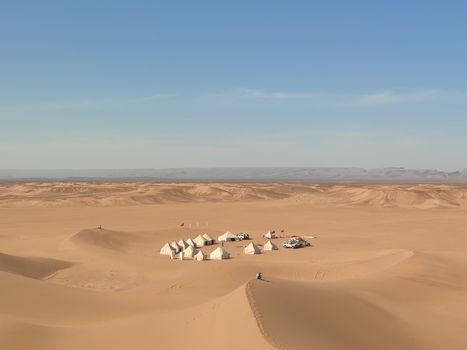
* Authentic Bedouin Camps: Stay overnight in a traditional Bedouin camp. Forget luxury hotels; this is about sleeping under a blanket of a million stars, sharing meals cooked over an open fire, and listening to traditional Omani music. The warmth and hospitality of the Bedouin people are truly heartwarming. My camp host, Fatima, taught me how to make traditional Omani coffee.
* Camel Rides: Experience the desert at a slower pace, swaying gently atop a camel as the sun dips below the horizon, painting the dunes in shades of gold and amber.
* Wadi Bani Khalid: A stunning oasis with natural pools perfect for a refreshing dip, located just outside the Wahiba Sands. It's a beautiful contrast to the arid desert and a perfect spot to relax after a dusty adventure.
Practicalities & Pricing:
* Getting There: Wahiba Sands is about a 2-3 hour drive southeast of Muscat, the capital. Many tour operators offer day trips or overnight packages.
* Accommodation: A range of desert camps exists, from basic Bedouin-style tents to more luxurious glamping options. Expect to pay around $100-300/night for an overnight stay, including dinner, breakfast, and some activities like dune bashing. I stayed at a mid-range camp for about $180, which felt like a steal for the experience.
* Booking: It's best to book through a reputable tour operator in Muscat or directly with a desert camp that offers transfers.
* Best Time: October to March for pleasant weather.
Instagram Moment:
A silhouette of camels against a vibrant sunset over golden dunes, or a close-up of intricate Bedouin silver jewelry.
4. Atacama's Hidden Gems, Chile: Beyond the Moon Valley
The Atacama Desert in Chile is renowned, but its vastness holds countless secrets beyond the well-trodden paths of Moon Valley and El Tatio Geysers. For those willing to venture a little further, winter (June-August in the Southern Hemisphere, but still dry and sunny) offers crisp, clear skies, making it ideal for stargazing and exploring its lesser-known wonders. Temperatures during the day are around 20-25°C (68-77°F), but nights can drop to near freezing, so layers are essential.
I remember my first trip to Atacama, mesmerized by its otherworldly landscapes. But it was on a subsequent, more adventurous journey that I discovered its true "hidden gems," places where the silence was profound and the landscapes felt truly alien.
Why Atacama's Offbeat Trails are a Winter Thrill:
* Rainbow Valley (Valle del Arcoíris): While Moon Valley is popular, Rainbow Valley offers a stunning palette of earthy reds, greens, and browns, formed by different minerals. It’s a photographer's dream and far less crowded. I spent hours here, feeling like an explorer on Mars.
* Yerbas Buenas Petroglyphs: Near Rainbow Valley, these ancient rock carvings offer a glimpse into the lives of the Atacameño people thousands of years ago. My guide, Maria, shared fascinating insights into the symbols and their meanings.
* Miscanti and Miñiques Lagoons (Lagunas Altiplánicas): These high-altitude lagoons, nestled amidst volcanoes, are breathtakingly beautiful. The intense blue of the water, the white salt edges, and the surrounding peaks create a surreal panorama. While somewhat known, visiting in winter means fewer people and even more dramatic scenery.
* Stargazing at Lesser-Known Observatories: San Pedro de Atacama is a stargazing mecca. Instead of the main public observatories, seek out smaller, private tours that offer a more intimate experience with powerful telescopes and knowledgeable guides. The winter sky here is unparalleled. I saw Saturn's rings with my own eyes – an unforgettable moment.
* Puritama Hot Springs (Termas de Puritama): While not entirely "hidden," these terraced hot springs are a natural wonder, especially soothing on a cool winter day. Go early to beat the small crowds.
Practicalities & Pricing:
* Getting There: Fly to Calama (CJC), then take a 1.5-hour shuttle to San Pedro de Atacama.
* Accommodation: San Pedro offers a range from hostels (starting $30/night) to boutique hotels and luxury lodges (e.g., Alto Atacama, starting $600+/night). I found a charming mid-range hotel with a courtyard for around $80/night.
* Tours: Most tours depart from San Pedro. Expect to pay $30-60 for half-day tours to Rainbow Valley/Petroglyphs and $70-100 for full-day tours to the Altiplanic Lagoons. Stargazing tours are typically $30-50.
* Best Time: May to September (Southern Hemisphere winter) for clear skies and comfortable daytime temperatures, though nights are cold.
Instagram Moment:
The vibrant, multi-colored rock formations of Rainbow Valley, or a long-exposure shot of the Milky Way over a desert landscape.
Why Winter is Your Desert Season: Practicalities & Pleasures
Beyond avoiding the scorching summer heat, winter offers a unique charm to desert travel:
- Comfortable Exploration: Hiking, camel trekking, and exploring archaeological sites are far more enjoyable without the oppressive sun.
- Stargazing Par Excellence: Crisp, dry winter air means clearer skies and less atmospheric interference, making for unparalleled stargazing opportunities. The desert sky at night is a spectacle you'll never forget.
- Fewer Crowds: Many desert destinations are popular during spring and autumn. Winter often sees a dip in tourist numbers, allowing for a more intimate and authentic experience.
- Unique Phenomena: Some deserts, like Kutch, transform dramatically in winter, offering landscapes not seen at other times of the year.
Essential Packing & Responsible Travel Tips
Before you embark on your desert adventure, here are a few tips to ensure a smooth and responsible trip:
Packing Essentials:
* Layers, Layers, Layers: Desert temperatures can fluctuate wildly. Think light, breathable clothing for day (long sleeves for sun protection) and warm jackets, hats, and scarves for chilly evenings and early mornings.
* Sturdy Walking Shoes: For exploring ruins, hiking dunes, and navigating uneven terrain.
* Sun Protection: Hat, sunglasses, high-SPF sunscreen are non-negotiable.
* Hydration: Reusable water bottle is a must. Stay hydrated!
* Basic First-Aid Kit: Include pain relievers, blister plasters, antiseptic wipes, and any personal medications.
* Camera Gear: A good camera, extra batteries, and plenty of memory cards. A tripod is essential for stargazing photography.
* Headlamp/Flashlight: Especially useful for navigating camps at night or early morning excursions.
* Portable Charger: Power outlets can be scarce in remote areas.
Responsible Travel Tips:
* Respect Local Culture: Dress modestly (especially in religious sites), ask permission before taking photos of people, and learn a few basic phrases of the local language.
* Leave No Trace: Pack out everything you pack in. Do not litter. Stick to marked trails where applicable.
* Support Local Businesses: Buy souvenirs from local artisans, eat at local restaurants, and hire local guides.
* Conserve Water: Water is precious in the desert. Be mindful of your usage.
* Wildlife Awareness: Observe wildlife from a distance and do not disturb their natural habitats.
* Be Prepared: Inform someone of your itinerary, especially if venturing into remote areas.
Your Untouched Desert Awaits!
There's something profoundly spiritual about the desert – its vastness, its silence, its ability to strip away the unnecessary and connect you with something ancient and raw. To experience this in winter, away from the madding crowds, is a privilege.
These destinations offer not just breathtaking landscapes but also a chance to immerse yourself in unique cultures, to challenge your perceptions, and to find a peace that's often elusive in our hyper-connected world. Go now, before the secret gets out. Be a pioneer, an explorer, and a guardian of these incredible places.
Which desert whisper will you follow first? Start planning your unforgettable winter escape today. Share your desert dreams with us in the comments below, and let's inspire each other to explore the world responsibly and authentically!
---