The aroma of fresh basil, the chaotic symphony of a bustling market, the proud smile of a nonna teaching me to roll pasta – these aren't just memories from my travels; they are the building blocks of a new me. For years, I traveled, ate, and moved on, collecting passport stamps and photos. But it wasn't until I stumbled upon my first "cooking class with a market tour" that my understanding of travel, and indeed, of life itself, profoundly shifted. It wasn't just about learning to cook; it was about connecting, understanding, and truly tasting the world. And let me tell you, these experiences changed my life forever.
The Awakening: From Tourist to Culinary Explorer
My culinary awakening began not in a Michelin-starred restaurant, but amidst the vibrant chaos of a local market. I used to think of markets as just places to buy things. How naive I was! A market, I quickly learned, is the beating heart of a community, a living museum of culture, history, and daily life.
My very first "aha!" moment happened in Florence, Italy. I'd signed up for a pasta-making class, mostly for the novelty. What I got was an experience that redefined travel for me. Our instructor, a vivacious Tuscan named Isabella, met us at the Mercato Centrale. Instead of rushing us through, she guided us with the warmth of an old friend. She introduced us to vendors by name, letting us sample Pecorino cheese from one, explaining the nuances of different tomatoes from another. We learned about seasonal produce, the importance of fresh eggs for pasta, and even the local gossip exchanged over a basket of artichokes. It wasn't just shopping; it was an intimate glimpse into the Florentine soul.
This market tour wasn't a prelude to cooking; it was the first course. It laid the foundation, building anticipation and respect for the ingredients we were about to transform. By the time we arrived at Isabella's charming kitchen, nestled in an old palazzo, I wasn't just ready to cook; I was ready to create magic. We kneaded pasta dough until our arms ached, rolled out tagliatelle thinner than tissue paper, and crafted perfect ravioli. The scent of simmering ragù filled the air, and the shared laughter of strangers quickly turned into the camaraderie of friends. Eating the meal we had prepared, paired with local Chianti, felt like the most authentic, hard-earned feast of my life. The cost? Around €120-€150, an investment that paid dividends in memories and skills.
Tripsora Tip:
Don't be afraid to ask questions at the market! Vendors are often proud of their produce and happy to share stories, even if there's a language barrier. A simple "grazie" or "khob khun ka" goes a long way.
Spice, Sizzle, & Serenity: Mastering Thai Flavors in Chiang Mai
After Florence, I was hooked. My next culinary pilgrimage led me to the lush landscapes of Chiang Mai, Thailand. Thai food had always been a favorite, but the thought of recreating those complex flavors at home seemed daunting. That's where the Thai Farm Cooking School came in – an experience that was less a class and more an immersion into a way of life.
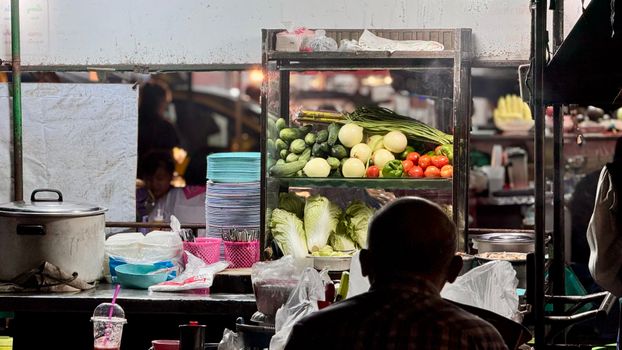
Our day began early with a trip to a bustling local market, a vibrant explosion of colors, sounds, and exotic smells. Our guide, Aroi, a woman whose smile could light up a room, navigated us through stalls overflowing with fresh herbs, fiery chilies, and mysterious vegetables. She taught us how to identify the freshest galangal, lemongrass, and kaffir lime leaves, explaining their medicinal properties and cultural significance. We learned about the different types of rice and the art of choosing the perfect coconut for milk. The market here was less about elegant displays and more about raw, energetic commerce – a true sensory overload in the best possible way.
From the market, we journeyed to their organic farm, a serene oasis outside the city. We picked our own ingredients, learning about sustainable farming practices and connecting directly with the earth that yielded our meal. The cooking class itself was a whirlwind of chopping, stir-frying, and tasting. I learned to balance the four fundamental flavors of Thai cuisine – sweet, sour, salty, and spicy – creating a perfect Pad Thai, a rich Green Curry, and a refreshing Mango Sticky Rice. Aroi's infectious enthusiasm and clear instructions made even the most complex dishes feel achievable. Sharing that meal under a bamboo canopy, surrounded by new friends and the sounds of nature, was pure bliss. This all-day experience cost roughly 1000-1500 THB (around $30-$50 USD), an incredible value for the depth of learning.
Instagram Moment:
Capture the vibrant colors of the market produce – piles of chilies, exotic fruits, and fresh herbs make for stunning photos! Don't forget a selfie with your perfectly plated Pad Thai!
River Life, Rice Paddies, & Culinary Secrets in Hoi An
Vietnam had always captivated me with its rich history and incredible street food culture. When I found myself in the enchanting ancient town of Hoi An, I knew a cooking class was essential. This time, the market tour offered a different kind of magic, intertwined with the rhythm of river life.
The class I chose, with Red Bridge Cooking School, started with a fascinating boat trip down the Thu Bon River. Our journey to the market was a gentle glide past fishing boats, water buffalo, and lush green rice paddies. The market itself was a bustling symphony of bartering and laughter, where vendors expertly weighed out fresh seafood, aromatic herbs, and exotic fruits. Our guide shared stories of local life, explaining how families have fished and farmed these lands for generations. We even learned the art of haggling, a playful dance of numbers and smiles that’s integral to Vietnamese market culture.
Back at the cooking school, set in a picturesque garden overlooking the river, we delved into the secrets of Vietnamese cuisine. We learned to make fresh spring rolls (Gỏi cuốn) with perfectly balanced dipping sauce, the iconic Pho (a deeply aromatic noodle soup), and the local specialty, Banh Xeo (crispy savory pancakes). The emphasis was on fresh ingredients, delicate seasoning, and elegant presentation. The class even included a short demonstration on fruit carving, turning humble melons into works of art. The shared meal, eaten al fresco, felt like a celebration of both food and friendship. The cost was typically around 700,000-900,000 VND (approx. $30-$40 USD), another incredible cultural bargain.
Practical Tip:
Many cooking classes in Vietnam include a visit to a local farm or herb garden, giving you an even deeper understanding of where your food comes from. Wear comfortable shoes and be prepared for a bit of walking!
Mole Magic & Mezcal: A Taste of Ancient Traditions in Oaxaca
My most recent life-changing culinary adventure took me to Oaxaca, Mexico, a region renowned as the gastronomic heart of Mexico. Here, food is more than sustenance; it's history, identity, and art. The cooking class I attended with Seasons of My Heart Cooking School wasn't just a lesson in Mexican cuisine; it was an immersion into the ancient traditions of the Zapotec people.
The market tour began at the sprawling Mercado de Abastos, one of the largest and most authentic markets in Latin America. It was an overwhelming, exhilarating assault on the senses. Our instructor, a passionate Oaxacan chef, guided us through a labyrinth of stalls piled high with vibrant chilies, exotic herbs, heirloom corn, and an incredible array of Oaxacan cheeses. We tasted different types of mole paste, sampled chapulines (fried grasshoppers – surprisingly delicious!), and learned about the ritualistic use of ingredients in traditional ceremonies. The market was a living testament to Oaxaca's rich culinary heritage, a place where ancient traditions thrive alongside modern life.
Back in a beautifully restored colonial kitchen, we embarked on the monumental task of making Mole Negro, one of Oaxaca's most iconic and complex dishes. This wasn't a quick recipe; it was a patient, multi-step process involving roasting, grinding, and slow simmering, a true labor of love. We also learned to make fresh tortillas from scratch, vibrant Sopa de Flor de Calabaza (squash blossom soup), and a refreshing Agua Fresca. The class concluded with a tasting of various mezcals, learning about their production and cultural significance. The experience wasn't just about cooking; it was about understanding the soul of Oaxaca, one ingredient at a time. This immersive day cost approximately $120-$150 USD, including all ingredients, transportation, and tastings.
Shareable Insight:
Learning to make Mole Negro is like learning a secret family recipe. It's a dish passed down through generations, and mastering even a simplified version feels incredibly empowering.
Bringing the World Home: Practical Tips for Your Own Culinary Journey
These cooking classes didn't just equip me with new recipes; they gave me a deeper appreciation for diverse cultures, a renewed sense of confidence in the kitchen, and a desire to seek out authentic experiences wherever I go. Here’s how you can embark on your own life-changing culinary adventure:
- Do Your Research: Look for classes that emphasize local ingredients, traditional techniques, and include a market tour. Read reviews on platforms like TripAdvisor, Airbnb Experiences, and specific cooking school websites.
- Go Local: Opt for smaller, family-run schools or those led by local chefs. They often provide a more authentic and intimate experience than large, commercial operations.
- Check the Menu: While spontaneity is fun, know what dishes you'll be making. Is it something you truly want to learn? Are there dietary restrictions they can accommodate?
- Ask About the Market Tour: What does it entail? Is it guided? Will you interact with vendors? The quality of the market tour can make or break the experience.
- Budget Wisely: Prices vary wildly. While some classes are budget-friendly (especially in Southeast Asia), others are a significant investment (like in Europe or for specialized techniques). Consider it an investment in a skill and a memory.
- Embrace the Mess: Cooking is messy! Don't be afraid to get your hands dirty, make mistakes, and laugh at yourself.
- Take Notes & Photos: You'll want to remember the recipes and the moments. Many schools provide recipe booklets, but personal notes can capture nuances.
- Engage with Your Instructor & Classmates: These experiences are fantastic opportunities to meet fellow travelers and learn from locals. Shared meals often lead to wonderful conversations.
- Bring the Flavors Home: Don't let your new skills gather dust! Recreate the dishes, adapt them to your local ingredients, and share them with friends and family. It's the ultimate souvenir.
- Look Beyond the Plate: Remember, these classes are about cultural immersion. Pay attention to the stories, the history, and the daily life that revolve around food.
Your Culinary Adventure Awaits
My passport is now filled with stamps, but my heart is full of flavors, aromas, and memories forged over bubbling pots and bustling market stalls. These cooking classes with market tours weren't just about learning to chop and sauté; they were about unlocking a deeper understanding of the world, one delicious bite at a time. They taught me patience, improvisation, and the universal language of good food. They transformed me from a passive observer into an active participant in the culinary narrative of each destination.
So, next time you plan a trip, don't just book a fancy dinner. Seek out a cooking class that starts with a market tour. Allow yourself to be guided, to explore, to taste, and to create. I promise you, it will be more than just a meal; it will be a journey that changes your life forever.
What's your favorite dish you've learned to cook while traveling? Share your stories in the comments below!
---