Bike touring combines movement, scenery and independence in a way few other types of travel can match. Riding across a region lets you notice changes in terrain, climate and local life that are easy to miss from a car or train window. Many of the most admired touring corridors pass through valleys, coastlines, forests and high plains, and they can suit riders at many levels of experience. The key is matching a route to your fitness, time and comfort with carrying your own luggage. This guide offers a framework for choosing a route, preparing the bike and planning days on the road.
Matching a route to your ability
Routes are usually described by distance, elevation gain, surface type and traffic. A flat route on a dedicated path can be ridden by most people with basic fitness, while mountain passes demand strong legs and good gearing. Read route profiles carefully, paying attention to total ascent rather than just distance, since a hilly day can take far longer than the kilometers suggest. If you are new to touring, begin with shorter stages and a route that offers regular places to stop.
Surfaces, traffic and road safety
Surface conditions shape both pace and safety. Paved roads, gravel tracks and mixed trails require different tyres and skills. Traffic levels vary greatly, and some quiet rural roads become busy near towns or on weekends. Dedicated cycle paths and low-traffic routes are excellent choices where available. Wear a helmet, use lights in low visibility, and check whether local rules require reflective equipment. Plan for weather changes, which can be sudden in mountain and coastal areas.
Choosing your bike and gear
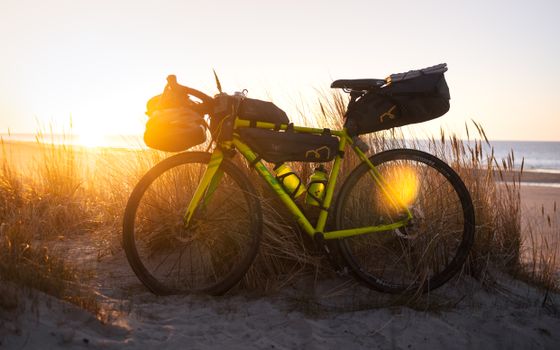
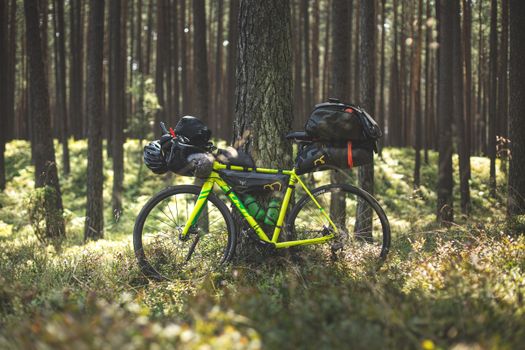
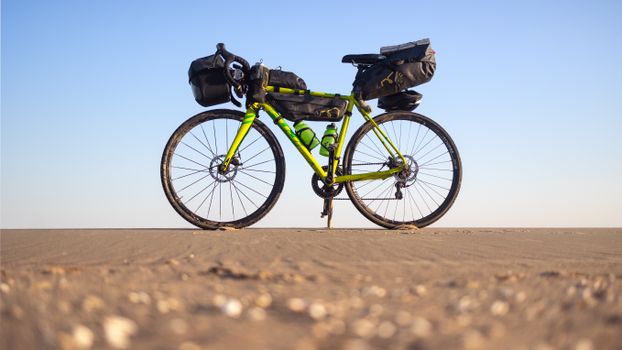
Touring bikes are designed for carrying loads, with strong frames, wide gear ranges and mounts for racks and bags. Hybrid and gravel bikes can also work well for many routes. Panniers, a rack, a saddle bag and a handlebar bag are common setups, and it is worth testing your load on a short ride before departure. Pack light, keep weight low on the bike, and carry a basic repair kit including spare tubes, tyre levers, a pump and a multitool. Knowing how to fix a puncture is one of the most useful skills a touring cyclist can have.
Planning daily distances
Daily distance is one of the most important decisions on a tour. Many riders aim for a distance they can complete comfortably with time for breaks, rather than racing to a fixed target. Consider the terrain, the weather forecast and the availability of accommodation or camping. Identify towns or services at intervals along the route, since water, food and repairs may be scarce in remote areas. Build in a rest day every few days, particularly on longer journeys.
Accommodation and supplies
Touring cyclists use a range of accommodation, from campsites and guesthouses to hostels and hotels. Campsites with bike storage are convenient, while rural guesthouses may offer a warm welcome and local meals. Check opening seasons, since some campsites and mountain huts close outside the main months. Carry enough water and food for the longest gap between stops, and keep a small reserve of snacks for emergencies.
Staying safe and prepared
Good preparation reduces risk. Tell someone your planned route and expected arrival times, carry a charged phone and a power bank, and consider travel insurance that covers cycling. Know the emergency number for the country you are riding in, and keep copies of important documents. In remote areas, mobile coverage can be patchy, so download offline maps and keep a paper map as a backup.
Practical tips
Ride a few shorter tours before attempting a long one, so you learn how your body and your gear respond. Check the bike thoroughly before departure, including brakes, gears and tyre pressure. Keep chain lubricated and clean after wet or dusty rides. Start early in hot weather and in the mountains, when afternoon winds and heat can be tiring. Take photographs at stops rather than while moving, and let the landscape set your pace. Above all, allow flexibility, because a route is a plan, not a schedule.
Common mistakes to avoid
Packing far more than you need is one of the most common errors, since every extra kilogram adds effort on climbs and wear to the bike. Many riders also underestimate headwinds, which can make an otherwise easy stage take far longer. Another mistake is building a schedule that depends on perfect weather and no mechanical issues, leaving little room for repairs. Some tourers choose a route based on scenery alone and then find that the road surface or traffic does not suit their bike. Others assume that a cycle route marked on a map will have signage and services throughout, which may not be the case in remote stretches. Leaving maintenance until the first problem appears, rather than checking components before each stage, is another easy trap. Finally, pushing on through fatigue instead of taking a planned break can turn a manageable day into a difficult one.
Who this suits and who it doesn't
Bike touring suits people with a reasonable base of fitness who enjoy steady, self-powered travel and can handle simple mechanical tasks. It can suit solo riders, couples and friends who are comfortable making decisions together on the road, and people who like a flexible itinerary. It is less suitable for those with limited stamina who would find daily climbs exhausting, for people who dislike unpredictable weather or basic camping, and for those who need guaranteed comfort and reliable facilities every night. Parents travelling with young children may prefer short tours on quiet routes, with trailers or child seats checked in advance. Riders recovering from injury should seek medical advice before setting out on longer days.
Frequently asked questions
Do I need an expensive bike?
Not necessarily. A reliable, well-maintained bike suited to your route matters more than the price tag, although a bike that fits you properly is important.
Is a guided tour better for beginners?
It can be. Guided tours handle route planning and support, which suits people who want structure. Self-guided tours offer more freedom but demand more preparation.
How do I choose between camping and guesthouses?
Consider your comfort level, budget and the season. Camping offers flexibility, while guesthouses provide rest and meals, and a mix often works well.
A bike tour offers a rare way to experience a landscape slowly and personally. By choosing a route that suits your abilities, preparing your equipment and planning realistic days, you can enjoy the scenery and the journey rather than simply finishing each stage. The best tours leave room for detours, conversations and the simple pleasure of arriving somewhere by your own effort.