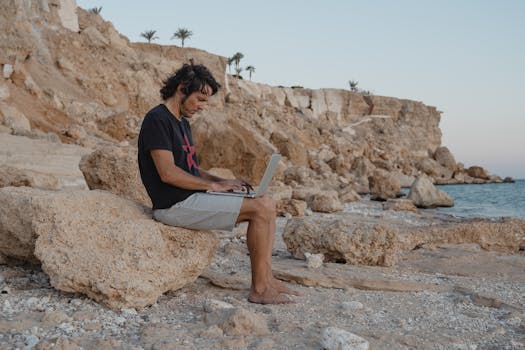
The salty kiss of the Pacific air, the rhythmic hush of waves against the shore, and the faint, sweet scent of plumeria – that’s what greeted me as I stepped off the tiny prop plane onto the tarmac of Maui’s Kahului Airport. It was early February, the kind of mid-winter chill in the air back home that made me question every life choice. But here? Here, the sun was a warm embrace, and the promise of a productive work week, fueled by an ocean view, felt not just possible, but inevitable. The crucial ingredient? Knowing that my “office” would have internet speeds that wouldn’t make me want to throw my laptop into the turquoise depths.
For too long, the dream of working remotely from a breathtaking beach destination has been hampered by a single, frustrating reality: unreliable Wi-Fi. But the world is changing, and for the discerning digital nomad or the remote worker craving a change of scenery, February 2026 presents an unparalleled opportunity. We're talking about destinations where you can nail that crucial video conference with crystal-clear clarity while the gentle roar of the ocean provides your soundtrack. This isn’t about finding a cafe with spotty Wi-Fi; this is about identifying genuine hubs for productivity and paradise.
The Rise of the Connected Coastal Coworker
The pandemic accelerated a shift that was already in motion. Suddenly, our homes became our offices, and the desire to escape the four walls of our suburban dwellings became a powerful siren song. But as we ventured out, the limitations became starkly apparent. The allure of a beachfront bungalow dissolved when faced with buffering videos and dropped calls. The good news? Technology is catching up with our wanderlust. Fiber optic internet, once a luxury confined to major tech hubs, is now weaving its way into even the most idyllic coastal corners.
Pro-Tip:
When researching, don't just look for "Wi-Fi." Specifically search for "fiber optic internet" or "high-speed broadband" in accommodation listings or local infrastructure reports. This is the gold standard for consistent, high-speed connectivity.
Why February? The Sweet Spot for Connectivity and Calm
February offers a unique confluence of advantages for the digitally connected beachgoer. It’s generally considered shoulder season in many popular tropical and subtropical destinations, meaning fewer crowds and often more favorable pricing on accommodations and flights. More importantly, it’s a time when many destinations have either recently upgraded their infrastructure or are actively promoting their digital readiness. It’s the perfect window to snag that perfect spot before the spring break rush or the summer tourist deluge.
Top Beach Towns with Fiber Optic Internet in February 2026
After extensive research, countless digital deep dives, and a few virtual coffees with local experts, I’ve curated a list of beach towns that tick all the boxes: stunning scenery, a vibrant local culture, and, crucially, the kind of fiber optic internet that makes remote work a joy, not a chore.
1. Gran Canaria, Canary Islands, Spain: The Atlantic Oasis
Stepping onto Gran Canaria is like stepping into a vibrant, sun-drenched postcard. This Spanish island, perched off the coast of Northwest Africa, offers an astonishing diversity of landscapes, from the golden dunes of Maspalomas to the verdant mountains in its interior. The capital, Las Palmas de Gran Canaria, boasts a burgeoning tech scene and a surprising amount of modern infrastructure, including widespread fiber optic coverage.
The Vibe:
Think sophisticated European flair meets laid-back island life. You'll find bustling markets selling fresh papayas and local cheeses, historic colonial architecture in Vegueta, and stretches of pristine sand where the Atlantic waves beckon. The gastronomic scene is a delight, with fresh seafood grilled to perfection and the ubiquitous 'papas arrugadas' (wrinkled potatoes) served with spicy 'mojo' sauces.
Pro-Tip:
For the best blend of beach access and connectivity, consider the Las Canteras beach area in Las Palmas. The promenade is lined with apartments and hotels offering excellent internet, and the beach itself is a lively hub with chiringuitos (beach bars) and surf schools.
Quick Facts - Gran Canaria:
* Estimated Costs: $ (Budget-friendly to mid-range)
* Best Time to Visit (for this purpose): February - March
* How to Get There: Direct flights to Gran Canaria Airport (LPA) from major European cities. Ferry services connect it to other Canary Islands and mainland Spain.
2. Siargao, Philippines: The Surfer's Digital Paradise
Siargao is often called the "Surfing Capital of the Philippines," and while the waves are legendary, the island is rapidly transforming into a haven for digital nomads thanks to significant infrastructure investment. The development here has been mindful, aiming to preserve the island's raw, natural beauty while catering to a connected clientele.
The Vibe:
Imagine lush coconut groves, turquoise lagoons, and a laid-back, barefoot-friendly atmosphere. Siargao embodies a bohemian spirit. The main hub, General Luna, is dotted with charming guesthouses, trendy cafes serving smoothie bowls, and surf shops. The air is thick with the scent of salt and the distant rumble of surf. Don't miss a boat trip to the stunning Sugba Lagoon or the rock pools of Magpupungko.
Pro-Tip:
Many of the newer guesthouses and boutique resorts in General Luna are specifically catering to remote workers and offer dedicated fiber optic connections. Look for places that explicitly mention "high-speed internet" or "fiber optic."
Quick Facts - Siargao:
* Estimated Costs: $ (Very budget-friendly)
* Best Time to Visit (for this purpose): February - April (Dry season, good waves)
* How to Get There: Fly into Sayak Airport (IAO) on Siargao from Manila or Cebu. Boat transfers are readily available.
3. Bucerías, Riviera Nayarit, Mexico: Pacific Charm with High-Speed Waves
Just north of the bustling Puerto Vallarta, Bucerías offers a more tranquil and authentic Mexican beach experience. This charming fishing village has retained its character while embracing modernization, including the rollout of robust fiber optic networks.
The Vibe:
Picture cobblestone streets, brightly painted buildings adorned with bougainvillea, and a long, sandy beach dotted with palapa-roofed restaurants serving some of the freshest ceviche you'll ever taste. The pace of life is deliciously slow, punctuated by the calls of local vendors and the gentle lapping of the Pacific. The Tuesday market is a must-visit for local crafts and delicious street food.
Pro-Tip:
Many of the upscale condos and newer rental properties along the Bucerías beachfront now boast fiber optic internet. If you’re looking for a longer-term stay, inquire directly about the internet speed and provider.
Quick Facts - Bucerías:
* Estimated Costs: $$ (Mid-range)
* Best Time to Visit (for this purpose): November - May (Dry season, pleasant temperatures)
* How to Get There: Fly into Puerto Vallarta International Airport (PVR). Bucerías is a short taxi or bus ride away.
4. Sunshine Coast, Queensland, Australia: Urban Convenience, Coastal Bliss
While not a single "town," the Sunshine Coast region of Queensland offers a string of interconnected coastal communities that have seen significant investment in digital infrastructure. From the surf mecca of Noosa Heads to the more laid-back vibe of Caloundra, you can find pockets of excellent fiber optic coverage.
The Vibe:
Think pristine beaches, lush hinterland, and a relaxed, outdoor-oriented lifestyle. Noosa Heads offers a more upscale experience with designer boutiques and world-class restaurants, while towns like Maroochydore and Caloundra provide a more family-friendly and community-focused atmosphere. The Great Sandy National Park, with its towering dunes and freshwater lakes, is a short drive away.
Pro-Tip:
Focus your search on the main commercial centers like Maroochydore and the more developed areas of Noosa Heads. Many apartment complexes and serviced apartments in these areas are equipped with high-speed fiber.
Quick Facts - Sunshine Coast:
* Estimated Costs: $$$ (Higher end)
* Best Time to Visit (for this purpose): February - April (End of summer, still warm and sunny)
* How to Get There: Fly into Sunshine Coast Airport (MCY) or Brisbane Airport (BNE) and take a shuttle or rental car.
5. Taghazout, Morocco: Surf, Sun, and Speedy Connections
This former fishing village on Morocco's Atlantic coast has rapidly evolved into a world-renowned surf destination, attracting a global community of surfers and, increasingly, digital nomads. The Moroccan government and private investors have been actively upgrading infrastructure, and Taghazout is a prime example of this modernization.
The Vibe:
A bohemian, surf-centric atmosphere with a distinctly Moroccan flavor. Expect whitewashed buildings clinging to the hillside, the scent of mint tea wafting from cafes, and the constant sound of the ocean. The beaches here are legendary for their consistent waves. Explore the bustling souks of nearby Agadir for a dose of vibrant Moroccan culture.
Pro-Tip:
Many of the surf hostels and boutique accommodations in Taghazout are now equipped with fiber optic internet to cater to their international clientele. Book in advance and confirm the internet speed.
Quick Facts - Taghazout:
* Estimated Costs: $$ (Mid-range)
* Best Time to Visit (for this purpose): February - April (Good surf conditions, pleasant weather)
* How to Get There: Fly into Agadir–Al Massira Airport (AGA). Taghazout is a short taxi ride away.
Navigating the Digital Nomad Landscape: Beyond the Bandwidth
While blazing-fast internet is the cornerstone of this guide, a truly successful remote work beach getaway involves more than just a strong Wi-Fi signal.
Building Your Beach Office: Accommodation Hacks
- Look for "Dedicated Fiber" or "Business Grade Internet": This language often indicates a higher level of service and reliability.
- Read Reviews Specifically Mentioning Internet: Filter reviews for keywords like "Wi-Fi," "internet speed," "connectivity," and "remote work."
- Contact the Host/Hotel Directly: Don't be shy about asking for specific speed test results or information about their internet provider.
- Consider Co-living or Co-working Spaces: Many destinations are now developing spaces specifically for remote workers, often with guaranteed high-speed internet and a built-in community.
Embracing the Local Flow: Authenticity and Integration
- Learn a Few Local Phrases: A simple "Shukran" (thank you) or "Salaam alaikum" (peace be upon you) goes a long way.
- Explore Beyond the Tourist Hubs: Venture into local markets, try street food, and engage with the community.
- Respect Local Customs and Traditions: Be mindful of dress codes, especially when visiting religious sites.
- Support Local Businesses: Eat at local restaurants, buy souvenirs from local artisans, and use local transportation.
The February Advantage: Planning Your Escape
- Book Flights and Accommodation in Advance: While February is shoulder season, popular spots can still fill up, especially those catering to remote workers.
- Check Visa Requirements: Ensure you have the necessary documentation for your chosen destination.
- Pack Smart: Light layers, swimwear, sun protection, and any essential tech gear are key. Don't forget a good book for those moments you're not working!
The dream of working from a beach, with the ocean as your backdrop and a strong internet connection keeping you connected, is no longer a fantasy. February 2026 is your invitation to make it a reality. These towns offer not just connectivity, but an experience – a chance to blend productivity with paradise, to find your rhythm between the tides and your deadlines. So, pack your laptop, your swimsuit, and your sense of adventure. The world’s most connected beaches await.